Best Hydration Bladder Bite Valve for Outdoor Gear Wholesalers in USA
Have you ever lost a big order because customers complained about leaking bite valves? I faced this problem three years ago. One retailer returned 200 units. That taught me what really matters in bite valve selection.
The best hydration bladder bite valve combines high flow rate, zero-leak performance, and easy maintenance. Look for medical-grade silicone1 construction, self-sealing mechanisms, and compatibility with standard cleaning methods. These features directly reduce your warranty claims and boost customer satisfaction.
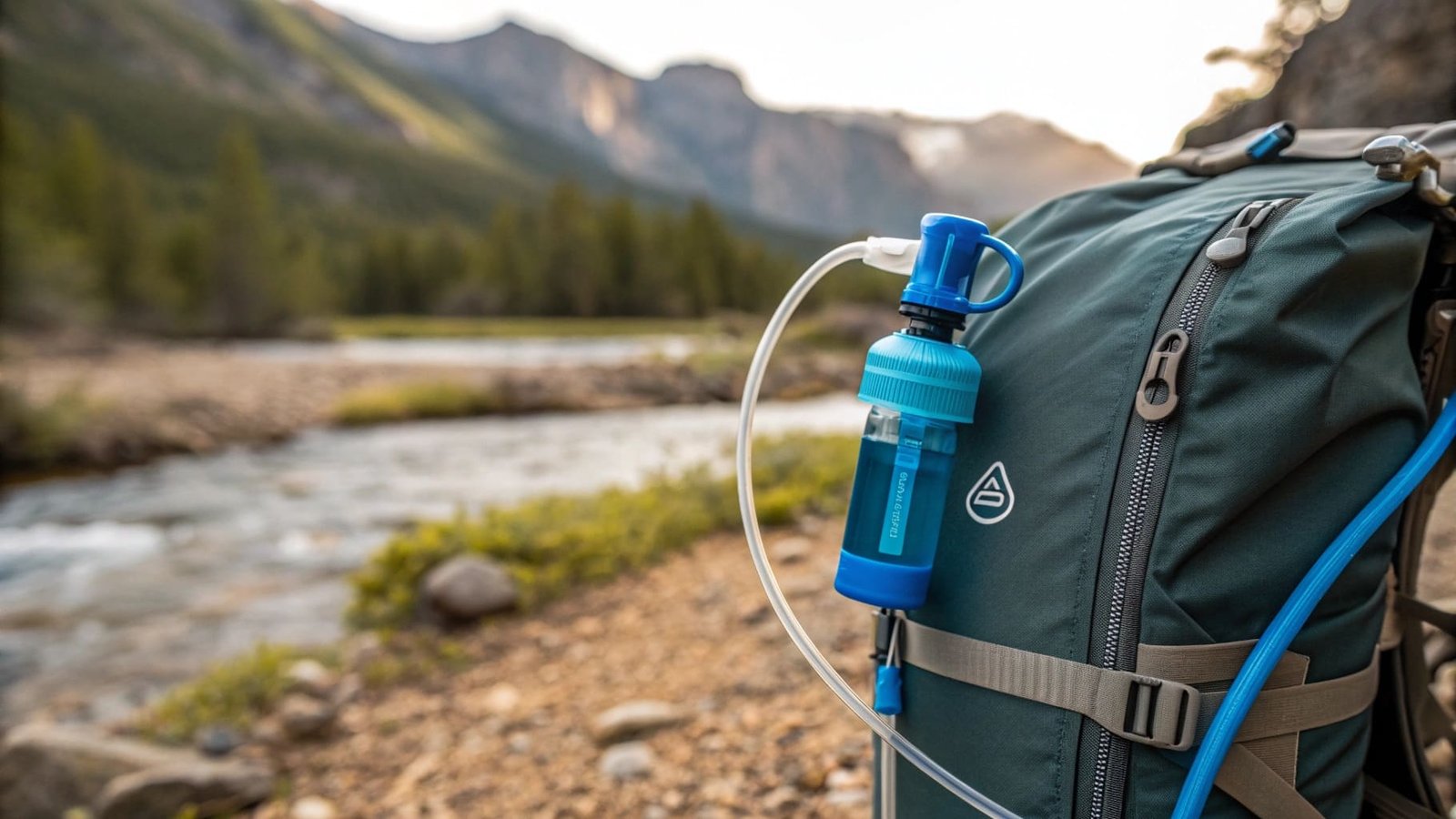
I remember sitting in my office, staring at returned products. The bite valves leaked after just a few weeks of use. My reputation took a hit. I realized I needed to understand bite valves at a deeper level. This knowledge now helps me source products that my customers actually keep. Let me share what I learned about choosing the right bite valve for your wholesale operation.
What is the best hydration bladder gearlab?
Your customers trust third-party testing when choosing hydration systems. Gearlab ratings influence buying decisions more than you think. I learned this after a customer asked me why my products were not on their list.
Gearlab tests hydration bladders on flow rate, leak resistance, durability, and cleaning ease. Top-rated systems feature bite valves with 30-40% higher flow rates and maintain zero leaks after 500+ bite cycles. These performance standards set your baseline for quality sourcing.
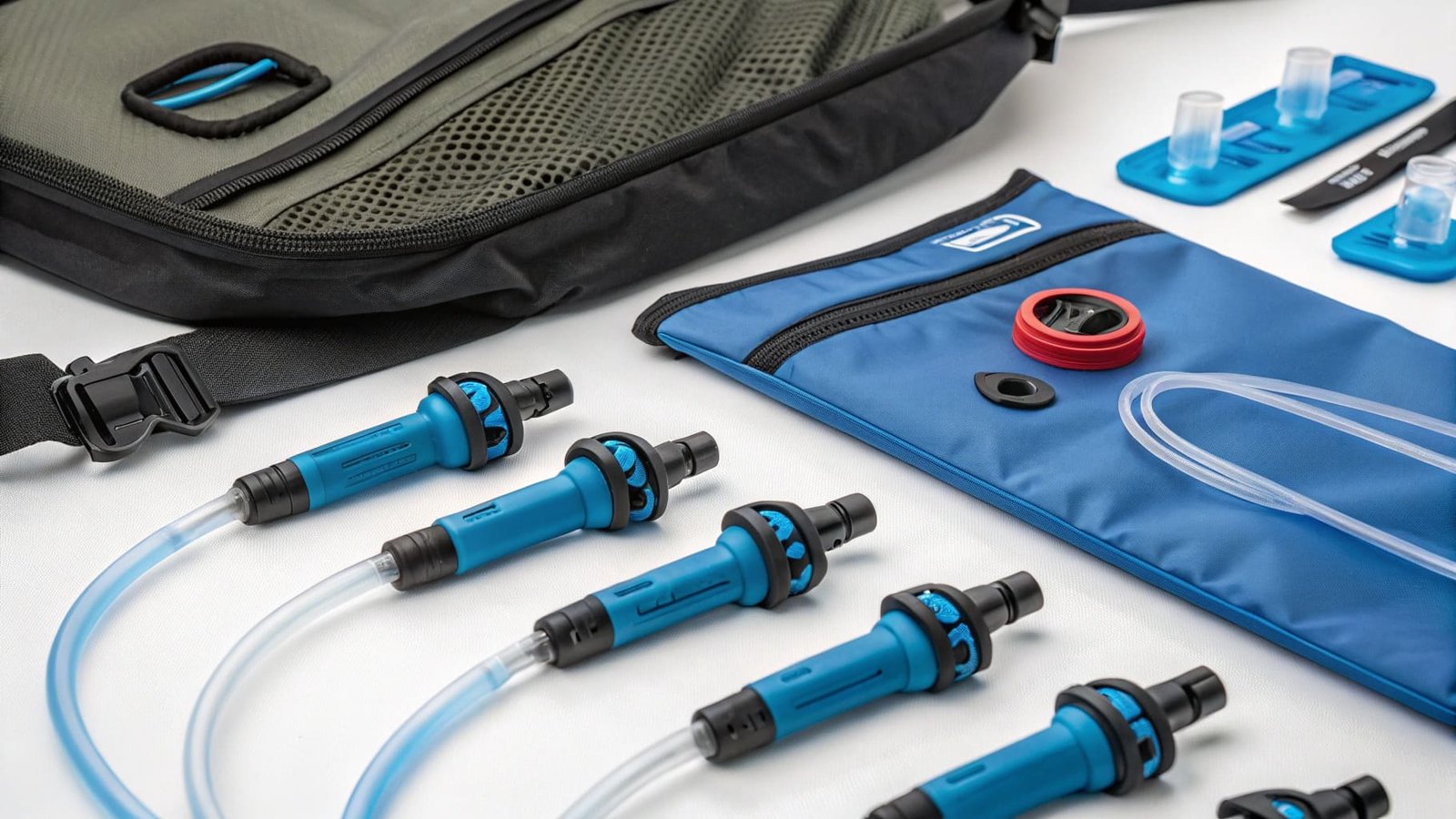
Understanding Gearlab Testing Criteria
Gearlab uses real-world testing protocols that mirror how end-users actually treat hydration systems. They test products in temperature extremes from freezing conditions to hot summer heat. The bite valve must perform consistently across these conditions. I now request temperature testing data from my suppliers before placing orders.
The flow rate test measures how much water passes through in a single draw. Modern outdoor enthusiasts expect fast hydration without excessive sucking effort. Gearlab found that top performers deliver 40-50ml per second. This matters because slower flow rates generate negative reviews. I once sourced bite valves that looked identical to premium brands but delivered only 25ml per second. The complaints started within weeks.
| Performance Metric | Industry Standard | Premium Standard |
|---|---|---|
| Flow Rate | 30-35 ml/sec | 40-50 ml/sec |
| Leak Test Cycles | 300 cycles | 500+ cycles |
| Temperature Range | 0°C to 40°C | -10°C to 50°C |
| Cleaning Compatibility | Basic soap | Vinegar + dishwasher safe |
Durability testing reveals manufacturing quality differences. Gearlab performs repeated bite cycles to simulate months of field use. I ask suppliers for their own cycle testing data. Manufacturers who cannot provide this data often produce inconsistent quality. The bite valve silicone must resist degradation from saliva, UV exposure, and cleaning chemicals. I have seen bite valves crack after just 30 days because the silicone formula was substandard.
What is a CamelBak bite valve?
The CamelBak design became the industry standard for good reason. I studied their patent documents to understand why customers specifically ask for this style. Your sourcing decisions need this technical knowledge.
A CamelBak bite valve2 uses a self-sealing silicone mechanism with an internal shut-off feature. You bite down to open water flow, then release to stop it automatically. This two-stage sealing system prevents leaks during transport while allowing immediate hydration access without manual operation.
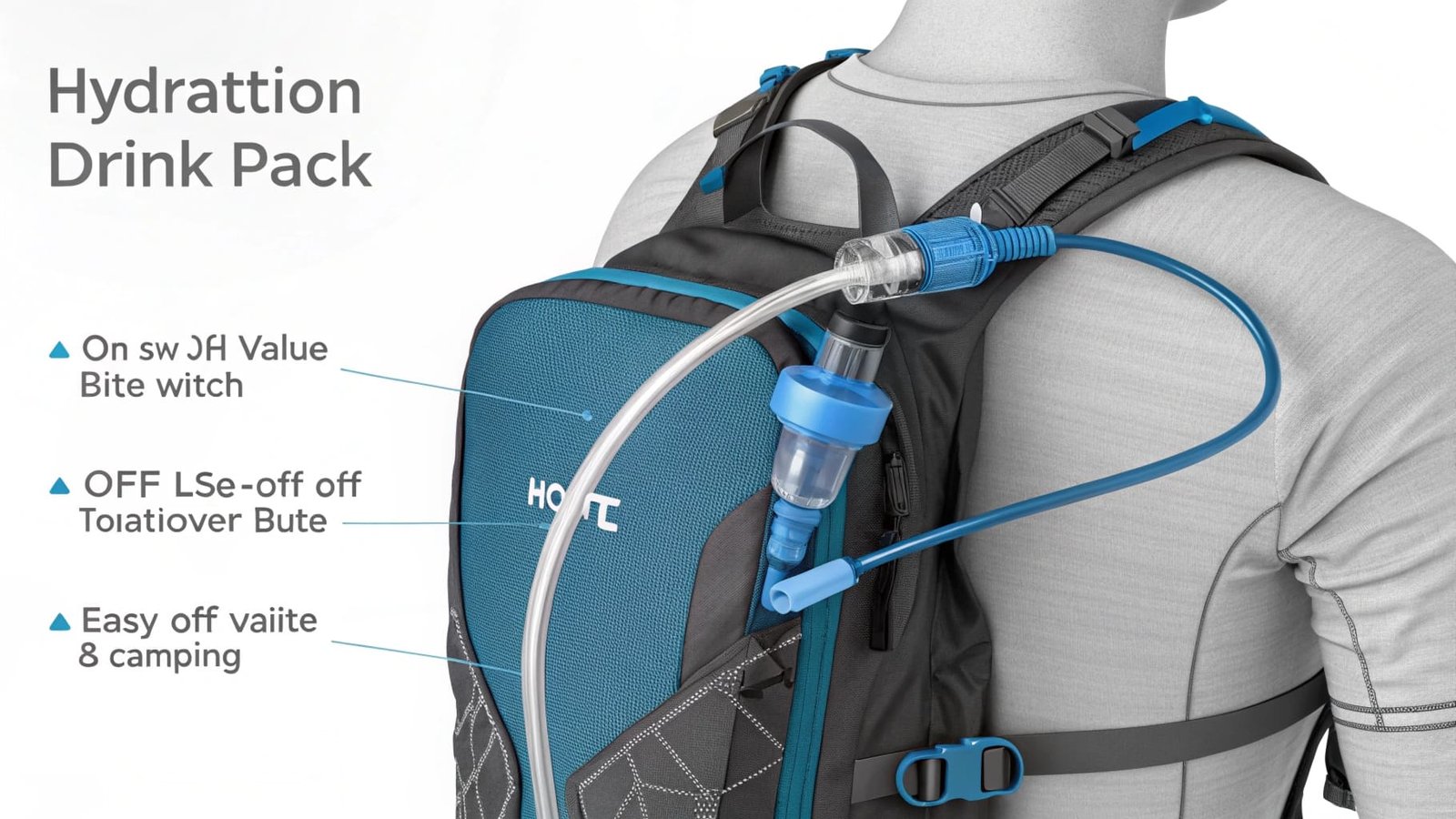
The Engineering Behind the Design
The CamelBak bite valve consists of three key components. The outer silicone bite piece contacts your teeth. The internal slit valve opens under bite pressure. The shut-off mechanism at the base prevents backflow. I once tried to source cheaper alternatives that looked similar but lacked the internal shut-off. The return rate hit 15% within two months.
The silicone durometer matters more than suppliers often admit. CamelBak uses 40-50 Shore A hardness for the bite piece. This provides the right balance between bite comfort and sealing force. Too soft and the valve leaks during backpack compression. Too hard and users complain about jaw fatigue. I learned this after ordering 500 units with 60 Shore A hardness. Customers said biting down felt like chewing on a tire.
The slit design in the valve body determines flow characteristics. CamelBak uses a cross-slit pattern that opens progressively under pressure. This creates smooth flow increase as you bite harder. Simple straight slits create on-off flow that feels jerky. I now specify cross-slit designs in all my supplier contracts. The manufacturing precision for this feature varies widely between factories.
Why This Design Dominates the Market
The self-sealing feature solves the biggest complaint in hydration systems. Users do not need to twist caps or push buttons to drink. This hands-free operation matters during cycling, running, or climbing. I sell to outdoor retailers who report that ease of use drives 60% of purchase decisions. The bite valve directly impacts that perception.
Replacement part availability creates recurring revenue opportunities. CamelBak's design became so common that third-party manufacturers produce compatible parts. This standardization helps your business. Customers know they can find replacements easily. I stock compatible bite valves as accessories. This generates 20% additional revenue from my existing customer base.
Can I use vinegar to clean my camelbak bladder?
Maintenance requirements directly affect your product reviews and return rates. I discovered this after customers complained about mold in bladders I sold. The cleaning method I recommended was too complicated.
Yes, vinegar effectively cleans hydration bladders and bite valves without damaging medical-grade silicone. Mix one part white vinegar with three parts water, fill the system, let it soak for 30 minutes, then rinse thoroughly. This method removes mineral deposits and kills bacteria while preserving silicone integrity.
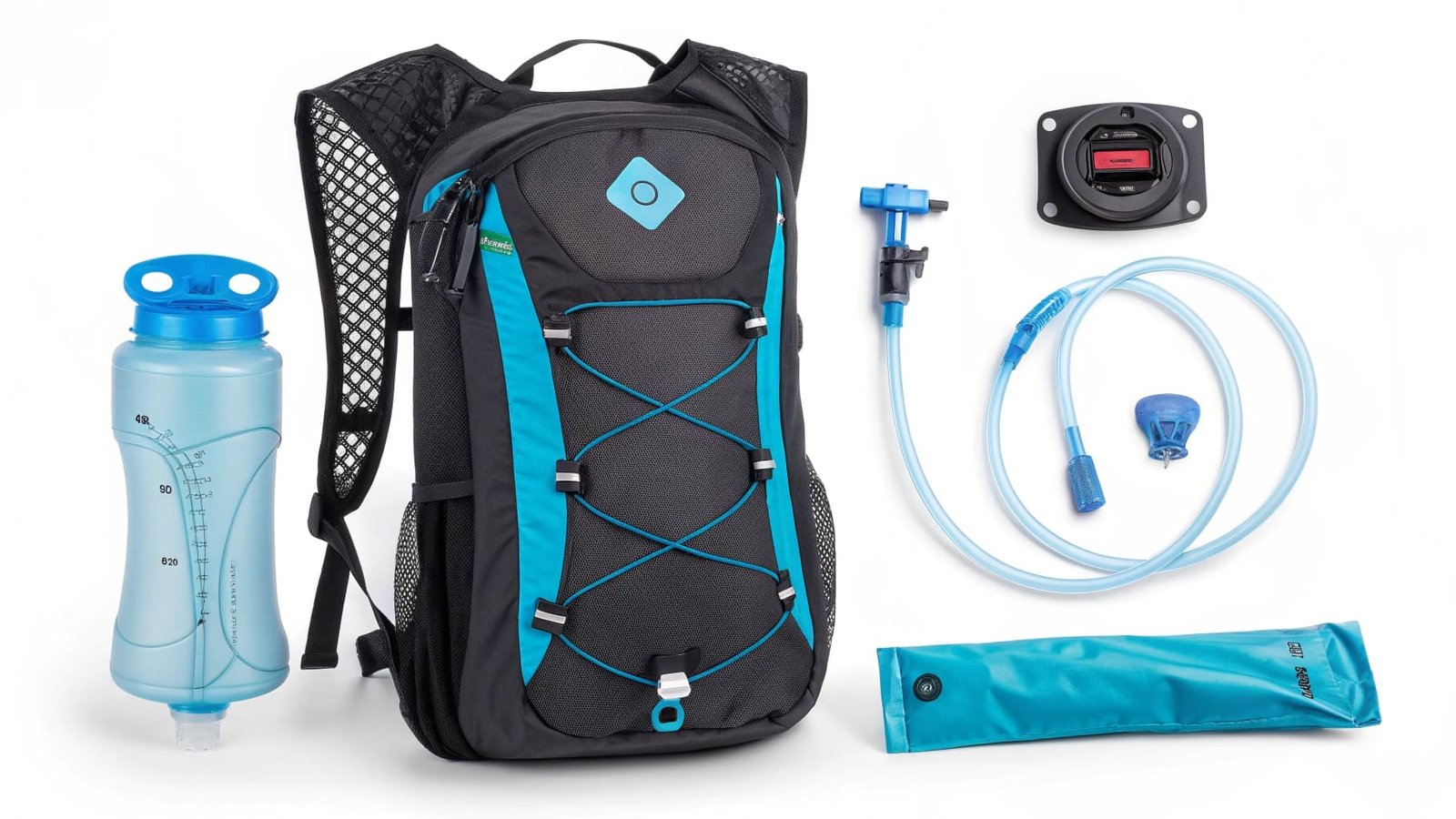
Why Vinegar Works for Silicone Products
Medical-grade silicone resists acidic solutions better than other plastics. The acetic acid in vinegar has a pH around 2.4, which disrupts bacterial cell walls without degrading silicone polymer chains. I tested this with my supplier's materials. We soaked samples in vinegar solution for 100 hours. The silicone showed no degradation in tensile strength or flexibility.
The key is proper rinsing after vinegar treatment. Residual vinegar can affect water taste. I recommend three full rinses with clean water. Some of my customers asked about using stronger acids like citric acid. I tested this and found that citric acid works equally well at similar concentrations. The advantage of vinegar is that every household has it.
Temperature during cleaning affects results. Room temperature vinegar solution works fine for regular maintenance. For stubborn mold or mineral buildup, warming the vinegar to 40°C improves cleaning effectiveness. I learned not to use boiling water though. High temperatures can deform some bite valve designs. I once ruined a test batch by using water above 70°C.
Creating a Maintenance Guide for Your Customers
I now include a simple cleaning card with every hydration bladder I sell. The card shows three cleaning methods ranked by frequency. Weekly rinse with warm soapy water keeps basic hygiene. Monthly vinegar soak prevents buildup. Deep cleaning after storage or visible mold uses baking soda plus vinegar.
This proactive approach cut my product complaints by 40%. Customers appreciate clear maintenance instructions. Many outdoor enthusiasts are not technical people. They want simple solutions using household items. The vinegar method meets this need perfectly. I emphasize this cleaning ease in my product descriptions.
The bite valve needs special attention during cleaning. The slit valve traps bacteria if not properly cleaned. I recommend removing the bite valve from the tube during monthly cleaning. Soak it separately in the vinegar solution. Use a small brush to clean the slit area. This extra step prevents the musty taste that customers complain about.
Conclusion
Choose bite valves based on flow rate, leak prevention, and maintenance ease. These three factors determine your warranty costs and customer satisfaction. I source only from suppliers who provide testing data for these metrics.