Best Lid Gasket Replacements for FDA-Compliant OEM Tumbler Production
You ordered 10,000 tumblers. Your customer reported leaking lids after two weeks. Your reputation took a hit, and returns flooded in. This happens when gasket quality gets overlooked.
FDA-compliant lid gasket replacements1 use platinum-cured silicone meeting 21 CFR 177.2600 standards. They maintain seal integrity through repeated compression cycles, resist beverage chemicals, and prevent contamination. These gaskets protect your brand reputation while ensuring consumer safety.
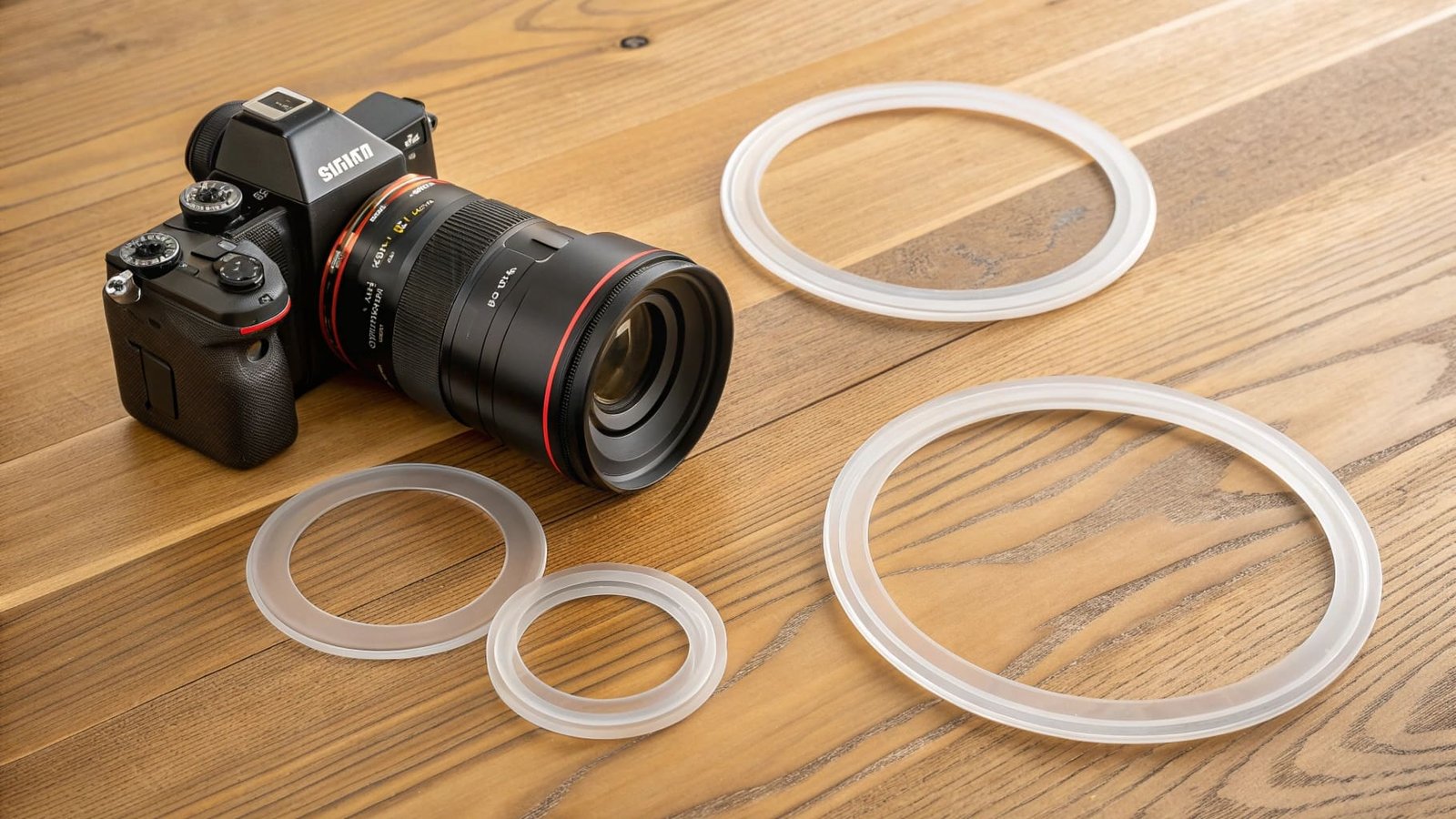
I run silijoy, and I've watched many buyers struggle with gasket failures. The wrong material choice costs you more than just replacement parts. It damages customer trust and your market position. Let me share what I've learned from years of working with OEM tumbler manufacturers.
What Elastomeric Material Used as Gasket is Excellent for Recovery Properties?
Your gaskets compress thousands of times during normal use. Poor recovery means leaks start within weeks. Your customers notice, and they remember.
Silicone rubber offers superior recovery properties with compression set values below 25% after prolonged use. It maintains seal integrity from -60°C to 200°C, outperforming EPDM or neoprene which deteriorate beyond 30-40% under similar conditions.
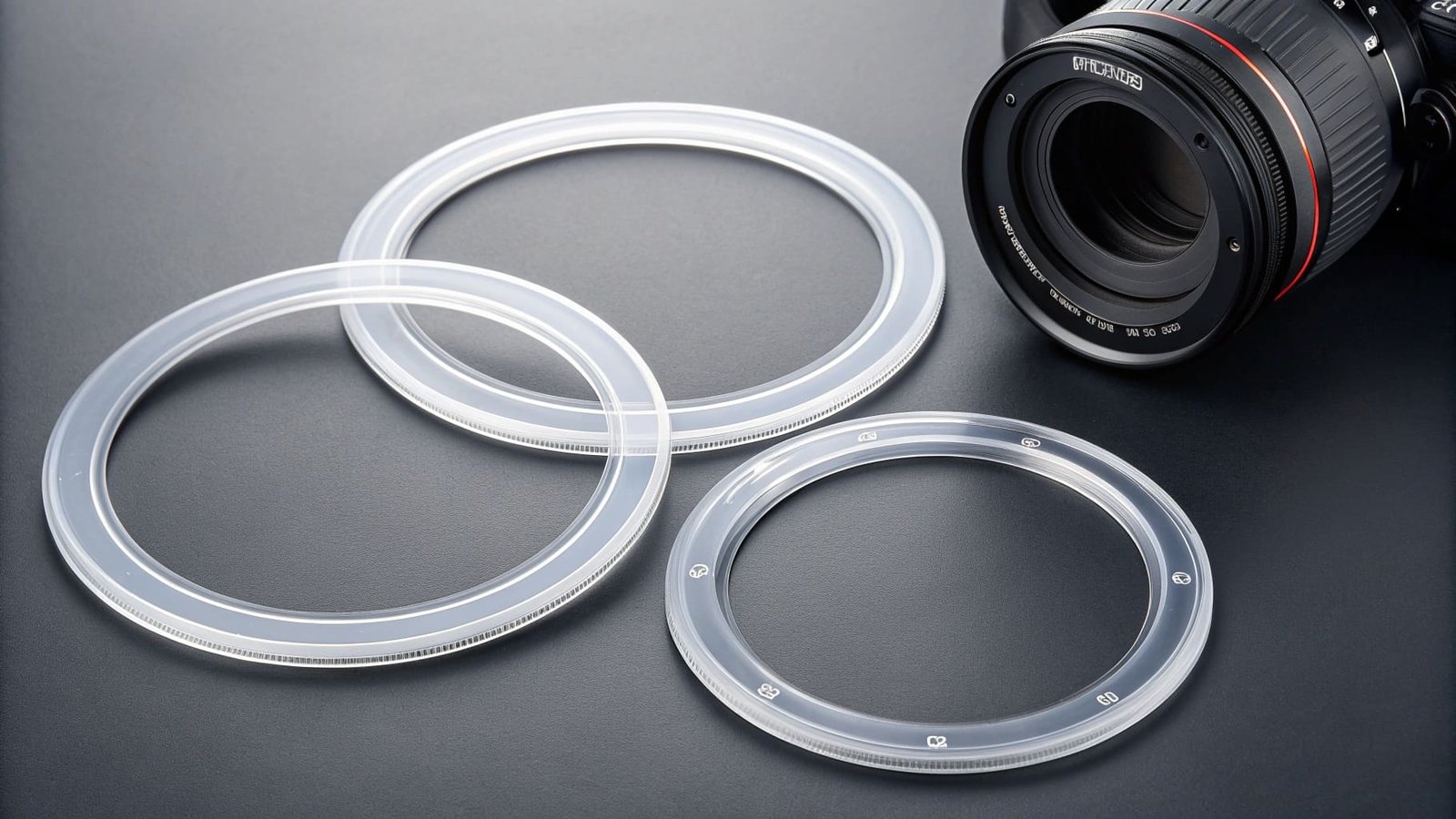
Understanding Compression Set and Recovery
Recovery property gets measured through compression set testing. I explain this to my clients using a simple concept. You squeeze the gasket. It should bounce back to its original shape. If it stays compressed, your seal fails.
I test all our silicone gaskets under real-world conditions. We compress them repeatedly at different temperatures. The results show why silicone beats other materials.
| Material Type | Compression Set (%) | Temperature Range | Recovery Time |
|---|---|---|---|
| Silicone Rubber | Below 25% | -60°C to 200°C | Immediate |
| EPDM | 30-40% | -40°C to 150°C | 2-3 seconds |
| Neoprene | 35-45% | -30°C to 120°C | 3-5 seconds |
| Nitrile | 40-50% | -30°C to 100°C | 5-8 seconds |
Why Recovery Matters for Your Bottom Line
I had a client from Toronto last year. He bought cheaper EPDM gaskets to save money. Three months later, he came back. His return rate hit 15%. The gaskets lost their shape after hot beverage exposure. He ended up spending three times more fixing the problem.
Silicone gaskets cost more upfront. They save you money over time. Your customers use tumblers daily. They fill them with hot coffee, cold juice, acidic drinks. The gasket faces constant stress. Only materials with excellent recovery properties survive this use.
What Rubber is FDA Approved?
You sell to American and European markets. FDA compliance2 becomes mandatory, not optional. One non-compliant batch can shut down your entire operation.
FDA-approved rubbers include silicone formulated to meet 21 CFR 177.2600 and certain EPDM formulations. Platinum-cured silicone remains the gold standard for direct food contact in tumbler manufacturing without requiring additional surface treatments.
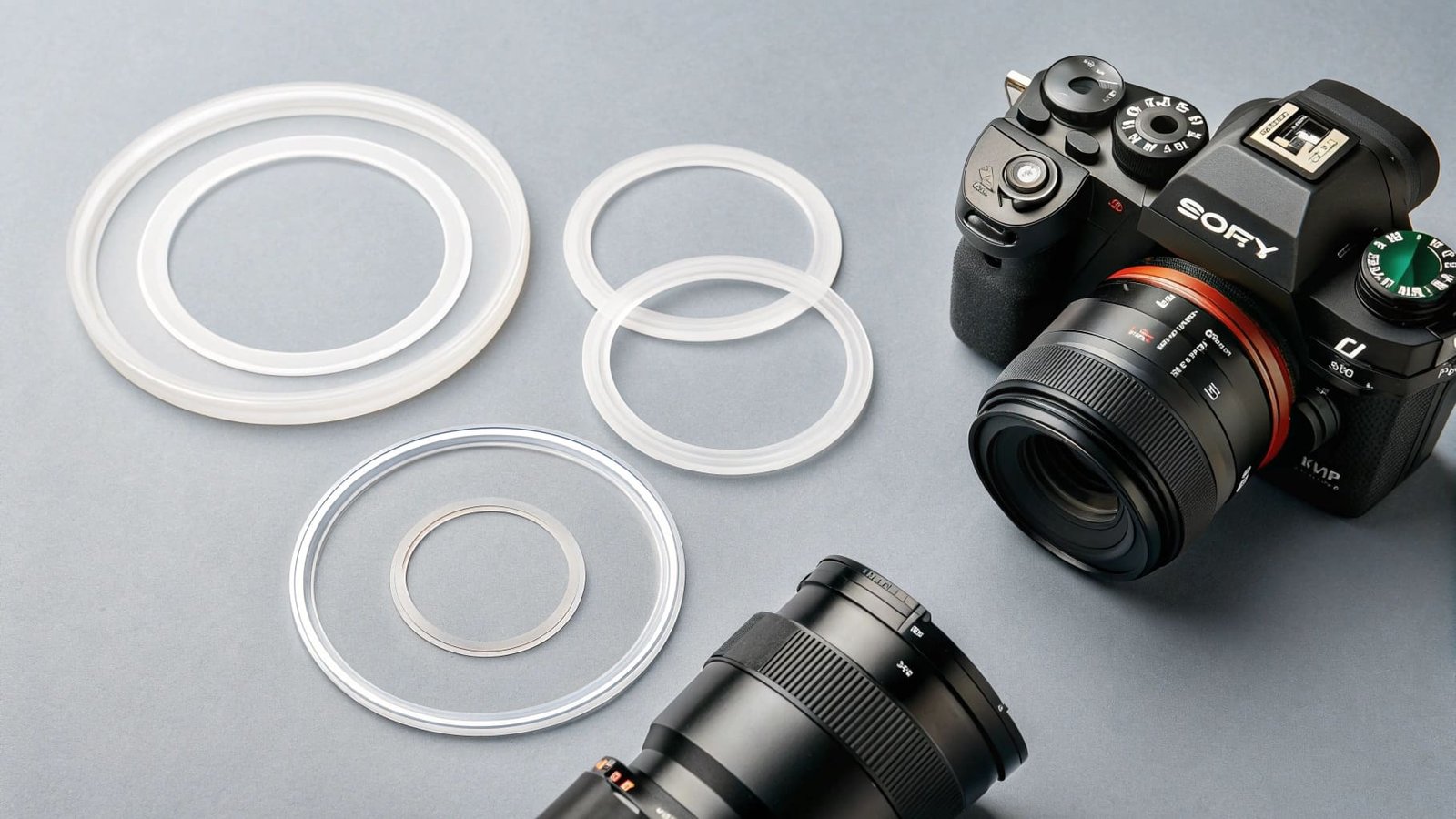
Breaking Down FDA Compliance Requirements
The FDA sets strict rules for materials touching food and beverages. I work directly with manufacturers who supply to major North American retailers. They all demand the same thing: certified compliance documentation.
Platinum-cured silicone gets made through a specific process. It uses platinum catalysts instead of peroxide. This matters because peroxide-cured materials can leave residues. These residues sometimes migrate into beverages. Platinum-cured silicone avoids this problem entirely.
| Approval Type | Silicone (LSR) | EPDM | Other Rubbers |
|---|---|---|---|
| FDA 21 CFR 177.2600 | Yes | Limited formulations | No |
| Direct food contact | Yes | Requires testing | No |
| Migration testing required | Minimal | Extensive | Not applicable |
| Certification cost | Low | Medium-High | N/A |
Real Consequences of Non-Compliance
I remember a buyer from California. He sourced gaskets from a supplier who claimed FDA compliance. He never verified the certificates. His first shipment got held at customs. The testing showed non-compliant additives. He lost the entire order plus faced legal fees.
I always provide third-party certification with every batch. The certificates come from accredited labs. They test for migration, toxicity, and material composition. This documentation protects both of us. You can show it to customs, to retailers, to end customers.
What is the Best Chemical Resistant Gasket Material?
Your tumblers hold different beverages. Coffee, energy drinks, juice, protein shakes. Each one attacks gaskets differently. The wrong material swells, cracks, or breaks down.
Silicone rubber provides optimal balance for typical tumbler scenarios with superior resistance to hot water, weak acids, alkaline beverages, and oxidizing agents. It maintains integrity where nitrile or natural rubber would swell or degrade under beverage exposure.
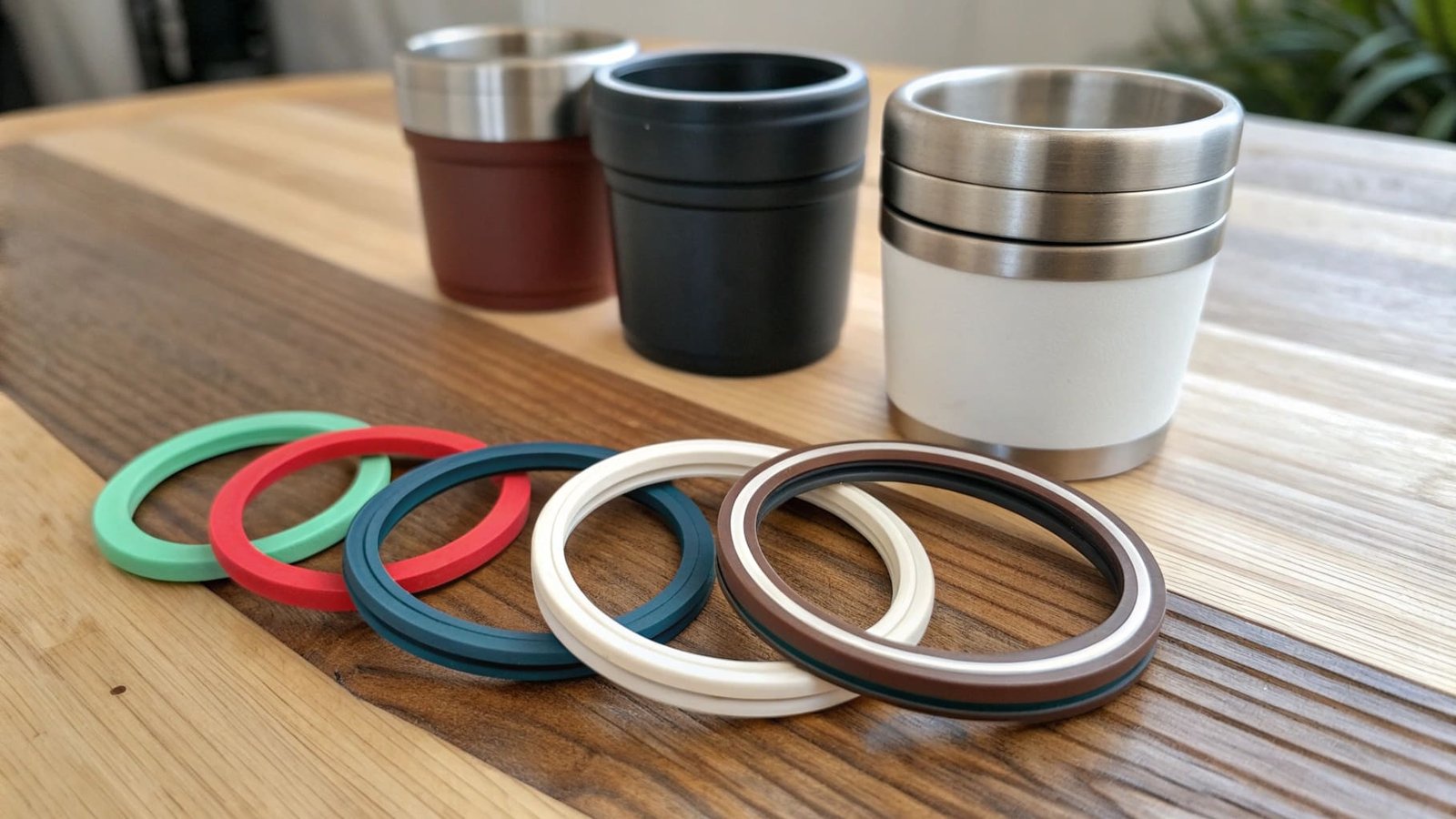
Matching Material to Beverage Type
I've tested our silicone gaskets against every common beverage type. The results guide my recommendations to clients. Hot coffee at 85°C, acidic orange juice at pH 3.5, alkaline sports drinks at pH 9. Silicone handles them all.
Different rubber types react differently to chemicals. I break this down into practical categories:
| Beverage Category | Silicone | EPDM | Nitrile | Natural Rubber |
|---|---|---|---|---|
| Hot coffee (85°C) | Excellent | Good | Poor | Poor |
| Citrus juice (acidic) | Excellent | Fair | Good | Poor |
| Sports drinks (alkaline) | Excellent | Good | Fair | Fair |
| Protein shakes (oils) | Good | Poor | Excellent | Poor |
| Alcoholic beverages | Excellent | Fair | Poor | Poor |
Cleaning Protocol Compatibility
The chemical resistance extends beyond beverages. Your customers clean their tumblers. They use dishwashers, harsh detergents, bleach solutions. The gasket must survive this too.
I test compatibility with common cleaning agents. Regular dish soap, chlorine bleach at 5% concentration, commercial sanitizers. Silicone maintains its properties after 1000+ wash cycles. Other materials start degrading after 200-300 cycles.
One of my regular buyers runs a corporate gift company. They print logos on tumblers for Fortune 500 companies. Their clients expect tumblers to last years, not months. They specify platinum-cured silicone3 gaskets exclusively. The chemical resistance means fewer warranty claims and stronger client relationships.
Technical Considerations for OEM Selection
You need to match three factors: beverage type, cleaning method, and expected lifespan. I help buyers create a material matrix. Hot beverage tumblers with daily dishwasher use? Platinum-cured silicone becomes the only viable choice. Cold beverage bottles with hand washing? You might consider other options.
The broader compatibility range of silicone simplifies your inventory. You don't need different gasket materials for different tumbler lines. This reduces your supplier management complexity and minimum order quantities. It streamlines your quality control process too.
Conclusion
FDA-compliant silicone gaskets protect your OEM tumbler production through superior recovery properties, verified safety compliance, and broad chemical resistance. These three factors determine your product success and customer satisfaction.
-
Explore this link to understand the importance of FDA compliance in gasket replacements for ensuring safety and quality. ↩
-
This resource explains the significance of FDA compliance for manufacturers in the food industry. ↩
-
Learn about platinum-cured silicone's advantages in gasket manufacturing and why it's preferred for food contact. ↩