Best Reusable Silicone Mug Covers for Food Service Bulk Orders in Europe
Finding reliable reusable silicone mug covers for European food service feels impossible. Every supplier claims their products are food-grade, but how do you really know? One wrong choice can destroy your entire business reputation.
For bulk orders in Europe, you need silicone mug covers that meet EU Regulation 1935/2004 and EU 10/2011 standards. These covers must be 100% platinum-cured silicone1, free from BPA, phthalates, and lead, with proper LFGB certification from German laboratories to guarantee safety compliance.
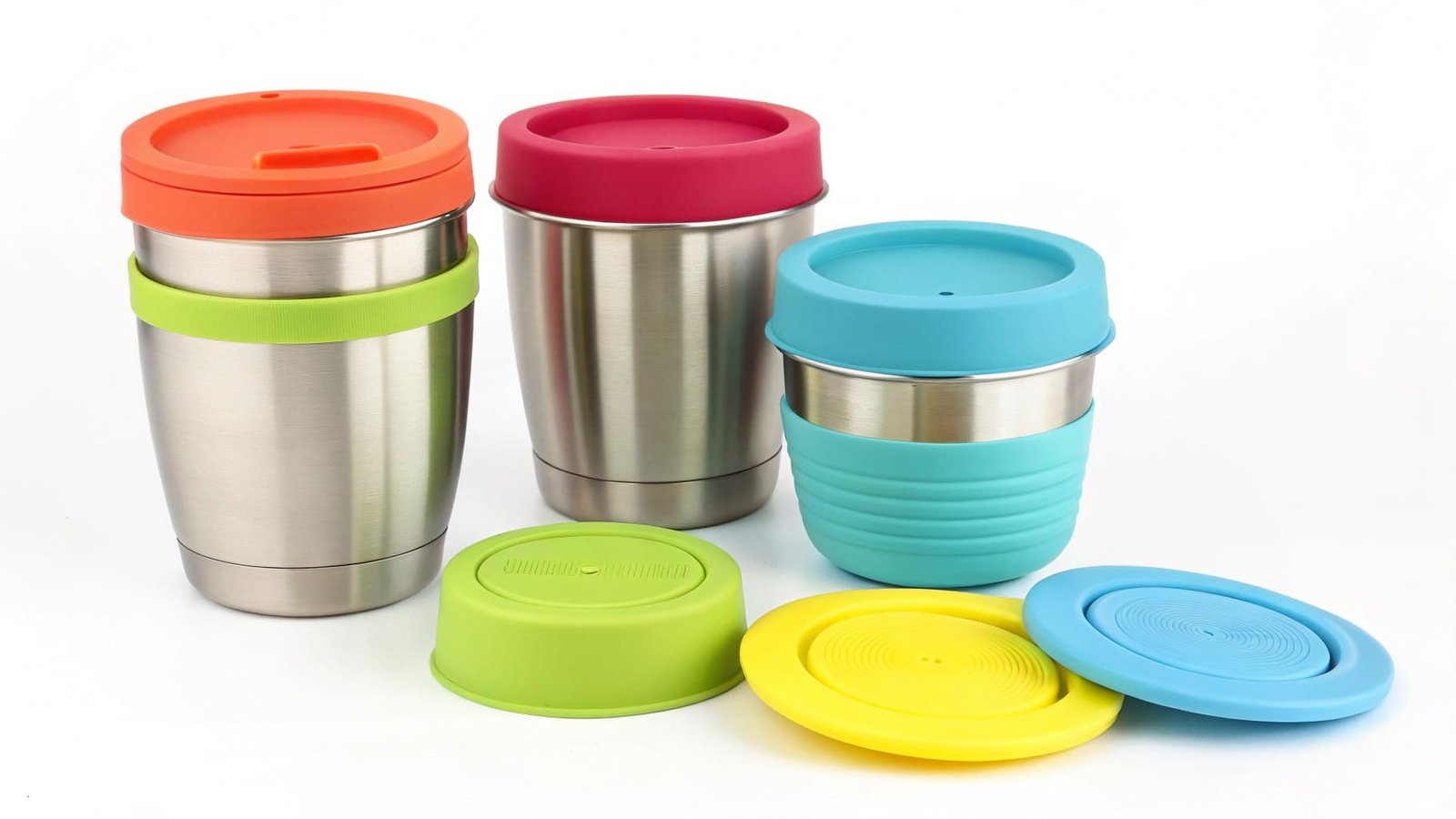
I have worked with hundreds of European buyers over the past decade. Most of them share the same frustration. They order a container of silicone products, only to discover at customs that the certifications are fake or incomplete. The shipment gets held up. Peak season passes. Money is lost. I understand this pain because I see it happen too often. This article will show you exactly what to look for when placing bulk orders for the European market. No fluff. Just practical steps that protect your business.
Which silicone is food grade?
You open a supplier catalog and see dozens of silicone options. They all look identical. Which one actually meets food-grade standards? This confusion costs you time and money with every wrong decision you make.
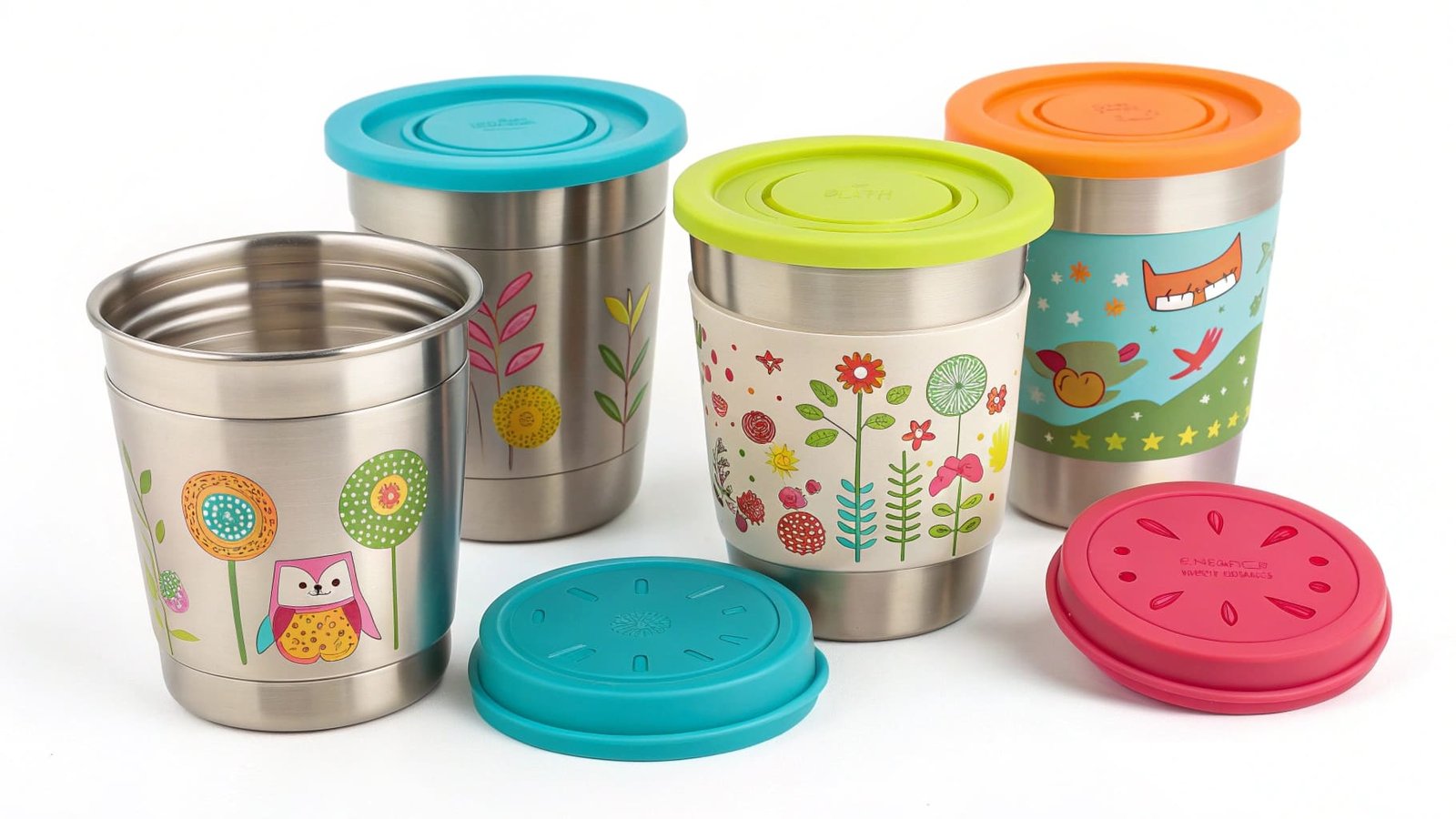
Food-grade silicone is platinum-cured silicone made from 100% pure silicone polymer without fillers or additives. It must comply with FDA standards and EU Regulation 1935/2004 for direct food contact. This type resists temperatures from -40°C to 230°C without releasing harmful chemicals.
What makes silicone truly food-grade?
The manufacturing process determines everything. Two main curing methods exist: platinum-curing and peroxide-curing. Most suppliers use peroxide-curing because it costs less. But this method leaves chemical residues that can migrate into food and beverages. Platinum-curing produces a cleaner, more stable material.
I always ask suppliers about their curing process first. Many give vague answers. Some lie outright. When a supplier cannot explain the difference between platinum and peroxide curing, I walk away immediately. You should too.
| Curing Method | Safety Level | Temperature Range | Cost | Food Contact Suitability |
|---|---|---|---|---|
| Platinum-Curing | High | -40°C to 230°C | Higher | Excellent for repeated use |
| Peroxide-Curing | Medium | -20°C to 200°C | Lower | Limited food contact only |
European regulations demand platinum-cured silicone for any product that touches food repeatedly. This includes mug covers used in cafes, restaurants, and catering services. The regulation exists for good reason. Peroxide-cured materials break down faster and release substances that fail migration tests.
How to tell if your silicone is food grade?
Your container arrives at the port. The supplier sent documents that look official. But documents can be forged. How do you verify the actual product quality before distribution? This question keeps many buyers awake at night.
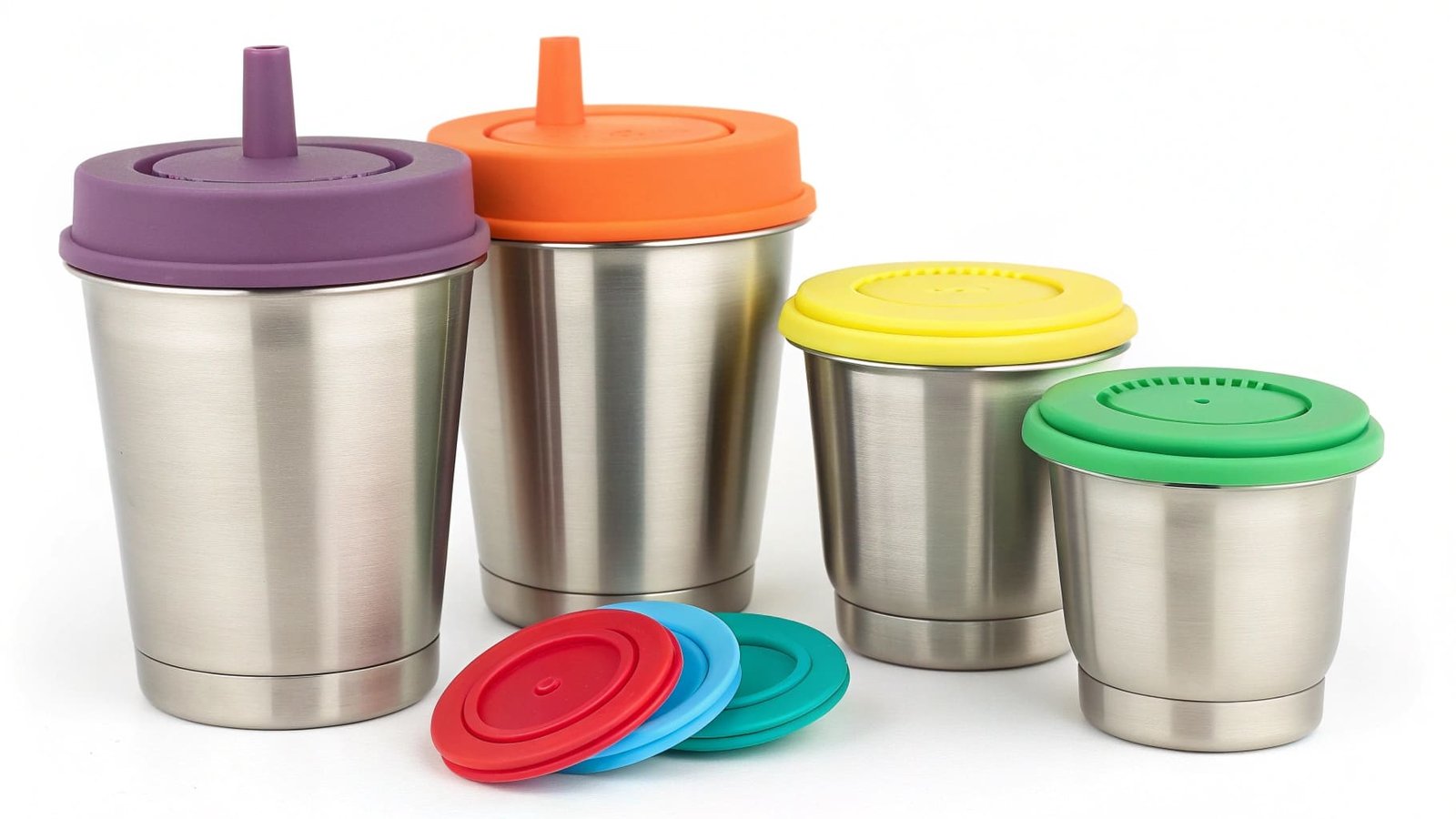
Perform three simple physical tests: twist the silicone hard and check for white marks or powder residue; smell it for any strong chemical odor; stretch it and see if it returns to original shape. Food-grade silicone passes all three tests without leaving residue, emitting odor, or deforming permanently.
Practical verification methods for bulk orders
I learned these tests the hard way. In my early years, I trusted supplier documents completely. Then I had a client in Germany whose entire shipment failed local testing. The silicone mug covers contained prohibited fillers. My client lost €45,000. I nearly lost my business reputation. That experience taught me to verify everything myself before shipping.
Here is my personal checklist that I use for every bulk order:
Visual inspection
Take samples from different boxes, not just the top layer. Hold them up to strong light. Pure silicone appears slightly translucent. If the material looks completely opaque or has visible particles, it probably contains fillers like calcium carbonate or talc powder.
Flame test
This test reveals material composition quickly. Cut a small piece and burn it with a lighter. Food-grade silicone turns white ash and does not produce black smoke. Non-food-grade silicone2 with fillers produces black smoke and leaves black residue. The ash should crumble to powder, not form sticky residue.
Documentation verification
Request original test reports, not photocopies. Contact the testing laboratory directly to verify the report number. I keep a list of accredited European laboratories. LFGB certification must come from recognized German testing institutes like TÜV or SGS Germany. Many suppliers show me LFGB certificates from unknown labs in China. Those certificates mean nothing in European customs.
Third-party testing
For large orders above 10,000 units, I always pay for independent testing. It costs around $800-1200 per test, but this investment protects orders worth tens of thousands of dollars. Send samples to European labs before production completes. This catches problems early when you can still make changes or cancel orders.
What is 100% food grade silicone?
Suppliers throw around the term "100% food-grade silicone3" constantly. You see it on every product page and quotation. But what does this percentage actually mean? Many buyers assume all food-grade silicone is the same. This assumption leads to expensive mistakes.
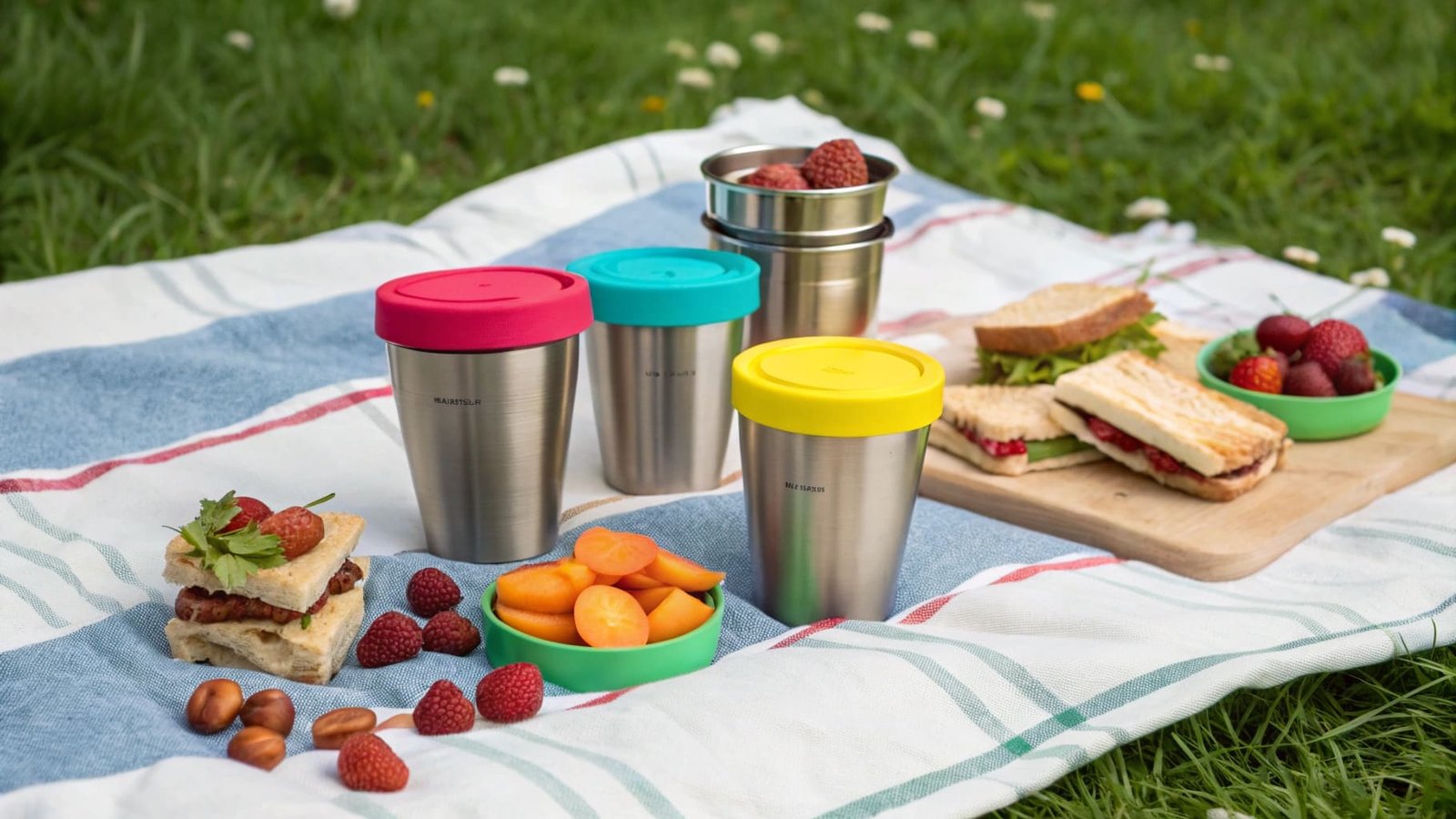
100% food-grade silicone means platinum-cured silicone made entirely from pure silicone polymer without any fillers, plasticizers, or petroleum-based additives. It must pass migration testing under EU 10/2011 standards, proving no harmful substances transfer to food or beverages during normal use conditions.
Understanding material composition for European compliance
The European market operates differently than other regions. Buyers there understand material science better and ask detailed technical questions. I remember my first large order to France in 2015. The procurement officer requested complete polymer analysis reports and wanted to know the exact platinum catalyst concentration. I had no idea what he meant.
That experience pushed me to learn material science properly. Now I can answer these questions confidently. Let me break down what "100%" really means in technical terms.
Pure silicone polymer base
The main ingredient must be polydimethylsiloxane (PDMS), which forms the silicone structure. Some manufacturers mix this with cheaper polymers or add mineral fillers to reduce costs. These additions might still allow the product to be called "silicone," but it cannot be called "100% food-grade silicone."
Platinum catalyst content
Platinum-curing uses platinum compounds to create cross-linking between polymer chains. The catalyst amount matters. Too little platinum means incomplete curing and potential chemical residue. Quality manufacturers use 8-12 ppm of platinum catalyst. Below this range, the silicone might not meet safety standards.
Zero filler policy
Authentic 100% food-grade silicone contains zero fillers. No calcium carbonate. No silica powder. No color pigments derived from heavy metals. These fillers increase weight and reduce cost per unit but compromise food safety. European regulations specifically prohibit certain fillers in food-contact materials.
| Material Component | 100% Food-Grade Silicone | Standard Silicone |
|---|---|---|
| PDMS Polymer | 99.5% minimum | 60-85% |
| Platinum Catalyst | 8-12 ppm | May use peroxide |
| Fillers | 0% | Up to 40% |
| Plasticizers | 0% | Often present |
| Heavy Metal Content | Below 1 ppm | Not controlled |
Testing requirements
100% food-grade certification requires passing multiple tests. Migration testing simulates real-world usage by soaking the silicone in food simulants (like 3% acetic acid or 95% ethanol) at elevated temperatures for days. Labs measure what substances transfer into the liquid. The results must show zero migration of harmful chemicals.
For mug covers specifically, testing must include hot water exposure at 100°C for extended periods. This simulates coffee, tea, or soup applications. The silicone must maintain its properties without degradation, color change, or chemical release.
I always ask suppliers for complete test reports covering all simulants required by EU 10/2011. If they only provide one basic test report, the certification is probably incomplete. European customs increasingly checks these details, especially for food service products entering through German or Dutch ports.
Conclusion
Securing safe, certified reusable silicone mug covers for European food service requires careful supplier verification, proper documentation, and understanding of platinum-cured silicone standards. Skip these steps and you risk customs delays, safety failures, and reputation damage.