Best Rubber Gasket Seal Strips for Food-Grade Tumbler Lids in North America
You buy thousands of tumbler lids from China. Your customers complain about leaking. The problem is usually the gasket seal strip quality.
The best rubber gasket seal strips for tumbler lids in North America must meet FDA 21 CFR 177.2600 standards. Food-grade silicone offers superior durability and temperature resistance compared to standard rubber materials. Look for suppliers who provide third-party testing certificates1.
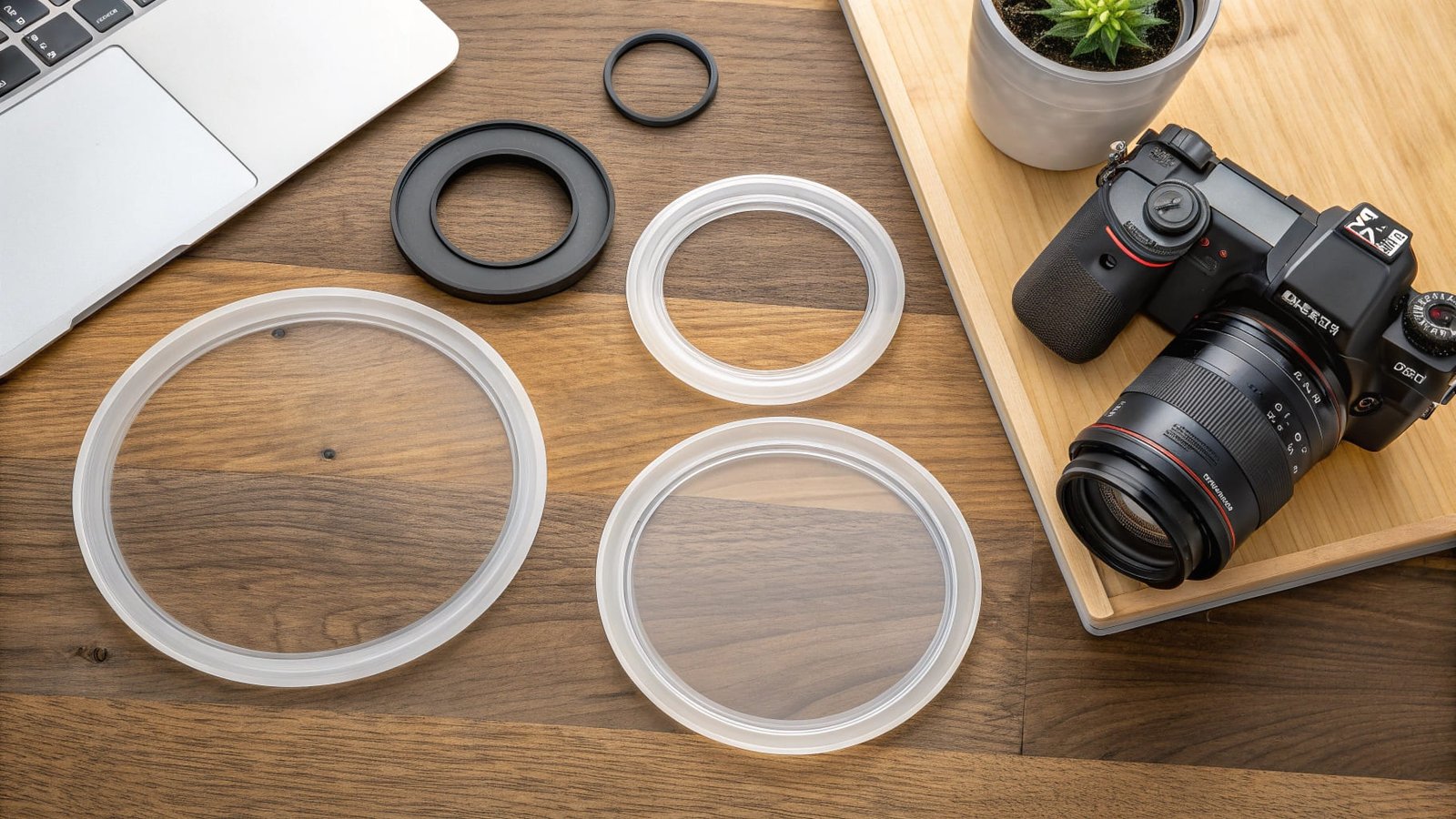
I talk to North American buyers every week. Most of them make the same mistake when choosing gasket seals. They focus only on price and forget about safety standards. This approach costs them more money later when products fail or get rejected at customs.
Are all silicone O-rings food safe?
Your supplier says their silicone O-rings are food safe. You receive the shipment and find no proper certification. Now your inventory is worthless.
No. Not all silicone O-rings2 are food safe. Industrial-grade silicone contains harmful additives and fillers that can migrate into beverages. Only materials with proper food-grade certification should contact consumable products.
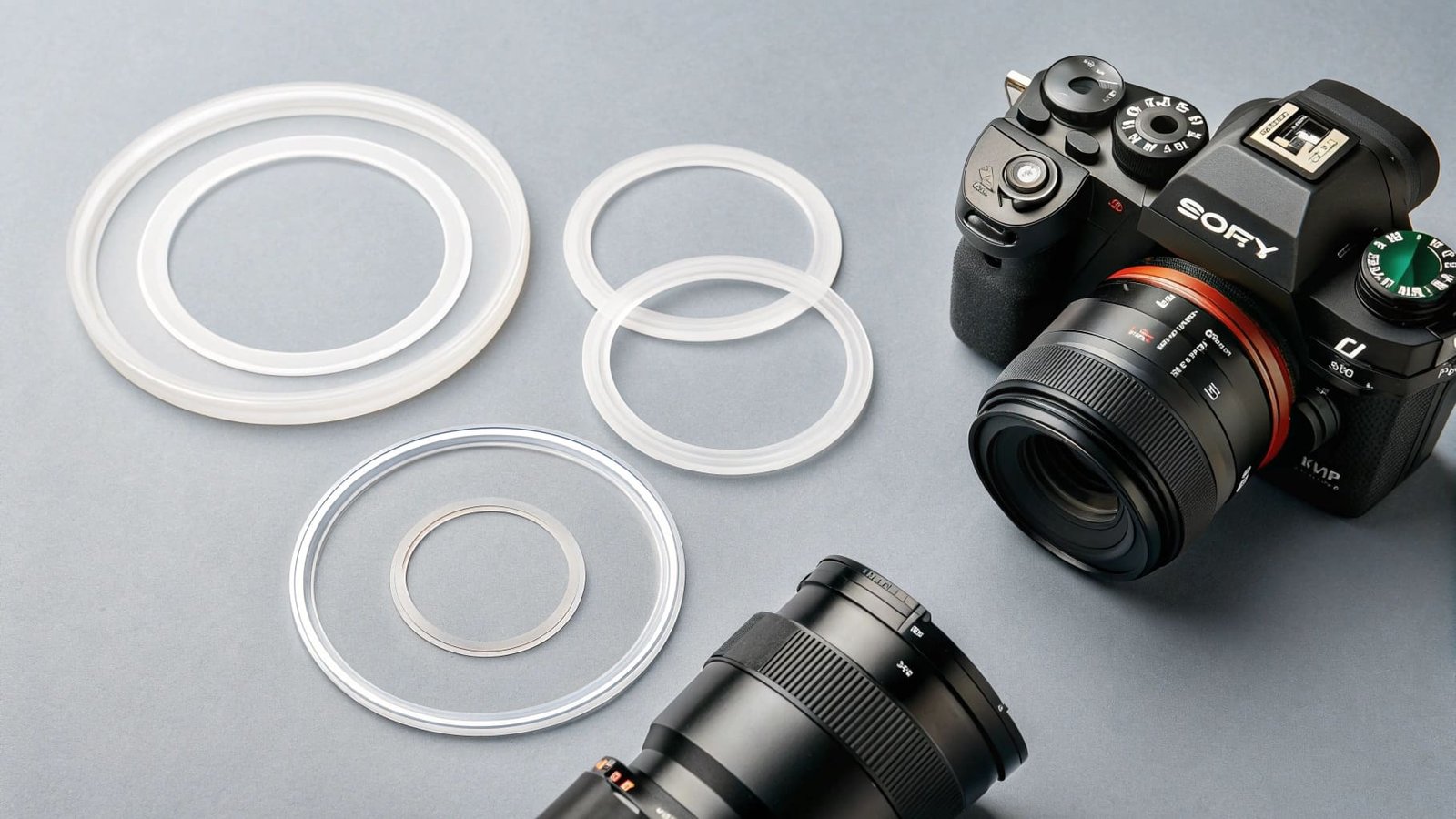
I learned this lesson five years ago. A buyer from Toronto ordered 50,000 silicone seal rings from another supplier. The supplier claimed food-grade quality. The buyer trusted them without checking certificates. When the shipment arrived, Canadian customs stopped it. The O-rings failed food safety testing. The buyer lost the entire investment and missed his peak sales season.
Standard industrial silicone uses plasticizers to reduce manufacturing costs. These plasticizers can leach into hot or acidic beverages. Food-grade silicone eliminates these risky additives. The manufacturing process for food-grade silicone3 requires stricter quality controls and pure raw materials.
| Material Type | Contains Additives | Food Contact Safe | Price Point |
|---|---|---|---|
| Industrial Silicone | Yes | No | Low |
| Medical Silicone | Minimal | Sometimes | High |
| Food-Grade Silicone | No | Yes | Medium-High |
| Standard Rubber | Yes | No | Very Low |
You need to verify three things before placing an order. First, ask for FDA certification documents. Second, request third-party lab test reports showing migration testing results. Third, check if the supplier maintains consistent quality control records4. I always send these documents to my buyers before production starts.
What are silicone O-rings for?
Your tumbler lids leak after three washes. Customers return them. Your brand reputation suffers because the O-rings failed their basic job.
Silicone O-rings create a watertight seal between the tumbler lid and the cup rim. They prevent liquid leakage during transport and maintain thermal insulation. Quality O-rings withstand repeated washing cycles and temperature changes.
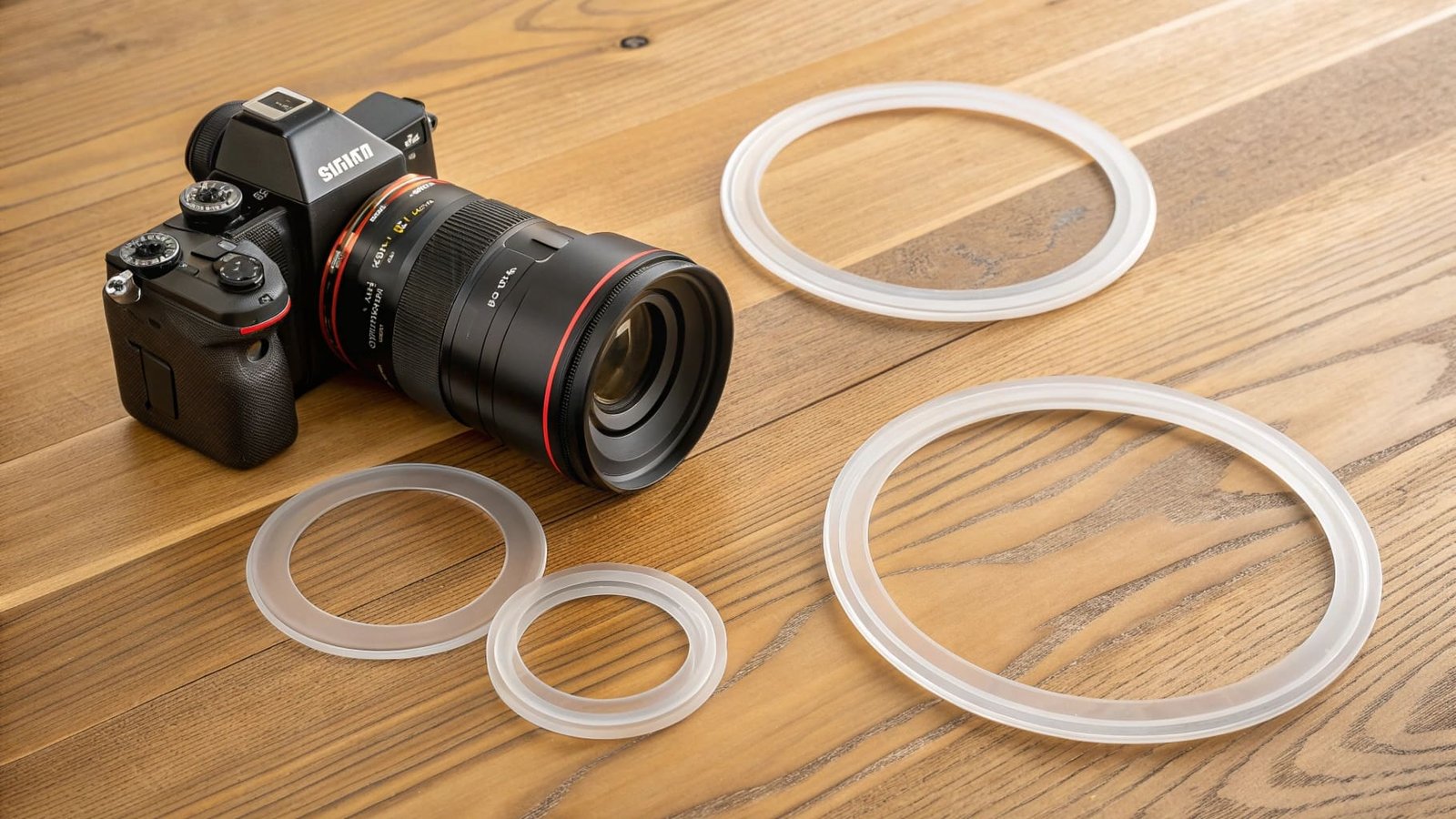
The primary function of silicone O-rings is compression sealing. When you screw or press the lid onto the tumbler, the O-ring compresses against the rim. This compression fills microscopic gaps and creates a barrier that stops liquid flow. The seal quality depends on the O-ring's hardness, thickness, and compression ratio.
Temperature resistance matters significantly for tumbler applications. Your customers fill tumblers with hot coffee at 200°F or ice water at 32°F. The O-ring must maintain its sealing properties across this range. Food-grade silicone typically handles temperatures from -40°F to 446°F without degrading.
| Function | Standard Rubber | Food-Grade Silicone | Performance Difference |
|---|---|---|---|
| Leak Prevention | Moderate | Excellent | 40% better seal |
| Temperature Range | -10°F to 180°F | -40°F to 446°F | 3x wider range |
| Dishwasher Cycles | 50-100 | 500+ | 5x longer life |
| Chemical Resistance | Poor | Excellent | Resists acids/oils |
I remember a buyer from Vancouver who switched to cheaper rubber gaskets to save 30 cents per unit. Three months later, customers complained about coffee stains on car seats and bags. The rubber gaskets lost elasticity after 10 wash cycles. The buyer spent three times the savings on customer refunds and lost future orders. Quality O-rings prevent these problems.
Is there a difference between silicone and food grade silicone?
You found a supplier offering silicone O-rings at half the market price. They claim food-grade quality but refuse to share test reports. Something feels wrong.
Yes. The difference is significant. Food-grade silicone undergoes strict manufacturing controls and contains no harmful additives. Standard silicone may include fillers, plasticizers, or chemicals that are unsafe for prolonged food contact.
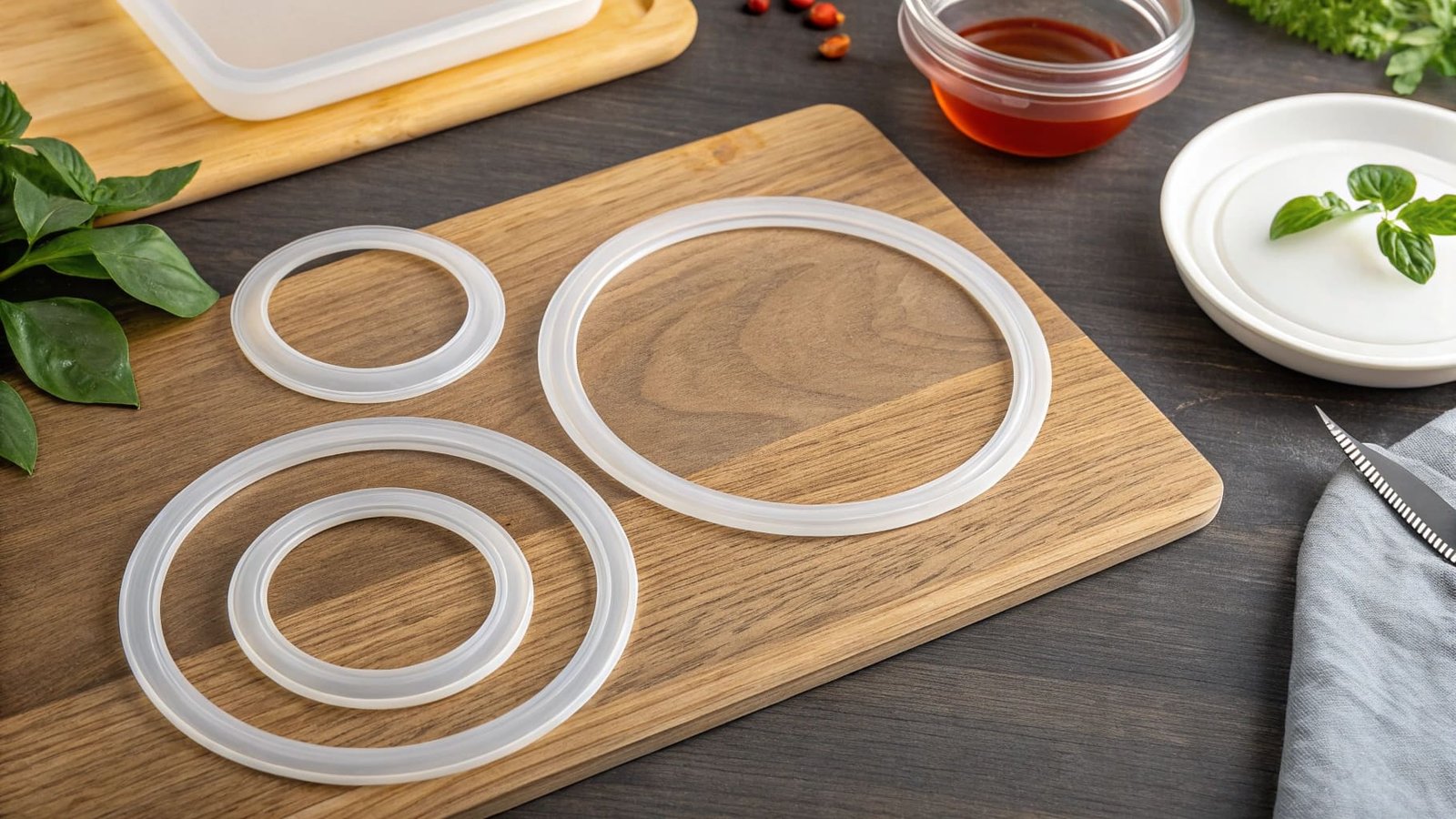
The raw material composition5 separates food-grade from standard silicone. Food-grade silicone uses high-purity platinum-cured or peroxide-cured silicone rubber. These curing processes leave no toxic residues. Standard silicone often uses cheaper curing agents that leave chemical traces. These traces can migrate into beverages, especially with hot liquids or acidic drinks.
Regulatory compliance defines food-grade status. In North America, food-grade silicone must meet FDA 21 CFR 177.2600 regulations. This requires migration testing where the silicone contacts food simulants under extreme conditions. The test measures if any substances leach from the material. European buyers also check for LFGB certification. Standard silicone skips these expensive compliance tests.
| Specification | Standard Silicone | Food-Grade Silicone |
|---|---|---|
| Curing Method | Varied, may use cheap agents | Platinum or peroxide only |
| FDA Testing | Not required | Mandatory |
| Raw Material Purity | 80-90% | 98%+ |
| Migration Testing | Skipped | Required |
| Price per 1000 units | 50-80 USD | 120-180 USD |
| Shelf Life | 1-2 years | 3-5 years |
I work with buyers who import millions of gasket seals annually. The smart ones always request material datasheets showing the exact silicone grade used. They ask for batch testing reports, not just a single certificate. They understand that consistent quality matters more than the lowest price. When I ship orders to Mark in Canada, he knows every seal comes with proper documentation because we built that trust over time.
The manufacturing environment also differs. Food-grade silicone production requires clean rooms and dedicated equipment. Cross-contamination with industrial materials is strictly prevented. Standard silicone factories often share equipment between food and non-food products. This creates safety risks that proper suppliers avoid through facility separation and regular audits.
Conclusion
Choose food-grade silicone gasket seals with proper FDA certification. Verify supplier documentation before ordering. Quality seals protect your brand reputation and customer safety.
-
Learn how third-party testing can validate the safety and quality of your materials. ↩
-
Discover the versatility and importance of silicone O-rings in various industries. ↩
-
Explore the benefits of food-grade silicone to ensure your products meet safety standards. ↩
-
Explore best practices for maintaining quality control to ensure product consistency. ↩
-
Discover how the composition of silicone affects its safety and performance. ↩