Best Silicone Bite Valve Multi-Pack for Hydration System Wholesale in USA
I remember when one of my wholesale clients lost a major retail contract because their bite valves kept leaking. That experience taught me how critical quality components are in the hydration industry.
Multi-pack silicone bite valves1 offer the best value for USA wholesalers. They reduce per-unit costs by 30-40% compared to single purchases. These packs ensure consistent replacement inventory for your customers. FDA-compliant silicone valves2 meet strict USA safety standards and eliminate the plastic taste problem.
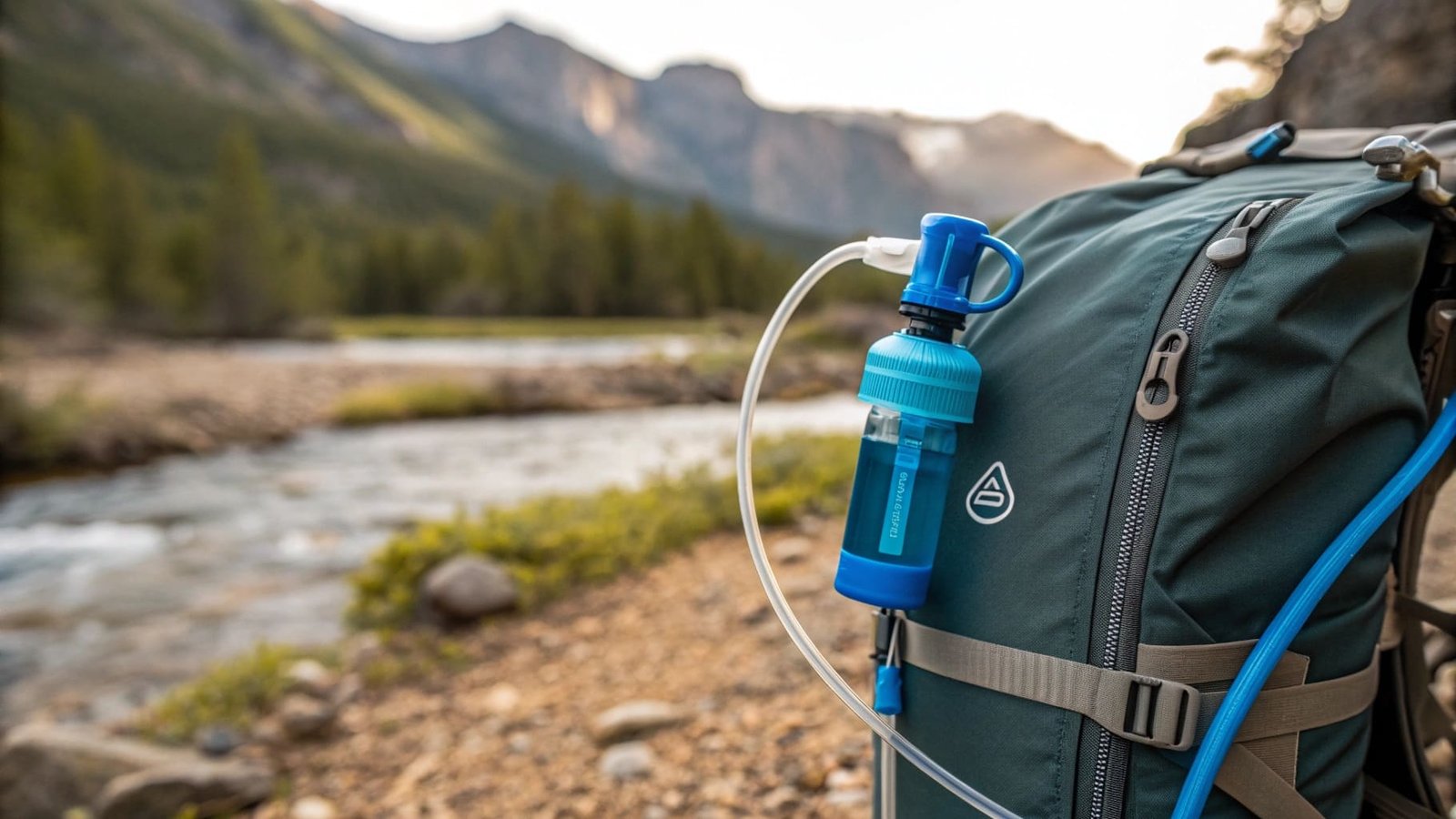
The USA hydration market demands reliable components that perform in extreme conditions. Your customers need bite valves that work flawlessly whether they are hiking in Colorado mountains or training for marathons in Texas heat. I have seen how choosing the right valve supplier can make or break a hydration brand's reputation.
What is a bite valve on a water bottle?
Most people do not realize that bite valves are the most important part of any hydration system. Without this small component, hands-free drinking becomes impossible during activities.
A bite valve is a silicone mouthpiece3 attached to hydration bladders or bottles. When you bite down gently, water flows through. The valve seals automatically when you release pressure. This design prevents leaks and allows drinking without using hands during sports or work.
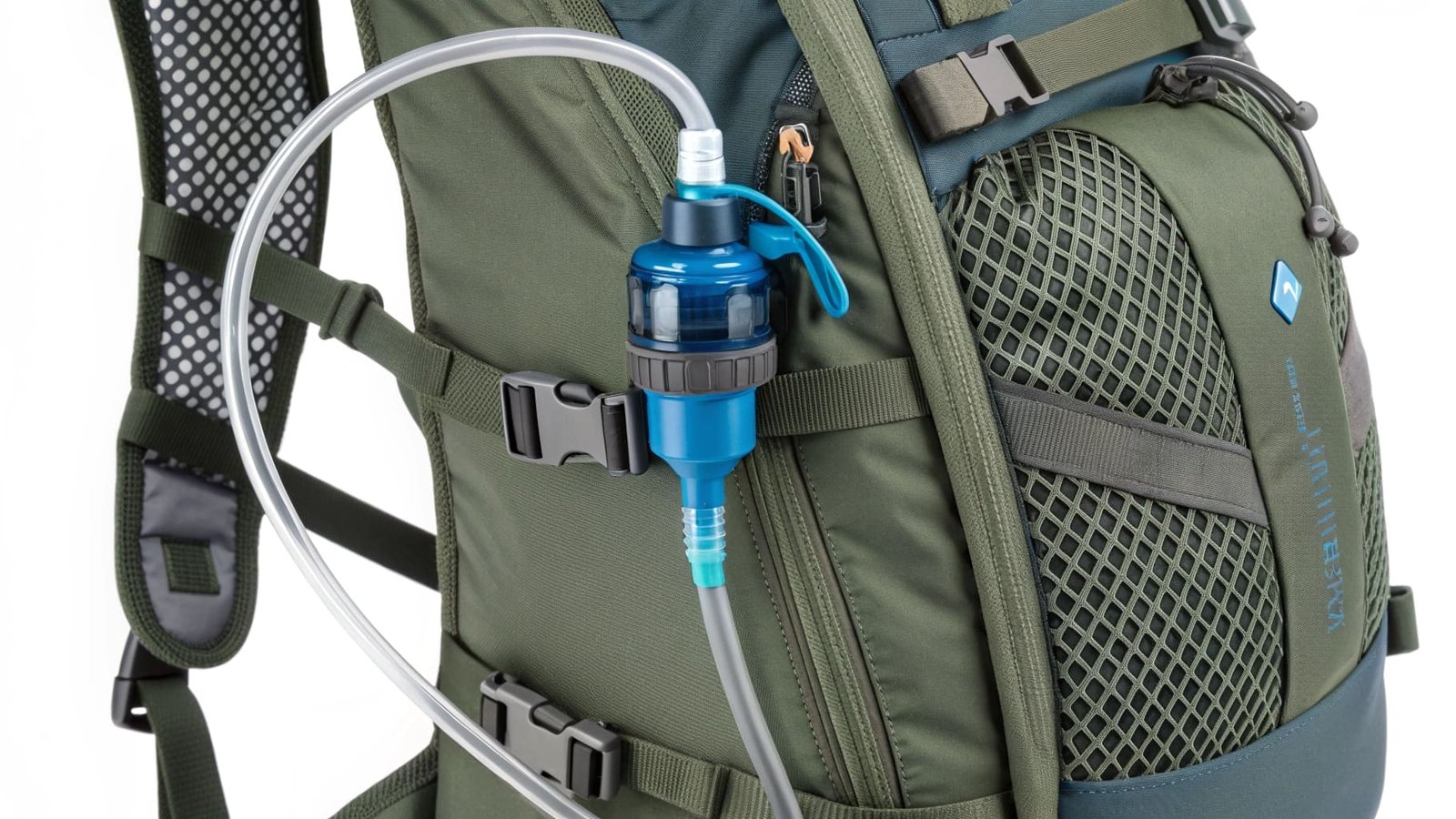
I started working with bite valves five years ago when a military contractor approached me. They needed valves that soldiers could use while wearing gloves in combat situations. That project showed me how critical the design really is. The valve sits at the end of a drinking tube connected to a water reservoir. Users place the valve between their teeth and apply gentle pressure with their lips and jaw. The internal mechanism opens a water channel instantly. Most valves feature a cover cap that protects the mouthpiece from dirt and bacteria when not in use. The entire system relies on precision engineering. The silicone must be soft enough for comfortable biting but firm enough to maintain a tight seal. I have tested hundreds of samples over the years. The best valves require only 2-3 pounds of bite force to activate. Higher quality valves use medical-grade silicone4 with durometer ratings between 40-60 Shore A. This range ensures optimal performance across different user preferences and environmental conditions.
| Component | Function | Material Requirement |
|---|---|---|
| Mouthpiece | Contact point for user | Food-grade silicone |
| Slit valve | Controls water flow | Precision-cut design |
| Housing | Structural support | BPA-free plastic |
| Seal ring | Prevents leakage | High-durometer silicone |
How do I get my water bladder to stop tasting like plastic?
I receive this complaint from at least three clients every month. The plastic taste ruins the drinking experience and drives customers away from brands faster than any other quality issue.
Replace plastic components with food-grade silicone alternatives. Silicone is naturally inert and does not release chemicals or odors into water. Clean your bladder with baking soda solution and let it air dry completely. Store the system disassembled in a cool, dry place.
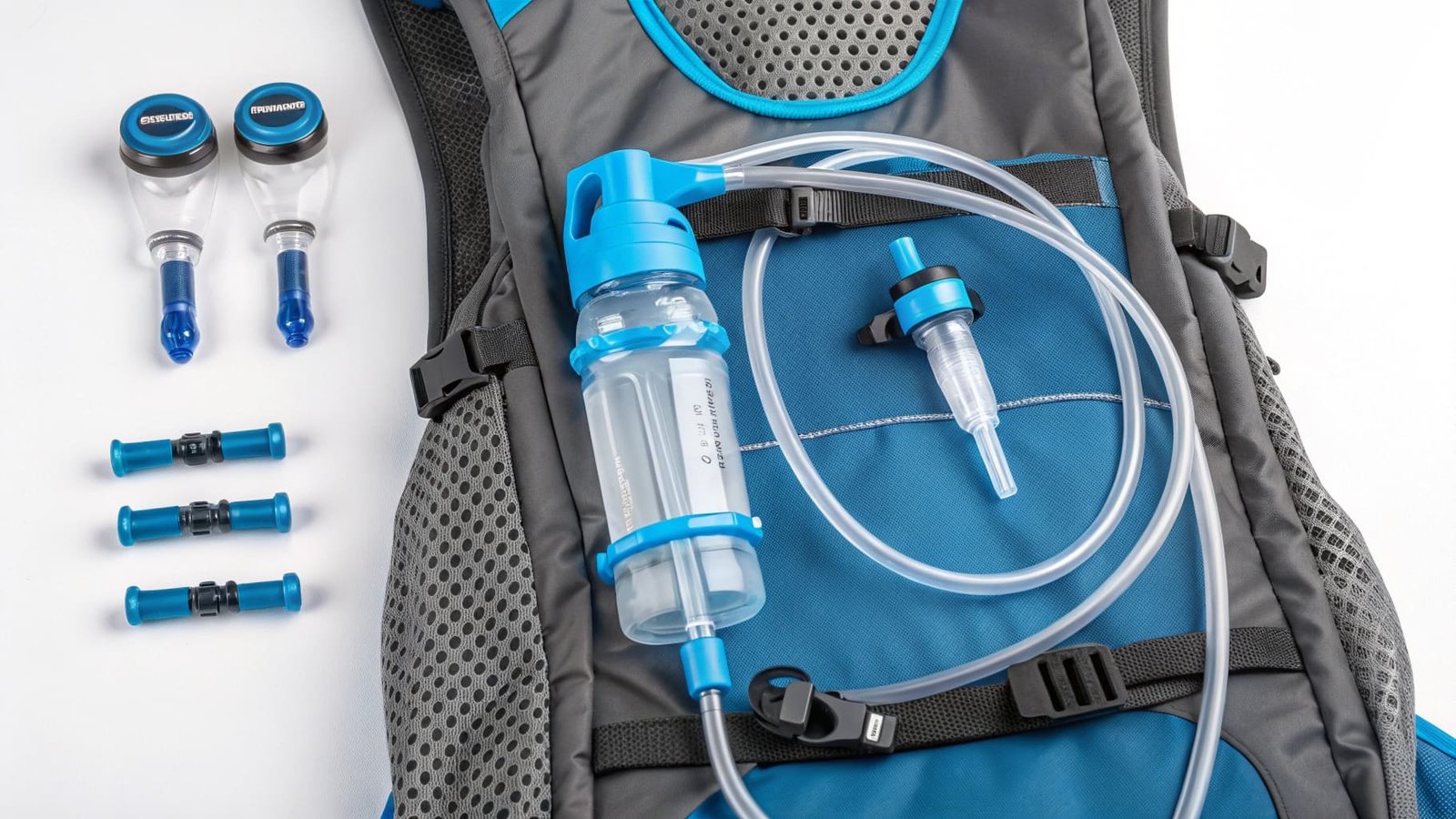
Last year, a startup founder contacted me in panic. His customers were returning products because of horrible plastic taste. He had chosen the cheapest supplier to save costs. I explained that the taste comes from volatile organic compounds released by low-grade plastics. These chemicals leach into water, especially when the bladder sits in hot cars or direct sunlight. The solution involves multiple steps. First, switch to premium silicone bite valves instead of plastic ones. Silicone does not contain the plasticizers and additives that cause taste problems. Second, clean the entire system thoroughly before first use. I recommend filling the bladder with warm water mixed with two tablespoons of baking soda. Let this solution sit overnight, then rinse multiple times with clean water. Third, freeze the bladder after cleaning to eliminate remaining odors. The freezing process helps break down any residual compounds. Fourth, never store water in the bladder for extended periods. Empty and dry the system after each use. Fifth, avoid leaving the bladder in hot environments. Heat accelerates chemical leaching from plastic components. My client implemented these changes and saw his return rate drop from 23% to less than 2% within three months. The key was switching to our medical-grade silicone valves.
| Issue | Cause | Solution |
|---|---|---|
| Chemical taste | Low-grade plastic | Use silicone components |
| Persistent odor | Bacterial growth | Baking soda cleaning |
| Metallic flavor | Water quality | Filter tap water |
| Rubber smell | New product off-gassing | Freeze and air out |
How do bite valves work?
Understanding valve mechanics helps you choose the right product for your wholesale business. Most buyers focus only on price without considering the engineering behind reliable performance.
Bite valves use slit-valve technology combined with silicone elasticity. A precision-cut slit remains closed under normal conditions due to material surface tension. Biting pressure temporarily opens the slit, allowing water to flow through. The valve reseals instantly when pressure releases.
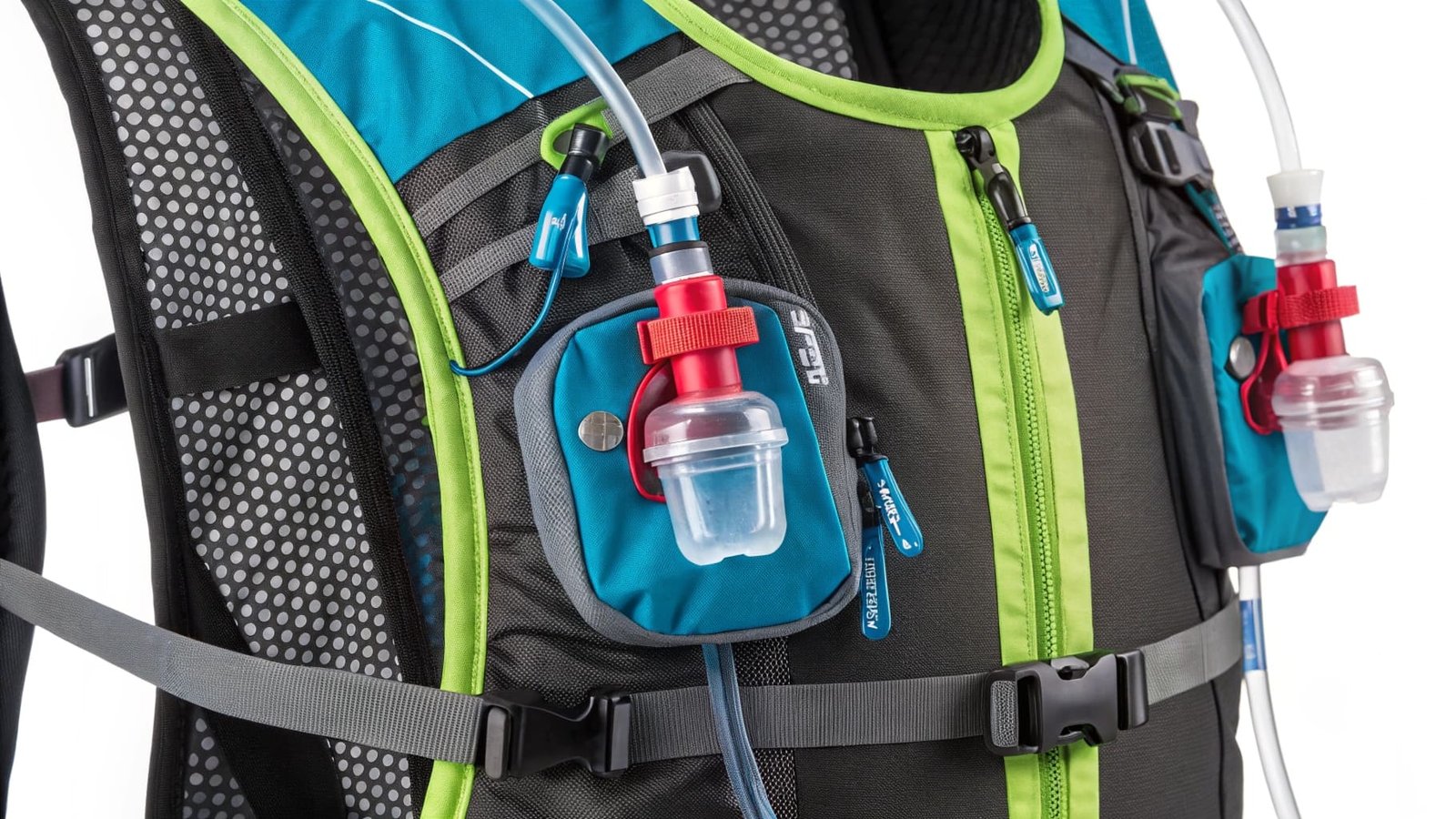
The engineering behind bite valves fascinates me every time I visit our manufacturing facility. The process starts with selecting the correct silicone compound. We use platinum-cured liquid silicone rubber because it offers superior purity compared to peroxide-cured alternatives. The material gets injected into precision molds at controlled temperatures. The slit itself requires laser-cutting technology to achieve the exact dimensions needed for proper function. A slit that is too wide causes leakage. A slit that is too narrow requires excessive bite force and frustrates users. The optimal slit width measures between 0.8-1.2 millimeters depending on the silicone durometer. During testing, we apply standardized bite force using calibrated equipment. The valve must open at 2 pounds of pressure and seal completely at 0.5 pounds. Flow rate matters too. Premium valves deliver 150-200 milliliters per minute with normal biting action. The silicone durometer affects every aspect of performance. Softer materials around 40 Shore A feel more comfortable but wear out faster. Harder materials near 60 Shore A last longer but require stronger bite force. I recommend 50 Shore A as the sweet spot for most applications. The valve housing connects to standard tubing through a barbed fitting. This connection must remain leak-proof under various temperatures and pressures. We test our valves from -20°C to 80°C to ensure consistent performance in all climates.
| Specification | Standard Range | Premium Range |
|---|---|---|
| Durometer hardness | 40-50 Shore A | 50-60 Shore A |
| Slit width | 0.8-1.0 mm | 1.0-1.2 mm |
| Bite activation force | 3-4 pounds | 2-3 pounds |
| Flow rate | 100-150 ml/min | 150-200 ml/min |
| Temperature range | -10°C to 60°C | -20°C to 80°C |
Conclusion
Choosing the right silicone bite valve supplier impacts your business success directly. Multi-packs offer cost advantages while maintaining quality standards. I recommend testing samples before committing to large orders. Your customers deserve valves that perform reliably in all conditions.
-
Explore how multi-pack silicone bite valves can significantly reduce costs and improve inventory management for your hydration business. ↩
-
Learn about the importance of FDA compliance in ensuring safety and quality in hydration products. ↩
-
Understand the significance of silicone mouthpieces in enhancing user experience during hydration. ↩
-
Find out why medical-grade silicone is preferred for hydration products and its benefits for users. ↩