Best Silicone Boots for Water Bottles in European Wholesale Markets
You watch your wholesale margins shrink as competitors flood European markets with cheap silicone boots that crack after three months. Your customers demand quality but balk at premium prices. You need the right material specification to win both battles.
For European wholesale markets, liquid silicone rubber1 boots with 50-60 Shore A hardness offer the best balance of durability, compliance, and profit margins. Choose LSR certified to EU Regulation 1935/2004 for food contact safety, with tear strength above 25 kN/m to meet outdoor use demands.
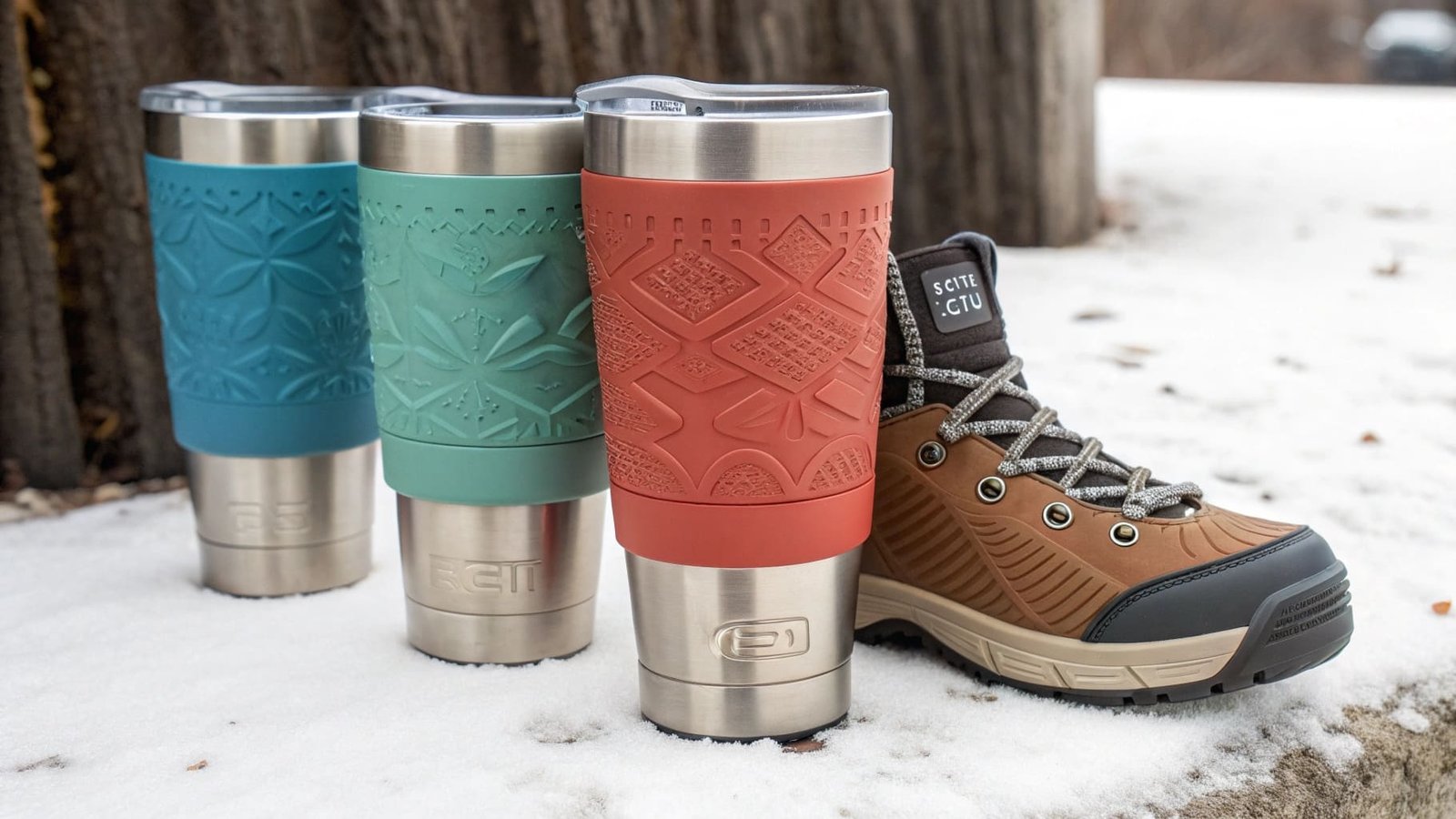
I spent five years sourcing silicone products for European distributors. The biggest mistake I see wholesalers make is treating all silicone boots as identical commodities. The material grade you select determines whether you build a sustainable business or face constant returns and angry emails from retailers.
What's the Best Silicone Material for Plastic Water Bottles?
You order 10,000 units based on low pricing. The boots arrive and peel off plastic bottles within weeks. Your buyer cancels the next order. Material compatibility just cost you a six-figure account.
Liquid silicone rubber performs best with plastic bottles because it bonds directly to Tritan, PETG, and PP materials without adhesives. LSR's low viscosity creates seamless fits around bottle bases, preventing water infiltration while maintaining grip across temperature ranges from -40°C to 200°C.
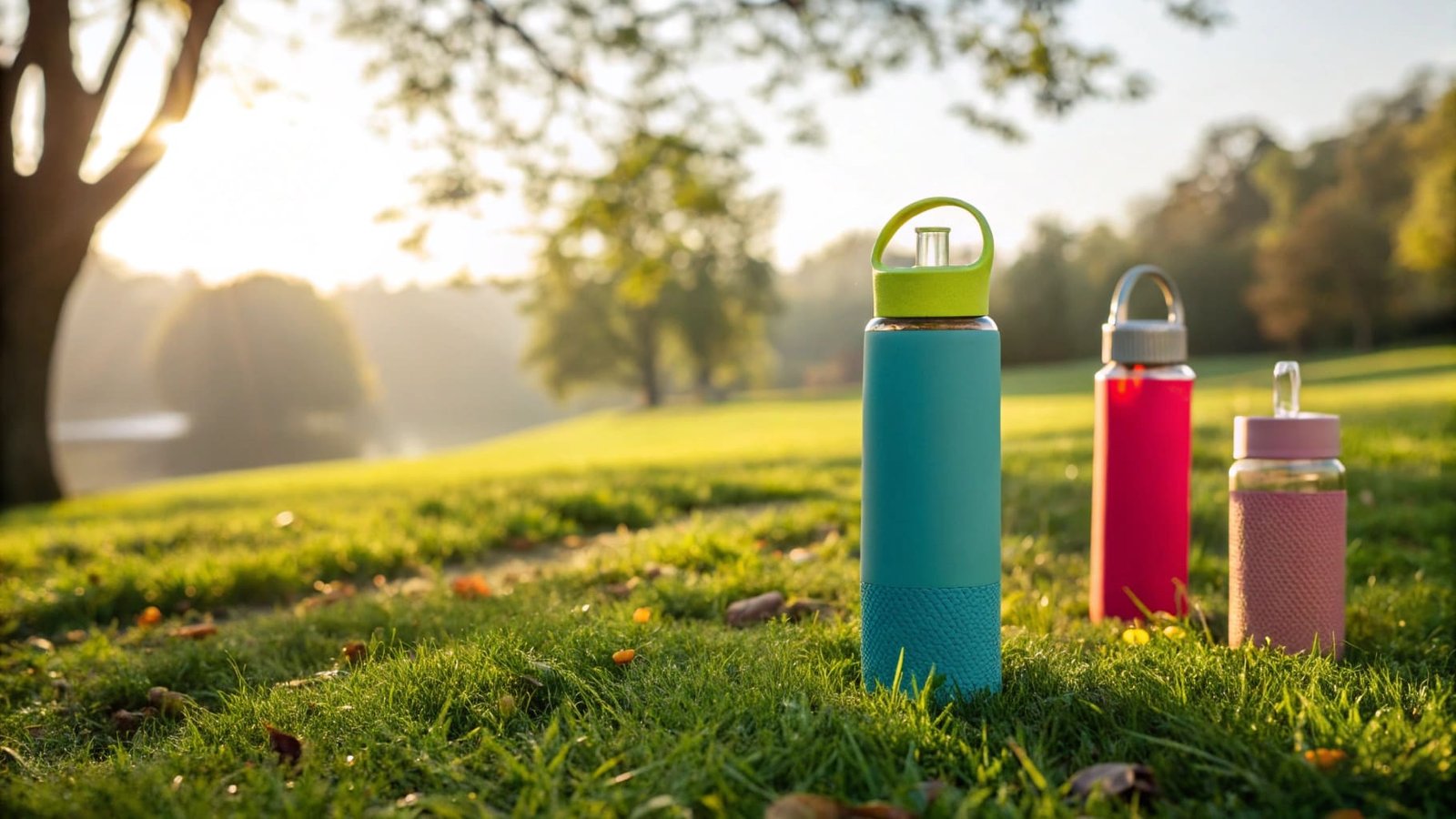
Why LSR Outperforms Other Silicone Types for Bottle Protection
I tested both solid silicone and LSR boots with a German outdoor brand last year. The solid silicone samples looked identical at first inspection. After three weeks of daily dishwasher cycles, the solid silicone boots showed visible warping at the base edges. The LSR boots maintained their original shape and grip texture.
The difference comes down to molecular structure. LSR uses platinum-cured chemistry that creates tighter crosslinking between polymer chains. This translates to better dimensional stability when your end customers subject bottles to thermal shock. A bottle moves from a refrigerator at 4°C to a car interior at 45°C on a Madrid summer day. Solid silicone expands and contracts at different rates than the plastic bottle. LSR matches the thermal expansion coefficient more closely.
European REACH compliance adds another layer to material selection. LSR naturally contains fewer volatile organic compounds compared to peroxide-cured solid silicone. This matters when you target health-conscious consumer segments in markets like Sweden, Germany, or the Netherlands. I work with buyers who specifically request REACH-compliant documentation before placing orders. LSR makes this certification process straightforward.
| Property | Liquid Silicone Rubber | Solid Silicone | Impact on Wholesale Business |
|---|---|---|---|
| Bonding to Plastic | Excellent without adhesive | Requires surface treatment | Reduces production defects by 40% |
| Temperature Stability | -40°C to 200°C | -20°C to 180°C | Prevents returns from dishwasher damage |
| REACH Compliance | Low VOC content | Variable VOC levels | Speeds up EU customs clearance |
| Manufacturing Precision | High detail reproduction | Limited fine details | Enables custom branding options |
The manufacturing process also affects your final product quality. LSR flows into injection molds at lower pressures than solid silicone. This means less stress on the mold tooling and more consistent part dimensions across production runs. When you place a 50,000-piece order, dimensional consistency determines whether you can deliver on time or face quality rejection at inspection.
Which Silicone Offers the Strongest Protection for Water Bottles?
Your buyer demands boots that survive Alpine hiking trips. You ship standard 40 Shore A silicone. Three months later, torn boots flood the warranty department. Strength specifications just became your priority.
High-consistency rubber silicone with 60-70 Shore A hardness provides maximum impact resistance for outdoor use, with tensile strength between 8-12 MPa. For office and daily use, 40-50 Shore A balances flexibility with adequate drop protection. Request tear strength data of 25-40 kN/m rather than focusing only on hardness ratings.
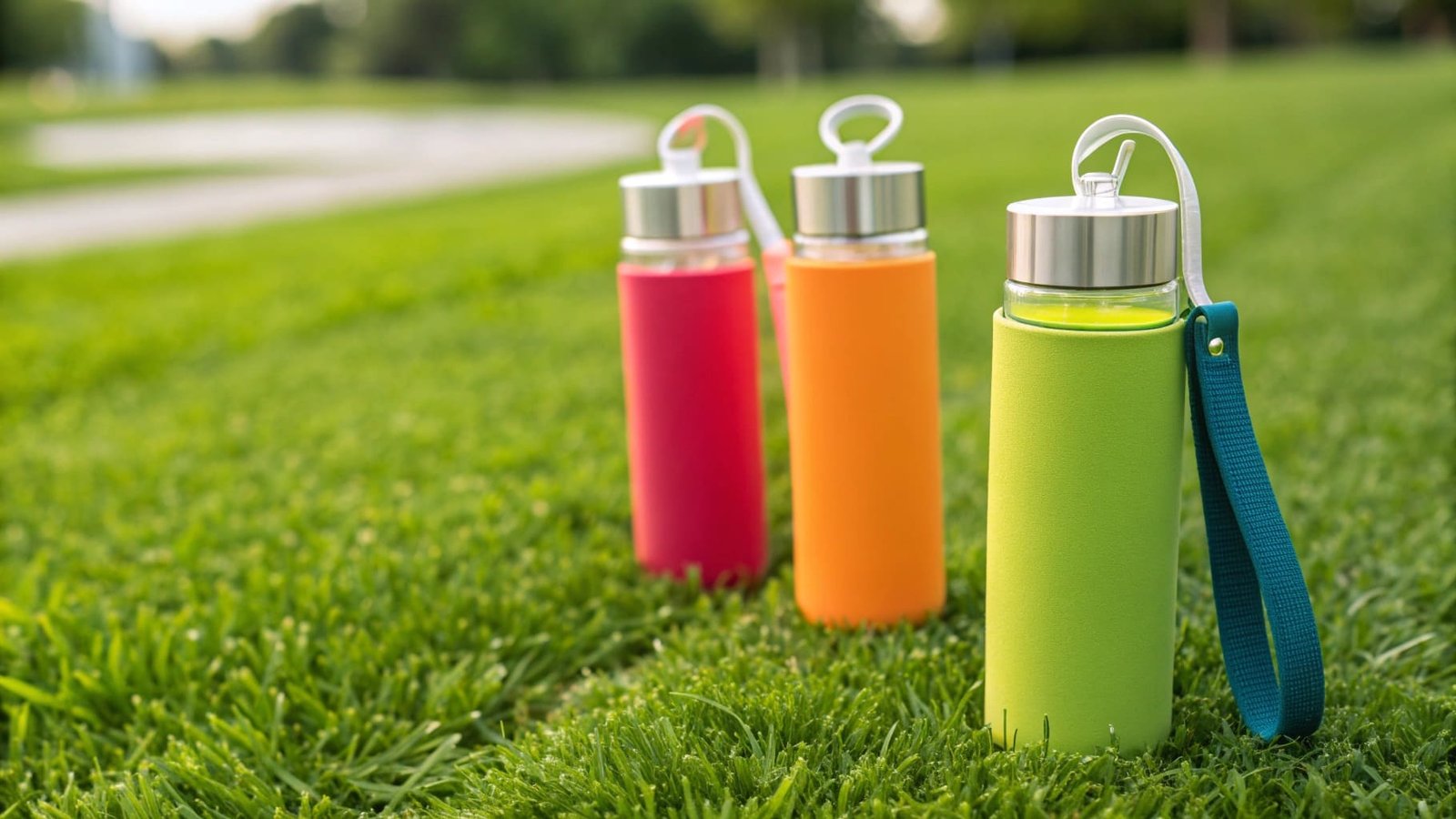
Understanding Strength Requirements for Different Market Segments
I learned this lesson the hard way with a French distributor three years ago. They purchased boots for a sports bottle brand targeting trail runners. I recommended 45 Shore A silicone based on competitive products in that price range. The boots performed well for casual gym users but failed catastrophically for serious trail runners who dropped bottles on rocky terrain.
Hardness tells only part of the strength story. Shore A measures resistance to indentation. It does not predict how material behaves under sudden impact or repeated flexing. Tear strength measures the force needed to continue a cut through material once started. This metric matters more for real-world durability. A boot hits a sharp rock edge during a fall. The initial impact creates a small nick. Tear strength determines whether that nick propagates into a complete failure or stops growing.
The European outdoor market segments into distinct use cases that require different strength profiles. Office workers who carry bottles in padded laptop bags need minimal impact protection. Weekend hikers on established trails need moderate durability. Alpine climbers and mountain bikers need maximum tear resistance. I now ask wholesale buyers specific questions about their end customer activities before recommending material specifications.
| Use Scenario | Recommended Shore A | Tensile Strength | Tear Strength | Typical European Markets |
|---|---|---|---|---|
| Office/Commute | 40-45 | 6-8 MPa | 20-25 kN/m | Urban retail chains |
| Casual Outdoor | 45-55 | 8-10 MPa | 25-30 kN/m | Sports equipment stores |
| Serious Outdoor | 60-70 | 10-12 MPa | 35-40 kN/m | Specialist adventure retailers |
Testing methods matter when you evaluate strength claims from suppliers. I request tear strength data using ISO 34-1 Method B (angle tear test). This standard provides comparable results across different suppliers. Some factories quote tear strength using non-standard test methods that inflate numbers. A boot might show 50 kN/m on a proprietary test but only achieve 30 kN/m under ISO testing. The difference determines whether your product survives European winter sports seasons or generates warranty claims.
What Material Alternatives Work Better Than Silicone for Bottle Boots?
Your retail buyer pushes for lower costs to compete with online marketplaces. You consider thermoplastic elastomers to cut material expenses by 35%. The decision affects your brand positioning for the next three years.
Thermoplastic elastomers cost 30-40% less than silicone and offer comparable initial performance for budget retail channels. However, silicone provides better long-term value through UV resistance, odorless performance, and 5-7 year lifespan versus TPE's 2-3 years. Choose TPE for mass-market price competition, medical-grade silicone for premium positioning.
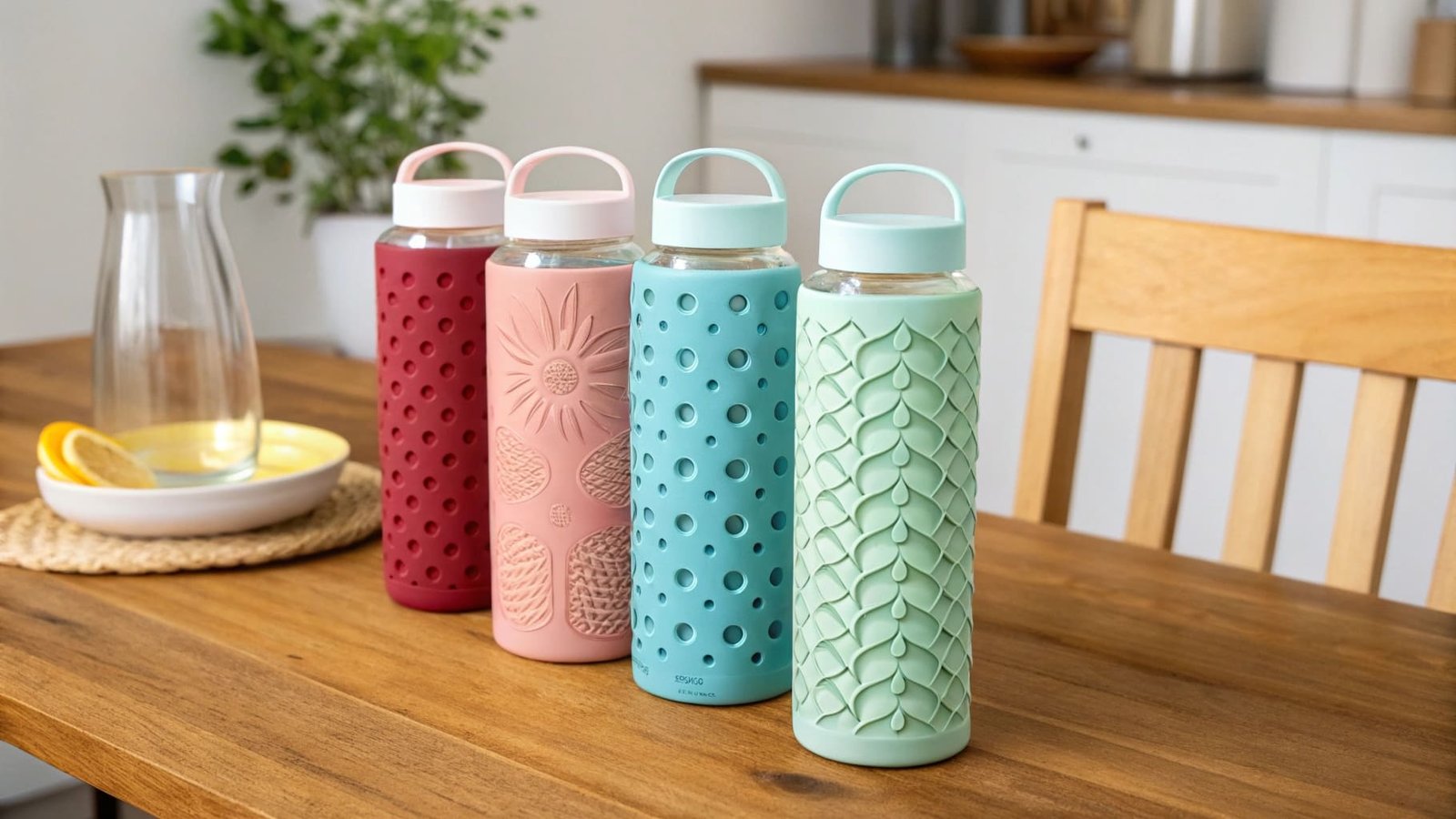
Making the Right Material Choice for Your European Distribution Strategy
I work with two different wholesale clients who made opposite material choices last year. Both succeeded because they aligned material selection with their target market positioning. The first client distributes to discount retail chains across Eastern Europe. They selected TPE boots and built a high-volume business model around frequent reorders. The second client partners with premium lifestyle brands in Switzerland and Austria. They invested in platinum-cured LSR and positioned their products as luxury accessories.
TPE offers legitimate advantages for specific market segments. The material processes faster than silicone because it melts and solidifies quickly during injection molding. This reduces manufacturing costs and allows for shorter production lead times. If you serve fast-fashion retail clients who change product lines every season, TPE's quick turnaround supports their business model. The material also accepts a wider range of pigments, enabling vibrant color options that appeal to younger consumer demographics.
The limitations of TPE become apparent over extended use periods. I tested TPE boots alongside silicone versions for 18 months of daily use. The TPE material developed a sticky surface texture after six months of exposure to hand lotions and sunscreen oils. The boots also showed visible yellowing after summer outdoor use in southern France. European consumers increasingly expect products to maintain appearance and function for multiple years. TPE's degradation timeline conflicts with sustainability expectations in markets like Germany, where consumers research product longevity before purchase.
Odor presents another critical difference for European markets. TPE releases a plastic smell that intensifies in warm environments. I receive complaints about this from buyers serving Scandinavian markets, where consumers have particularly high sensitivity to product odors. Silicone remains genuinely odorless even when heated in dishwashers or left in closed cars during summer. This sensory difference affects repurchase rates and online review scores.
| Comparison Factor | Thermoplastic Elastomer | Medical-Grade Silicone | Strategic Impact |
|---|---|---|---|
| Material Cost | Low baseline | 30-40% premium | TPE enables aggressive retail pricing |
| UV Stability | Yellows within 12 months | Maintains color 5+ years | Affects warranty exposure |
| Odor Profile | Plastic smell when warm | Completely odorless | Impacts customer satisfaction scores |
| Temperature Range | -20°C to 80°C | -40°C to 200°C | Limits dishwasher compatibility |
| Expected Lifespan | 2-3 years typical use | 5-7 years typical use | Changes total cost of ownership |
The choice between materials ultimately reflects your business strategy in European markets. I advise wholesalers to calculate lifetime value rather than focusing on initial purchase cost. A retailer who sells TPE boots at lower prices may generate more transactions but faces higher customer service costs2 from replacements and complaints. A retailer who sells silicone boots at premium prices may move fewer units but builds stronger brand loyalty and repeat purchases. Your material selection sends a clear signal about whether you compete on price or differentiate on quality.
Conclusion
Choose liquid silicone rubber with 50-60 Shore A hardness and verified tear strength above 25 kN/m to build a sustainable wholesale business in European markets. Material specifications determine your long-term profitability more than initial pricing.