Best Silicone Cord Locks for Outdoor Gear Wholesale Distribution in Europe
Choosing wrong cord locks costs European distributors thousands in returns. Quality silicone options solve this problem fast.
The best silicone cord locks for European wholesale combine platinum-cured silicone construction, 2-5mm cord compatibility, and temperature resistance from -40°C to 200°C, ensuring reliable performance across diverse climates while meeting strict EU consumer protection standards.
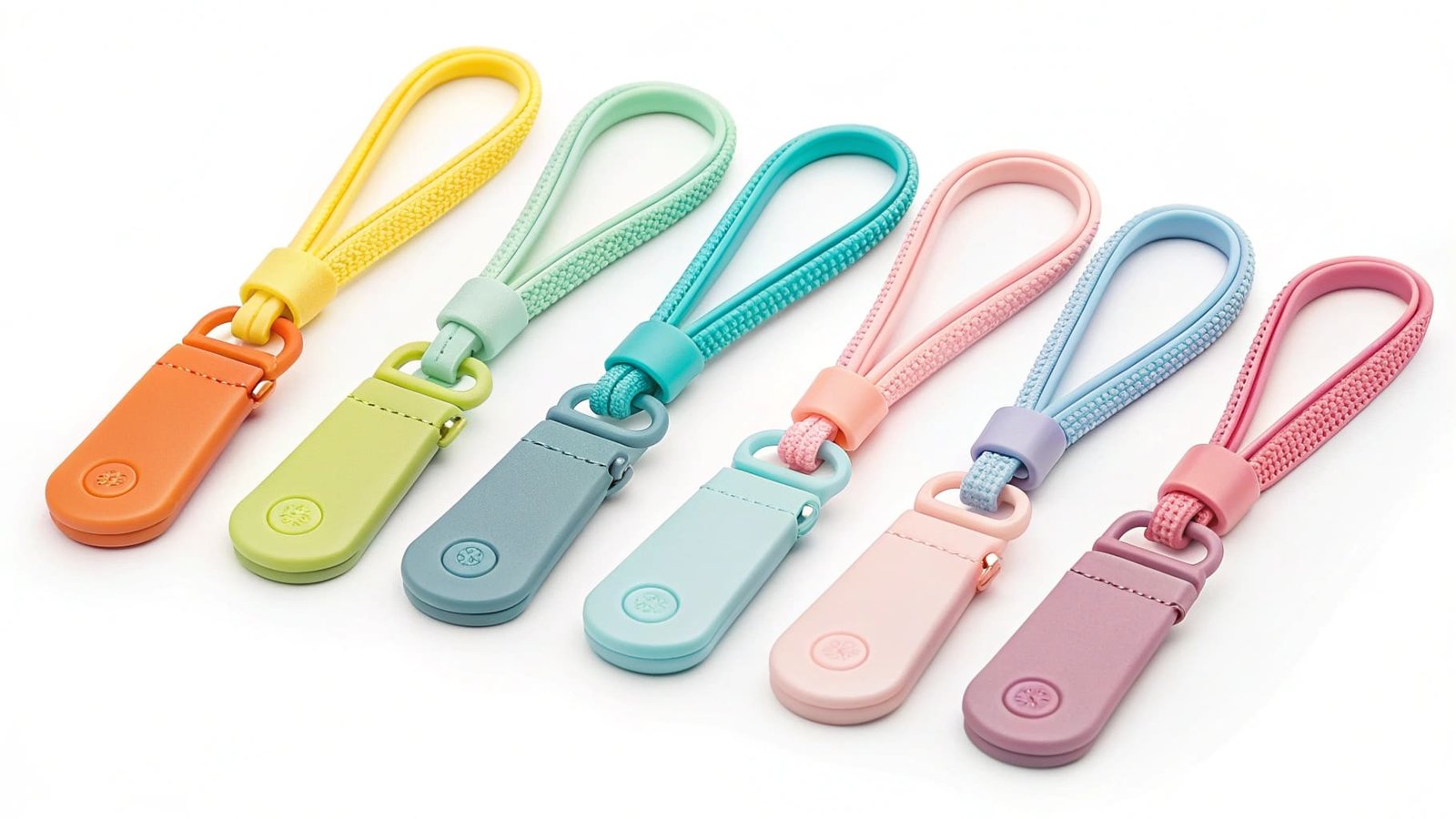
After fifteen years supplying outdoor gear components across Europe, I have seen how the right cord lock choice makes or breaks distributor success. Let me share what actually matters when you source these components for the European market.
What is silicone cord used for?
European outdoor brands need cord solutions that work in harsh conditions. Standard materials fail when temperatures drop or UV exposure increases.
Silicone cord serves as the backbone for drawstrings in waterproof bags, adjustable straps on technical apparel, and tension systems in camping equipment. It maintains elasticity from -40°C to 200°C across all European climates.
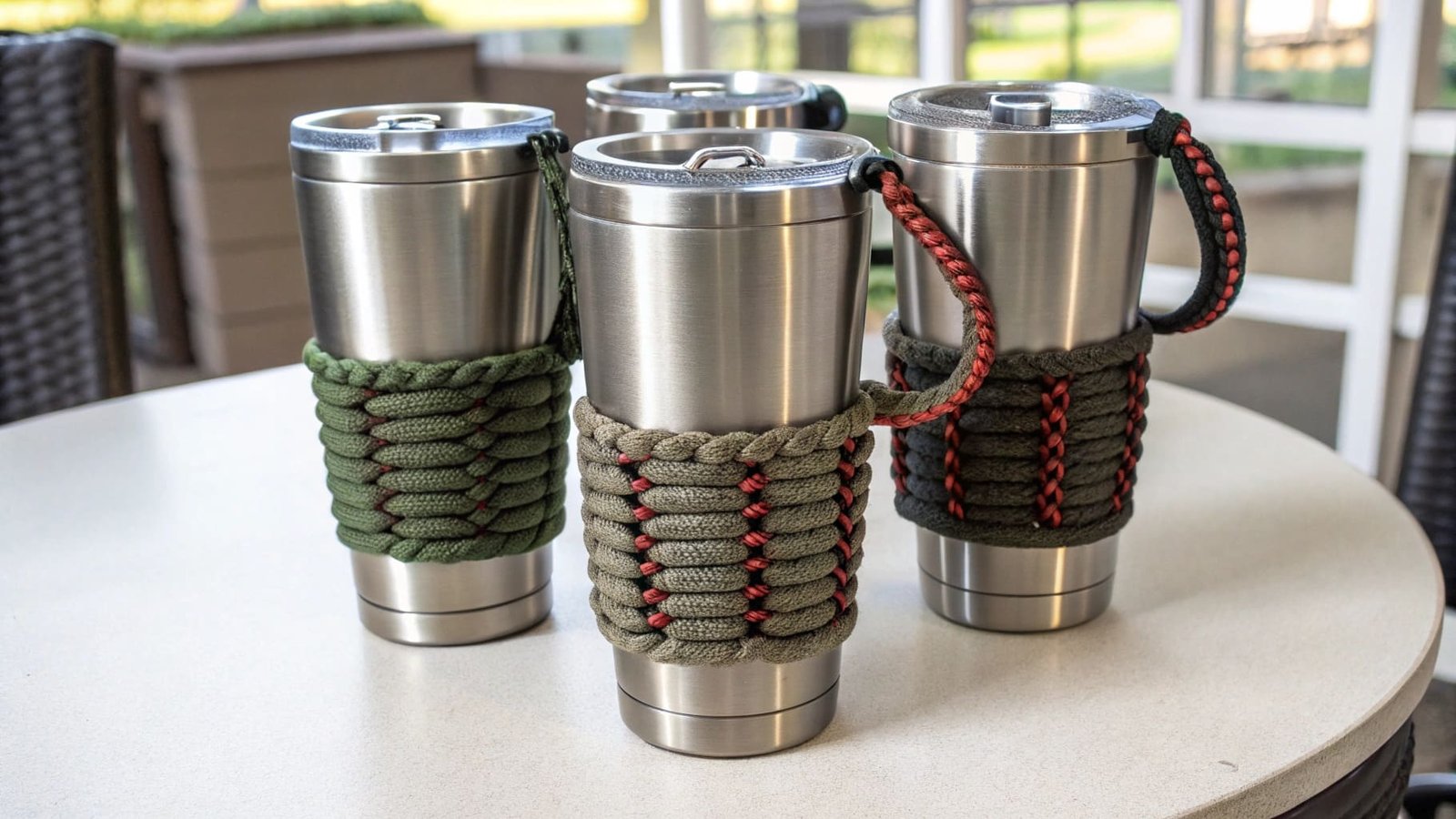
I remember a distributor from Norway who contacted me three years ago. His previous supplier provided cotton-based cords that failed after one winter season. The warranty claims nearly bankrupted his small operation. He switched to silicone cord with proper cord locks, and his return rate dropped from 23% to under 2% within six months.
The key advantage comes from material properties. Silicone does not absorb water like traditional elastic or cotton. It resists UV degradation better than most synthetics. For wholesale buyers targeting European retailers, this translates directly to fewer complaints and stronger brand reputation.
European consumer protection laws are strict. Products marketed as outdoor or all-weather must genuinely withstand moisture, temperature swings, and prolonged sun exposure. Silicone cord meets these requirements without special treatment or coatings. The material naturally repels water, maintains flexibility in freezing conditions, and does not become brittle under UV exposure.
Here is what silicone cord handles better than alternatives:
| Application Type | Why Silicone Works | Traditional Cord Failure Point |
|---|---|---|
| Waterproof bag drawstrings | No water absorption, maintains tension when wet | Cotton absorbs water, loses tension, develops mold |
| Technical apparel straps | Stays flexible in cold, no stiffening | Elastic becomes brittle below 0°C, snaps easily |
| Camping equipment tension systems | UV resistant, no degradation over seasons | Nylon weakens under UV, breaks unexpectedly |
| Medical or food-safe applications | Food-grade options available, no chemical leaching | Most synthetics not certified for contact use |
For my wholesale clients, I always recommend matching cord diameter to application load. A 3mm silicone cord works perfectly for lightweight bags and apparel. Equipment under constant tension needs 5mm diameter. This sizing prevents the most common failure mode I see: cord slipping through locks under load.
The temperature range matters more than most buyers realize. A German distributor once ordered standard elastic cord for ski gear. The cords worked fine in warehouse testing but failed completely when skiers used the gear at Alpine altitudes. Silicone cord would have performed identically at -30°C as it did at room temperature.
Can I wear my paracord bracelet in the shower?
Water exposure separates quality outdoor gear from cheap alternatives. Customers expect products to handle moisture without issues.
While traditional paracord absorbs water and develops odor, silicone cord locks1 paired with paracord create a waterproof hybrid solution. The silicone components dry quickly and prevent metal corrosion issues common in standard cord lock hardware.
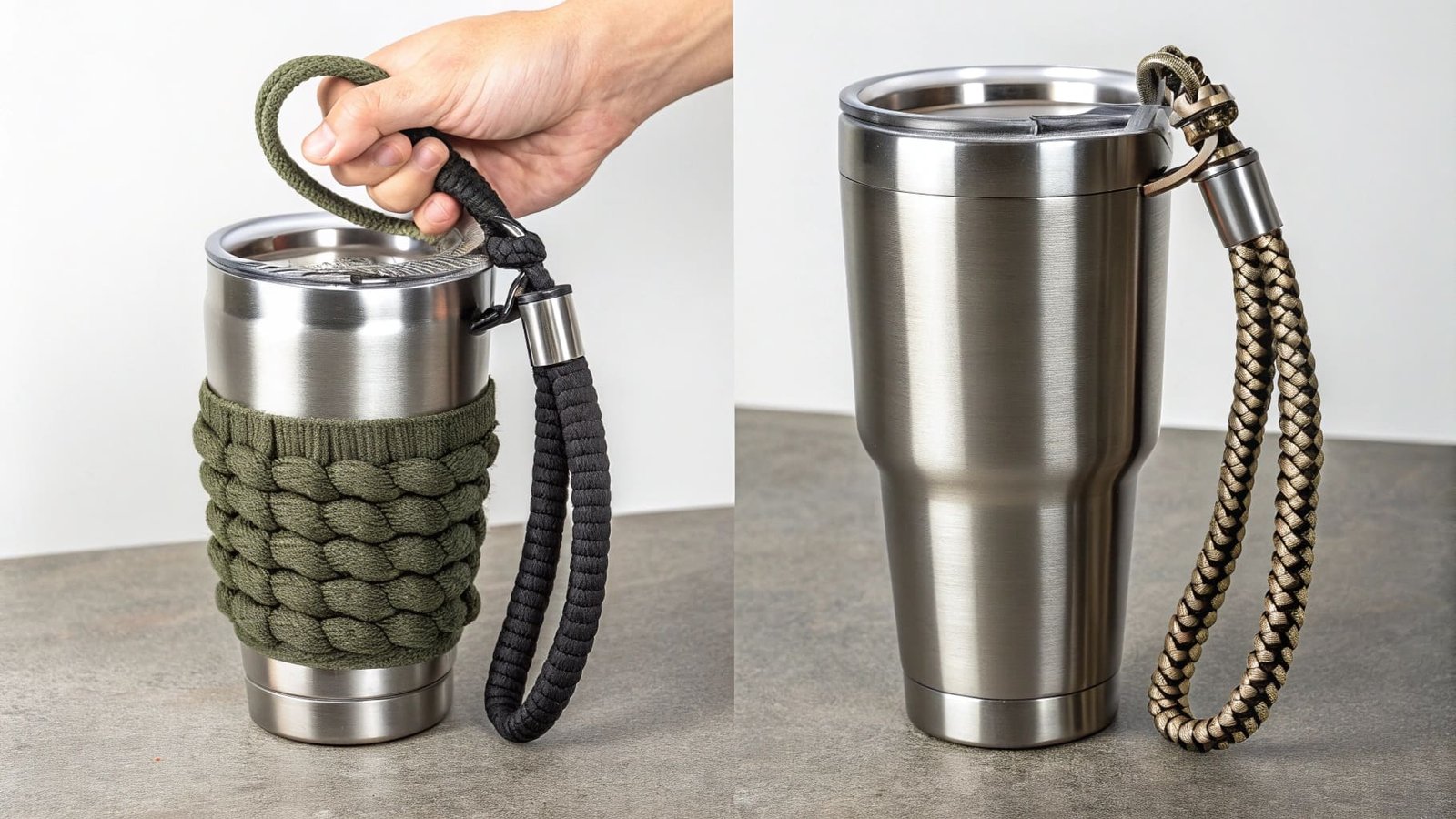
This question comes up constantly at trade shows. The answer reveals a critical quality differentiation point for European wholesale buyers. Standard paracord bracelet2s use metal or plastic hardware that corrodes or weakens when exposed to repeated moisture. I have tested dozens of samples, and the pattern is clear: metal components rust within weeks of daily shower exposure, plastic components crack within months.
Silicone cord locks change this equation completely. They remain waterproof, dry in minutes, and maintain grip strength even when wet. For European distributors, this matters because consumer protection standards require products marketed as outdoor or all-weather to genuinely withstand moisture exposure.
But not all silicone performs equally. I learned this lesson the expensive way. Five years ago, I supplied a French retailer with cord locks made from industrial-grade silicone. The price was competitive, and initial testing looked good. Six months later, the retailer reported that locks were slipping when wet. We tested samples and discovered the industrial-grade silicone had a smooth surface that lost friction when wet.
We switched to platinum-cured silicone3 with a textured interior surface. The grip strength when wet actually exceeded dry performance of the previous version. The retailer reported zero complaints over the next two years.
Here is how different silicone grades perform with moisture:
| Silicone Type | Wet Grip Performance | Drying Time | Long-term Moisture Resistance | Cost Factor |
|---|---|---|---|---|
| Platinum-cured | Excellent, exceeds dry grip | Under 5 minutes | No degradation after 1000+ wet/dry cycles | Highest |
| Food-grade | Very good, matches dry grip | Under 10 minutes | Minimal degradation after 500 cycles | Medium-high |
| Industrial-grade | Poor, loses 40%+ grip when wet | 15-20 minutes | Significant degradation after 100 cycles | Lowest |
| Medical-grade | Excellent, slight improvement when wet | Under 5 minutes | No measurable degradation | Highest |
For wholesale buyers sourcing for European markets, I recommend verifying the silicone cure method before placing large orders. Ask suppliers for wet grip testing data. If they cannot provide it, that is a red flag. Quality manufacturers test this because they know it matters.
The adjustment slippage issue triggers more customer complaints than complete product failure. When a cord lock slips, the customer loses trust in the entire product. They assume low quality, even if the cord and other components are premium. One slipping cord lock ruins the reputation of an otherwise excellent product.
I always tell buyers to request samples for shower testing before committing to volume orders. Take the cord lock home, attach it to actual paracord, wear it in the shower daily for two weeks. If it maintains grip and shows no degradation, the supplier probably uses quality silicone. If it slips even once during testing, find a different supplier.
Can cord locks be used on all types of cords?
Cord compatibility determines whether your wholesale inventory sells or sits in warehouses. Mismatched combinations create customer frustration and returns.
Silicone cord locks work best with cords between 2mm and 5mm diameter, but the internal barrel design determines actual performance. The natural friction coefficient of silicone provides better grip than plastic alternatives when properly matched to cord material.
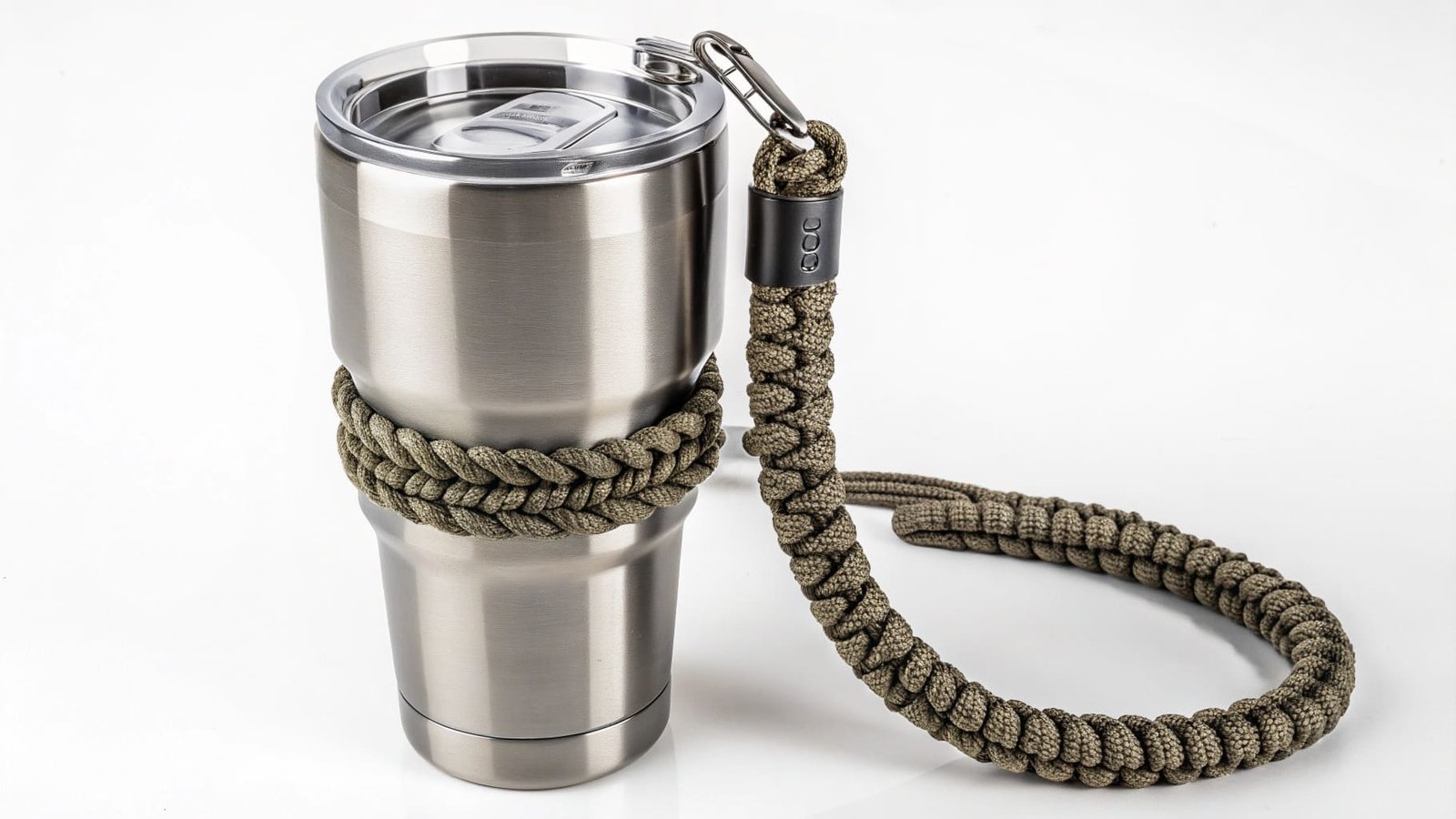
I made a costly mistake early in my career that taught me this lesson. A UK distributor ordered 5,000 cord locks for use with waxed cotton cord. The specifications looked compatible on paper: 4mm cord, 4mm lock opening. I shipped the order confident it would work perfectly.
Three weeks later, the distributor called angry. The locks slipped constantly on the waxed cord. End customers were returning products. The distributor demanded a refund and threatened to switch suppliers entirely. I flew to London, examined the returns, and immediately saw the problem. The wax coating on the cotton created a slippery surface that silicone could not grip effectively, despite working perfectly with unwaxed cord.
We solved it by developing a cord lock with internal ridges that mechanically engaged the cord rather than relying purely on friction. The distributor tested the new design, loved it, and we kept the relationship. But I learned to always ask about cord surface treatment before recommending lock sizes.
The internal barrel design makes all the difference. A smooth barrel works fine with textured cords like standard nylon or polyester. But smooth synthetic cords, especially those with coatings, need barrels with mechanical grip features. Waxed cotton, ultra-smooth spectra cord, and coated paracord all fall into this category.
Here is the compatibility matrix I share with wholesale buyers:
| Cord Type | Surface Texture | Best Lock Barrel Design | Grip Mechanism | Failure Risk Without Match |
|---|---|---|---|---|
| Standard nylon | Slightly rough | Smooth or ridged | Friction | Low |
| Polyester | Medium texture | Smooth | Friction | Low |
| Waxed cotton | Very smooth | Must have ridges | Mechanical | Very high |
| Spectra/Dyneema | Ultra-smooth | Must have deep ridges | Mechanical | Extreme |
| Coated paracord | Smooth coating | Ridged preferred | Friction + mechanical | Medium-high |
| Elastic cord | Textured and stretchy | Smooth with spring | Compression + friction | Medium |
For European wholesale distribution, I recommend offering cord locks in three standardized size ranges: 2-3mm for lightweight applications, 3-4mm for general outdoor gear, and 4-5mm for heavy-duty equipment. This sizing helps retailers stock efficiently while covering 90% of customer needs.
Smart wholesale buyers always request samples to test with their specific cord types before placing volume orders. I send sample packs at no charge because preventing a mismatch saves both parties time and money. A distributor spending thirty minutes testing samples avoids thousands in inventory costs from incompatible products.
The friction coefficient of silicone creates natural advantages over plastic cord locks, but only when properly matched. Silicone grips synthetic cords better than any plastic alternative I have tested. The material naturally creates high friction against nylon, polyester, and most technical fabrics. But this advantage disappears entirely if the cord diameter is wrong or the cord surface is too smooth.
I test every new cord type that customers ask about. The process is simple: attach the lock to the cord, apply tension equivalent to real-world use, leave it for 24 hours, check for slippage. If the lock has moved more than 1mm, the combination fails. I document the results and share them with wholesale buyers so they can make informed decisions.
European retailers increasingly want combo packages: cord plus matched locks. This trend simplifies inventory for retailers and guarantees compatibility. For wholesale distributors, offering pre-matched combinations reduces technical support questions and returns. I now provide matching recommendations for every cord lock size we manufacture, including specific cord brands and models that work optimally.
Conclusion
Quality silicone cord locks protect your wholesale investment and customer relationships. Choose platinum-cured silicone matched to your specific cord types for reliable European distribution success.
-
Explore this link to discover top-rated silicone cord locks that ensure durability and performance for outdoor gear. ↩
-
Find out how silicone cord locks enhance the performance of paracord bracelets in wet conditions. ↩
-
Learn about platinum-cured silicone's superior properties that make it ideal for outdoor applications. ↩