Best Silicone Cup Lid Covers for Wholesale Straw Hole Protection in US
I watched countless wholesale orders fail because buyers overlooked one detail. The silicone lids1 looked perfect in samples. Then customer complaints flooded in. The lids leaked. They cracked after washing. Some even smelled strange.
Silicone cup lid covers with straw hole protection work best when they combine three features: proper suction technology, sterilization durability, and certified food-grade materials2. These wholesale products prevent spills, withstand repeated cleaning, and meet US safety standards for beverage accessories.
I learned this lesson the hard way through years of supplier partnerships. Many B2B buyers focus only on price. They miss the technical details that separate reliable products from returns. I want to share what actually matters when you source these lids in bulk. The right choice protects your reputation and keeps customers coming back.
Do Silicone Suction Lids Actually Work?
I tested dozens of silicone suction lids on different cup materials. Some created perfect seals. Others slipped off immediately. The difference shocked me. Most buyers cannot spot quality issues until after they receive shipments.
Silicone suction lids work effectively when manufacturers use Shore A 40-60 durometer silicone and precision-engineered rim designs. These specifications create airtight seals on smooth surfaces like glass, ceramic, and stainless steel cups, preventing leaks during normal handling and transport.
Understanding Suction Technology in Wholesale Silicone Lids
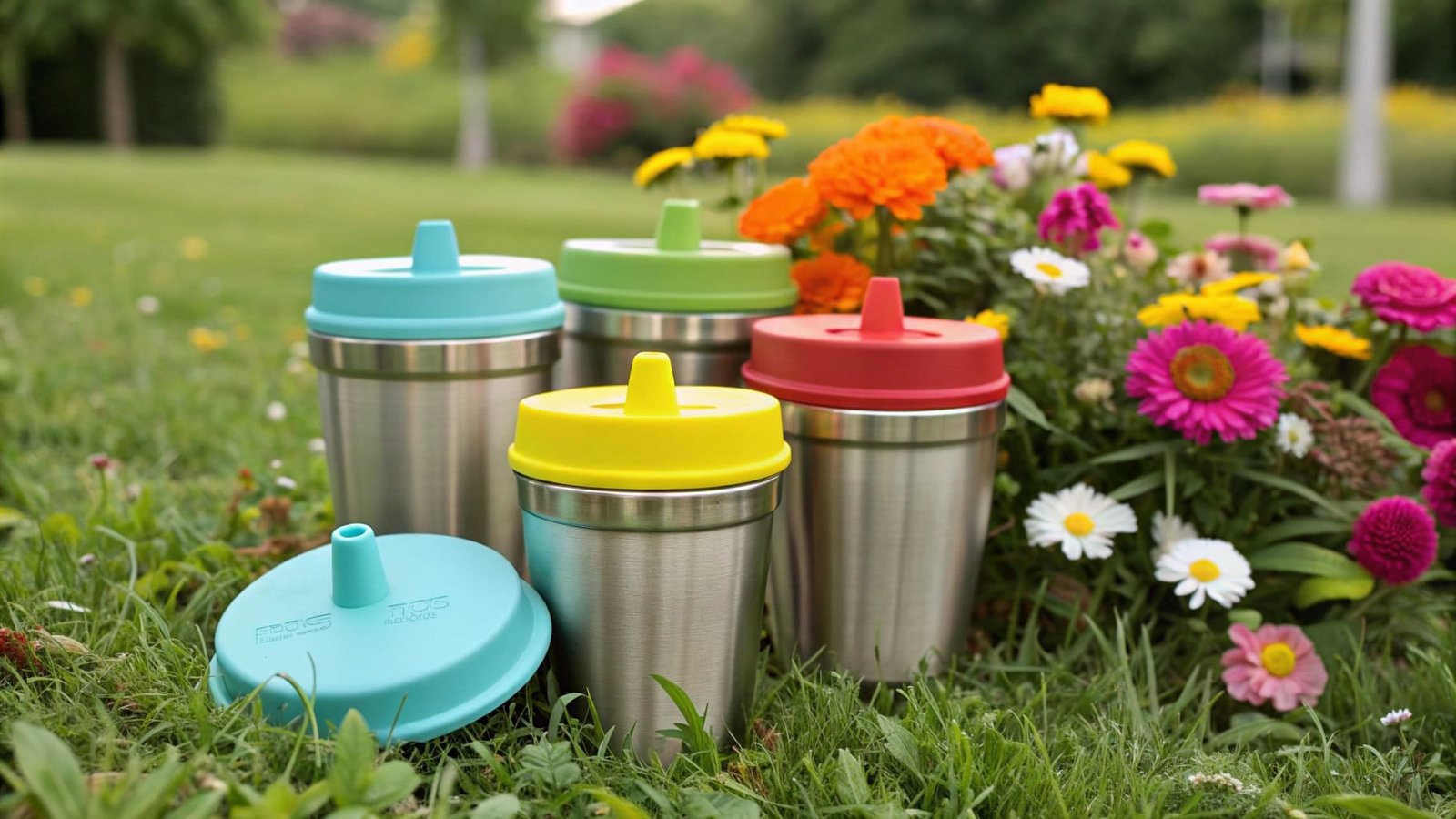
The suction ring design determines everything. I opened sample packages from five different Chinese suppliers last month. The Shore A measurements varied from 30 to 70. The softer ones (below 40) stretched too easily. They lost grip after a few uses. The harder ones (above 60) felt rigid. They could not conform to slight surface variations.
I measure this now before placing orders. The ideal range sits between Shore A 40-60. This hardness level balances flexibility with grip strength. The silicone bends enough to match cup rim curves. It stays firm enough to maintain vacuum pressure.
The rim thickness matters just as much. I noticed thin rims (under 2mm) tear near straw holes. Thick rims (over 5mm) fail to create proper contact. The sweet spot runs 3-4mm for most cup diameters. This thickness distributes pressure evenly around the entire circumference.
| Specification | Poor Performance | Optimal Range | Common Issues |
|---|---|---|---|
| Durometer | Below 40 or Above 60 | Shore A 40-60 | Too soft loses grip; too hard won't seal |
| Rim Thickness | Under 2mm or Over 5mm | 3-4mm | Thin tears easily; thick fails to contact |
| Suction Ring Width | Under 8mm | 10-15mm | Insufficient vacuum area |
| Surface Finish | Rough texture | Smooth matte | Creates air gaps |
I ask suppliers for performance data now. How many seal-and-lift cycles can their lids handle? Quality products should survive 1,000 cycles minimum. I test samples on glass, ceramic, and metal cups. The lid must grip all three materials without surface-specific adjustments.
The straw hole adds complexity. Poor designs weaken the overall seal. I found lids where the hole sat too close to the rim edge. The thin silicone between hole and rim tears within weeks. Better designs position the straw hole at least 15mm from the rim. They reinforce the surrounding area with slightly thicker material.
How Should You Sterilize Silicone Lids for US Market Compliance?
I received a complaint last year that changed my quality standards forever. A coffee shop chain bought 5,000 lids from my recommended supplier. After three months, the lids turned cloudy. The suction failed. The shop owner was furious. I investigated and found the root cause. The silicone could not handle repeated dishwasher cycles.
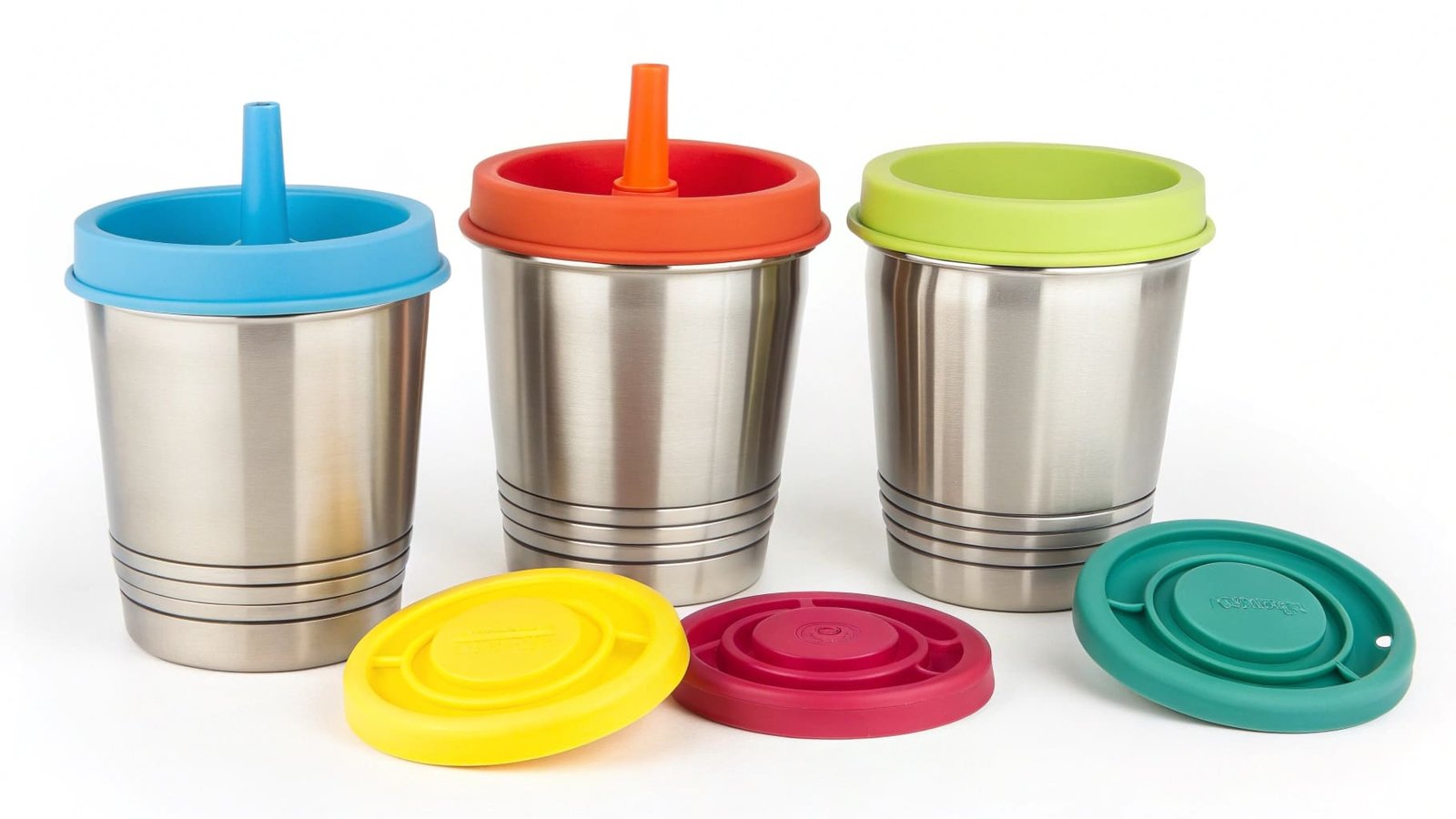
You sterilize silicone lids through three methods: boiling water (10 minutes), dishwasher top rack (up to 230°F), or steam sterilizers (15 minutes). Premium food-grade silicone maintains integrity and suction performance through minimum 500 sterilization cycles without degradation or chemical leaching.
Sterilization Methods and Long-Term Durability Testing
I now require sterilization testing data before any wholesale order. The US market demands products that survive daily cleaning. Coffee shops run dishwashers six times per day. Juice bars boil accessories every morning. Your lids must withstand this treatment or your customers will switch suppliers.
Boiling water sterilization sounds simple. Drop the lid in boiling water for 10 minutes. Remove and air dry. But not all silicone survives this process. Low-quality materials contain fillers. The fillers break down under sustained heat. I saw lids emerge from boiling water with white spots. Those spots were filler material separating from the silicone matrix.
The dishwasher test reveals even more problems. I place sample lids on the top rack. I run them through 50 consecutive cycles at maximum temperature (230°F). Quality silicone looks identical after this torture test. Poor silicone warps. The rim loses its perfect circle shape. Warped rims cannot create proper seals.
| Sterilization Method | Temperature | Duration | Frequency | Failure Signs |
|---|---|---|---|---|
| Boiling Water | 212°F | 10 minutes | Daily acceptable | White spots, softening |
| Dishwasher | Up to 230°F | Full cycle | Multiple daily | Warping, cloudiness |
| Steam Sterilizer | 250°F | 15 minutes | Weekly recommended | Cracking, discoloration |
| UV Sanitizer | N/A | 30 minutes | Daily acceptable | Surface degradation |
Steam sterilizers present the harshest test. Medical-grade equipment uses 250°F steam. Most beverage accessories do not need this level. But some customers request it. I test samples at this temperature to identify the absolute ceiling. Lids that survive steam sterilization will handle any consumer cleaning method.
I document everything. I ask suppliers for certification proving 500-cycle durability. This number comes from realistic use patterns. A busy coffee shop replaces accessories every six months. Daily sterilization for 180 days requires lids that maintain performance through repeated thermal stress.
The suction test after sterilization matters most. Some lids look perfect after 500 cycles. Then you try to seal a cup. The grip strength dropped by 60 percent. I measure this with a force gauge now. Fresh lids should require 8-10 pounds of vertical force to break the seal. After 500 sterilization cycles, quality lids still need 6-8 pounds. Anything less means the silicone degraded internally.
Is Food-Grade Silicone Actually Safe for US Wholesale Markets?
I almost made a terrible mistake three years ago. A new supplier offered lids at 40 percent below market price. The samples looked perfect. I was ready to place a 10,000-unit order. Then I asked for the FDA certificate. The supplier went silent for two days. Finally, they admitted they had no certification. I walked away. Two months later, I heard their entire container got rejected at US customs.
Food-grade silicone is safe when certified by FDA or LFGB standards, containing zero BPA, phthalates, or fillers. Platinum-cured silicone offers superior safety compared to peroxide-cured variants, eliminating residual chemical concerns while providing better heat resistance up to 450°F for beverage accessories.
Certification Requirements and Material Chemistry
The certification question separates legitimate suppliers from risky ones. I request three documents now: FDA compliance3 certificate, LFGB test report, and material composition analysis. All three must match the exact product I'm ordering. Some suppliers show certificates for different items. That does not count.
FDA compliance means the silicone meets US standards for food contact. The material cannot leach chemicals into beverages. It must remain stable across temperature ranges from -40°F to 450°F. The certification process tests for specific banned substances. BPA tops the list. Phthalates come second. Heavy metals like lead and cadmium get tested too.
LFGB certification comes from Germany. Many buyers consider it more stringent than FDA standards. LFGB tests for a broader range of potential contaminants. Products passing LFGB automatically meet most international food safety standards. I prefer suppliers with both certifications. It shows they invest in quality control4.
The platinum versus peroxide curing debate matters for wholesale buyers. Peroxide-cured silicone costs less. Manufacturers add peroxide catalyst to trigger the curing reaction. Some peroxide remains in the finished product. The amount should be negligible. But I have seen test reports showing peroxide residue above safe limits.
| Silicone Type | Curing Method | Temperature Resistance | Chemical Residue Risk | Cost Factor |
|---|---|---|---|---|
| Peroxide-Cured | Chemical catalyst | Up to 350°F | Moderate (residual peroxide) | Budget-friendly |
| Platinum-Cured | Platinum catalyst | Up to 450°F | Minimal (stable catalyst) | Premium pricing |
| Medical-Grade | Platinum + additional purification | Up to 500°F | None (ultra-pure) | Highest cost |
Platinum-cured silicone uses platinum catalyst instead. Platinum does not leave concerning residues. The catalyst remains chemically stable within the silicone matrix. This method produces cleaner final products. The silicone handles higher temperatures too. You can expose platinum-cured lids to 450°F without degradation. Peroxide-cured variants start breaking down around 350°F.
I pay 15-20 percent more for platinum-cured silicone5. My customers notice the difference. The lids have no smell, even when new. Peroxide-cured products sometimes carry a faint chemical odor initially. The smell fades after washing, but it concerns health-conscious consumers.
Material testing goes beyond certificates. I send random samples to independent US labs every six months. The lab checks for heavy metals, volatile organic compounds, and polymer stability. This costs money. But catching problems before mass shipment saves much more. One contaminated batch could destroy years of reputation building.
The straw hole protection feature adds another safety consideration. The hole edges must be smooth. Rough edges can harbor bacteria. Quality manufacturers use precision molding. The straw hole gets formed during the casting process, not cut afterward. Cut edges create microscopic tears. Bacteria colonize these imperfections.
I examine hole edges under magnification now. Perfect edges look glass-smooth at 10x magnification. Poor edges show roughness and tiny tears. This detail seems minor. But restaurants and coffee shops face health inspections. Inspectors check beverage accessories. Rough edges fail sanitation standards in some jurisdictions.
Conclusion
I source silicone cup lid covers by verifying suction specs, sterilization durability, and safety certifications. These three factors determine whether your wholesale order succeeds or generates returns and complaints.
-
Explore the advantages of silicone lids, including their durability and leak-proof features, to enhance your product offerings. ↩
-
Understand the significance of food-grade materials in ensuring safety and compliance for your silicone lids. ↩
-
Learn about FDA compliance to ensure your silicone lids meet safety standards for food contact. ↩
-
Learn about quality control practices to maintain high standards in your silicone lid manufacturing. ↩
-
Discover why platinum-cured silicone is a superior choice for safety and performance in your products. ↩