Best Silicone Cup Sleeves for Bulk Custom Printing Orders in Europe
Finding reliable suppliers for bulk custom-printed silicone cup sleeves in Europe is tough. Poor quality leads to returns, delayed shipments miss your sales window.
Premium food-grade silicone cup sleeves1 from verified manufacturers offer dishwasher-safe durability, easy application, and vibrant custom printing. They meet European safety standards and ship on time for your promotional campaigns.

I run a B2B silicone products business in China, and I work with many European buyers who purchase thousands of custom-printed cup sleeves each month. They face the same challenges you do. Quality varies wildly between suppliers, certifications can be fake, and communication often breaks down. I have seen buyers lose money on bad orders. The good news is that you can avoid these problems if you know what to look for.
Are Silicone Glasses Dishwasher Safe?
You invest in bulk custom printing2, but will the sleeves survive repeated washing? Many buyers worry about this. Product returns hurt your profit margins badly.
High-quality food-grade silicone3 cup sleeves withstand dishwasher temperatures from -40°C to 230°C. Platinum-cured silicone offers the best heat resistance and releases no harmful substances during washing cycles.
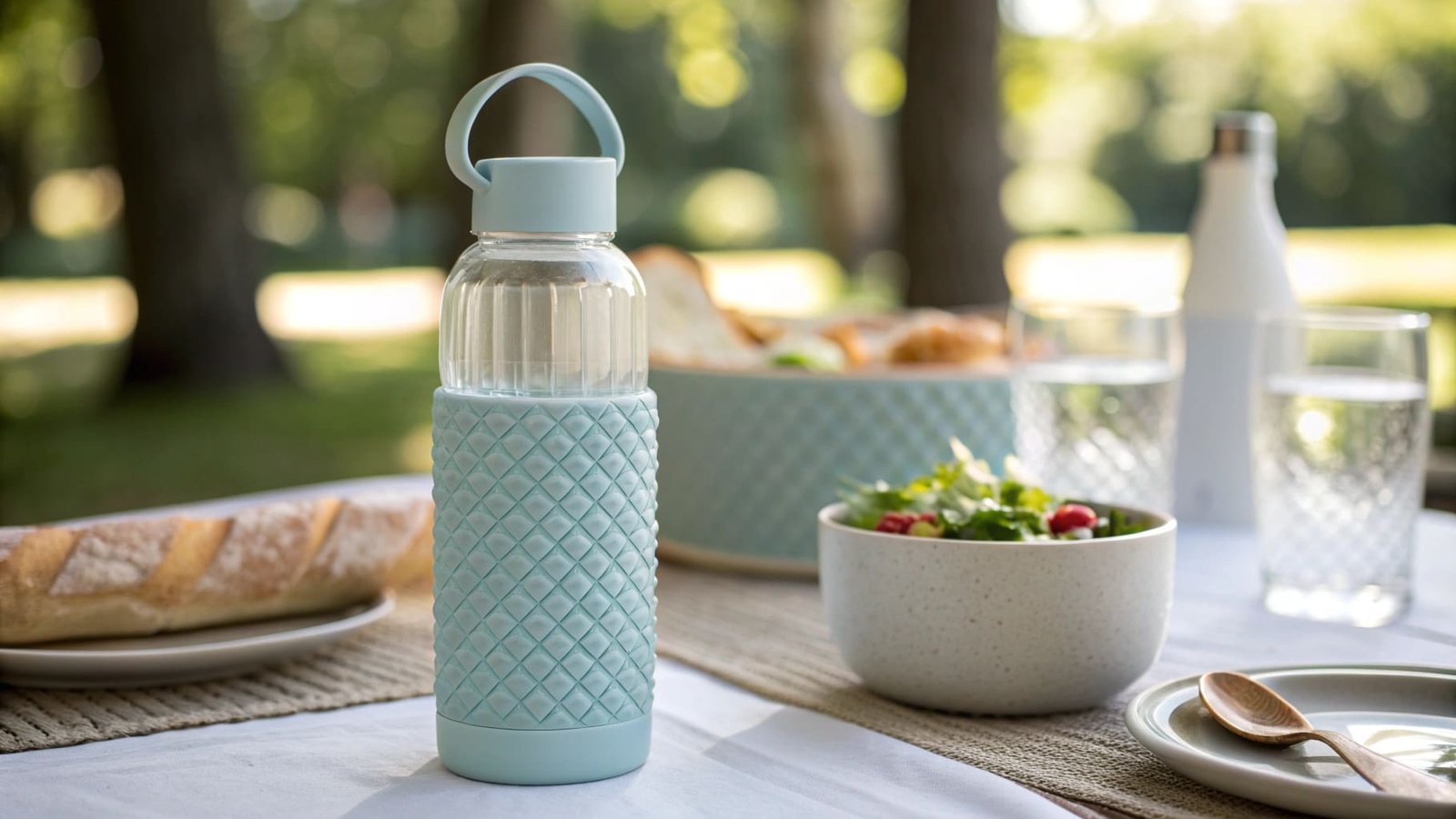
I need to be honest with you here. Not all silicone is equal. Some suppliers use peroxide-cured silicone because it costs less. This type breaks down faster in hot water. Your customers will complain within weeks. I only work with platinum-cured silicone4 for my cup sleeves.
The European market demands products that last. Your customers expect to throw these sleeves in the dishwasher hundreds of times. They should come out looking the same as day one. The printing should not fade or peel off.
When you source bulk orders, ask your supplier for LFGB or FDA certification. These documents prove the silicone can handle high temperatures safely. I provide these certificates to all my European clients before production starts. Some buyers request third-party lab testing. This adds cost but gives you peace of mind.
Here is what happens at different temperatures:
| Temperature Range | Silicone Behavior | Dishwasher Compatibility |
|---|---|---|
| -40°C to 0°C | Maintains flexibility | Safe for freezer use |
| 0°C to 100°C | Normal performance | Safe for standard wash |
| 100°C to 230°C | Optimal stability | Safe for high-temp cycles |
| Above 230°C | May degrade slowly | Not recommended |
The dishwasher-safe feature sells itself in Europe. I have clients who print this benefit prominently on their packaging. It reduces customer service calls and returns significantly.
How to Put On a Silicone Sleeve?
Your customers struggle with installation. They stretch the sleeve too hard and damage it. Or they give up and leave bad reviews online. This damages your brand reputation.
Stretch the sleeve opening gently and slide it onto the cup from bottom to top. Ensure even distribution around the entire circumference for optimal grip and appearance.
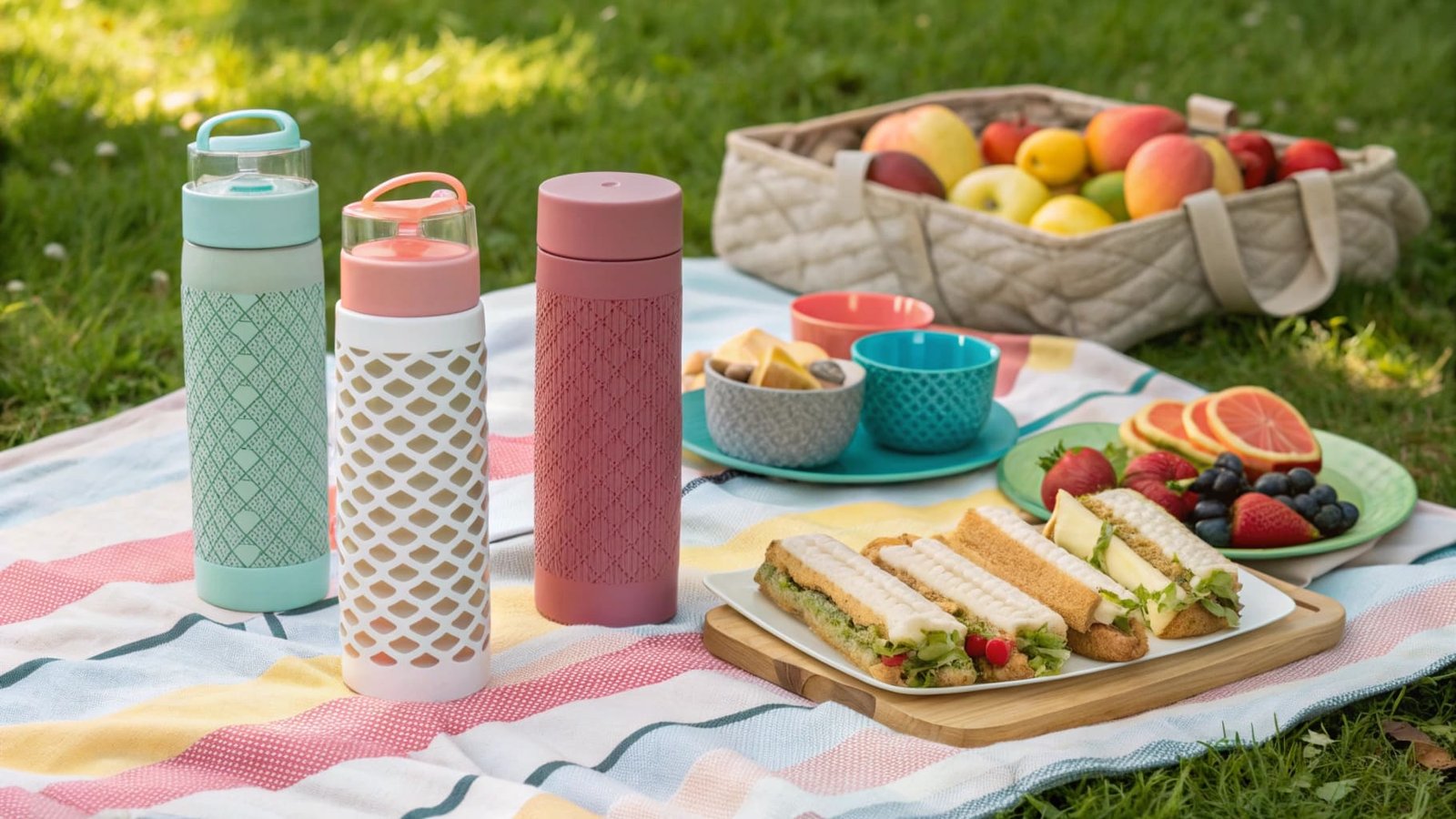
Installation matters more than most buyers realize. I learned this from customer complaints. The sleeve needs to fit snugly but not too tight. European consumers prefer easier removal compared to other markets.
The interior diameter matters a lot. I manufacture my sleeves 2-3mm smaller than the target cup diameter. This gives good grip without making installation difficult. Some buyers request looser fits because their customers complain about tight sleeves.
When I produce custom-printed sleeves, I always include installation instructions in the package. Simple drawings work better than long text. Show the customer where to start and which direction to push. This small detail cuts down complaints by half.
You should offer different sizes for bulk orders. I produce small, medium, and large options. One-size-fits-all sounds convenient but creates problems. Cups vary in diameter. A sleeve that fits a standard coffee cup will be too loose on a small espresso cup.
The installation experience shapes how customers perceive quality. A sleeve that slides on smoothly feels premium. A sleeve that requires wrestling feels cheap. This affects whether they recommend your brand to others.
Consider this comparison:
| Sleeve Fit Type | Customer Experience | Return Rate | Best For |
|---|---|---|---|
| Very tight (-4mm) | Difficult installation | 15-20% | Sports bottles |
| Standard (-2-3mm) | Smooth installation | 5-8% | Coffee cups |
| Loose (-1mm) | Very easy removal | 10-12% | Hot beverage cups |
I suggest you test samples yourself before placing bulk orders. Put the sleeve on and take it off twenty times. Does it stay in place? Does it slide around? This simple test saves money later.
What to Spray On Silicone When Applying?
You handle thousands of units daily. Manual installation takes too much time. Your workers struggle with tight-fitting sleeves. Production slows down and costs rise.
Use food-safe isopropyl alcohol at 70% concentration or silicone lubricant spray5. A light mist on the cup surface lets sleeves glide smoothly and evaporates quickly without residue.
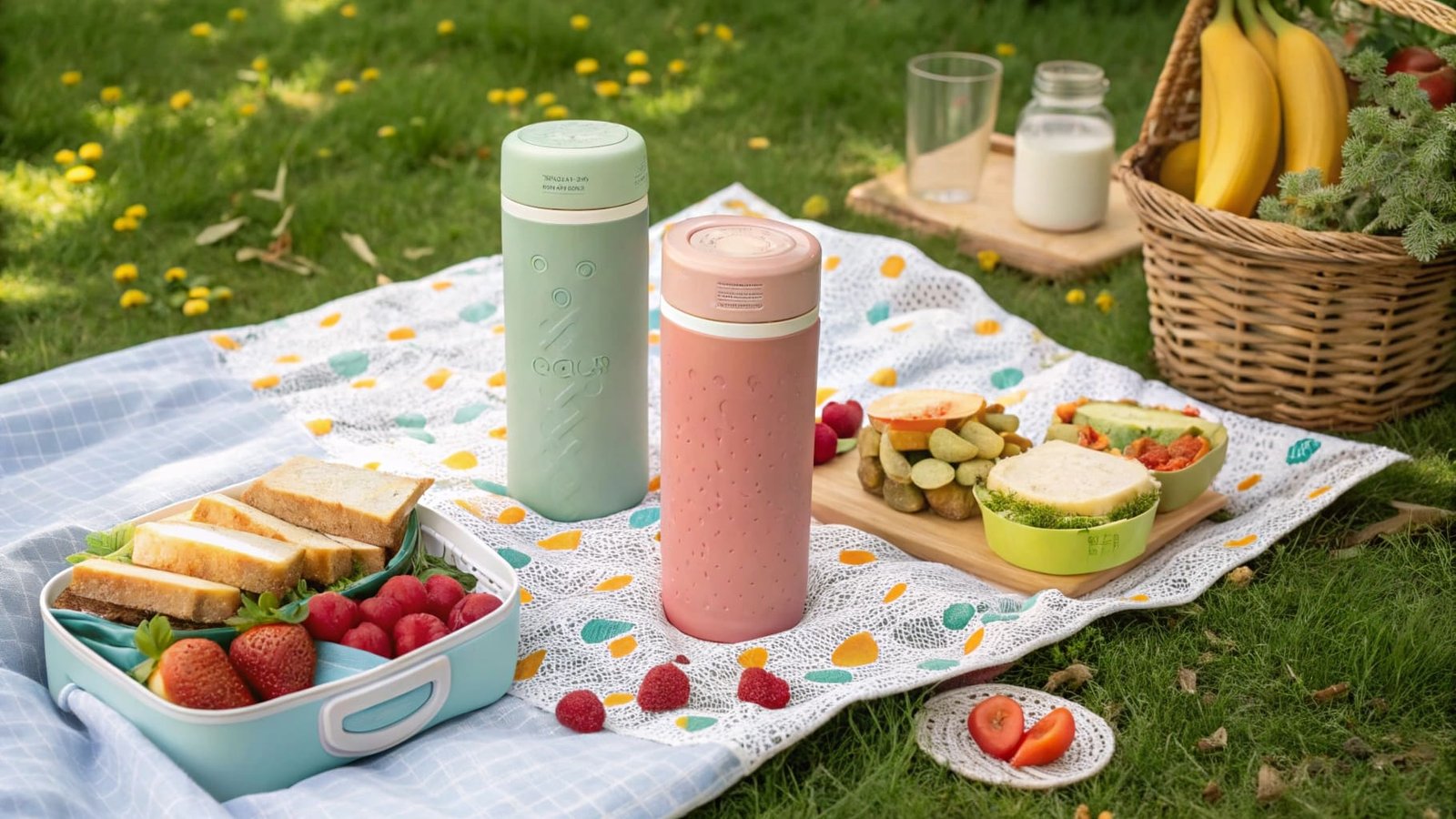
I work with several European fulfillment centers. They apply this technique for large orders. The alcohol method works best because it leaves nothing behind. You spray the cup lightly, slide the sleeve on easily, and the alcohol disappears in seconds.
Some buyers worry about chemicals on food-contact products. Isopropyl alcohol at 70% concentration is safe. It evaporates completely. EU regulations allow it for this purpose. I have never had a buyer report issues with this method.
For industrial production, timing matters. One worker can install about 100 sleeves per hour manually. With the alcohol spray method, that number jumps to 200-250 per hour. This doubles your output without hiring more staff.
Never use permanent lubricants or oils. These leave greasy residues that customers can feel. They also affect print quality on custom designs. The ink might not adhere properly, or colors look dull.
Some of my European clients ask for pre-installed options. I ship the sleeves already fitted onto sample cups. This costs more but saves them time. It works well for high-volume promotional campaigns where speed matters more than cost.
Here are your application options:
| Method | Speed (units/hour) | Cost Impact | Best Application |
|---|---|---|---|
| Manual dry | 80-100 | None | Small orders |
| Alcohol spray | 200-250 | Minimal | Medium orders |
| Automated machine | 500-800 | High initial cost | Very large orders |
| Pre-installed | N/A | +15-20% per unit | Corporate gifts |
You need to discuss application methods6 with your supplier before ordering. Some manufacturers apply substances during production that might not meet EU standards. Ask directly about any chemicals used. Request material safety data sheets if needed.
I recommend ordering a small test batch first. Try the installation process yourself. See if the fit works for your operation. This small investment prevents big problems with full production runs.
Conclusion
Choose platinum-cured silicone sleeves with proper certifications. Test installation methods early. Work with suppliers who understand European market requirements and ship on time.
-
Discover the advantages of silicone cup sleeves in marketing and how they can boost your brand visibility. ↩
-
Explore this resource to learn effective strategies for bulk custom printing that can enhance your business operations. ↩
-
Understanding food-grade silicone is crucial for ensuring safety and quality in kitchenware. ↩
-
This resource explains the benefits of platinum-cured silicone, ensuring you choose the best materials. ↩
-
Learn about silicone lubricant spray and its benefits for efficient installation in manufacturing. ↩
-
Explore various application methods to optimize efficiency and quality in your silicone product production. ↩