Best Silicone O-Ring Kits for Food-Grade Water Bottle Manufacturing
You need reliable O-ring kits for your water bottles. Bad seals mean returns, angry customers, and lost profits. Finding quality suppliers who actually deliver on time feels impossible.
Food-grade silicone O-ring kits require FDA CFR 177.2600 and LFGB certification. The best kits use platinum-cure silicone1 with Shore A hardness between 50-70. Quality suppliers provide batch testing reports and material traceability for every shipment.
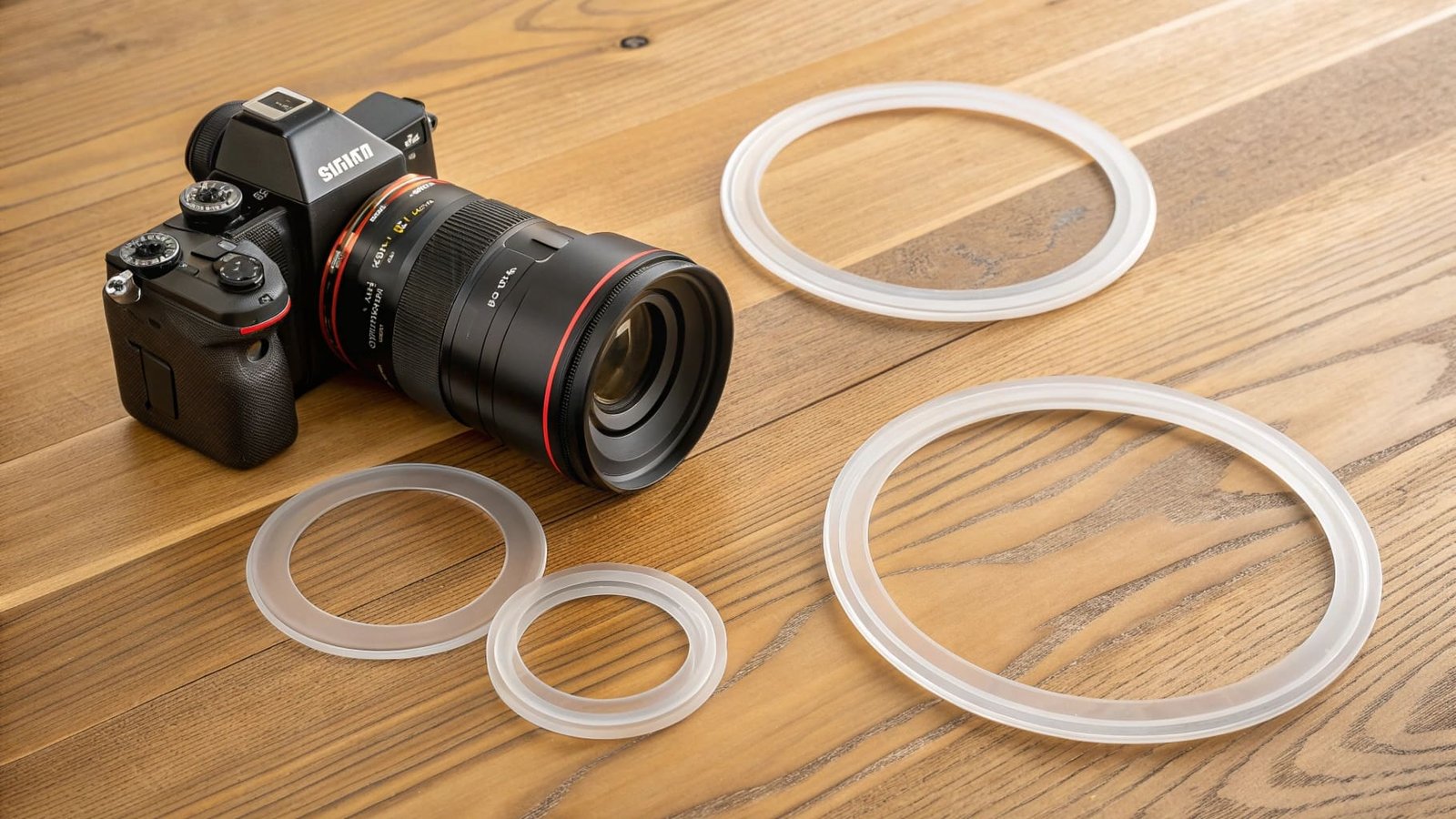
I remember when a Canadian client called me after his previous supplier shipped non-certified rings. His entire batch failed inspection. He lost the peak season. That conversation changed how I approach O-ring sourcing. Now I share what I learned over ten years in this business.
How Long Does Silicone Leach Into Food?
Your customers worry about chemicals in their drinks. You worry about liability. One bad batch could destroy your brand reputation and trigger costly recalls.
Properly cured platinum-catalyzed silicone2 shows no measurable leaching at normal temperatures. FDA-approved food-grade silicone remains stable from -40°C to 200°C. Testing shows less than 0.01 ppm migration under standard use conditions.
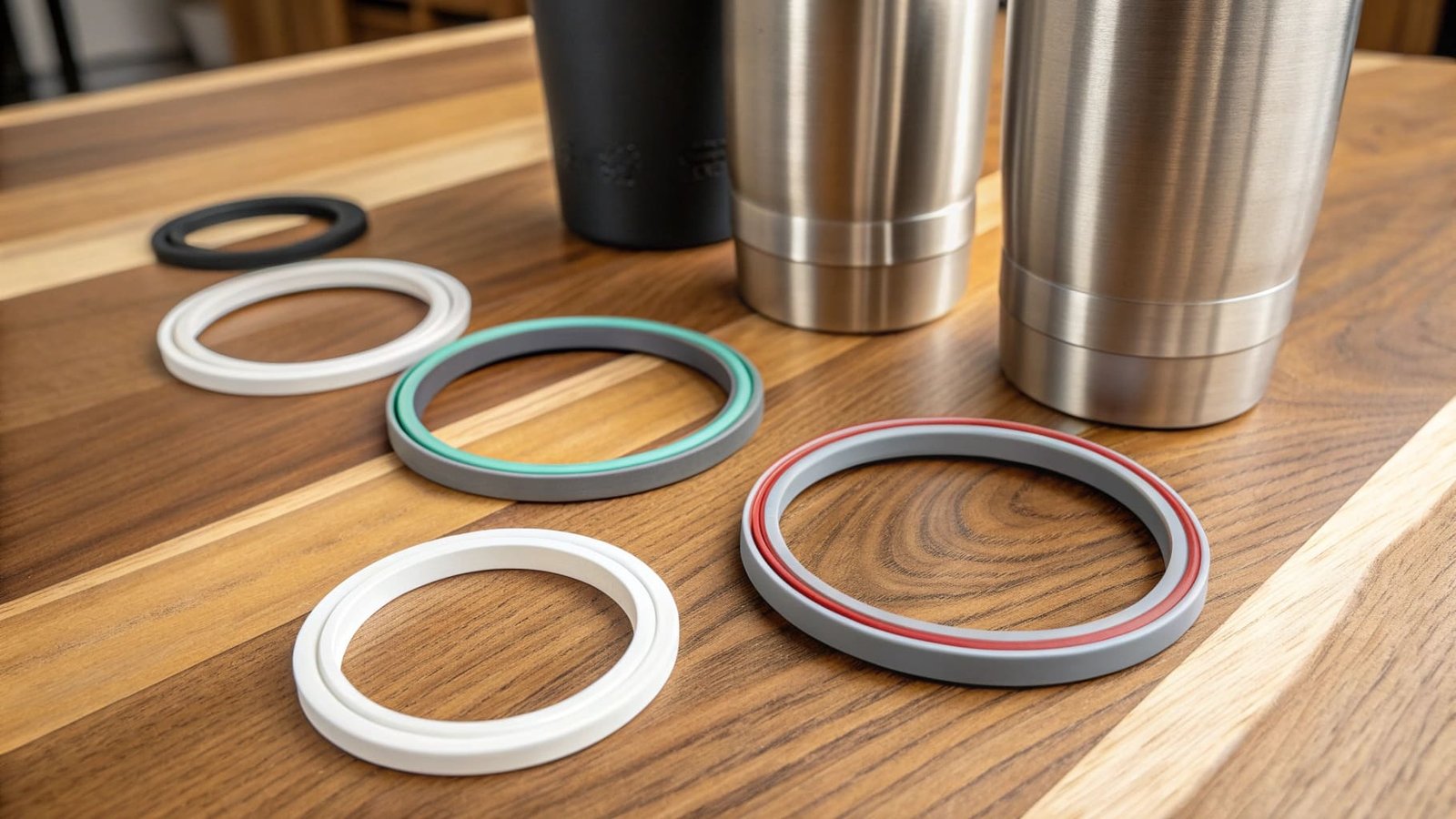
Understanding Silicone Leaching Mechanisms
Food-grade silicone contains long polymer chains that stay stable. The curing process determines leaching potential. Platinum-cure silicone creates complete crosslinks. Peroxide-cure methods leave residual catalysts that can migrate.
Temperature affects leaching rates. Room temperature water contact shows virtually zero migration. Hot liquids above 100°C increase molecular activity. But quality silicone still stays within safe limits.
Time also matters. New silicone rings need proper post-curing. We bake our rings at 200°C for four hours. This removes any volatile compounds. Uncured silicone smells like chemicals. Properly cured silicone has no odor.
Testing Standards and Real-World Performance
| Test Standard | Temperature | Duration | Acceptable Leaching Level |
|---|---|---|---|
| FDA CFR 177.2600 | 121°C | 2 hours | <0.5% extractables |
| LFGB | 100°C | 2 hours | <10 mg/kg migration |
| NSF-51 | Room temp | 7 days | <0.01 ppm toxins |
I test every batch we produce. The certificates sit in my warehouse. But I also do real-world testing. I fill bottles with lemon water. I leave them for weeks. I check for taste changes. Good silicone passes every time.
Bad suppliers skip post-curing. They ship fresh rings to save time. Those rings leach chemicals. Your customers taste it. They return the bottles. You lose money and reputation.
Factors That Accelerate Degradation
Acidic liquids speed up wear. Coffee and juice contain acids. They attack weak polymer bonds. Quality silicone resists this. But cheap grades break down in months.
UV light degrades low-grade silicone. Bottles left in cars get hot. Sunlight hits the seals. Poor silicone turns brittle. Cracks form. Leaks start.
Physical stress matters too. Over-tightened caps crush O-rings. Repeated opening and closing causes wear. Premium silicone keeps its shape. Budget grades deform permanently.
What Company Makes The Best Silicone Rings?
You need a supplier who answers emails quickly. You need certificates that pass customs. You need shipments that arrive on time for your selling season.
The best silicone ring manufacturers hold multiple certifications and provide complete material traceability. Look for suppliers offering FDA, LFGB, and ISO 9001 compliance. Quality manufacturers share detailed test reports and use transparent platinum-cure processes.
Key Qualities of Top-Tier Suppliers
Communication speed separates good suppliers from bad ones. I respond to emails within four hours. I send photos of production progress. I share tracking numbers before you ask.
Certification depth matters more than brand names. Any factory can claim FDA approval. Few actually test every batch. I keep test reports for five years. Customs officers see them regularly.
Production capacity determines reliability. Small workshops cannot handle rush orders. They delay shipments. Large factories ignore small customers. Mid-size manufacturers like mine balance both needs.
Evaluating Supplier Capabilities
| Capability | Questions to Ask | Red Flags |
|---|---|---|
| Certification | Can you provide batch-specific test reports? | Generic certificates without batch numbers |
| Production | What is your daily output capacity? | Vague answers or unrealistic claims |
| Quality Control | How do you test each batch? | No in-house testing equipment |
| Communication | Who will handle my account directly? | Different people respond each time |
I lost a customer once because I promised a delivery date I could not meet. The Spring Festival came early that year. My production stopped. His peak season passed. He found another supplier. That mistake taught me to under-promise and over-deliver.
Custom Formulation Capabilities
Standard O-rings fit most applications. But some bottles need special grades. Extra-soft silicone for kids' bottles. High-temperature grades for hot coffee. UV-resistant compounds for outdoor use.
Good suppliers formulate custom blends. We adjust hardness from Shore A 40 to 80. We add pigments for brand colors. We modify tear resistance for specific applications.
Bad suppliers offer only stock compounds. They push you toward standard sizes. Your product becomes generic. You cannot differentiate in the market.
What Is Safer, Silicone Or Stainless Steel?
Your customers ask about material safety. You want products that last years without issues. One material failure could mean thousands of returns.
Both food-grade silicone and 304 stainless steel3 meet safety standards for water bottles. Silicone offers flexibility and better sealing properties. Stainless steel provides superior durability and heat resistance. The best water bottles combine both materials strategically.
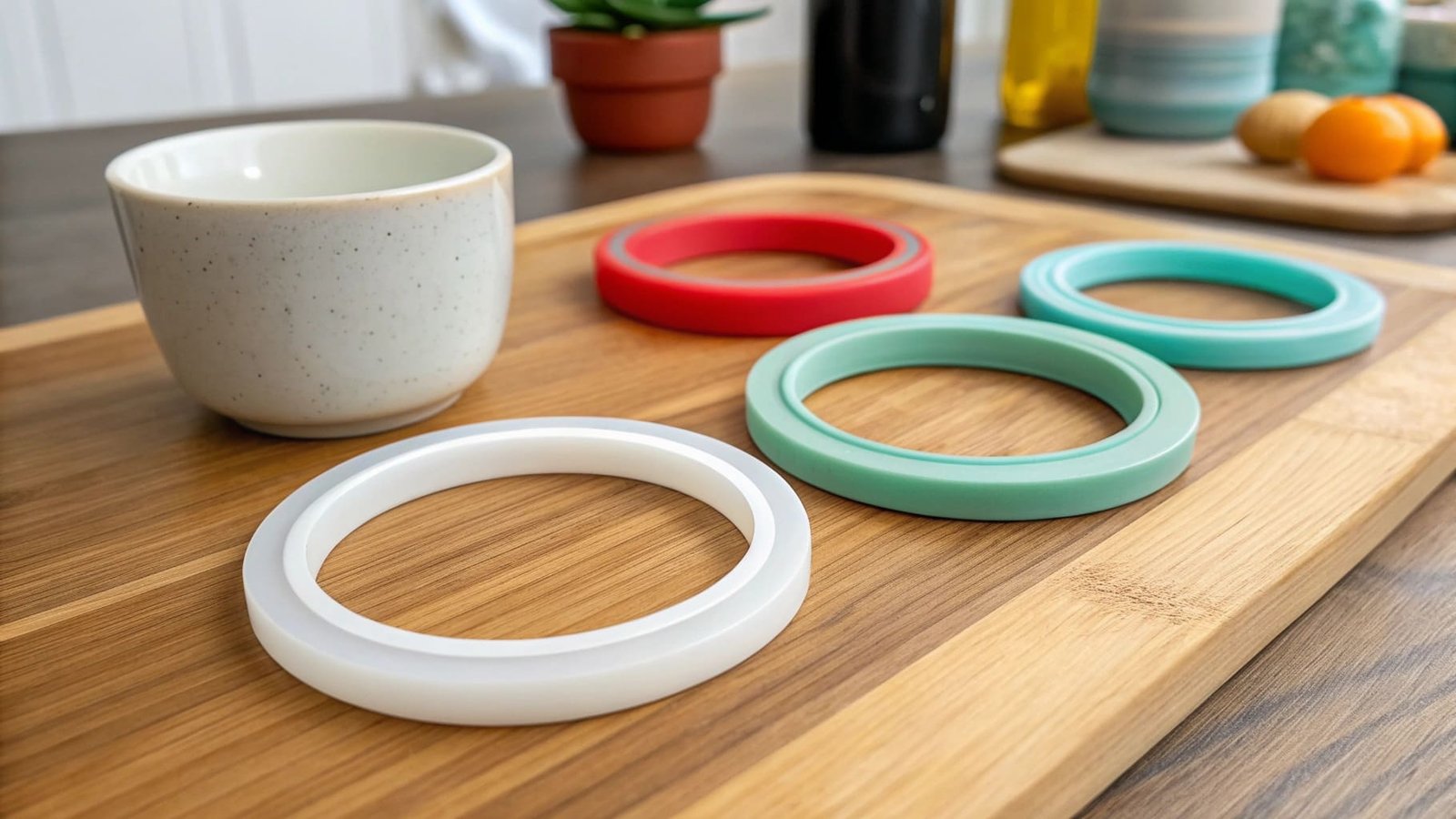
Material Properties Comparison
Stainless steel wins on hardness. It resists dents and scratches. Metal lasts decades. But steel cannot compress. It cannot seal gaps. It needs gaskets.
Silicone excels at sealing. It compresses and rebounds. It fills microscopic gaps. This prevents leaks. But silicone tears if cut. It wears faster than metal.
Temperature tolerance differs. Steel handles open flames. Silicone melts above 250°C. But bottles rarely see extreme heat. Both materials work fine for normal use.
Chemical Resistance Analysis
| Material | Acidic Liquids | Alkaline Liquids | Oils | Alcohols |
|---|---|---|---|---|
| 304 Stainless Steel | Excellent | Excellent | Excellent | Excellent |
| Food-Grade Silicone | Good | Excellent | Excellent | Good |
| Cheap Silicone | Poor | Fair | Fair | Poor |
Stainless steel resists all common beverages. Coffee, juice, and soda cannot harm it. Salt water and chlorine may cause pitting over years. But normal use shows no degradation.
Quality silicone handles most liquids well. Water, juice, and coffee cause no issues. Strong alcohol above 40% may swell cheap silicone. Our premium grades resist this.
Oils challenge both materials differently. Steel stays inert. Silicone may absorb oil molecules. This causes temporary swelling. The ring returns to normal size after drying.
Optimal Design Integration
Smart manufacturers use both materials. Steel bodies provide structure. Silicone O-rings create seals. Silicone boots protect bottle bottoms. This combination leverages each material's strengths.
I design products this way. The bottle body uses 304 steel. The lid gasket uses 60-Shore silicone. The base boot uses 50-Shore silicone. Each component uses the best material for its function.
Some brands use all-silicone products. These work for soft bottles and baby products. But they lack rigidity. They cannot maintain shape under pressure.
Others use all-metal designs. These look premium. But they need precise machining. Tiny gaps cause leaks. Metal-on-metal seals wear quickly.
Long-Term Performance Considerations
Steel maintains performance for years. Silicone needs replacement eventually. O-rings wear after 1-2 years of daily use. This creates an aftermarket opportunity.
I sell replacement O-ring kits. Customers buy bottles once. They buy replacement seals multiple times. This builds recurring revenue. Smart brands plan for this from the start.
Product liability matters too. Steel rarely fails. Silicone tears predictably. Clear maintenance instructions protect you legally. Tell customers to replace seals annually.
Conclusion
Quality O-ring kits require proper certifications, platinum-cure silicone, and reliable suppliers. Combine materials strategically. Test thoroughly. Your customers will notice the difference.
-
Discover the advantages of platinum-cure silicone, known for its superior quality and safety in food-grade applications. ↩
-
Discover the unique properties of platinum-catalyzed silicone and its benefits for food-grade applications. ↩
-
Learn about the benefits of 304 stainless steel, a popular choice for durable and safe water bottle manufacturing. ↩