Best Silicone O-Rings Set for Wholesale Food-Grade Sealing Solutions
You just lost a $50,000 order because your O-rings failed the customer's quality audit. Your supplier claimed they were food-grade, but the test reports told a different story.
Food-grade silicone O-rings need FDA or LFGB certification1, temperature resistance from -60°C to 230°C, and Shore A hardness between 40-70A. These specifications ensure safe food contact and reliable sealing performance in wholesale applications.
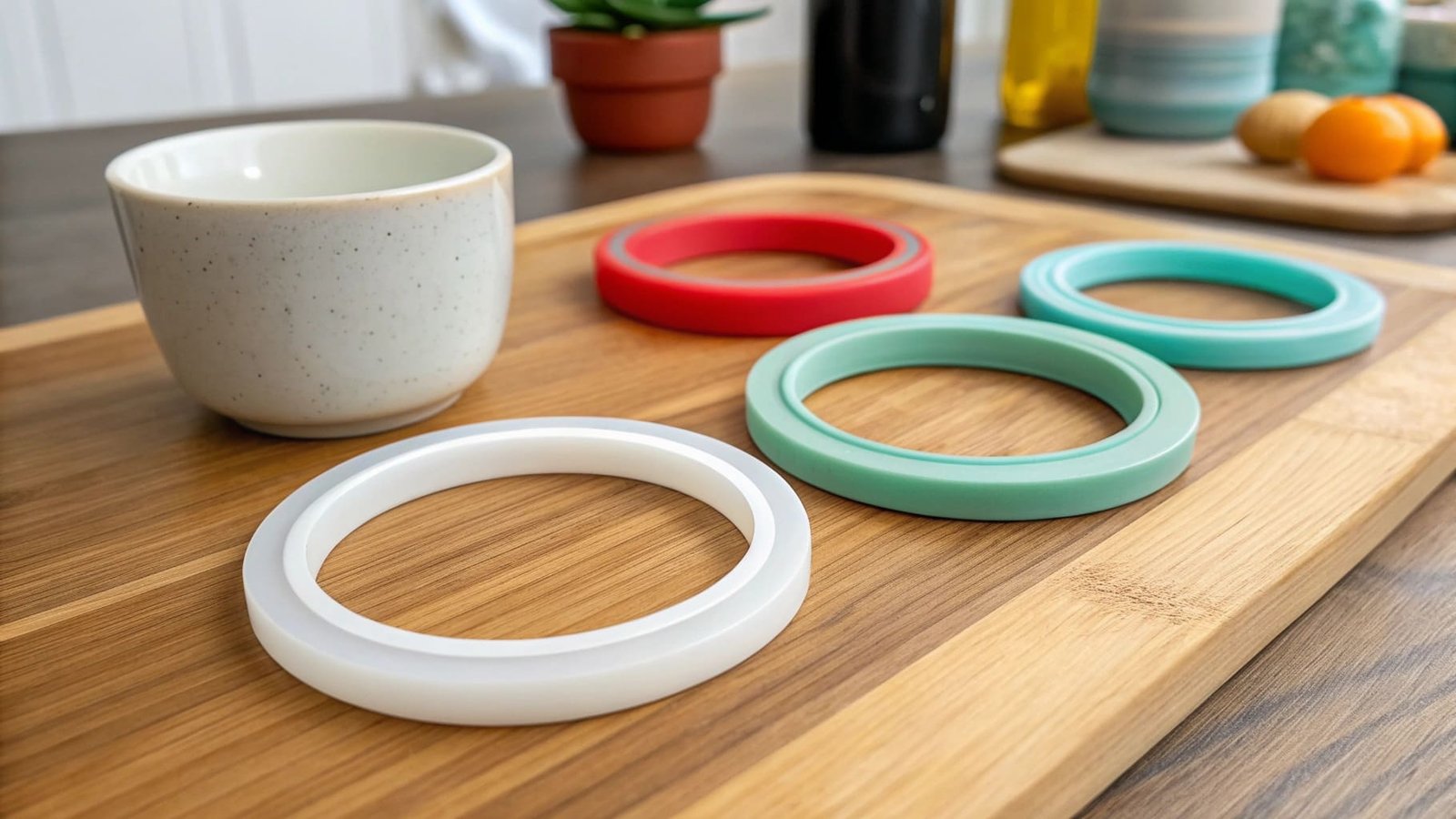
I remember sitting in a customer meeting three years ago. The procurement manager from a beverage company asked me a simple question that I could not answer properly at that time. He wanted to know why some O-rings smell weird after a few weeks while others do not. I had no clear explanation. That moment pushed me to learn everything about food-grade sealing materials. Today I will share what I discovered through years of testing and supplier audits.
Which Brand is Best for Rings?
You see dozens of brand names at trade shows. They all claim to be the best. Your boss wants answers, but you feel overwhelmed by marketing noise.
Brand names matter less than certification documents. Look for suppliers with FDA 21 CFR 177.2600, LFGB, or REACH compliance certificates. These prove food-contact safety regardless of the company logo on the packaging.
I visited 47 factories across Guangdong Province last year. Some had fancy showrooms but no testing equipment. Others looked plain but showed me comprehensive batch tracking systems. The difference became clear when I requested third-party lab reports2. Real manufacturers handed me documents within minutes. Fake ones made excuses or offered vague promises.
Here is what separates reliable suppliers from questionable ones. First, they maintain clean production zones with air filtration systems. Dust and contaminants ruin food-grade products. Second, they use virgin silicone material, not recycled compounds mixed with unknown substances. Third, they test every production batch, not just random samples once per quarter.
The certification process tells you more than brand reputation. FDA registration requires annual facility inspections and material disclosure statements. LFGB testing involves migration analysis where O-rings sit in food simulants for extended periods. If nothing leaches out, the product passes. REACH certification ensures zero restricted substances from a list of over 200 chemicals. A supplier with all three certificates invested serious money into quality control. That investment protects your business better than any brand promise.
Batch traceability separates professionals from amateurs. Each O-ring set should have a lot number linking back to raw material sources, production dates, and quality test results. When a problem occurs, you trace it instantly instead of guessing which batch caused the issue. I learned this after a customer found inconsistent hardness in one shipment. My supplier pulled records within two hours, identified the specific production run, and replaced the entire order at no cost. That is the kind of partner you need.
Which is Better Rubber or Silicone?
Your finance team sees the price difference and questions your material choice. Rubber O-rings cost 40% less than silicone alternatives. The numbers look tempting on paper.
Silicone O-rings outperform rubber in food applications due to superior temperature range, chemical stability, and non-toxicity. Silicone works from -60°C to 230°C while maintaining flexibility and sealing integrity without releasing harmful substances.
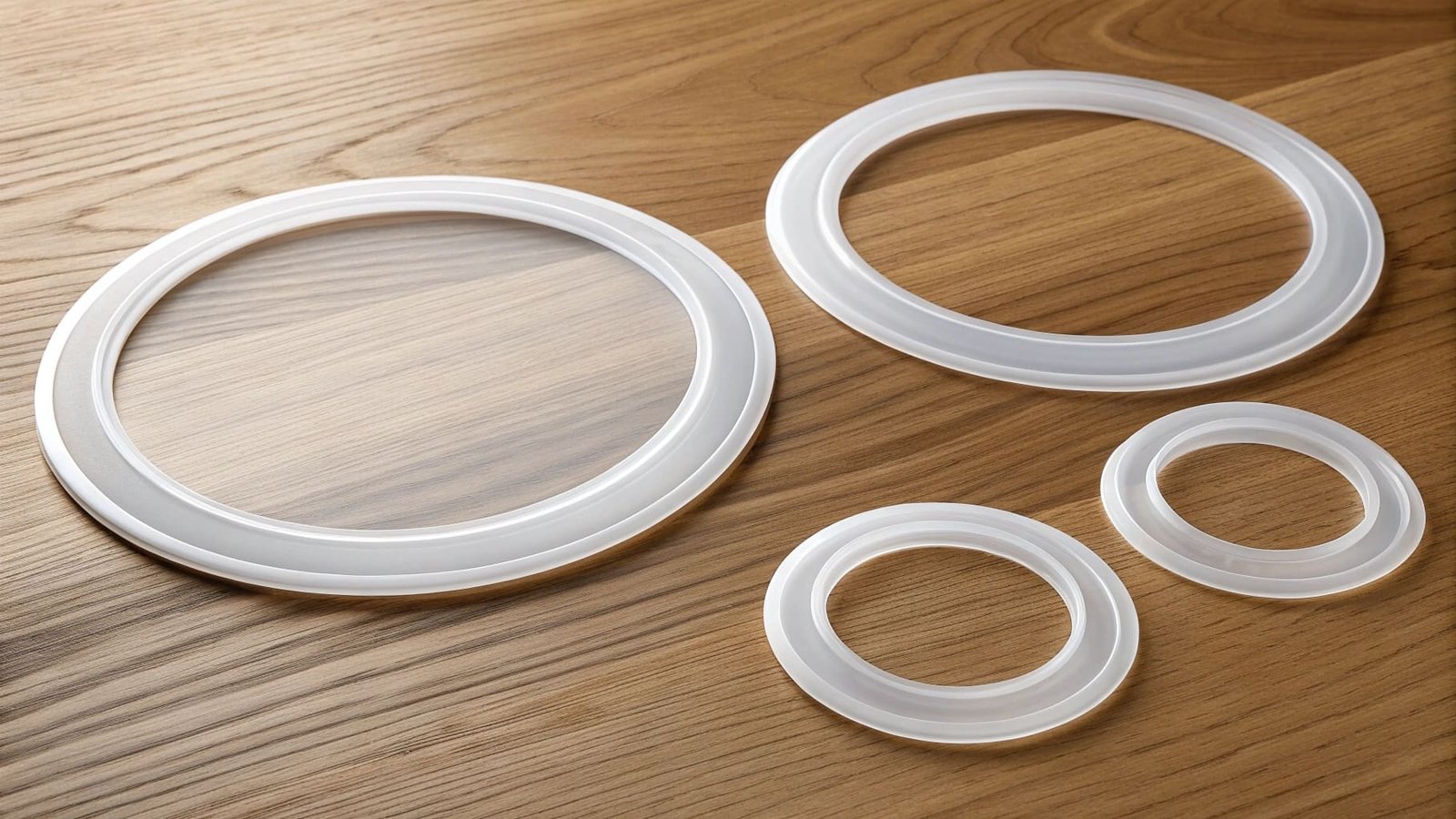
I made the rubber mistake once. A customer needed O-rings for coffee machine parts. I suggested rubber because the order quantity was small and they wanted lower costs. Three months later, their end customers complained about strange tastes in the coffee. The rubber O-rings degraded from hot water exposure and contaminated the beverages. My customer lost retail accounts. I lost their trust and spent twice the original order value fixing the problem with proper silicone replacements.
Temperature performance matters more than most buyers realize. Rubber becomes brittle below 0°C and melts above 100°C. Your cold storage equipment and steam sterilization processes destroy rubber seals quickly. Silicone maintains elasticity across extreme temperatures. I have test samples that went through 500 freeze-thaw cycles without cracking. Rubber samples failed after 50 cycles.
Chemical resistance decides material lifespan in real working conditions. Food processing involves oils, acids, alkaline cleaning solutions, and alcohol-based sanitizers. Rubber swells when exposed to oils, hardens from acid contact, and degrades under alkaline cleaners. The seal fails. Leaks start. Production stops. Silicone stays chemically inert. It does not react with food substances or cleaning agents. Your maintenance costs drop because O-rings last three to five times longer.
The toxicity issue creates legal risks you cannot afford. Rubber contains accelerators, stabilizers, and plasticizers that migrate into food over time. These substances fail regulatory testing and trigger product recalls. Silicone uses platinum-cure or peroxide-cure processes that leave zero toxic residues. Food safety authorities worldwide approve platinum-cure silicone for direct food contact. One recall costs more than switching to silicone for your entire product line.
How to Know if a Ring is Good Quality?
You receive samples from three suppliers. They look identical. The prices vary by 30%. You need objective criteria to make the right choice.
Quality silicone O-rings show Shore A hardness between 40-70A, tensile strength above 7 MPa, elongation over 400%, and low compression set values. Request third-party lab reports showing these specifications with batch numbers and test dates.
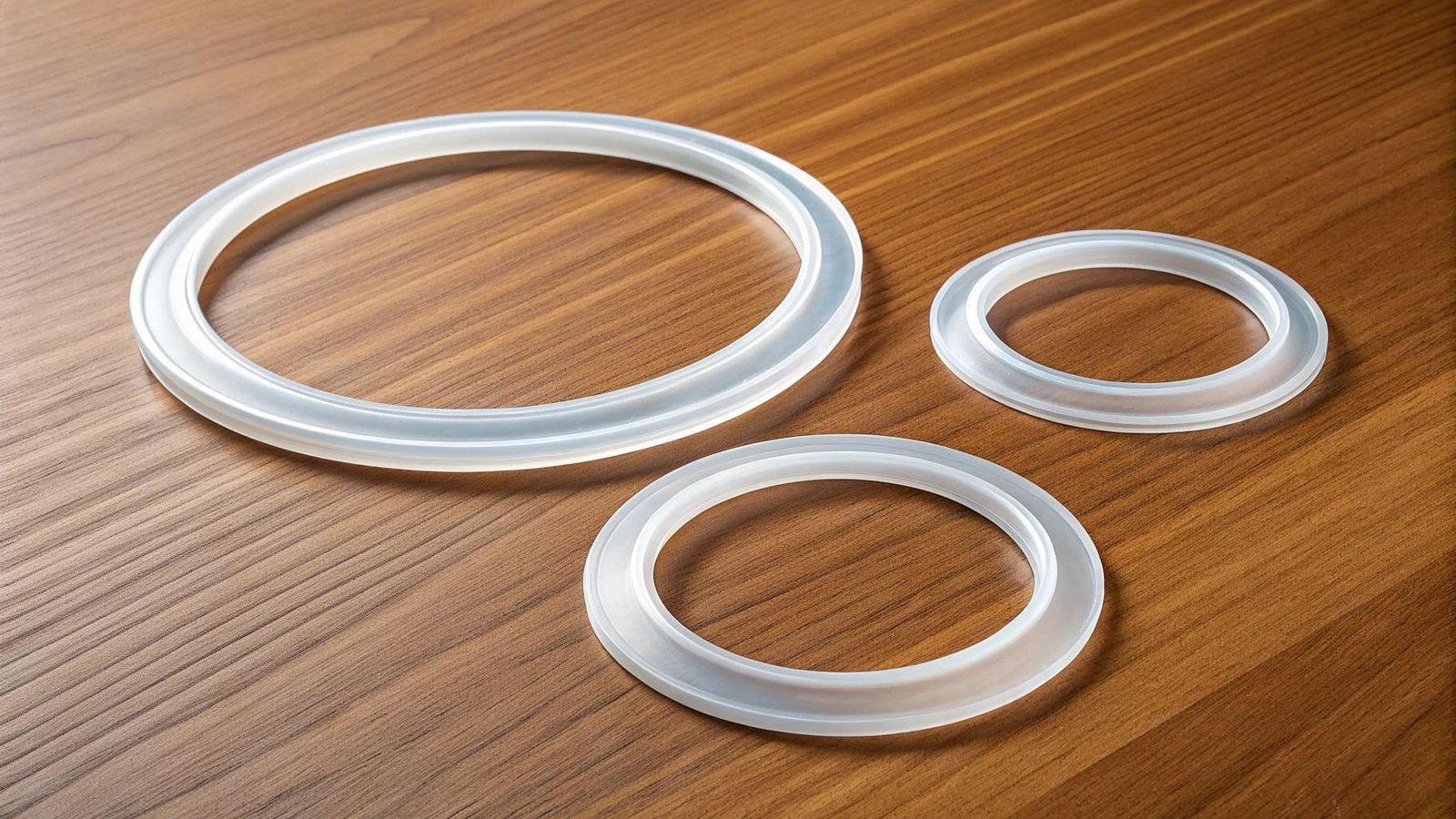
The hardness test tells you how well the O-ring seals under compression. Too soft means the ring squeezes out from the groove under pressure. Too hard means it cannot conform to surface irregularities and leaves gaps for leaks. I test samples with a Shore A durometer at five different points. Good O-rings show hardness variation within 2 points across the entire surface. Poor quality O-rings vary by 5-8 points, indicating inconsistent mixing or curing.
Visual inspection reveals manufacturing quality before any lab testing. Hold the O-ring up to strong light. Look for air bubbles trapped inside the material. Bubbles create weak points that tear under stress. Check the parting line where mold halves meet. A smooth, barely visible line means precision tooling. Thick, raised parting lines with flash material indicate worn molds and sloppy production standards.
Surface texture matters for sealing performance. Run your finger around the entire circumference. The surface should feel smooth and uniform without sticky spots or rough patches. Sticky areas mean improper curing or contamination during production. Rough patches indicate material degradation or foreign particles mixed into the compound.
Dimensional accuracy determines whether the O-ring fits your application correctly. Measure the inner diameter, outer diameter, and cross-section thickness with digital calipers. Compare measurements against your specifications. Quality suppliers hold tolerances within ±0.2mm. Poor suppliers ship O-rings with variations up to ±0.8mm. That difference causes assembly problems and seal failures.
The compression set test predicts long-term performance better than any other measurement. This test compresses the O-ring to a specific height for 22 hours at elevated temperature, then measures how much it recovers after release. Good silicone O-rings show compression set below 25%, meaning they return to at least 75% of original thickness. Cheap O-rings stay compressed permanently and lose sealing ability after a few months of use.
Color consistency across batches indicates process control stability. I keep reference samples from previous orders and compare them with new shipments under daylight conditions. Color shifts suggest formula changes or contamination. Reliable suppliers maintain identical color batch after batch because they follow strict material handling protocols.
Request the material safety data sheet and read it carefully. This document lists all ingredients and their concentrations. Food-grade silicone should contain no aromatic hydrocarbons, no heavy metals, and no volatile organic compounds above trace levels. If the supplier cannot provide this document or redacts ingredient information, find another source immediately.
Testing costs money but prevents disasters. I send samples from each new supplier to an independent lab for full analysis. The lab confirms material composition, measures mechanical properties, and runs migration tests simulating food contact conditions. This investment costs around $800 per supplier but saves millions in potential recall expenses and reputation damage.
Conclusion
Focus on certifications over brands, choose silicone over rubber, and verify quality through systematic testing with documented proof from independent laboratories.