Best Silicone Stretch Lids for Food Service Wholesale in North America
I see procurement officers struggle with single-use waste costs daily. Your operation needs reusable solutions that actually last through commercial dishwashers. But finding quality stretch lids is harder than you think.
Silicone stretch lids1 offer the best value for North American food service wholesale because they reduce replacement costs, meet strict FDA compliance2, and survive hundreds of commercial dishwasher cycles. Quality matters more than price when you calculate total ownership cost.
I have worked with over 200 food service distributors in North America. The same question comes up every time. They want to know if silicone products can handle real commercial environments. The answer depends entirely on the supplier you choose. Let me share what I learned from years of helping buyers like you avoid costly mistakes.
Are Silicone Lids Dishwasher Safe?
Your kitchen staff cannot hand-wash hundreds of lids daily. Commercial dishwashers run at extreme temperatures. Poor quality silicone fails fast. You need lids that survive your toughest cycles without losing their stretch.
Yes, premium food-grade silicone3 lids are completely dishwasher safe. They withstand temperatures up to 450°F in commercial machines. Quality platinum-cured silicone maintains elasticity and sealing performance after hundreds of high-temperature cycles without degradation.
I need to explain why some silicone lids fail while others last years. The manufacturing process makes all the difference. We use platinum-cured silicone at our factory. This process costs more but creates a stable molecular structure. The alternative is peroxide-cured silicone4. It looks identical at first. But peroxide-cured products break down faster under heat stress.
Here is what happens in a commercial dishwasher cycle:
| Dishwasher Stage | Temperature | Impact on Low-Grade Silicone | Impact on Platinum-Cured Silicone |
|---|---|---|---|
| Pre-wash | 120°F | Slight softening | No change |
| Main wash | 150-180°F | Loss of elasticity begins | Maintains full elasticity |
| Sanitize | 180-210°F | Accelerated degradation | Stable performance |
| Drying | 200°F+ | Potential warping | Shape retention |
I visited a restaurant chain in Toronto last year. They bought cheap silicone lids from a broker. The lids lasted only three months. They developed micro-tears around the edges. The elastic rim stretched out. Food started leaking in storage. The restaurant wasted money replacing lids constantly. They also faced food safety concerns from the degraded material.
The real test is not the first ten cycles. Anyone can make silicone that survives a few washes. The question is what happens after 200 cycles. Our lids go through 500-cycle testing before we ship them. We document the results with photos. I send this data to serious buyers who understand the value of durability testing.
You should ask your supplier three specific questions. First, what curing method do they use? Second, can they provide dishwasher cycle test reports? Third, what is their warranty policy for commercial use? If they hesitate on any answer, you found a red flag.
Does Silicone Leach in the Dishwasher?
Your customers worry about chemicals getting into their food. Media coverage of plastic concerns makes everyone cautious. You need products that you can confidently market as safe. But not all silicone is created equal.
Pure food-grade silicone does not leach harmful chemicals during dishwasher cycles. The material remains stable and non-reactive at high temperatures. However, low-quality silicone blended with fillers or inadequately cured products can release substances that compromise food safety.
I need to break down the chemistry simply. Silicone is a polymer made from silicon, oxygen, carbon, and hydrogen. In its pure form, it creates extremely stable bonds. These bonds do not break down when exposed to heat, detergents, or water. This is why medical-grade silicone goes inside human bodies.
The problem starts when manufacturers cut corners. They add fillers to reduce costs. Common fillers include calcium carbonate, silica, or other minerals. These fillers are not always food-safe. They can also create weak points in the material structure. When hot water and strong detergents hit these weak points, the fillers may separate from the silicone matrix.
Here is the certification hierarchy you need to understand:
Basic Level
- No certification
- Manufacturer claims only
- High risk for buyers
Standard Level
- Single-country certification (FDA only)
- Limited testing scope
- Moderate risk reduction
Premium Level
- Multiple certifications (FDA, LFGB, REACH)
- Third-party lab testing
- Independent verification
- Lowest risk profile
I once helped a startup founder in California. He ordered 10,000 units from a supplier who promised FDA compliance. When the container arrived, he could not find any certification documents. He asked me to help verify the products. We sent samples to an independent lab. The test found excessive volatile organic compounds. The products failed food contact standards. He had to destroy the entire shipment. That mistake cost him $15,000 and three months of delays.
My factory maintains current certifications for all major markets. We update our testing annually. I keep digital copies of all reports. When you request them, I send them within 24 hours. This is not extra service. This is basic supplier responsibility.
You also need to understand the difference between material certification5 and product certification. Material certification means the raw silicone passed tests. Product certification means the finished lids passed tests. Always ask for product-level certification. The manufacturing process can introduce contaminants even if the raw material is clean.
What Is the Disadvantage of Silicone Mats?
Every product has limitations. I learned that hiding disadvantages destroys trust fast. Smart buyers want the full picture. They need to plan for real-world challenges. Let me share what your operation should expect.
Silicone stretch lids1 have three main disadvantages: higher initial cost compared to disposable options, potential staining from strongly colored foods like turmeric or tomato sauce, and vulnerability to damage from sharp objects. They also require proper storage space and staff training for correct usage.
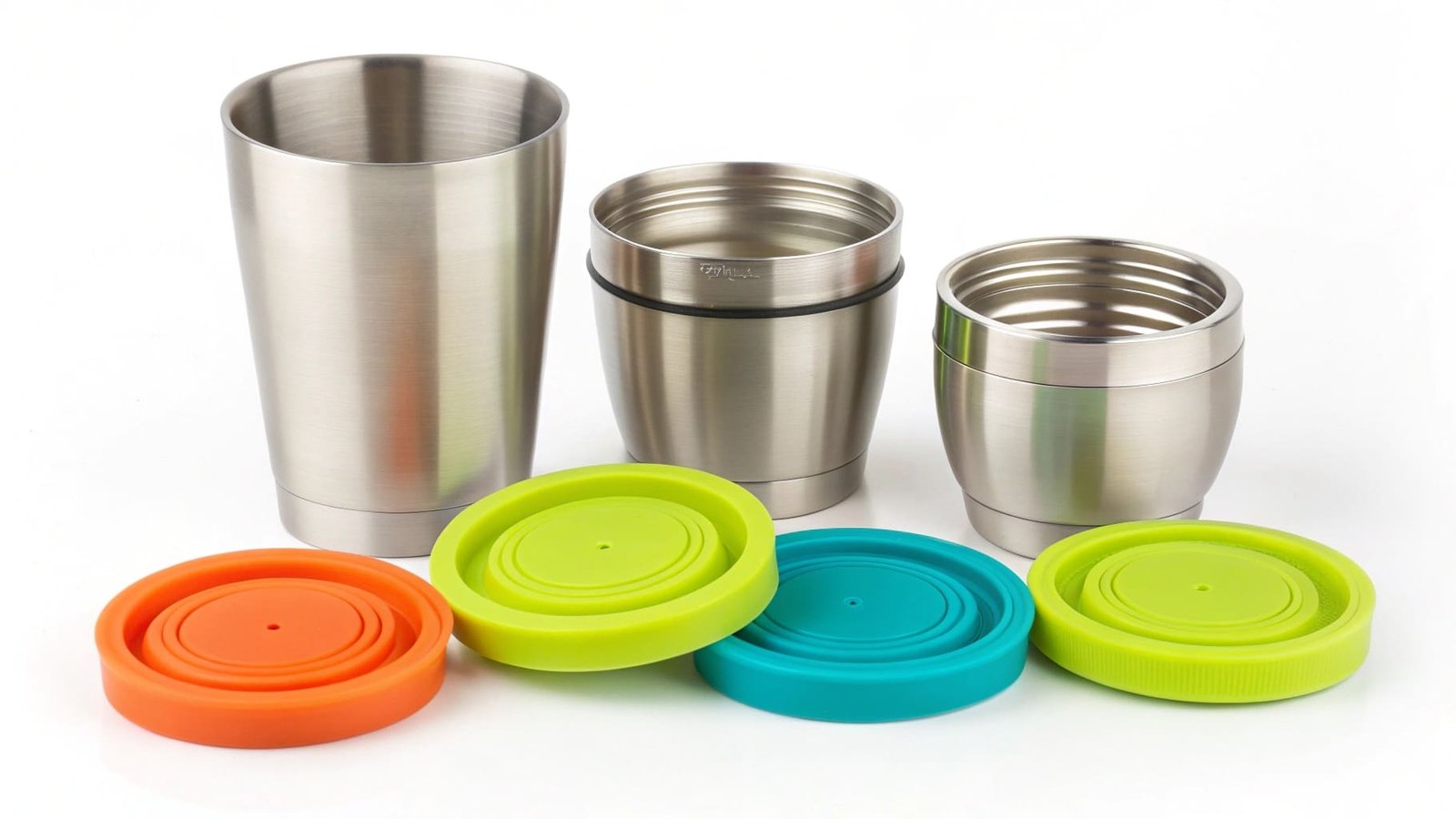
I work with food service operations across North America. The cost issue comes up first in every conversation. A silicone lid costs 5 to 10 times more than a plastic wrap roll. On paper, this looks expensive. But I need to show you the real math.
Let me use a real case study. A catering company in Vancouver switched from plastic wrap to our silicone lids. They used plastic wrap on 200 containers daily. Each wrap cost about $0.05. Their monthly plastic wrap cost was $300. They bought 150 silicone lids for $750. The payback period was 2.5 months. After that, they saved $300 monthly. But the real benefit was not just money. Their waste disposal costs dropped. They stopped dealing with sticky plastic waste. Their kitchen efficiency improved because staff spent less time wrapping containers.
Here is a comparison table for a typical food service operation:
| Factor | Plastic Wrap | Silicone Stretch Lids |
|---|---|---|
| Unit cost | $0.05 per use | $5.00 per lid |
| Expected uses | 1 (disposable) | 500+ cycles |
| Cost per use | $0.05 | $0.01 |
| Labor time | 15 seconds per wrap | 3 seconds per lid |
| Waste generated | High | None |
| Storage space needed | Moderate | Low |
| Staff training required | None | Minimal |
The staining issue is real but manageable. Turmeric, tomato sauce, and curry will discolor silicone. This does not affect safety or performance. It only affects appearance. Some buyers worry about customer perception. I tell them to embrace it. The staining actually proves the lids are being used and reused. It shows your commitment to sustainability.
Sharp objects are the enemy of silicone. A knife slice creates a permanent tear. You need to train staff to handle lids carefully. This means keeping lids away from cutting areas. It means storing them separately from sharp utensils. Most operational damage I see comes from poor storage practices.
The storage requirement surprises some buyers. Silicone lids need to stay clean and dust-free between uses. They cannot be stacked wet. They need air circulation for drying. A busy kitchen needs dedicated storage space. I recommend wall-mounted racks or drawer organizers. This keeps lids accessible while protecting them from damage.
Staff training is minimal but necessary. New employees need to understand three things. First, silicone stretches but has limits. Forcing a lid onto an oversized container will damage it. Second, lids need proper cleaning and drying. Third, damaged lids should be removed from service immediately. A five-minute training session covers everything.
The biggest disadvantage nobody mentions is supplier selection. The market has many low-quality producers. They offer prices that seem amazing. But their products fail fast. You end up spending more on replacements. This is why I focus on building long-term relationships. I want buyers to succeed. I want them to come back because the products performed well, not because they had to replace failures.
Conclusion
Silicone stretch lids work for serious food service operations when you source from verified suppliers. Focus on certifications, dishwasher testing data, and total cost calculations. Quality pays for itself through durability and operational efficiency.
-
Explore the advantages of silicone stretch lids for food service, including cost savings and sustainability. ↩ ↩
-
Understanding FDA compliance is crucial for ensuring food safety and quality in your operations. ↩
-
Learn about food-grade silicone and its significance in maintaining food safety and quality. ↩
-
Understand the drawbacks of peroxide-cured silicone to avoid costly mistakes in your kitchen. ↩
-
Understand the importance of certification levels to ensure product safety and compliance. ↩