Best Silicone Zipper Pulls for Bulk Orders in European B2B Markets
I struggled to find reliable silicone zipper pull suppliers who understood European compliance. Most manufacturers promised quality but delivered delays. One missed season cost me thousands in lost revenue.
The best silicone zipper pulls for European B2B bulk orders come from specialized silicone manufacturers1 who offer REACH and RoHS compliance, low MOQs starting at 3,000 pieces, and rapid 5-7 day sampling with Pantone color matching2 capabilities.
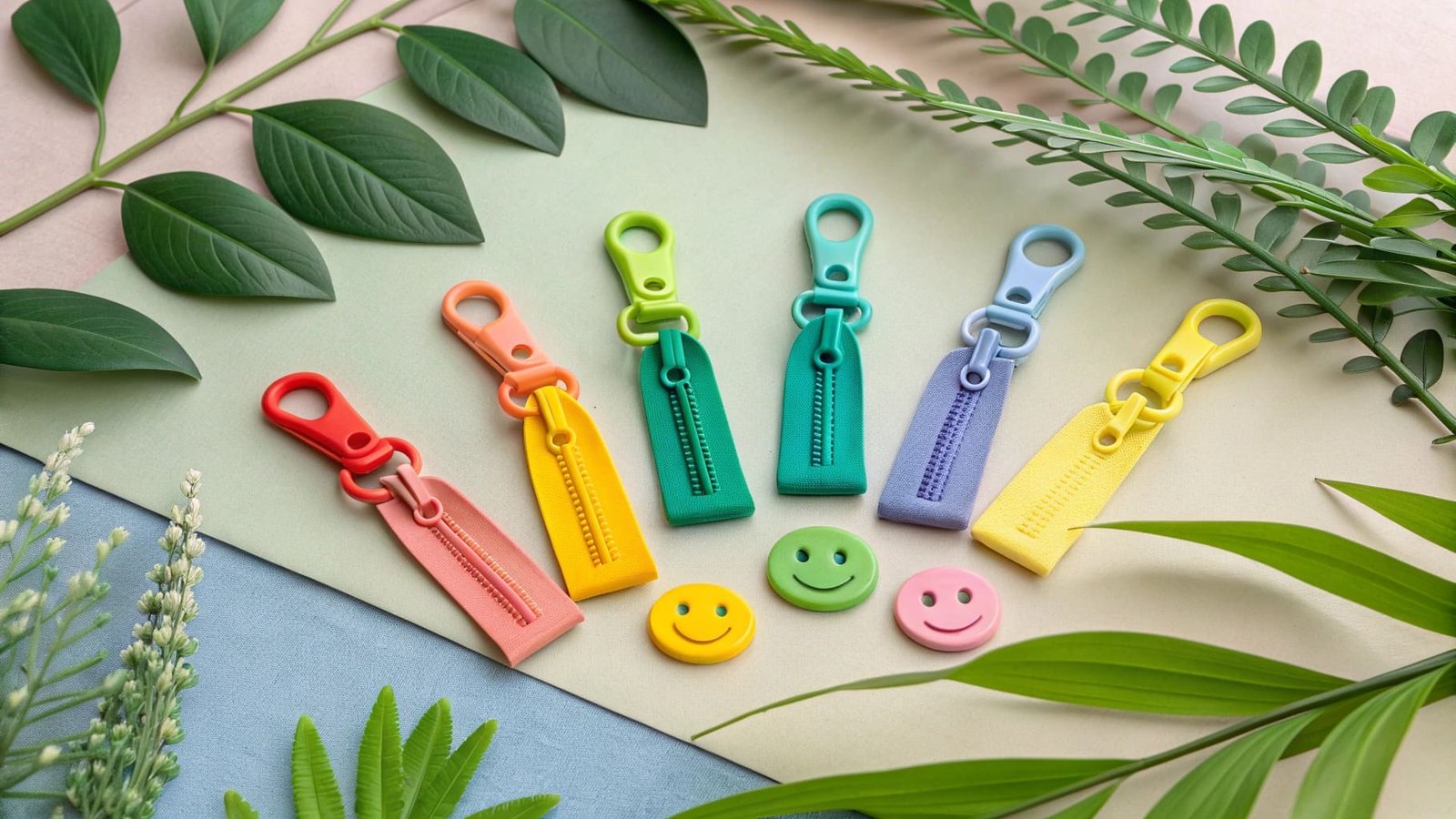
I learned this lesson the hard way. Three years ago, I sourced zipper pulls from a traditional zipper factory. They shipped late. The certification was questionable. My European clients rejected the entire batch. That experience taught me to focus on specialized silicone suppliers instead. They understand the unique needs of European markets. Let me share what I discovered about finding the right supplier for bulk orders.
Who is the best zipper manufacturer in the world?
YKK dominates global zipper production. But they focus on zippers themselves, not silicone accessories. I needed a different approach. Most European buyers face this same confusion.
YKK from Japan holds roughly 50% of global zipper market share and is considered the best zipper manufacturer. However, for silicone zipper pulls specifically, specialized silicone component manufacturers offer better customization and faster turnaround than traditional zipper makers.
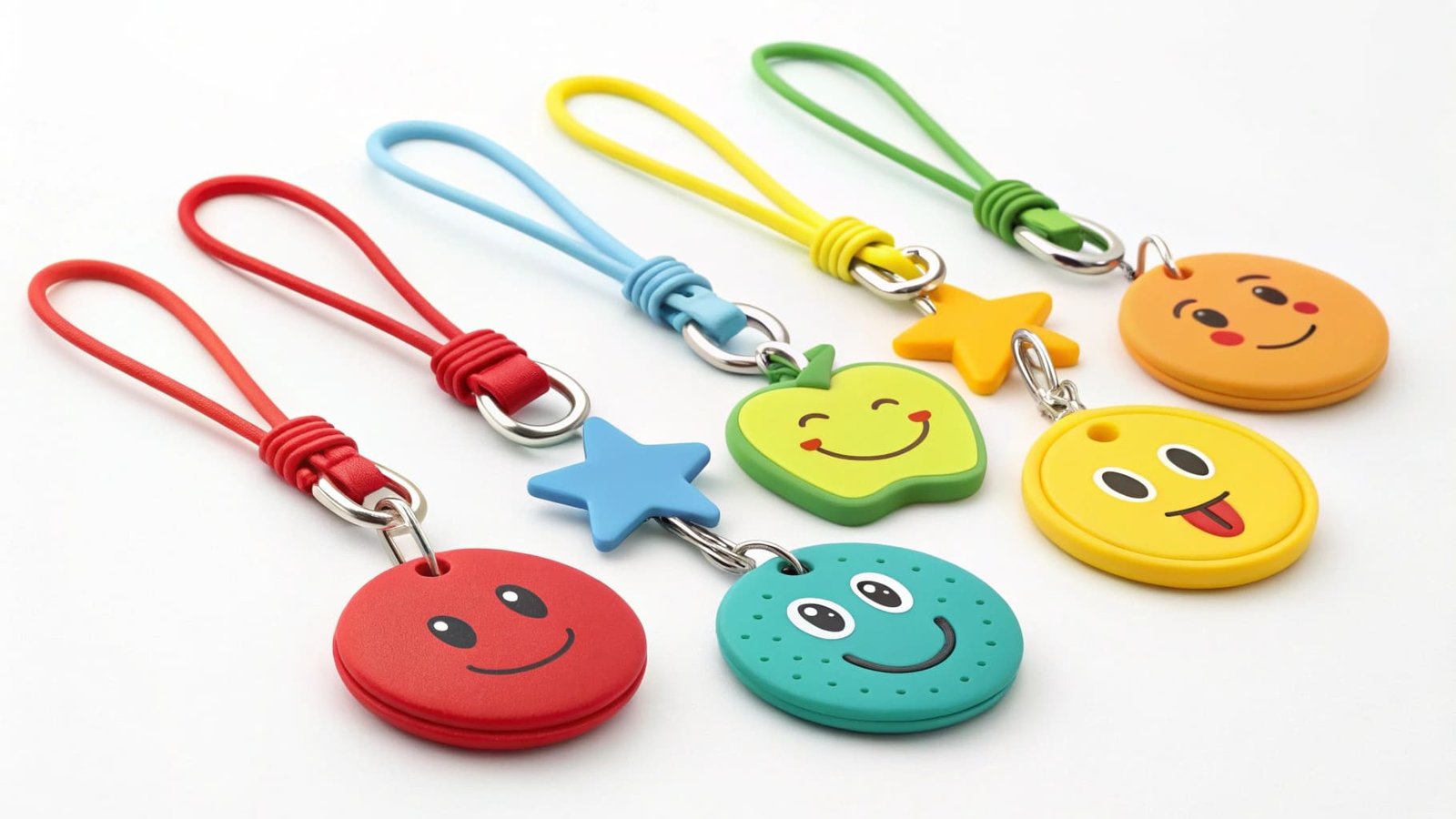
I contacted YKK once for custom silicone pulls. Their minimum order was 50,000 pieces. The lead time was four months. The customization options3 were limited to basic shapes. This did not work for my European clients who wanted unique designs with brand logos. I then approached three specialized silicone manufacturers in China. One responded within two hours. They sent samples in six days. The MOQ was only 5,000 pieces. The difference was striking.
Here is what I found when comparing different supplier types:
| Supplier Type | MOQ | Lead Time | Customization | EU Compliance |
|---|---|---|---|---|
| Traditional Zipper Manufacturers | 50,000+ pieces | 3-4 months | Limited shapes | Basic |
| General Silicone Factories | 10,000+ pieces | 6-8 weeks | Moderate | Variable |
| Specialized Silicone Pull Makers | 3,000-5,000 pieces | 3-4 weeks | Full custom molds | REACH/RoHS certified |
The specialized suppliers invested in understanding European regulations. They kept updated certification documents ready. They offered Pantone color matching2 as standard. This made the entire sourcing process smoother. My European clients appreciated the attention to compliance details. One outdoor gear brand in Germany specifically required REACH compliance documentation before placing any order. The specialized supplier I worked with had everything prepared in advance.
What is the world's largest zipper manufacturer?
YKK produces over seven billion zippers annually. They operate in 73 countries. Their scale is impressive. But scale does not always mean the best fit for every need.
YKK is the world's largest zipper manufacturer, producing over 7 billion zippers yearly across 73 countries. Despite their dominance in zipper production, smaller specialized silicone manufacturers often provide better solutions for custom zipper pull accessories in European B2B markets.
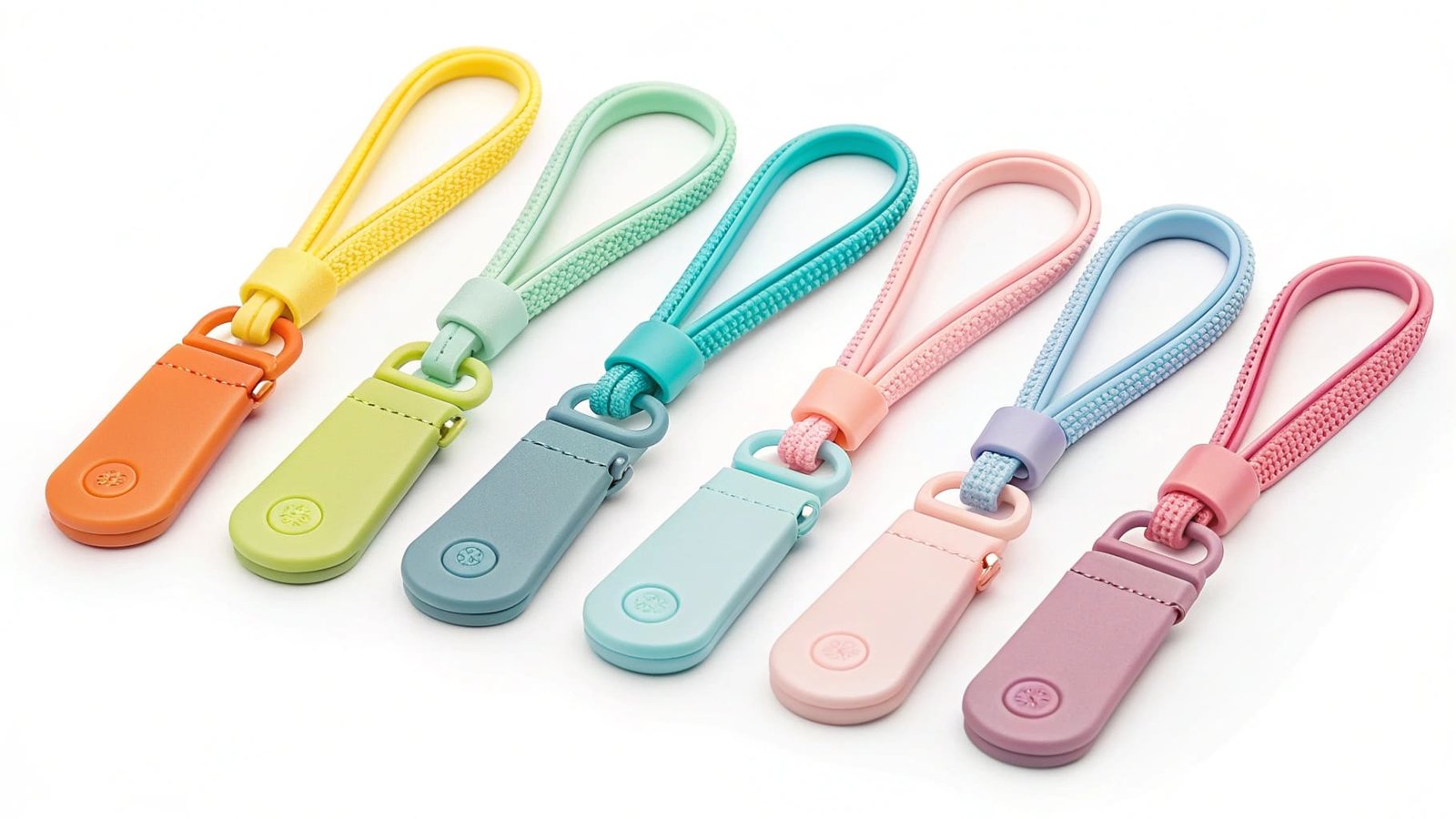
I visited a YKK facility during a trade show in Shanghai. The production lines were massive. Everything moved fast. The quality control4 was excellent. But when I asked about custom silicone pulls with unique shapes, they directed me to their standard catalog. The catalog showed maybe fifteen designs. My client needed a pull shaped like a mountain peak for their alpine gear line. This was not possible through traditional mass producers.
The real advantage of working with specialized silicone manufacturers came down to three factors. First, mold development flexibility. A good silicone supplier can create a new mold in 10-15 days. The cost ranges from 200 to 500 USD depending on complexity. Second, material options. European markets demand food-grade or medical-grade silicone for products that might contact skin frequently. Specialized suppliers stock these materials as standard. Third, small batch testing. Before committing to large orders, I could order 500-1,000 pieces for market testing. Large manufacturers cannot accommodate such small quantities profitably.
I remember working with a Swedish backpack brand. They wanted pulls that glowed in the dark for safety. A specialized silicone supplier mixed phosphorescent powder into the silicone compound. We tested different glow durations. The final product glowed for six hours after light exposure. No traditional zipper manufacturer offered this level of material customization. The Swedish brand sold out their first production run in three weeks.
What country was the zipper made in?
The modern zipper was invented in the United States. Whitcomb Judson patented an early version in 1893. Gideon Sundback improved it in 1913. But invention location matters less than current manufacturing excellence.
The zipper was invented in the United States, with Gideon Sundback perfecting the modern design in 1913. Today, China leads in silicone zipper pull manufacturing for European markets due to specialized production capabilities and strong compliance infrastructure.
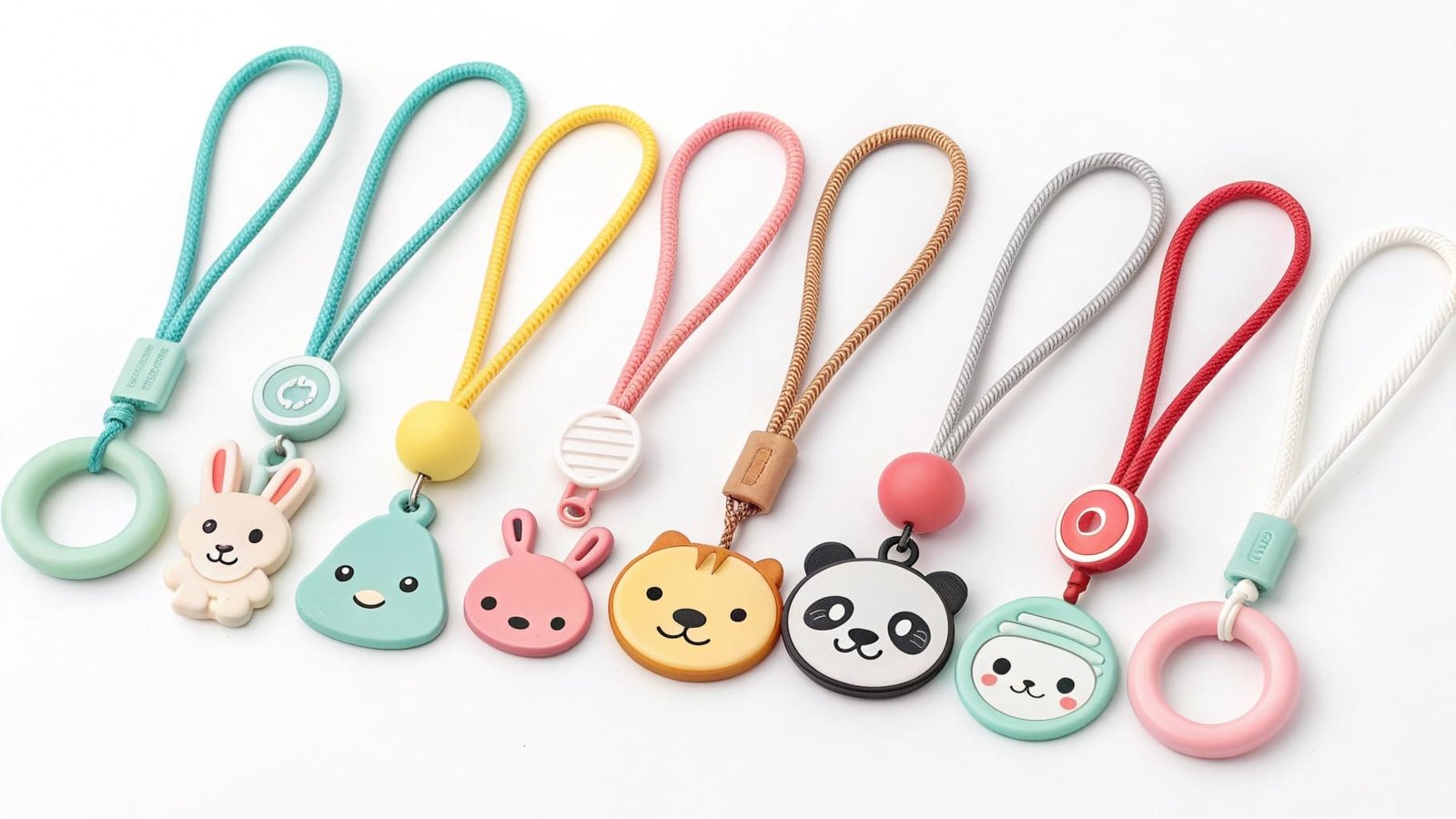
Understanding manufacturing origins helps, but current capabilities matter more. I source silicone zipper pulls from China, but not for the reasons most people assume. The real advantage is not just low cost. Chinese silicone manufacturers have built specific expertise in small-component production over the past fifteen years. They invested in precision molding equipment. They trained quality control teams familiar with European standards. They established relationships with certification bodies that European buyers recognize.
I compared suppliers from four countries for a large order last year. Here is what I learned:
| Manufacturing Country | Price Level | EU Compliance Knowledge | Customization Speed | English Communication |
|---|---|---|---|---|
| China | Competitive | Excellent | Fast (1-2 weeks) | Good |
| Vietnam | Similar to China | Developing | Moderate (3-4 weeks) | Basic |
| Turkey | 30% higher | Good | Slow (4-6 weeks) | Excellent |
| Portugal | 100% higher | Excellent | Very slow (6-8 weeks) | Native |
Chinese suppliers won not just on price. They understood what European buyers needed. One supplier I work with keeps a database of REACH-restricted substances. They test incoming raw materials against this list automatically. Another supplier has a German quality engineer on staff who reviews all EU-bound orders. These operational details made my job easier. My European clients trusted the process.
The location where a zipper pull is manufactured matters less than the supplier's commitment to European market requirements. I rejected a domestic European supplier once because they could not provide silicone hardness testing reports. Meanwhile, my Chinese supplier includes durometer readings with every shipment. They understand that European buyers need documentation for their own quality assurance processes.
Last month, a French luggage manufacturer asked for pulls that could withstand temperatures from negative 40 to positive 80 degrees Celsius. My supplier ran cold chamber and heat aging tests. They documented everything. The French company approved the order immediately. This level of technical support exists because Chinese silicone manufacturers invested in serving demanding international markets. The zipper's American invention history is interesting. But current manufacturing excellence determines where I source my products.
Conclusion
Finding the right silicone zipper pull supplier means focusing on specialization, compliance expertise, and customization capability rather than relying on traditional zipper manufacturers or assuming historical invention locations determine current quality standards.
-
Find reliable manufacturers that specialize in silicone products for your needs. ↩
-
Explore the importance of Pantone color matching in achieving brand consistency. ↩ ↩
-
Learn about the various customization options to create unique products for your brand. ↩
-
Explore effective quality control practices to ensure product reliability and safety. ↩