Best Waterproof Gasket Kit for Industrial Tumbler Manufacturing Europe
Your tumbler production line keeps failing seals. Water leaks damage your products. Your certification audits reveal non-compliance issues that threaten your European operations.
Silicone waterproof gasket kits work best for European industrial tumbler manufacturing. They meet REACH and FDA standards1. They resist temperatures from minus forty to two hundred degrees Celsius. They maintain sealing integrity through thousands of cycles.
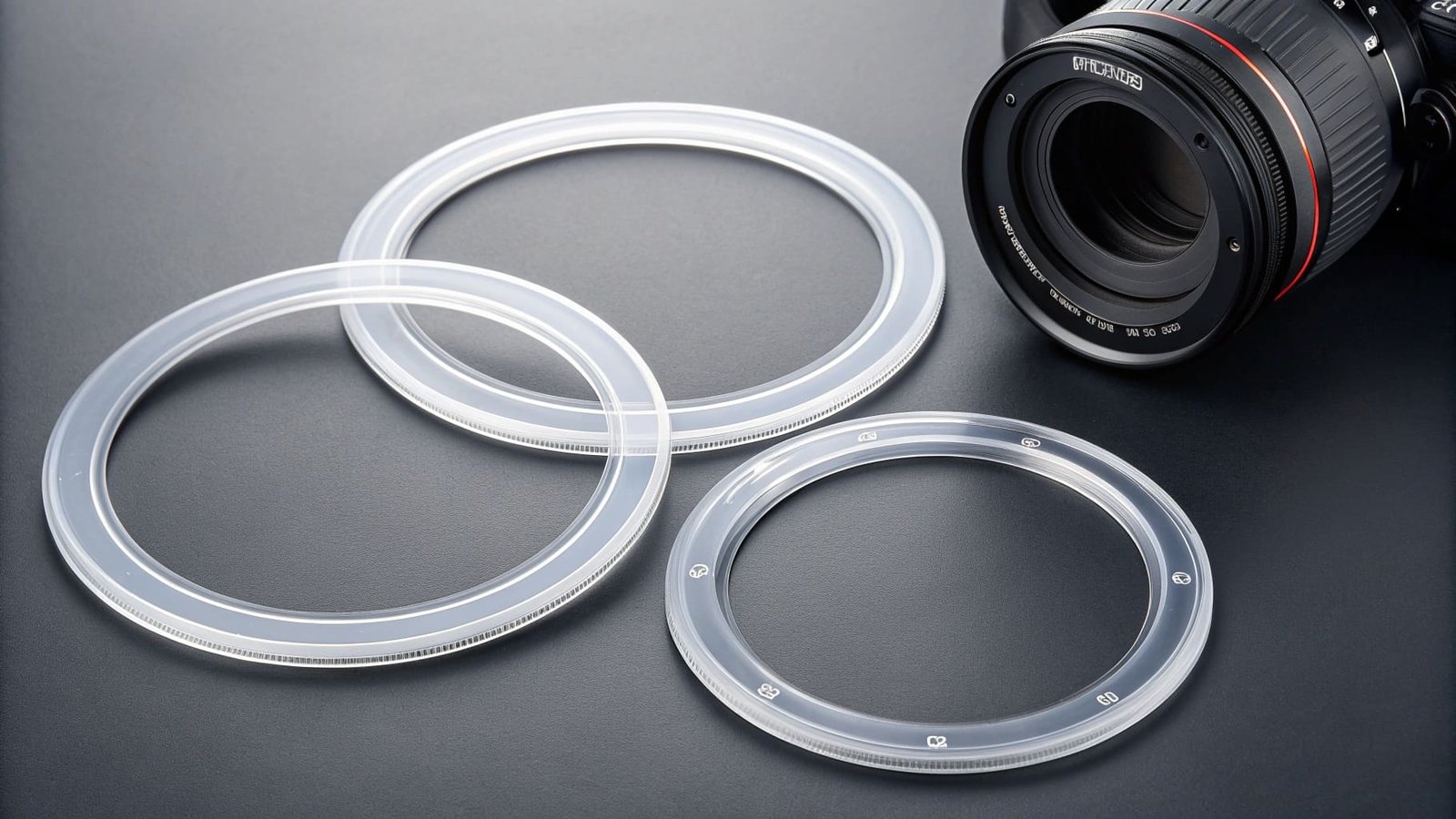
I have worked with European tumbler manufacturers for eight years. I see the same mistakes repeated. Buyers choose cheap gaskets. They face production stops. They lose money on rejected batches. The right gasket kit prevents these problems.
What is the Best Gasket for Water?
Water sealing failures cost you production time. Your maintenance team works overtime. Your customers complain about quality issues that damage your brand reputation.
Food-grade silicone gaskets2 perform best for water sealing in industrial applications. They resist chemical cleaning agents. They recover from compression without permanent deformation. They last three to five times longer than rubber alternatives.
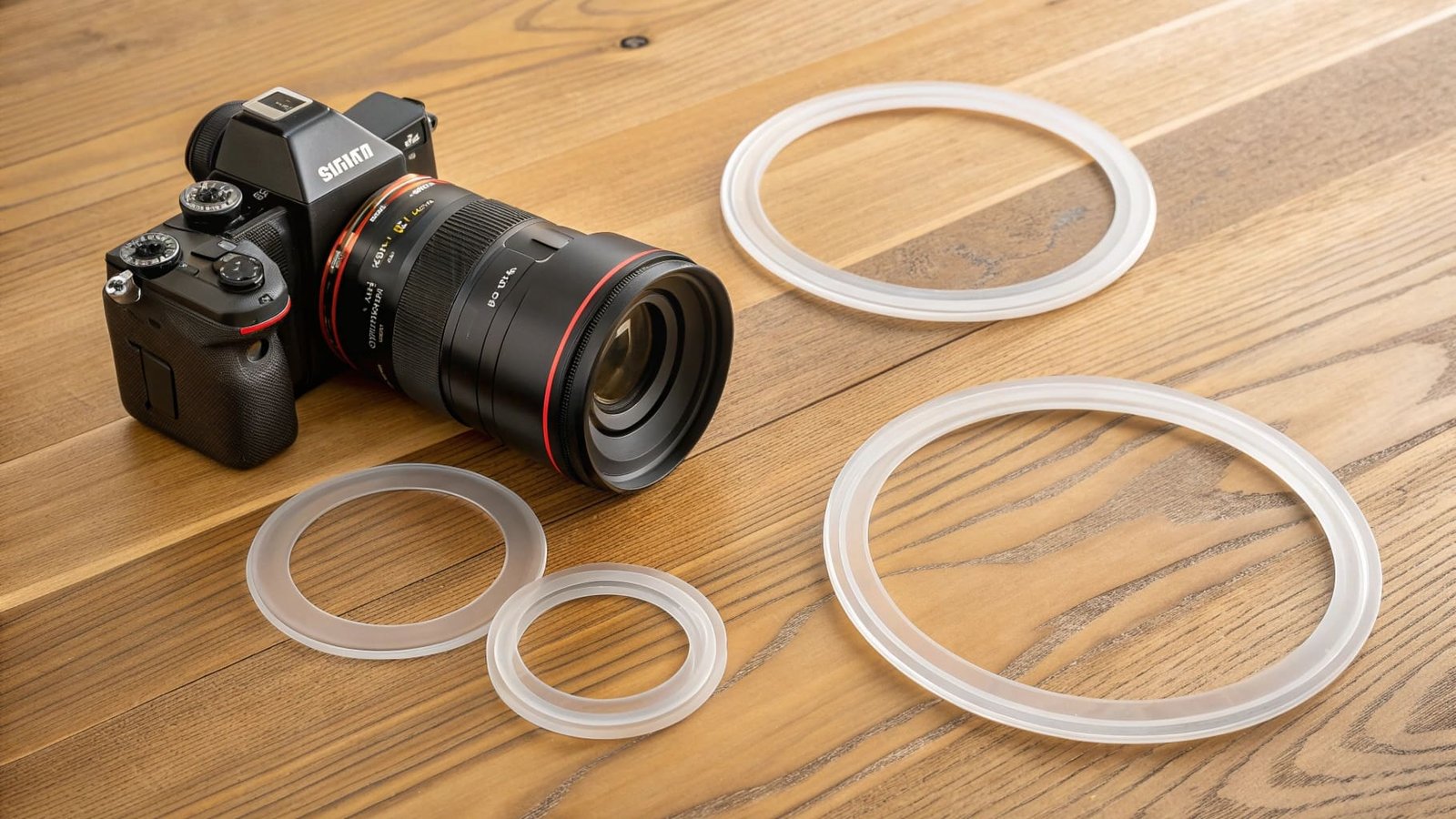
Why Silicone Outperforms Other Materials
I tested different gasket materials in tumbler applications. The results show clear differences. EPDM gaskets swell when exposed to certain cleaning chemicals. Neoprene loses flexibility at low temperatures. Viton costs too much for most tumbler applications.
Silicone gaskets solve these problems. They work in hot steam cleaning cycles. They work in cold storage conditions. They resist acids and bases used in pharmaceutical processing.
| Material | Temperature Range | Chemical Resistance | Cost Factor | Lifespan |
|---|---|---|---|---|
| Silicone | minus 40°C to 200°C | Excellent | Medium | 5-7 years |
| EPDM | minus 40°C to 120°C | Good | Low | 2-3 years |
| Neoprene | minus 30°C to 100°C | Fair | Low | 1-2 years |
| Viton | minus 20°C to 200°C | Excellent | High | 7-10 years |
European regulations require material traceability. You need documentation for every gasket batch. Silicone suppliers provide this documentation easily. Rubber suppliers often struggle with compliance paperwork.
The compression set recovery matters most. When your tumbler stops rotating, the gasket relaxes. Good silicone returns to its original shape within minutes. Poor materials stay compressed. They leak when you restart the equipment.
Food-Grade Certification Requirements
Your customers demand certified materials. REACH compliance is mandatory in Europe. You also need FDA approval for food-contact applications. Some pharmaceutical clients require USP Class VI certification.
I provide all these certificates with my silicone gasket kits. Other suppliers claim compliance but lack proper documentation. This creates problems during audits. You cannot prove your materials meet standards.
What's the Best Gasket Sealant?
You see advertisements for miracle sealants. They promise permanent leak prevention. Your maintenance team wants to try them. But liquid sealants create new problems in industrial tumbler applications.
RTV silicone sealant works best as a supplementary solution only. Use it to fill minor surface imperfections. Never use it as the primary sealing method. Proper gasket design eliminates the need for sealants in most applications.
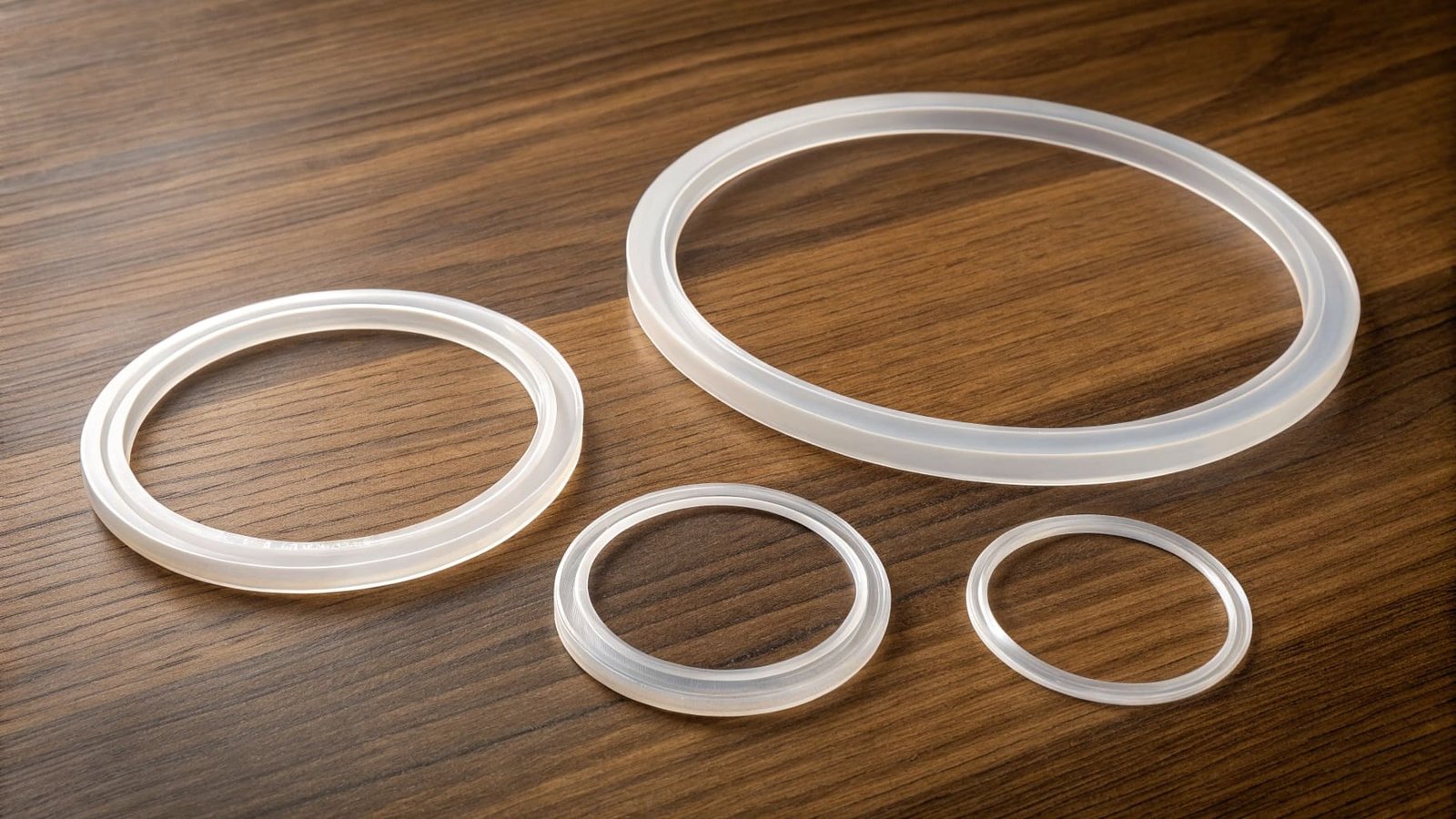
When Sealants Help and When They Hurt
I have seen factories rely too much on sealants. They apply thick layers between gasket and metal. This seems to work at first. After a few months, problems appear.
Sealants break down under mechanical stress. Tumbler rotation creates constant movement. The sealant cracks. Small pieces contaminate your process. You cannot see this contamination until customer complaints arrive.
Cleaning chemicals attack sealants faster than solid gaskets. Your steam cleaning cycles reach one hundred twenty degrees Celsius. Most sealants soften at this temperature. They wash away gradually. Your seal integrity decreases with each cleaning.
The correct approach uses precision-molded gaskets. I design these gaskets to match your specific tumbler geometry. The gasket surface contacts the metal perfectly. No gaps exist that require sealant filling.
| Application Type | Sealant Usage | Reason |
|---|---|---|
| Rotating tumblers | Avoid | Mechanical stress breaks sealant |
| High-pressure vessels | Minimal | Pressure forces sealant out |
| Static flanges | Acceptable | Limited movement allows adhesion |
| Food processing | Avoid | Cleaning chemicals attack sealant |
| Pharmaceutical | Never | Contamination risk too high |
Use sealant only for insurance on critical applications. Apply a thin layer to the gasket groove before installation. This prevents moisture from entering the groove itself. But the gasket does the actual sealing work.
Some buyers ask about anaerobic sealants. These products cure without air. They work well for threaded connections. They fail in gasket applications because they need complete absence of oxygen. Your gasket compresses with some air remaining. The sealant never fully cures.
Cost Analysis of Sealant Dependency
Calculating true costs reveals surprises. A bottle of industrial sealant costs twenty euros. Your team uses one bottle per tumbler maintenance cycle. You maintain equipment monthly. That is two hundred forty euros per year per tumbler.
A precision silicone gasket costs thirty-five euros. It lasts five years without sealant. Your actual cost is seven euros per year. You save two hundred thirty-three euros annually on each tumbler.
Is Gasket Sealer Better Than a Gasket?
Your purchasing department sees lower prices for sealants. They suggest eliminating gaskets entirely. This idea appears cost-effective on paper but creates expensive failures in practice.
Gasket sealers cannot replace properly designed gaskets in industrial tumbler applications. Sealers lack mechanical strength for rotating equipment. Gaskets provide consistent compression and recovery. Combining both offers no advantage in properly engineered systems.
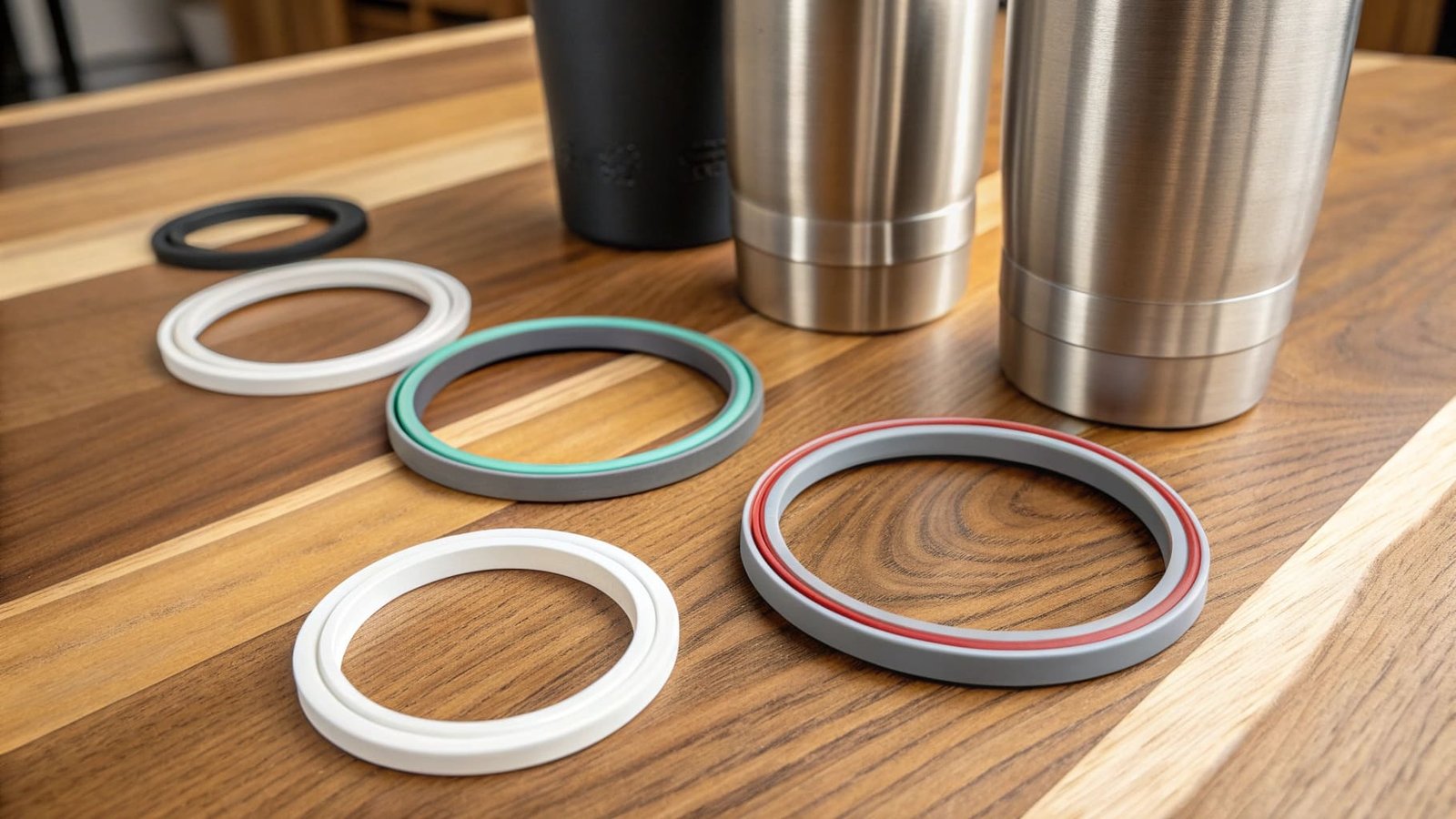
Understanding Mechanical Requirements
Industrial tumblers rotate continuously. This rotation creates dynamic stress on sealing surfaces. A liquid sealer cannot withstand this stress. It cracks and fails within days or weeks.
Solid silicone gaskets compress evenly. They distribute pressure across the entire sealing surface. When the tumbler rotates, the gasket flexes slightly. This flexibility prevents stress concentration. The seal remains intact through millions of rotation cycles.
European equipment runs at higher pressures than Asian or American standards. Your tumblers operate at three to five bar internal pressure. This pressure pushes against the seal constantly. A sealant-only approach fails immediately under this pressure.
Temperature cycling adds another challenge. Your tumbler heats during processing. It cools during cleaning. This cycle repeats several times daily. Sealants expand and contract differently than the metal housing. Gaps develop at the interface. Water enters these gaps.
| Sealing Method | Pressure Rating | Temperature Cycling | Rotation Capability | Maintenance Frequency |
|---|---|---|---|---|
| Sealant only | Under 1 bar | Poor | None | Weekly |
| Gasket only | Up to 10 bar | Excellent | Unlimited | Yearly |
| Both combined | Up to 8 bar | Good | Limited | Quarterly |
| Precision gasket | Up to 15 bar | Excellent | Unlimited | Every 5 years |
I design gaskets with specific compression ratios. The material compresses twenty-five percent during installation. This compression creates the seal. When pressure increases, compression increases slightly. The seal becomes tighter. Sealants cannot adjust this way.
Regulatory Compliance Issues
European auditors check your sealing methods. They want to see documented procedures. Using sealant as a primary seal violates many equipment standards. Your insurance may not cover failures caused by non-standard sealing methods.
EHEDG guidelines specify gasket requirements for food equipment. These guidelines allow only certain sealing configurations. Liquid sealants often fail to meet hygienic design principles. Gasket grooves must drain completely. Sealant residue prevents proper drainage.
My gasket kits include installation procedures. These procedures satisfy auditor requirements. You demonstrate proper engineering practices. Your certification remains valid.
Some clients tried sealant-only approaches to save money. They faced production shutdowns. They paid emergency fees for overnight gasket delivery. They lost more money in one day than gaskets would cost for a year.
Conclusion
Choose precision-molded silicone gasket kits for your European tumbler operations. They meet all regulatory requirements. They provide reliable sealing without sealant dependency. They reduce your total cost of ownership significantly.