Can Neoprene Tumbler Sleeves Replace Silicone for Wholesale Applications?
I watched a Canadian distributor lose a major retail contract last year. The reason was simple. He chose neoprene sleeves1 to cut costs.
Neoprene cannot fully replace silicone in wholesale applications. The material works well for budget segments and outdoor products. But it fails to meet premium market demands due to shorter lifespan and limited heat resistance.
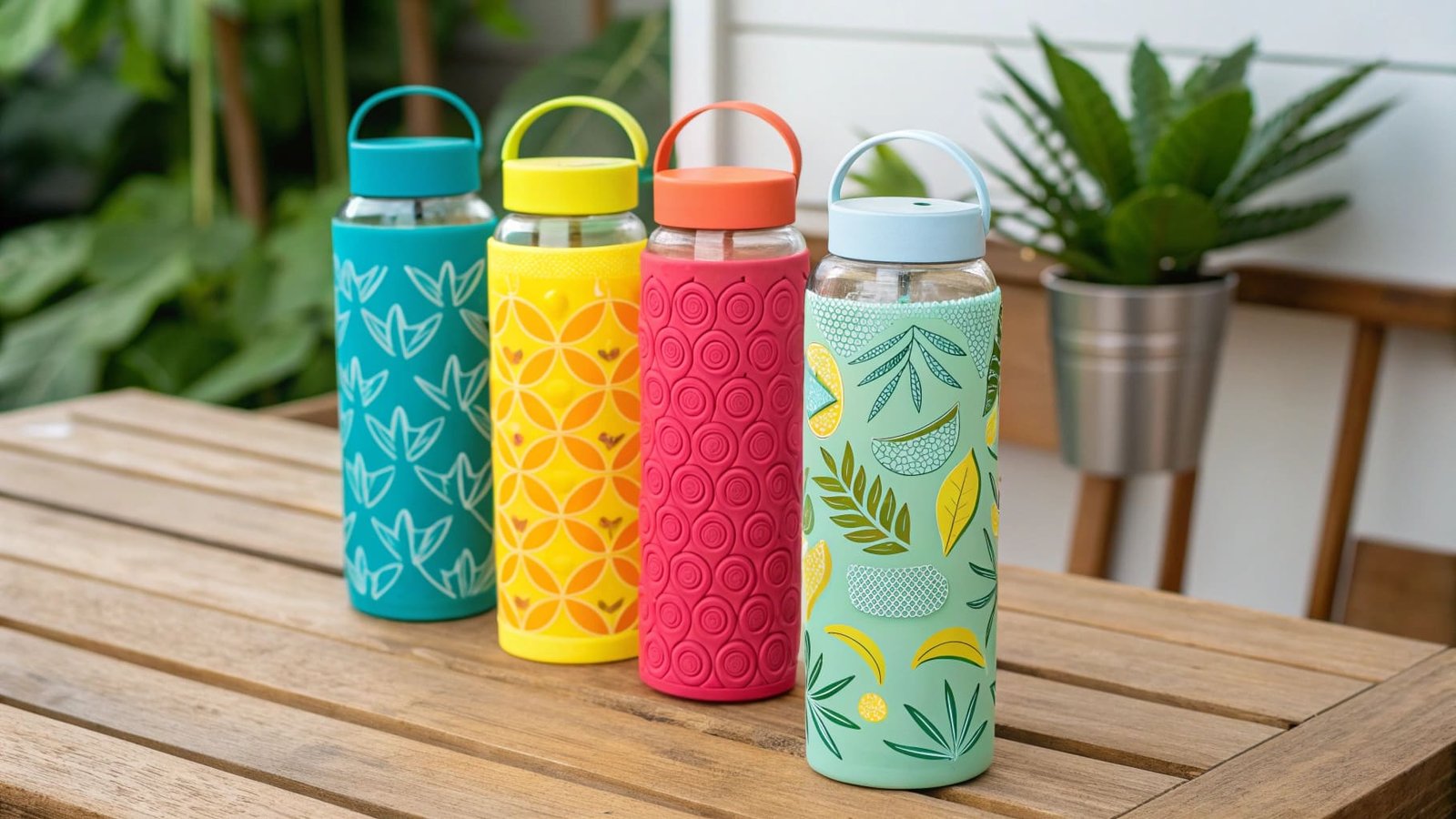
I run a B2B silicone products company in China. We export tumbler accessories to North America and Europe. Many wholesale buyers ask me about neoprene as a cost-saving option. I understand the pressure to reduce expenses. But I have seen what happens when buyers choose the wrong material for their target market. The decision is not about which material is better overall. It is about which material fits your business model and customer base.
Is neoprene better than silicone?
My friend Mark switched to neoprene last winter. He thought the material would solve his pricing challenges. Three months later, he came back to silicone.
Neoprene is not objectively better than silicone. Each material serves different market segments. Neoprene offers superior grip and thermal insulation2 for outdoor use. Silicone provides longer durability and broader heat tolerance for premium retail channels.
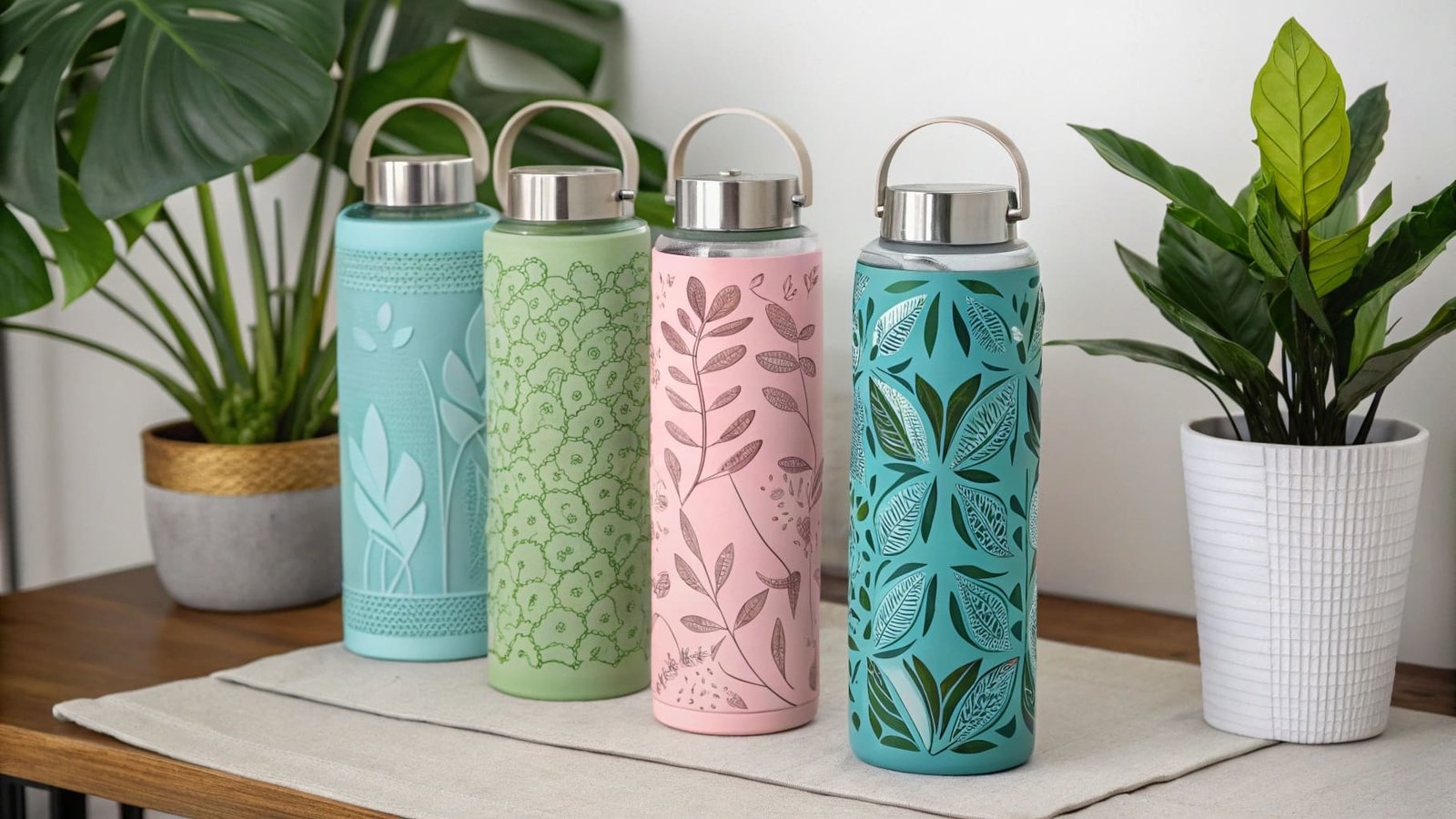
Understanding Material Performance in Real Market Conditions
I test every material we consider for production. Neoprene feels great when you first hold it. The texture gives users confidence that their tumbler will not slip. The thermal properties are impressive too. A neoprene sleeve keeps drinks hot or cold longer than basic silicone designs. This makes neoprene attractive for camping gear retailers and sports equipment distributors.
But here is what I learned from working with wholesale buyers. The feel-good factor fades fast. Neoprene starts showing wear after about six months of daily use. The material absorbs odors from repeated exposure to moisture. I have had retail partners complain about customer returns because the sleeves developed a rubber smell. This smell does not wash out easily.
Silicone behaves differently in long-term use. The material maintains its appearance and performance for years. I use the same silicone tumbler sleeve every day for the past three years. It still looks new. This durability matters more in wholesale contexts than initial cost savings.
| Performance Factor | Neoprene | Silicone |
|---|---|---|
| Initial Cost | Lower | Higher |
| Thermal Insulation | Excellent | Good |
| Heat Resistance | Up to 120°C | Up to 230°C |
| UV Stability | Poor | Excellent |
| Odor Resistance | Poor | Excellent |
| Expected Lifespan | 6-12 months | 3-5 years |
| Dishwasher Safe | Limited | Yes |
The table shows why wholesale buyers need to think beyond upfront costs. Your customers will judge you based on product longevity. A cheaper neoprene sleeve might save you money per unit. But the higher return rate will cost you more in the long run.
What are the disadvantages of neoprene rubber?
I lost a European distributor contract two years ago. The buyer ordered 10,000 neoprene sleeves. Half the inventory degraded before reaching retail shelves.
Neoprene rubber suffers from UV degradation, develops persistent odors, and has limited heat tolerance. These issues create inventory risks for wholesale buyers and reduce shelf life significantly.
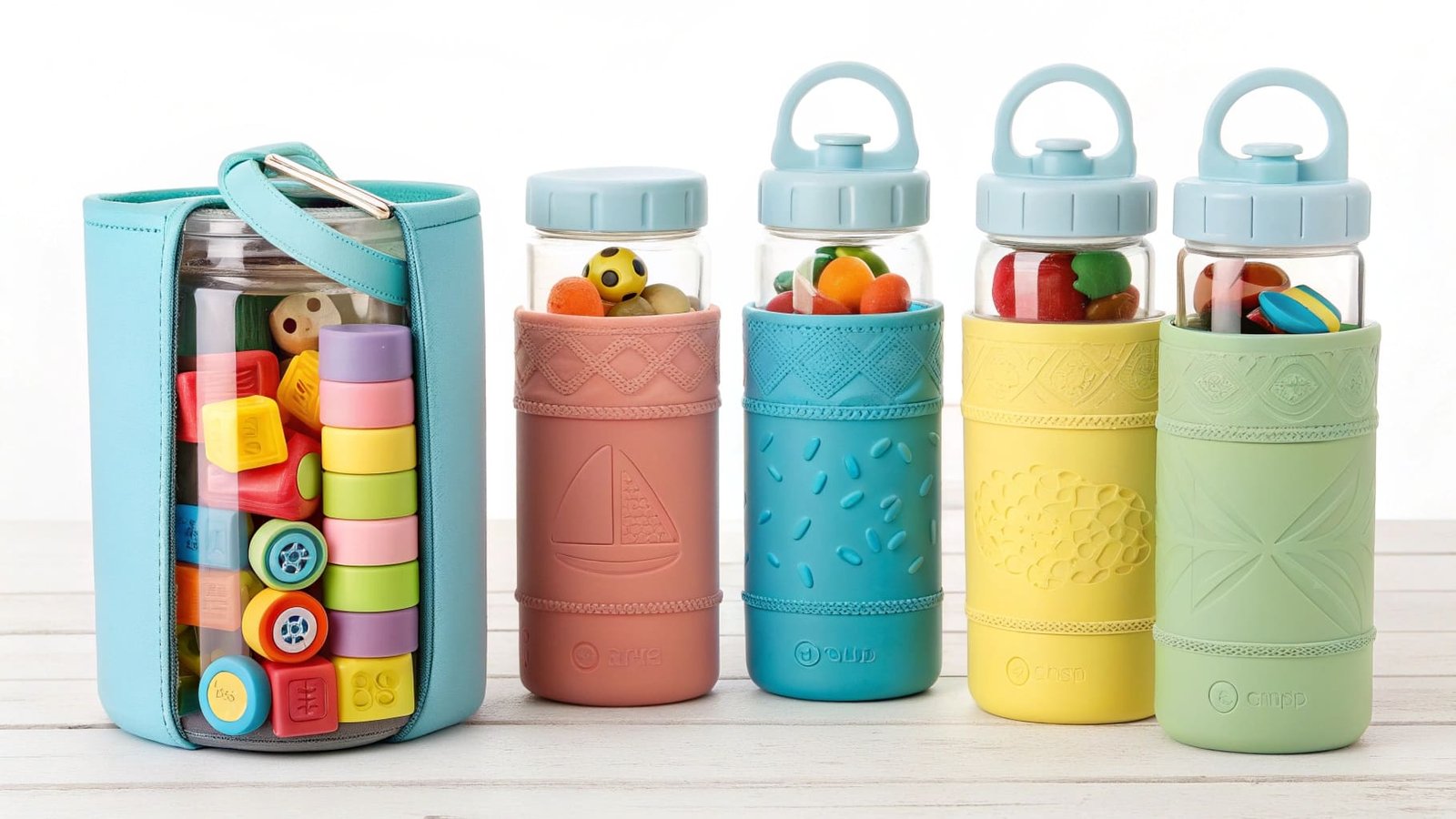
Critical Limitations That Impact B2B Operations
UV degradation is the biggest problem I see with neoprene in wholesale operations. The material breaks down when exposed to sunlight during storage or display. I visited a warehouse in California last summer. The distributor stored neoprene products near windows. Three months later, the material turned brittle and cracked. He lost the entire batch.
This degradation happens faster than most buyers expect. Silicone products can sit in warehouse conditions for two years without quality loss. Neoprene shows visible deterioration after six months in similar conditions. This difference matters when you buy large quantities or have slow-moving inventory.
The odor issue creates brand perception problems. Neoprene absorbs and retains smells from its environment. I have tested batches that developed a chemical odor during ocean freight shipping. The smell remained even after airing out the products. Some retail buyers rejected entire shipments because of this. They worried customers would associate the smell with poor quality.
Heat tolerance limits market applications too. Neoprene typically handles temperatures up to 120°C. This sounds adequate until you consider dishwasher cycles. Modern dishwashers reach 130-140°C during sanitization cycles. End consumers expect tumbler accessories to survive dishwasher cleaning. Neoprene sleeves warp or deteriorate under these conditions. I have seen photos from frustrated customers showing melted neoprene after one dishwasher cycle.
The material also loses elasticity over time. A neoprene sleeve that fits perfectly when new becomes loose after repeated stretching. This happens because neoprene does not recover its original shape as effectively as silicone. Retail customers complain that sleeves slip off their tumblers after a few months of use.
Food-grade certification presents another challenge. Getting proper FDA or LFGB certification for neoprene costs more and takes longer than for silicone. Many neoprene suppliers in developing countries skip proper certification. This creates liability risks for wholesale buyers selling into regulated markets like the US and EU.
What is the best alternative to silicone?
A startup founder asked me this question last month. He wanted premium performance without premium pricing. I showed him TPE samples instead of neoprene.
TPE (thermoplastic elastomer) is the best alternative to silicone for wholesale tumbler sleeves. The material offers comparable flexibility and heat resistance at competitive prices while maintaining food-grade certification3s.
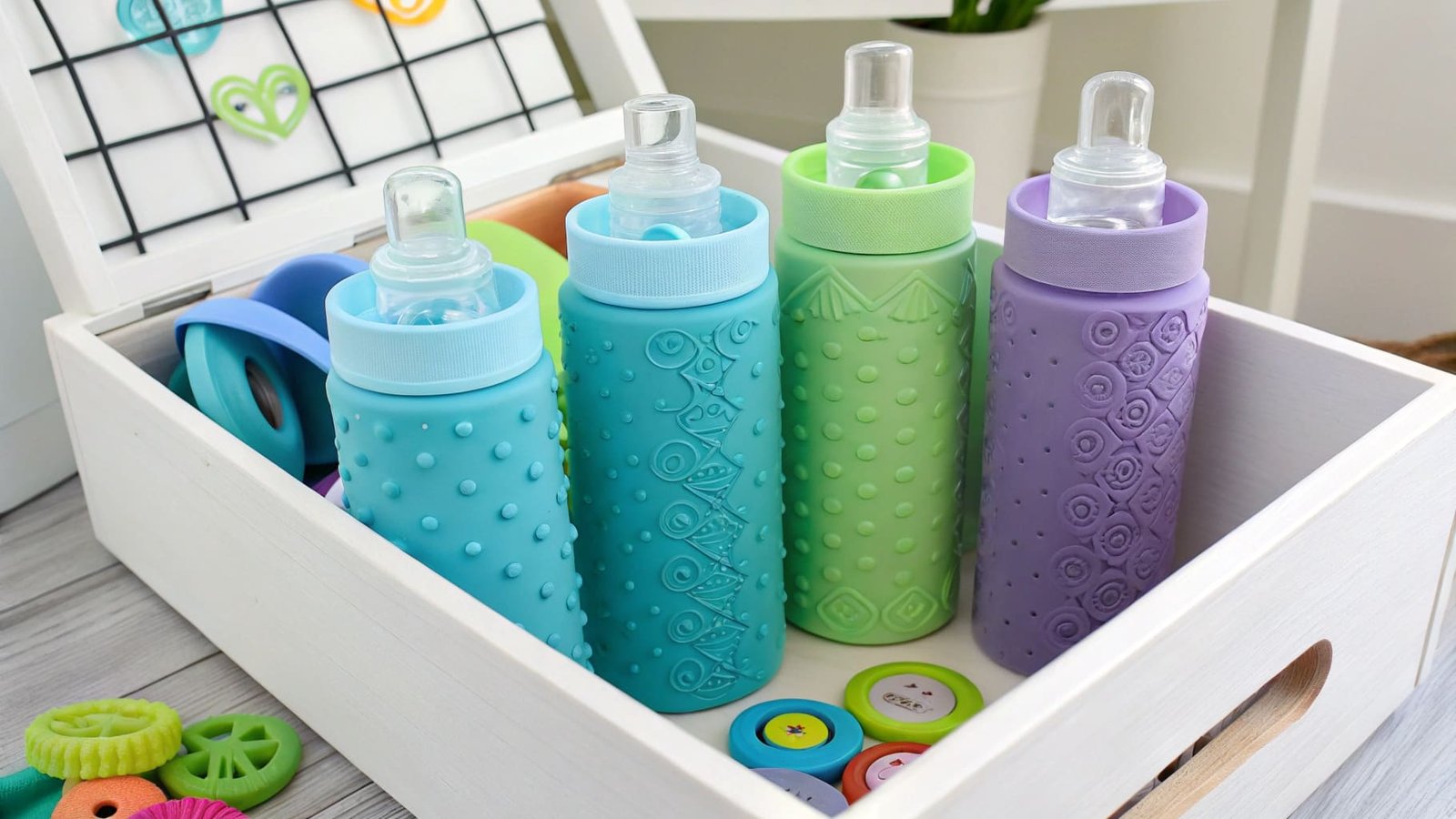
Why TPE Outperforms Neoprene in Wholesale Contexts
I started testing TPE materials three years ago. The results surprised me. TPE combines many advantages of both silicone and neoprene without their major drawbacks. The material processes easily during manufacturing. This keeps production costs lower than silicone but higher than neoprene.
TPE handles temperatures up to 180°C. This range covers most consumer use cases including dishwasher cycles. The material does not absorb odors like neoprene does. I have stored TPE samples in various conditions for over a year. They maintained their neutral smell throughout testing.
UV resistance falls between neoprene and silicone. TPE products show minimal degradation after six months of sunlight exposure. This gives wholesale buyers reasonable shelf life without the extreme fragility of neoprene. The material also recovers its shape better than neoprene after repeated stretching.
Cost comparison favors TPE for mid-range market positioning. I pay about 60% of silicone prices for quality TPE materials. This makes TPE attractive for buyers who target mainstream retail channels. You get better performance than neoprene at a price point that allows healthy margins.
| Material | Cost Index | Heat Resistance | Durability | Best Market Segment |
|---|---|---|---|---|
| Neoprene | 100 | 120°C | 6-12 months | Budget/Promotional |
| TPE | 160 | 180°C | 2-3 years | Mainstream Retail |
| Silicone | 250 | 230°C | 3-5 years | Premium/Long-term |
But TPE has its own limitations. The material feels less premium than silicone. Customers who handle both can tell the difference immediately. Silicone has a smoother, more refined texture. TPE feels slightly tacky in comparison. This matters less in mainstream markets but becomes important in premium retail channels.
I work with buyers who serve different market segments. Those selling to discount retailers do well with neoprene despite its limitations. The low price point matches customer expectations in that channel. Buyers targeting premium kitchen stores always choose silicone. The material quality justifies higher retail prices and builds brand reputation.
TPE works best for buyers in the middle ground. You want better quality than budget products but cannot justify premium pricing. This describes most of my North American customers. They sell through mid-range retail chains and online marketplaces. TPE gives them a competitive product without excessive material costs.
Conclusion
Your material choice should match your target retail segment. Neoprene serves budget markets. Silicone dominates premium channels. TPE bridges the gap for mainstream retail buyers.