Can Silicone Bite Valves Be Sterilized with Autoclave Methods for Medical Hydration Use?
You need sterilized bite valves for medical hydration systems. Your hospital demands safety. Your supplier might not understand the pressure. Contaminated equipment means patient risk. You need answers now.
Yes, silicone bite valves1 can be sterilized using autoclave methods for medical hydration use. Medical-grade silicone withstands steam sterilization at 121°C to 134°C without losing functionality. The material maintains sealing integrity through hundreds of sterilization cycles.
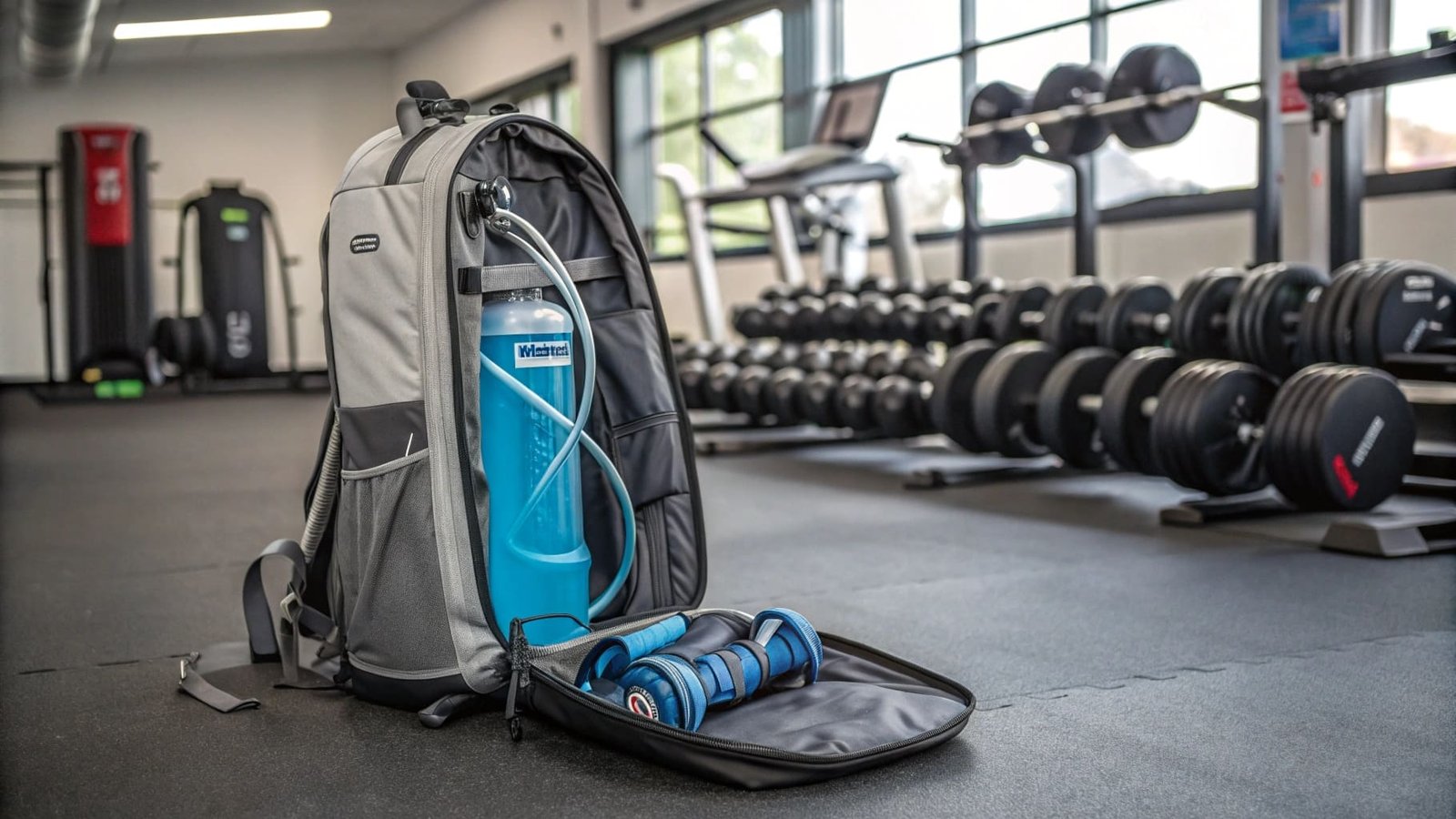
I work with medical device buyers daily. They face the same challenge you do. You need reliable sterilization without damaging your equipment. Let me share what I learned from years of supplying these components to hospitals and emergency service teams.
Can You Put Silicone in an Autoclave?
Your procurement team questions if silicone survives autoclave cycles. Equipment failure costs money. Patient safety hangs in the balance. You need proof before you commit to bulk orders.
You can put medical-grade silicone2 in an autoclave safely. The material resists high temperatures and pressure without warping. Standard autoclave conditions do not degrade properly formulated silicone components.
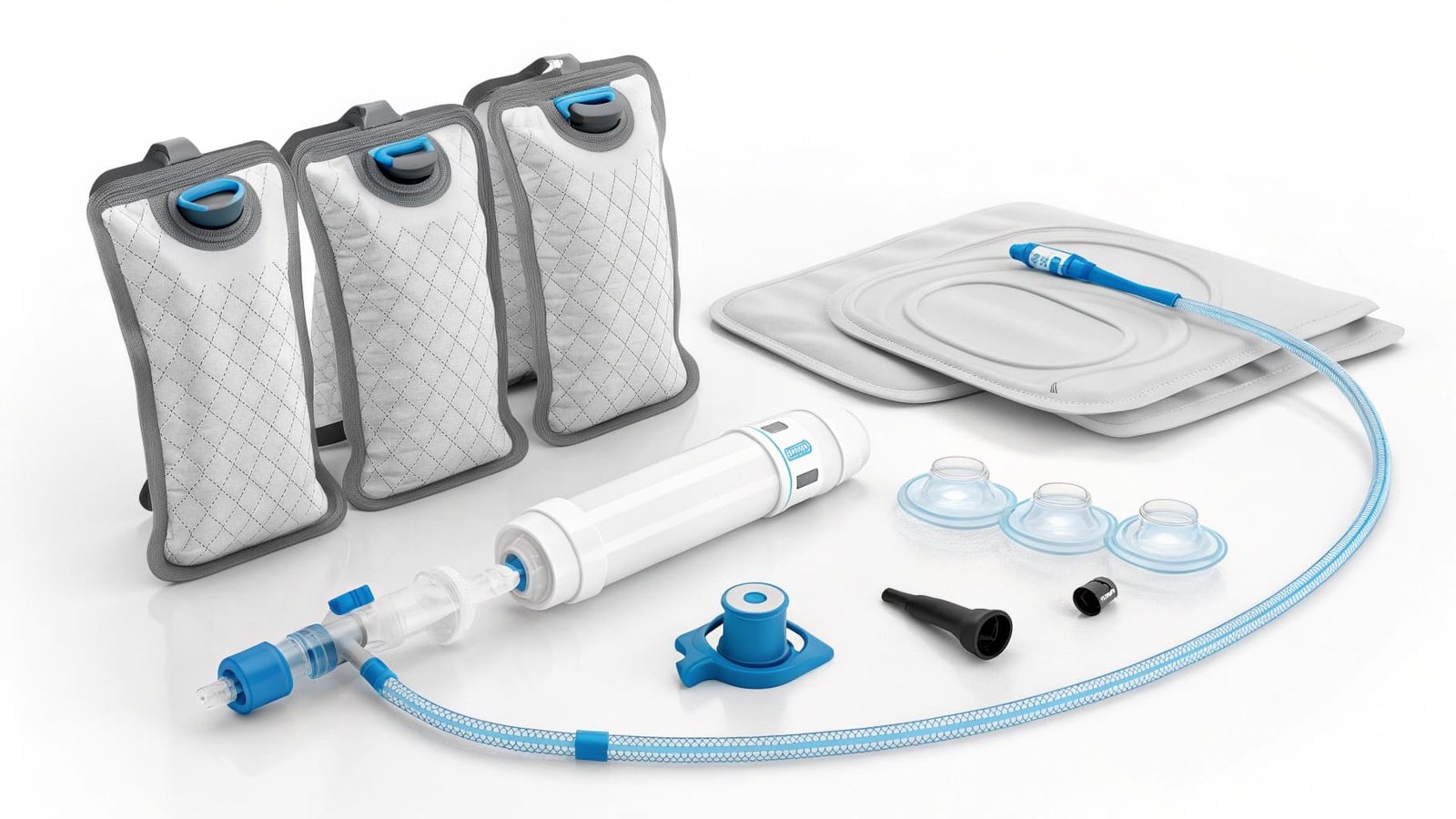
I remember when Mark first contacted me. He ran a medical supply company in Canada. His team distributed hydration systems to hospitals. He faced a problem. His previous supplier used low-grade silicone. The bite valves degraded after five autoclave cycles. Hospitals returned his products. He lost contracts worth thousands.
Not all silicone handles autoclaves equally. You need to understand the material grades. Standard silicone might work for consumer products. Medical applications demand different specifications. I use USP Class VI certified silicone for all medical components. This grade passes rigorous biocompatibility testing.
The autoclave process creates intense conditions. Steam reaches 121°C under 15 PSI pressure. Some silicone formulations break down. They release particles. They lose elasticity. They become brittle. Medical-grade silicone maintains its properties. The molecular structure stays stable. The material does not leach harmful substances.
Silicone Grade Comparison
| Grade Type | Autoclave Cycles | Medical Use | Cost Factor |
|---|---|---|---|
| Consumer Grade | 5-10 cycles | Not approved | 1x |
| Food Grade | 20-50 cycles | Limited use | 1.5x |
| Medical Grade | 200+ cycles | Approved | 2.5x |
| USP Class VI | 500+ cycles | Fully certified | 3x |
Your purchasing decision affects more than cost. You protect patients. You protect your reputation. I always recommend investing in certified materials upfront.
Can Silicone Be Steam Sterilized?
Steam sterilization sounds risky for plastic materials. You worry about melting. You question dimensional stability. Your engineering team needs technical assurance before approving specifications.
Silicone can be steam sterilized effectively. The material tolerates wet heat better than most polymers. Steam penetrates the surface without causing chemical breakdown or physical deformation.
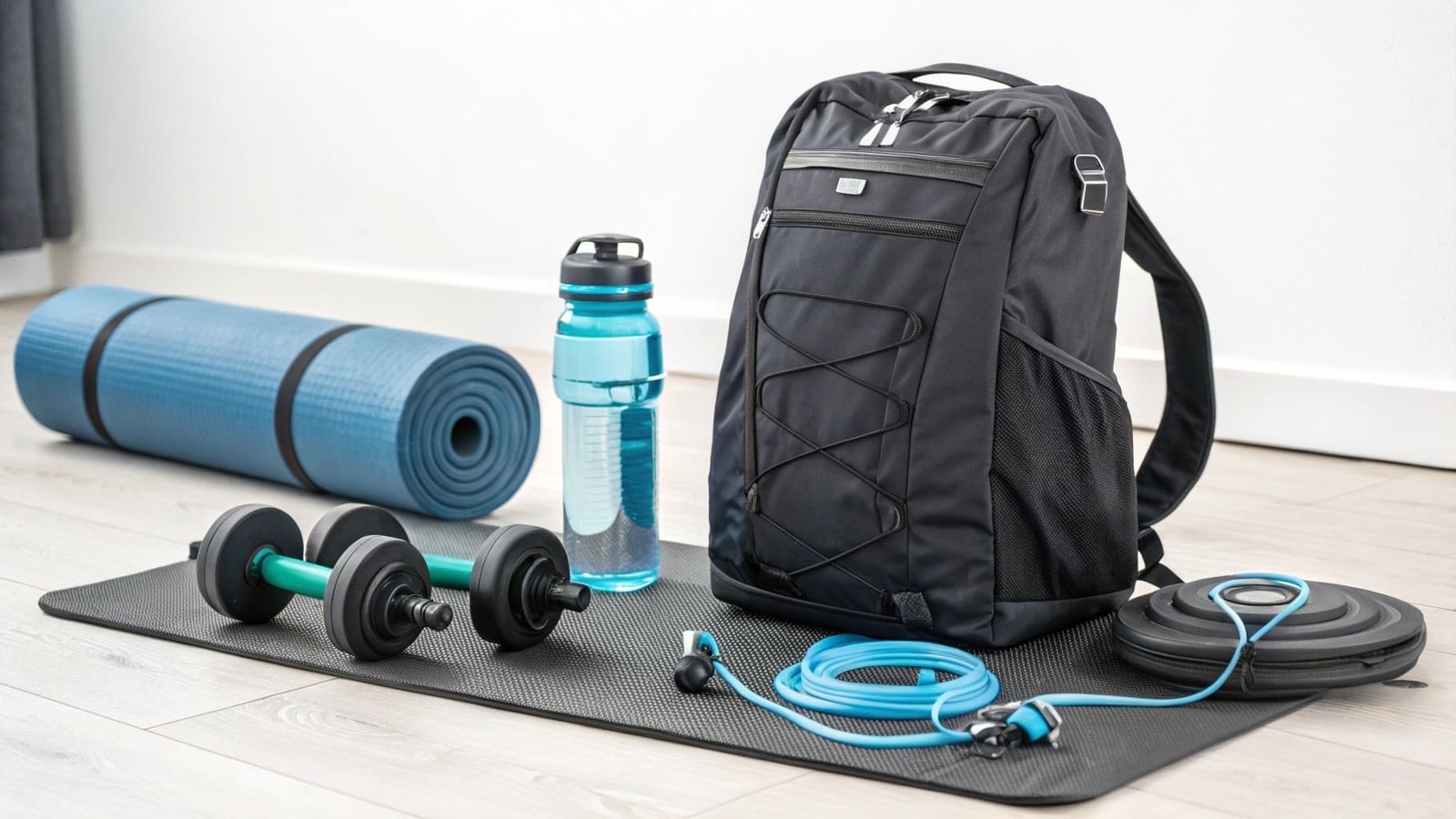
Steam sterilization offers major advantages over other methods. Chemical sterilization leaves residues. Radiation damages some materials. Ethylene oxide requires lengthy aeration cycles. Steam works fast. It leaves no residues. It costs less per cycle.
I worked with a military medical unit last year. They needed hydration systems for field hospitals. The environment was harsh. Water quality varied. Equipment faced repeated contamination. They ran two autoclave cycles daily. Standard components failed within weeks. We switched them to platinum-cured silicone bite valves. The units completed six months of deployment without failure.
Steam sterilization effectiveness depends on several factors. You need proper temperature. You need adequate pressure. You need sufficient time. Most importantly, you need complete steam contact with all surfaces. This creates challenges for bite valves. The internal channels must allow steam penetration. Air pockets prevent sterilization. Trapped air blocks steam contact.
The valve design matters as much as material selection. Simple designs sterilize more reliably. Complex geometries trap air. I design bite valves with flow-through channels. Steam enters from multiple points. The pressure forces air out. Every surface contacts steam directly.
Your sterilization cycle parameters should match your valve design. Small bite valves need 15 minutes at 121°C. Larger assemblies require 30 minutes. Some hospitals use flash sterilization at 134°C. This works for unwrapped items. The cycle runs just 3 to 10 minutes. We test our valves under both protocols. They pass every time.
How to Sterilize Medical Grade Silicone?
You purchased medical-grade silicone components. Your hospital infection control team demands validation. You need a documented sterilization protocol. Regulatory compliance requires proof of effectiveness.
Sterilize medical-grade silicone using validated autoclave protocols at 121°C for 15-30 minutes or 134°C for 3-15 minutes. Pre-clean components thoroughly. Load items loosely. Allow complete steam penetration. Verify cycle completion with biological indicators.
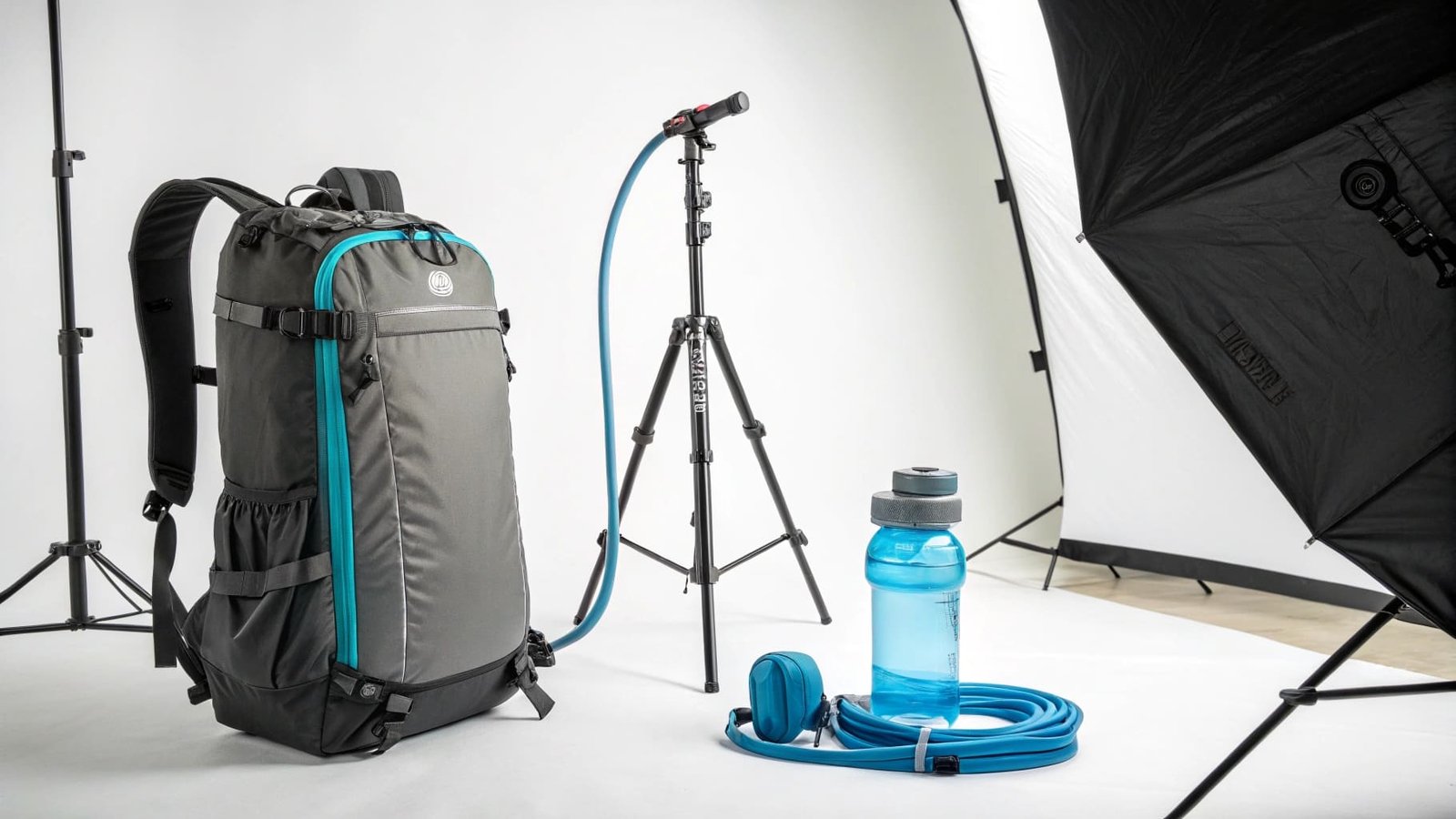
I created this protocol after consulting with hospital sterilization departments. They taught me what actually works in real facilities. Theory differs from practice. You need practical steps that busy staff can follow consistently.
Start with proper cleaning. This step gets overlooked. Organic matter blocks steam contact. Blood residue protects bacteria. I recommend enzymatic cleaners for medical silicone. They break down proteins without damaging the material. Rinse thoroughly. Any cleaning residue interferes with sterilization.
The loading pattern affects results dramatically. I learned this from a hospital in Germany. They experienced sterilization failures. The equipment worked perfectly. The chemical indicators turned correctly. Yet cultures showed contamination. We discovered the problem. Staff overloaded the autoclave. Items touched each other. Steam could not circulate. We implemented strict loading guidelines. Failures stopped completely.
Standard Sterilization Protocol
Pre-sterilization Steps:
- Disassemble all valve components
- Clean with enzymatic detergent
- Rinse with purified water
- Inspect for visible contamination
- Air dry completely
Autoclave Settings:
- Temperature: 121°C (250°F)
- Pressure: 15 PSI (103 kPa)
- Exposure time: 20-30 minutes
- Dry time: 20-30 minutes
Post-sterilization Steps:
- Verify indicator color change
- Check cycle printout
- Allow cooling before handling
- Store in sterile packaging
- Document cycle number and date
Mark faced another challenge with sterilization documentation. His hospital customers required validation data. They wanted proof that our bite valves actually achieved sterility. We performed third-party testing. A certified lab ran spore tests. Geobacillus stearothermophilus spores represent the most heat-resistant organisms. If the autoclave kills these spores, it kills everything else. Our valves passed. We achieved a 6-log reduction. This means 99.9999% of microorganisms died. We gave Mark copies of the validation reports. His customers approved our products immediately.
The platinum-cure versus peroxide-cure distinction matters here. I use platinum-cured silicone exclusively for medical applications. The curing process creates purer material. Peroxide-cured silicone contains organic peroxide residues. These compounds volatilize during autoclaving. They can affect taste. They might raise toxicity concerns. Platinum-cured silicone produces no such issues.
Cycle count tracking helps prevent failures. Silicone does not last forever. Material fatigue occurs eventually. I recommend replacement after 500 autoclave cycles. Some customers push to 1000 cycles. This saves money short-term. It risks failure long-term. A single contamination incident costs more than new components.
Your sterilization logs should record every cycle. Document the date. Note the cycle type. Track the number of items. Record indicator results. This documentation protects you during audits. It proves compliance. It identifies trends. If failures increase, you catch problems early.
Temperature distribution matters in older autoclaves. Some units have cold spots. Steam does not reach all areas equally. We test this using thermocouples. Place sensors throughout the load. Run an empty cycle. Record temperatures at each point. Any variation over 2°C indicates problems. Your biomedical engineering department should perform this validation annually.
I help customers establish quality control procedures. Random testing catches failures before they reach patients. Pull samples from each sterilization batch. Send them for culture testing. Positive cultures indicate process breakdown. You can fix the problem immediately. Prevention beats reaction every time.
Conclusion
Medical-grade silicone bite valves handle autoclave sterilization effectively when you select proper materials and follow validated protocols. Your patients deserve this level of safety.