Can Silicone Grease Be Applied to Rubber O-Rings in Mass Production Lines?
You face a dilemma. Your production line uses rubber O-rings, and you need a reliable lubricant. Silicone grease1 seems like the obvious choice, but you worry about compatibility issues.
Silicone grease can be applied to rubber O-rings in mass production, but only if you match it with compatible rubber types. Never use it on silicone rubber O-rings2, as this causes swelling and seal failure.
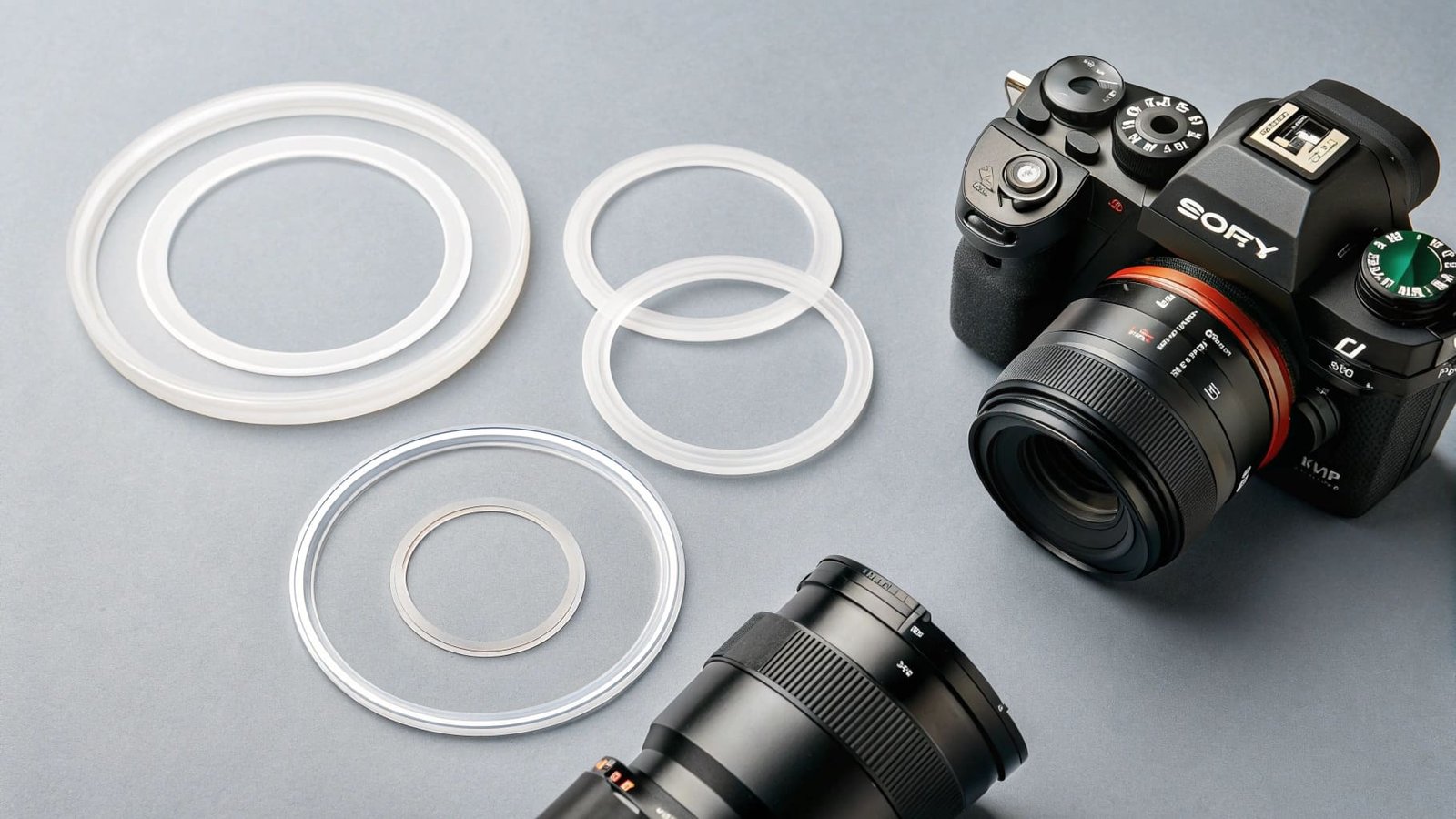
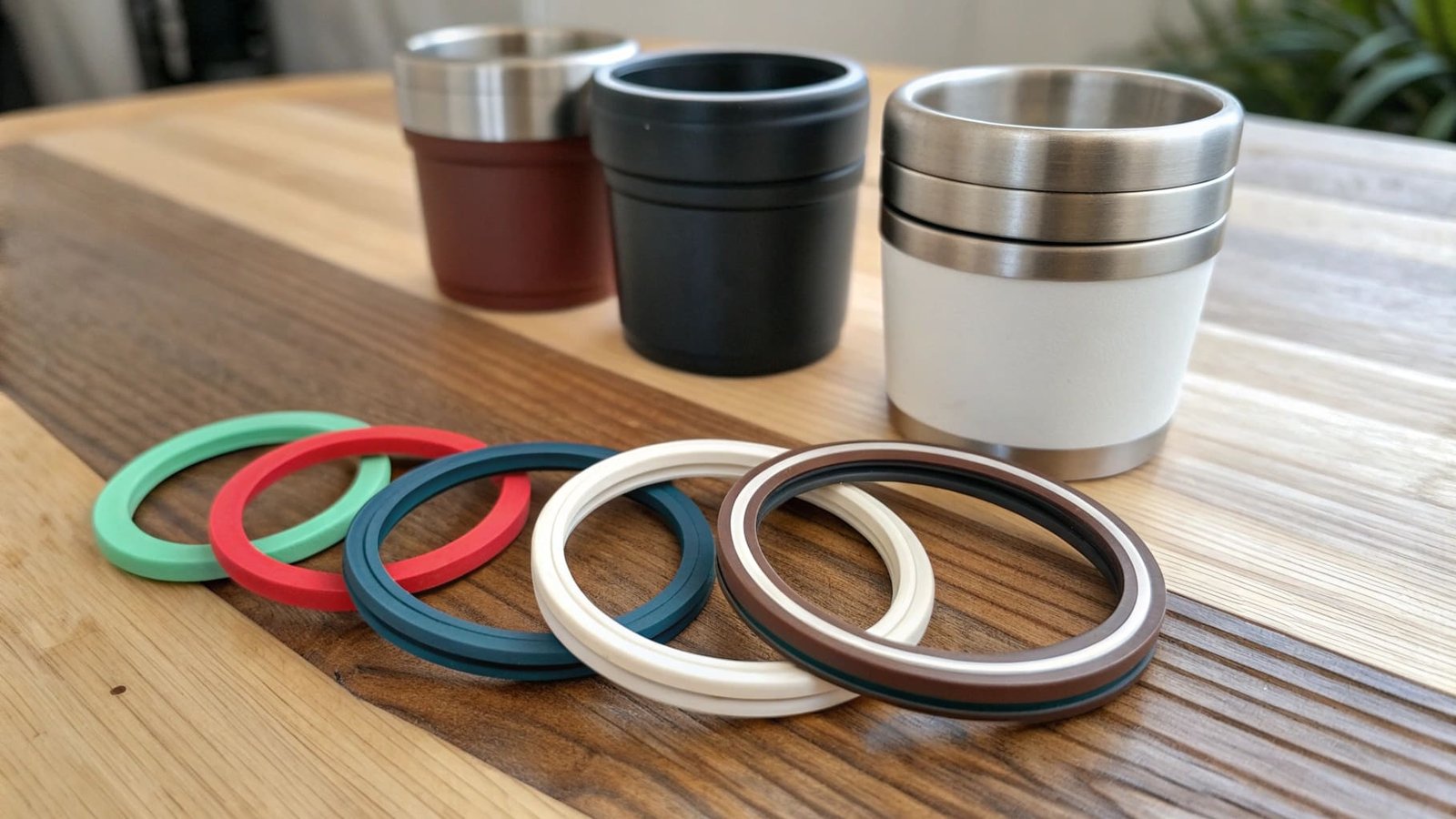
I learned this lesson five years ago when we supplied silicone tumbler boots to a Canadian distributor. His assembly line stopped because his team applied silicone grease to silicone O-rings. The seals swelled within hours. He lost three days of production and called me frustrated. That experience taught me the importance of material compatibility3 in mass production environments.
Is Silicone Grease OK for Rubber O-Rings?
You probably heard conflicting advice about silicone grease and rubber O-rings. Some factory managers swear by it, while others ban it completely. This confusion costs you time and money.
Silicone grease works perfectly with nitrile, EPDM, and fluorocarbon O-rings. It fails catastrophically with silicone rubber O-rings. The key is knowing your O-ring material before application.
Understanding Material Compatibility
I work with procurement officers daily at silijoy. They ask me the same question repeatedly. The answer depends on rubber chemistry. Silicone grease contains polydimethylsiloxane as the base oil. This compound interacts differently with various elastomers.
Nitrile rubber O-rings handle silicone grease well. EPDM O-rings show excellent resistance. Fluorocarbon O-rings remain stable. These three materials dominate industrial applications. You probably use them in your production line already.
But silicone rubber O-rings react badly to silicone grease. The "like dissolves like" principle applies here. Silicone grease penetrates silicone rubber molecular structure. The O-ring swells, loses its shape, and fails to seal properly.
Here is a simple compatibility chart I share with my clients:
| Rubber Type | Silicone Grease Compatibility | Common Applications |
|---|---|---|
| Nitrile (NBR) | Compatible | Automotive seals, hydraulic systems |
| EPDM | Compatible | Water systems, weather sealing |
| Fluorocarbon (Viton) | Compatible | Chemical resistance, high temperature |
| Silicone Rubber | Not Compatible | Food grade applications, extreme temperatures |
| Neoprene | Moderate Compatibility | General purpose sealing |
Mark, my client from Canada, now keeps this chart in his quality control office. His team checks it before applying any lubricant. He told me it saved him from three potential production mistakes last year.
Where Not to Use Silicone Grease?
You might think silicone grease works everywhere once you confirm O-ring compatibility. This assumption leads to expensive mistakes. Production environments have specific restrictions you need to respect.
Avoid silicone grease in oxygen systems, food processing without NSF certification, and areas where painting or bonding occurs. Silicone migration contaminates these processes and creates safety or quality issues.
Critical Restriction Zones
I visited an automotive assembly plant last year. They had signs everywhere saying "No Silicone Products." The production manager explained their paint shop nightmare. Silicone grease from assembly areas migrated to paint surfaces. The paint refused to adhere properly. They spent two weeks cleaning their entire facility.
Oxygen-rich environments present safety hazards with silicone grease. The grease can ignite under pressure in pure oxygen systems. Medical equipment manufacturers and industrial gas companies strictly prohibit silicone lubricants for this reason.
Food processing facilities need NSF-certified lubricants. Regular silicone grease does not meet food safety standards. You must use food-grade alternatives specifically rated for incidental food contact. The certification costs more, but regulatory compliance requires it.
Automated painting lines suffer from silicone contamination. Even microscopic silicone particles create "fish eyes" in paint finishes. Automotive manufacturers lose thousands of dollars per contaminated vehicle. Their purchasing departments blacklist suppliers who introduce silicone products to assembly areas.
Application-Specific Concerns
| Restricted Environment | Reason for Restriction | Alternative Lubricant |
|---|---|---|
| Oxygen Systems | Fire hazard under pressure | PFPE-based greases |
| Paint Shops | Surface contamination | Synthetic hydrocarbon |
| Food Processing | Non-NSF certification | Food-grade mineral oil |
| Bonding Operations | Adhesive failure | Temporary dry lubricants |
| Clean Rooms | Particulate generation | Specialized clean room greases |
Production efficiency depends on following these restrictions. I tell my clients to conduct a facility audit first. Map out all restricted zones before implementing any lubrication program.
Can You Use Silicone on Rubber Seals?
You see "rubber seals" and "O-rings" used interchangeably. But rubber seals include gaskets, wipers, and custom profiles beyond standard O-rings. The compatibility question becomes more complex for these applications.
Silicone grease works on most rubber seals made from NBR, EPDM, or Viton. However, seal design, operating conditions, and production requirements affect the final decision. Automated application systems need specific viscosity ranges.
Evaluating Your Production Requirements
I help distributors like Mark evaluate their production needs. He runs tumbler assembly lines using multiple seal types. His team assembles 5,000 units daily. Manual lubrication would slow everything down.
Automated dispensing systems require consistent grease viscosity. Temperature affects silicone grease flow properties. Your production floor temperature varies between summer and winter. This variation impacts dispensing accuracy.
Over-application wastes expensive lubricant. Under-application causes seal installation damage and future leaks. We calculated that Mark was wasting 15% of his lubricant budget through inconsistent manual application. He switched to automated dispensing with temperature-compensated flow control.
Selecting the Right Viscosity Grade
Silicone grease comes in different viscosity grades. Low viscosity flows easily but provides less cushioning. High viscosity stays in place but resists automated dispensing.
| Viscosity Grade | NLGI Classification | Best Production Application |
|---|---|---|
| Very Low | 000-00 | High-speed automated dispensing |
| Low | 0-1 | Standard automated systems |
| Medium | 2 | Manual and semi-automated |
| High | 3-4 | Heavy-duty manual application |
Your seal installation method determines optimal viscosity. Push-fit assemblies need higher viscosity to prevent grease squeeze-out. Threaded assemblies work better with lower viscosity for easier turning.
Temperature range matters too. Silicone grease maintains consistency across temperature extremes better than petroleum-based alternatives. But you still need to match the grade to your specific operating range.
Cost Considerations for Mass Production
Procurement officers care about total cost, not just unit price. I showed Mark how to calculate true lubricant costs for his operation. Purchase price represents only 30% of total lubricant costs in mass production.
Application waste adds 20% to costs when using wrong viscosity or manual methods. Seal damage from improper lubrication creates warranty claims worth 25% of lubricant costs. Production downtime from compatibility errors costs another 25%.
Smart buyers test lubricants in small production batches first. Mark now runs week-long trials with 500 units before committing to full production changes. This approach caught two potential problems before they became expensive disasters.
Alternative lubricants deserve consideration too. Synthetic hydrocarbon greases work with all rubber types. PFPE-based greases handle extreme conditions. These options cost more per kilogram but eliminate compatibility concerns and inventory complexity.
We switched one of Mark's production lines to synthetic hydrocarbon grease last year. He simplified his inventory from four different lubricants to one universal product. His maintenance team appreciated the simplification. His accountant liked the reduced inventory carrying costs.
Conclusion
Silicone grease works on rubber O-rings when you match materials correctly, avoid restricted zones, and optimize for production efficiency. Test first, then scale to full production.
-
Explore this link to understand the safety and compatibility of silicone grease with rubber O-rings. ↩
-
Understand the risks of using silicone grease on silicone rubber O-rings and the consequences. ↩
-
Discover why material compatibility is crucial for effective lubrication in production environments. ↩