Can Silicone Lids and Soap Pumps Be Bundled for Eco-Friendly Product Packages?
You want to offer eco-friendly products, but you are not sure if bundling silicone lids with soap pumps makes sense. You worry about whether customers will see this as truly sustainable.
Yes, you can bundle silicone lids1 and soap pumps for eco-friendly packages. The key is focusing on reusability and durability, not just recyclability. This combination works when positioned as a complete sustainable solution.
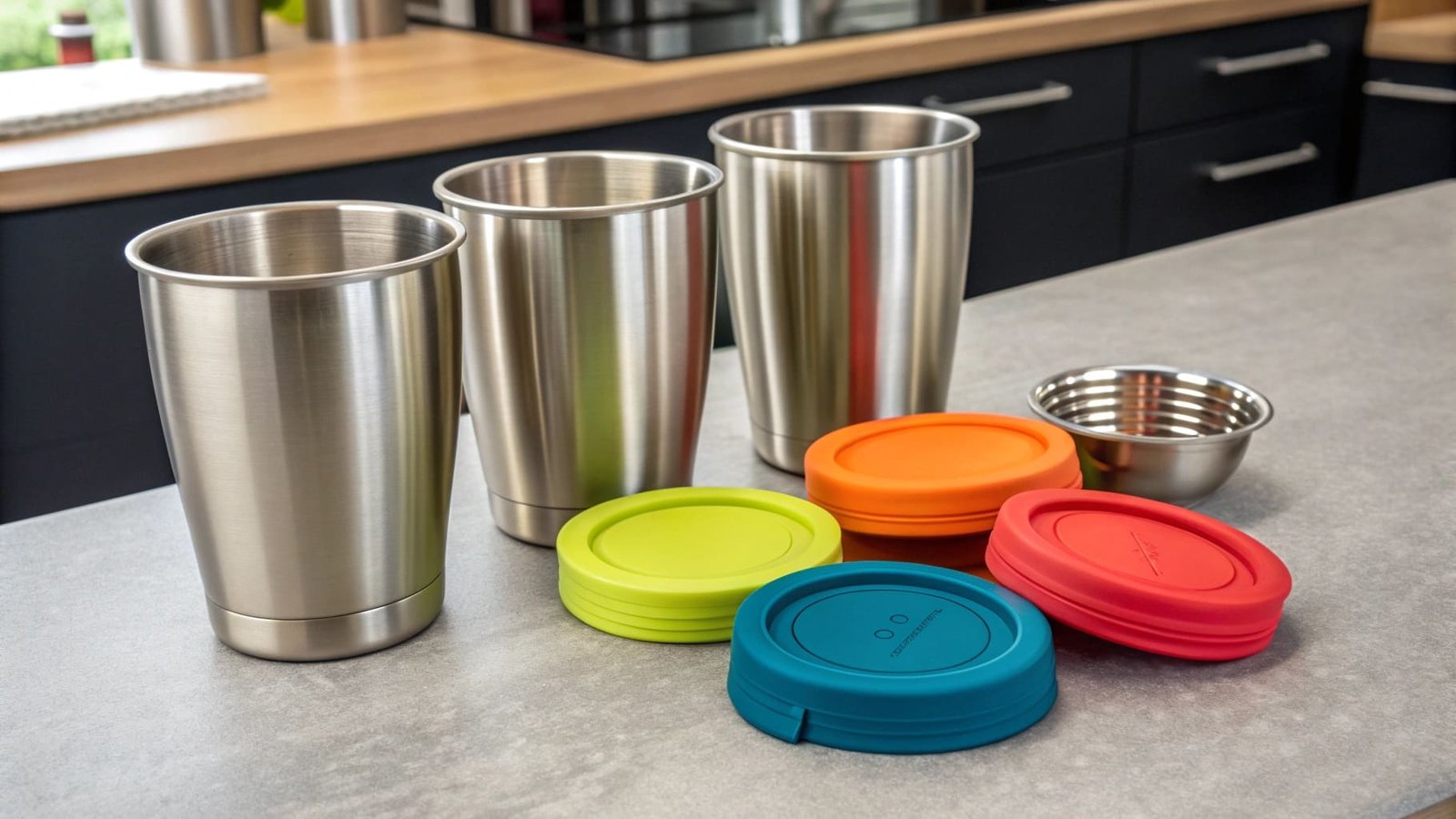
I have been working with procurement officers for years. Many of them ask me the same question about bundling. They want to create product packages that appeal to eco-conscious consumers, but they also need to make business sense. The truth is, bundling silicone products works, but only when you understand what makes them eco-friendly in the first place.
Is silicone material eco-friendly?
You see silicone products everywhere now. You wonder if this material is actually better for the environment or if it is just another marketing trend.
Silicone is eco-friendly when you consider its full lifecycle. It comes from silica, which is abundant, but the real environmental benefit is its durability and reusability over decades.
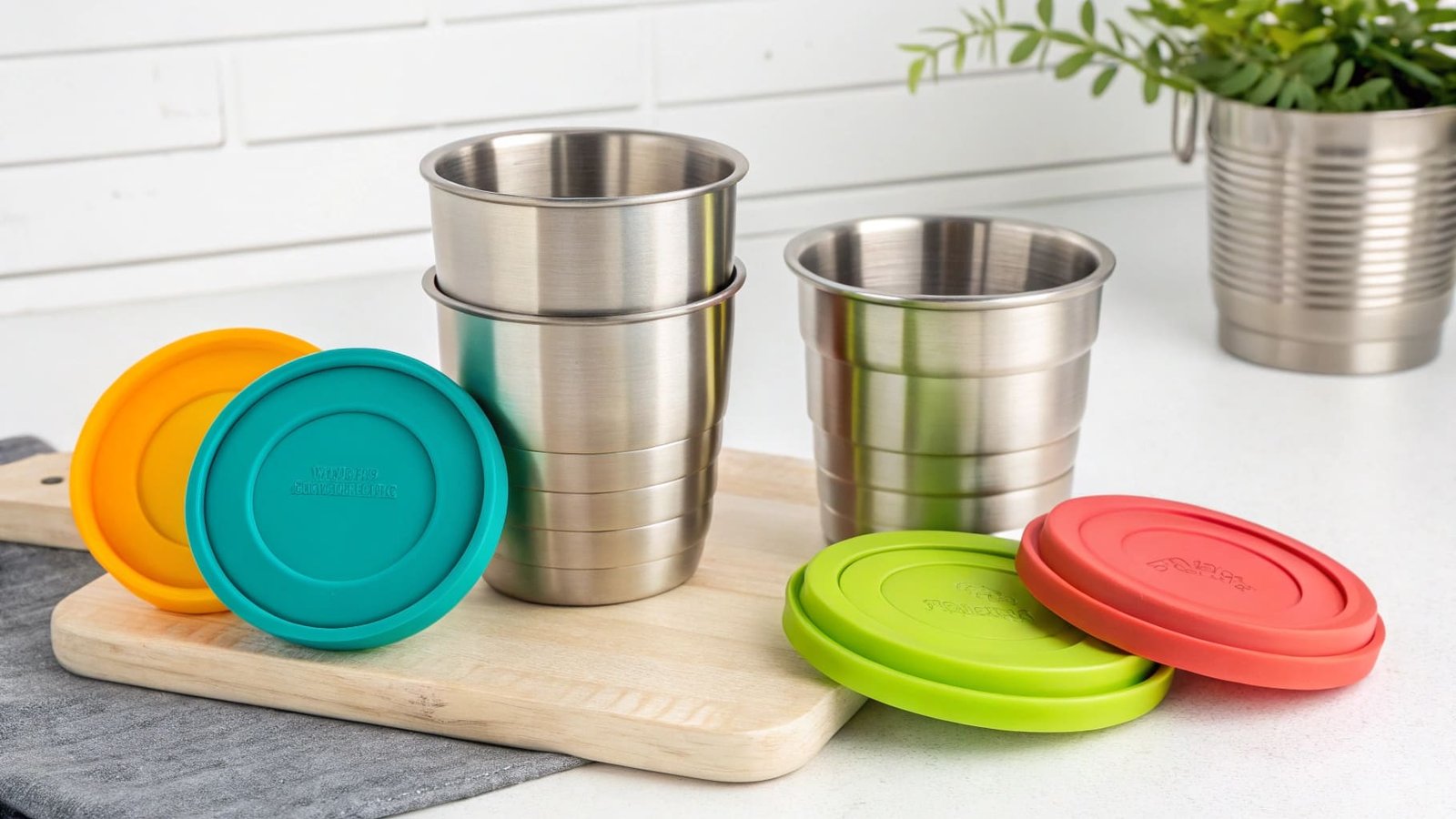
Understanding Silicone's Environmental Profile
I need to be honest with you about silicone. The manufacturing process uses a lot of energy. This is something I learned early in my business at silijoy. When I source silicone material2s from our manufacturers in China, I see the production facilities firsthand.
Silicone starts from silica, which is basically sand. This is a natural resource that we have plenty of. But turning silica into silicone requires high temperatures and chemical processes. This means energy consumption is high during production.
Here is where things get interesting. The environmental math changes completely when you look at the entire lifecycle. A single silicone stretch lid can replace hundreds of plastic wraps. A silicone tumbler boot protects your drinkware for years, preventing you from buying replacements. This is the real eco-friendly advantage.
| Aspect | Silicone | Single-Use Plastic | Traditional Alternatives |
|---|---|---|---|
| Production Energy | High | Low | Medium |
| Lifespan | 10-20 years | Days to weeks | 1-3 years |
| Reusability | Excellent | None | Limited |
| Total Resource Use | Low (per use) | High (per use) | Medium (per use) |
When I talk to buyers like you who care about sustainability, I always emphasize the durability factor. You are not just buying a product. You are buying something that will last. This matters more than the initial production impact.
Are silicone lids recyclable?
You want to know about recycling options. Your customers will ask you this question, and you need a clear answer before you commit to a large order.
Silicone lids are technically recyclable, but infrastructure is limited. Most municipal systems cannot process silicone. Specialized recycling facilities exist mainly in Europe and select North American locations.

The Reality of Silicone Recycling
I wish I could tell you that silicone recycling is easy everywhere. That would make my sales conversations much simpler. But I value honesty in business relationships.
Standard recycling centers cannot handle silicone. The material does not melt like PET plastic. It does not process like aluminum. This means your regular curbside recycling bin will not accept silicone products.
Specialized facilities do exist. I have worked with customers in Europe who have access to silicone recycling programs. Some cities in Canada and the United States are starting to develop these services. But coverage is patchy at best.
What does this mean for your business? You need to think about messaging. When I ship silicone cup lids or silicone stretch lids to customers, I include information about product care and longevity. I do not make false promises about easy recycling.
Here is a strategy that works. Some of my successful customers set up take-back programs. They collect old silicone products from their end users and send them to specialized recyclers. This requires logistics planning, but it strengthens your sustainability story.
| Recycling Option | Availability | Setup Effort | Customer Appeal |
|---|---|---|---|
| Municipal Programs | Very Limited | None (if available) | Low awareness |
| Specialized Facilities | Limited regions | Medium (shipping needed) | Growing interest |
| Take-Back Programs | Self-created | High | Strong differentiator |
| Upcycling Guidance | Anywhere | Low | Moderate interest |
Another approach is educating customers about upcycling. Old silicone lids can become grip pads. Worn silicone sleeves can protect other items. This extends the lifecycle even further.
Are silicone bags environmentally friendly?
You are considering whether to add silicone bags to your product line. You want to understand if the environmental claims hold up under scrutiny.
Silicone bags are environmentally friendly because they replace disposable alternatives repeatedly. One silicone bag can eliminate thousands of plastic bags over its lifetime, despite higher production impact.
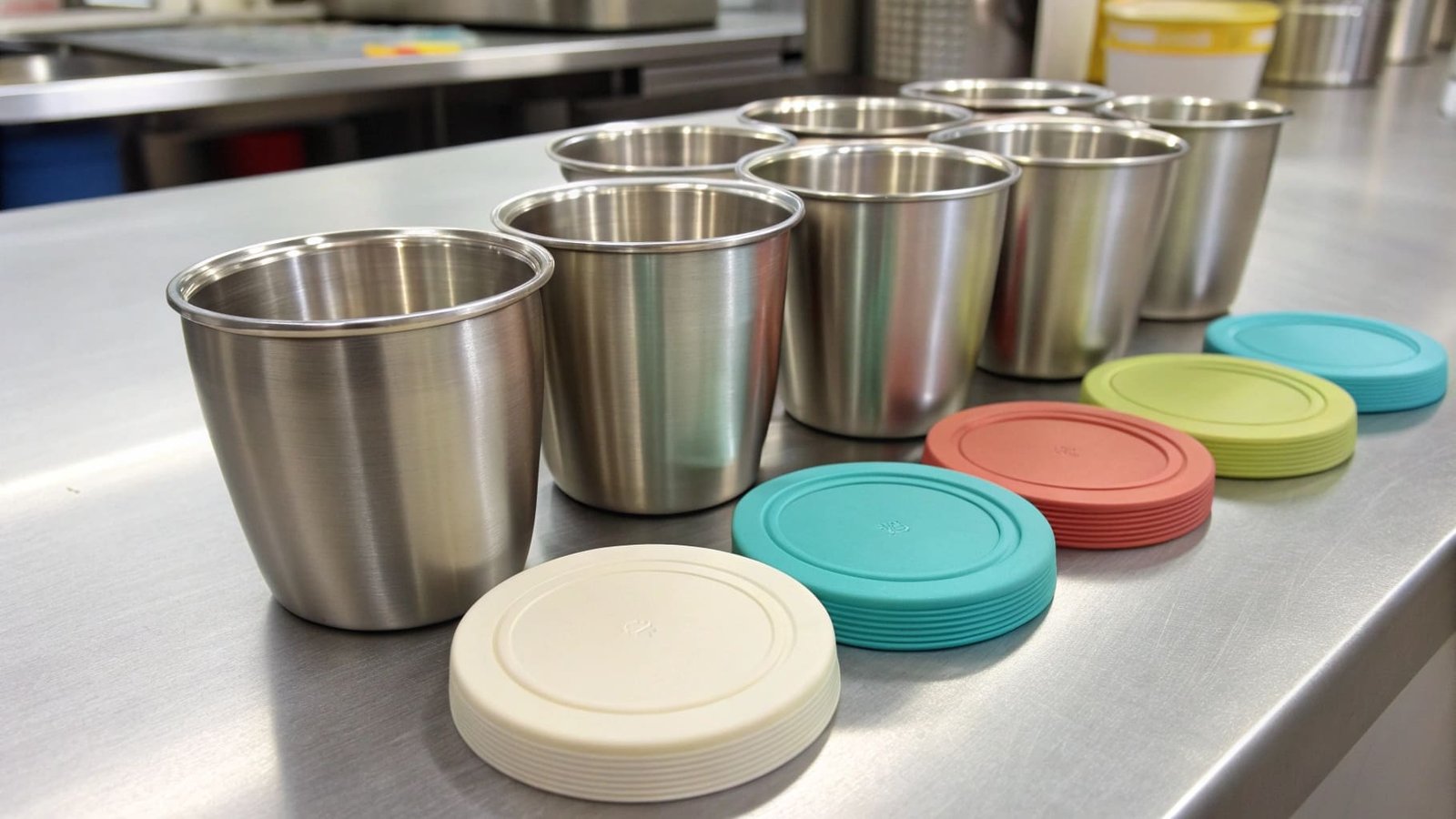
Calculating the True Environmental Value
Let me share a real situation from my business at silijoy. A customer from the United States ordered silicone stretch lids and asked about silicone bags. He wanted to bundle them as a zero-waste kitchen kit. We spent time calculating the actual environmental impact.
A typical silicone food storage bag costs more energy to produce than 100 plastic bags. This sounds bad at first. But that silicone bag will last for years. You can wash it and reuse it thousands of times. The math shifts dramatically in silicone's favor.
I have been using the same silicone bags in my own kitchen for three years. They still look new. Compare that to the plastic bags I used to throw away daily. The difference is clear.
The environmental benefit depends on actual usage. If someone buys a silicone bag and only uses it a few times, the environmental impact is worse than plastic. But when used regularly, the savings are substantial.
Here is what I tell buyers when they ask about bundling silicone products for eco-friendly packages. Focus on items that people will use frequently. Silicone lids for daily food storage make sense. Silicone soap pumps in bathrooms get daily use. These are products where the reusability advantage is obvious.
| Usage Frequency | Environmental Breakeven | Long-term Benefit |
|---|---|---|
| Daily use | 3-6 months | Excellent |
| Weekly use | 1-2 years | Good |
| Monthly use | 3-5 years | Moderate |
| Occasional use | 5+ years | Questionable |
When you bundle silicone lids with soap pumps, you are creating a package where both items get regular use. This is smart from both a business and environmental perspective. Your customers will see value quickly. They will actually experience the waste reduction.
I have learned that successful eco-friendly bundles need three elements. First, the products must solve real daily problems. Second, they must be durable enough to last years. Third, they must be easy to clean and maintain. Silicone products check all these boxes when designed properly.
The bundling opportunity is real. I have seen customers in America and Europe build entire product lines around silicone sustainability. They pair our silicone cup lids with reusable straws. They bundle silicone tumbler boots with cleaning brushes. Each package tells a complete story about reducing waste.
What matters most is your messaging. Do not claim silicone is perfect. It is not. But be clear about the real benefits: durability, reusability, and long-term waste reduction. Your customers will appreciate the honesty, and they will understand why your bundled packages make environmental sense.
Conclusion
Bundling silicone lids and soap pumps works when you focus on reusability and durability. This combination delivers real environmental benefits through long-term waste reduction.