Can Silicone O-Ring Kits Meet FDA Size 333 Standards for Bulk Manufacturing?
When I talk to buyers like you about bulk silicone O-rings, the first question is always about FDA compliance. You need parts that pass regulatory audits. You worry about failed inspections. You lose money when batches get rejected.
Yes, silicone O-ring kits can meet FDA Size 333 standards for bulk manufacturing when suppliers use FDA-compliant virgin silicone and maintain strict process controls1. The material must meet FDA 21 CFR 177.2600 regulations, and manufacturers need documented quality systems with batch traceability.
I have worked with hundreds of bulk buyers over the past decade. Many of them source O-rings for food processing plants and medical device assembly lines. They all face the same challenge: finding suppliers who truly understand FDA requirements. Let me walk you through what actually matters when you order silicone O-ring kits in bulk quantities.
Is Silicone FDA Compliant?
You open a supplier's website. They claim FDA-compliant silicone. You wonder if this is real or just marketing talk. Most buyers make mistakes here because they do not know what FDA compliance2 really means.
Silicone itself is not automatically FDA compliant. Only specific silicone formulations that meet FDA 21 CFR 177.2600 standards qualify as food-grade and FDA-compliant for direct food contact applications.
Understanding FDA 21 CFR 177.2600 Requirements
The FDA does not approve materials. They set standards. Silicone manufacturers must formulate their compounds to meet these standards. I see confusion about this every day.
The base polymer matters first. Virgin silicone must be the starting point. Recycled silicone cannot meet FDA standards. The curing agents come next. Only specific platinum-cure or peroxide-cure systems qualify. The additives must also be on the FDA-approved list.
I source my silicone from suppliers who provide documentation. They give me the exact formulation details. They show me test reports from accredited labs. Here is what actually makes silicone FDA-compliant:
| Component | FDA Requirement | Why It Matters |
|---|---|---|
| Base Polymer | Virgin silicone from approved manufacturers | Prevents contamination from unknown sources |
| Curing System | Platinum-cure or approved peroxide systems | Controls extractables and leachables |
| Additives | Only FDA-listed substances | Ensures no toxic migration to food or drugs |
| Processing | Cleanroom or controlled environment | Maintains purity during manufacturing |
| Testing | Migration and extractables testing | Proves actual performance in use conditions |
When you order bulk O-rings, ask your supplier for their Certificate of Compliance. This document should reference the specific FDA regulation. It should include batch numbers. It should come from the material manufacturer, not just the O-ring seller.
What Rings Are FDA Approved?
Your procurement team needs O-rings in Size 333. You search for FDA-approved options. You find dozens of suppliers claiming approval. You need to know which ones actually work for your application.
FDA approval applies to materials and manufacturing processes, not to finished O-ring products. Size 333 O-rings made from properly certified FDA-compliant silicone, EPDM, or PTFE materials can meet FDA standards for food and pharmaceutical applications.
Size 333 Specifications and Manufacturing Challenges
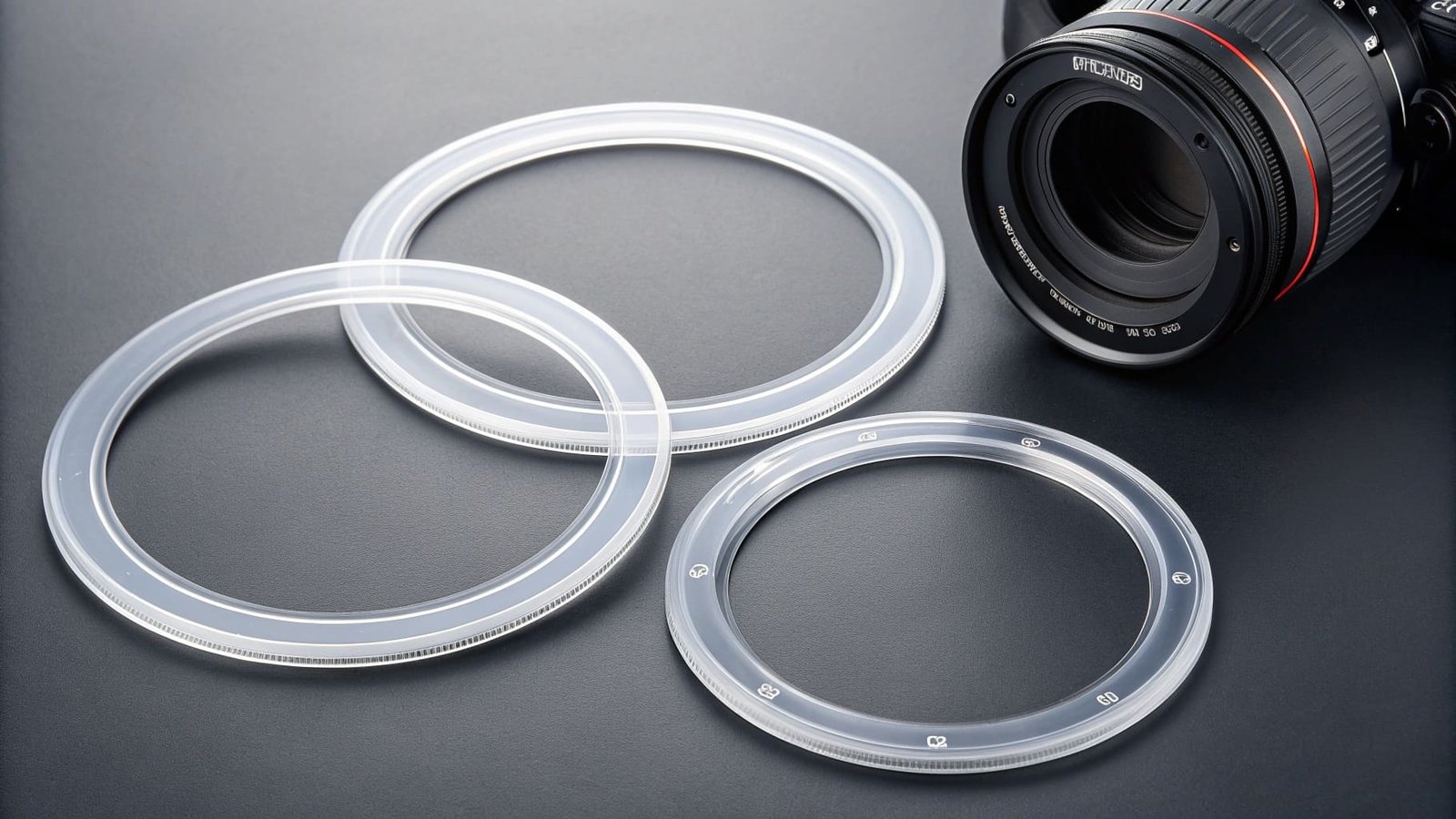
Size 333 follows AS568 standards. The inner diameter measures 6.475 inches. The cross-section width is 0.275 inches. These dimensions must stay within tight tolerances for bulk manufacturing3.
I manufacture O-rings at our facility in China. We ship thousands of Size 333 units to North America every month. The hardest part is maintaining consistency across large production runs. Temperature control during curing affects the final dimensions. Mold design impacts the parting line quality. Post-cure treatment changes the physical properties.
Here is what happens during bulk manufacturing:
Material Preparation
We compound the silicone with precise measurements. Every batch gets tested before production starts. The viscosity must match our specifications. The hardness needs to fall within the target range.
Molding Process
Our compression molding presses operate at controlled temperatures. We monitor pressure throughout the cure cycle. Each mold cavity gets inspected between runs. This prevents flash and dimensional drift.
Quality Verification
We measure every batch against AS568 standards. Our coordinate measuring machine checks critical dimensions. We perform durometer testing on random samples. We document everything for traceability.
The actual FDA compliance comes from material selection and process control. I cannot just buy any silicone and call it FDA-approved. I must source certified compounds. I must maintain documentation. I must run regular validation tests. This is what separates reliable suppliers from those who just claim compliance.
What Materials Are FDA Approved Gaskets?
You need different gasket materials4 for different applications. Your food processing line runs hot. Your pharmaceutical equipment needs sterilization. Your medical devices require biocompatibility. You want to know which materials actually work.
FDA-approved gasket materials include silicone, EPDM, nitrile rubber, PTFE, and certain grades of natural rubber. Each material serves specific temperature ranges, chemical compatibility requirements, and regulatory standards based on the intended application.
Comparing FDA-Compliant Gasket Materials
I help buyers select gasket materials every week. They often choose the wrong material because they focus only on FDA compliance. They forget about temperature limits. They ignore chemical compatibility. They overlook mechanical properties.
Silicone works for most applications. It handles temperatures from -60°F to 450°F. It resists aging and ozone. It stays flexible after repeated sterilization cycles. But it costs more than other options.
EPDM offers good value. It works well with hot water and steam. It resists many chemicals. It costs less than silicone. But it has lower temperature limits. It becomes brittle in some applications.
PTFE provides excellent chemical resistance. It handles extreme temperatures. It has very low friction. But it is rigid. It requires special installation techniques. It costs significantly more.
Here is my comparison based on real-world bulk purchasing:
| Material | Temperature Range | Chemical Resistance | Cost Factor | Best Applications |
|---|---|---|---|---|
| Silicone | -60°F to 450°F | Good (limited with oils) | 3x | Repeated sterilization, wide temp swings |
| EPDM | -40°F to 300°F | Excellent (water/steam) | 1x | Hot water systems, steam applications |
| Nitrile | -40°F to 225°F | Excellent (oils/fuels) | 1.5x | Oil contact, fuel systems |
| PTFE | -450°F to 500°F | Exceptional (most chemicals) | 5x | Aggressive chemicals, extreme temps |
| Natural Rubber | -65°F to 200°F | Poor (limited applications) | 0.8x | Dry goods, minimal chemical exposure |
I stock silicone O-ring kits because my customers need flexibility. They run cleaning cycles at high temperatures. They need parts that last through thousands of cycles. They cannot afford downtime from gasket failures.
When you order bulk gaskets, think about your total cost. A cheaper material that fails early costs more than premium silicone that lasts. I learned this the hard way years ago. A customer ordered EPDM gaskets to save money. Half failed within six months. They spent more on emergency replacements and lost production time than they saved on the initial purchase.
Supplier Validation and Documentation Requirements
You find a supplier with good prices. They claim FDA compliance. They show you some certificates. You need to verify their capabilities before placing a bulk order.
I maintain certifications because buyers require them. But certifications mean nothing without proper systems. Here is what actually matters:
Material Traceability
Every batch needs a unique identifier. We track raw materials from the compound manufacturer. We record processing parameters. We keep samples from each production run. This documentation lets you trace any issue back to its source.
Testing Protocols
We run migration testing on new formulations. We test extractables under simulated use conditions. We verify dimensions against AS568 standards. We check hardness and tensile strength. We document everything in batch records.
Process Controls
Our production area maintains controlled conditions. We monitor temperature and humidity. We follow documented procedures. We train operators on FDA requirements. We conduct internal audits quarterly.
Customer Documentation
We provide Certificates of Compliance with every shipment. We include material safety data sheets. We give you test reports when requested. We maintain records for seven years minimum.
Some buyers ask why this matters. They just want good O-rings at low prices. Then they face an FDA audit. They cannot provide documentation. They fail inspection. They lose their operating license. Prevention costs less than fixing compliance failures.
Conclusion
FDA-compliant silicone O-ring kits require certified materials, documented processes, and reliable suppliers who understand regulatory requirements beyond basic compliance claims.
-
Learn about process controls to maintain quality and compliance in your manufacturing processes. ↩
-
Understanding FDA compliance is crucial for ensuring your silicone O-rings meet necessary safety standards. ↩
-
Gain insights into the complexities of bulk manufacturing to avoid costly mistakes. ↩
-
Explore FDA-approved gasket materials to ensure safety and compliance in your applications. ↩