Can Source Bladder NC Cap Replacements Be Customized for OEM Projects?
I face this challenge every quarter: finding bladder cap suppliers who actually understand customization. Many claim they can do it, but few deliver what OEM projects truly need.
Yes, source bladder NC cap replacements can be fully customized for OEM projects1. You can adjust material composition, dimensions, colors, and functional features like sealing mechanisms to match your brand requirements and performance standards.
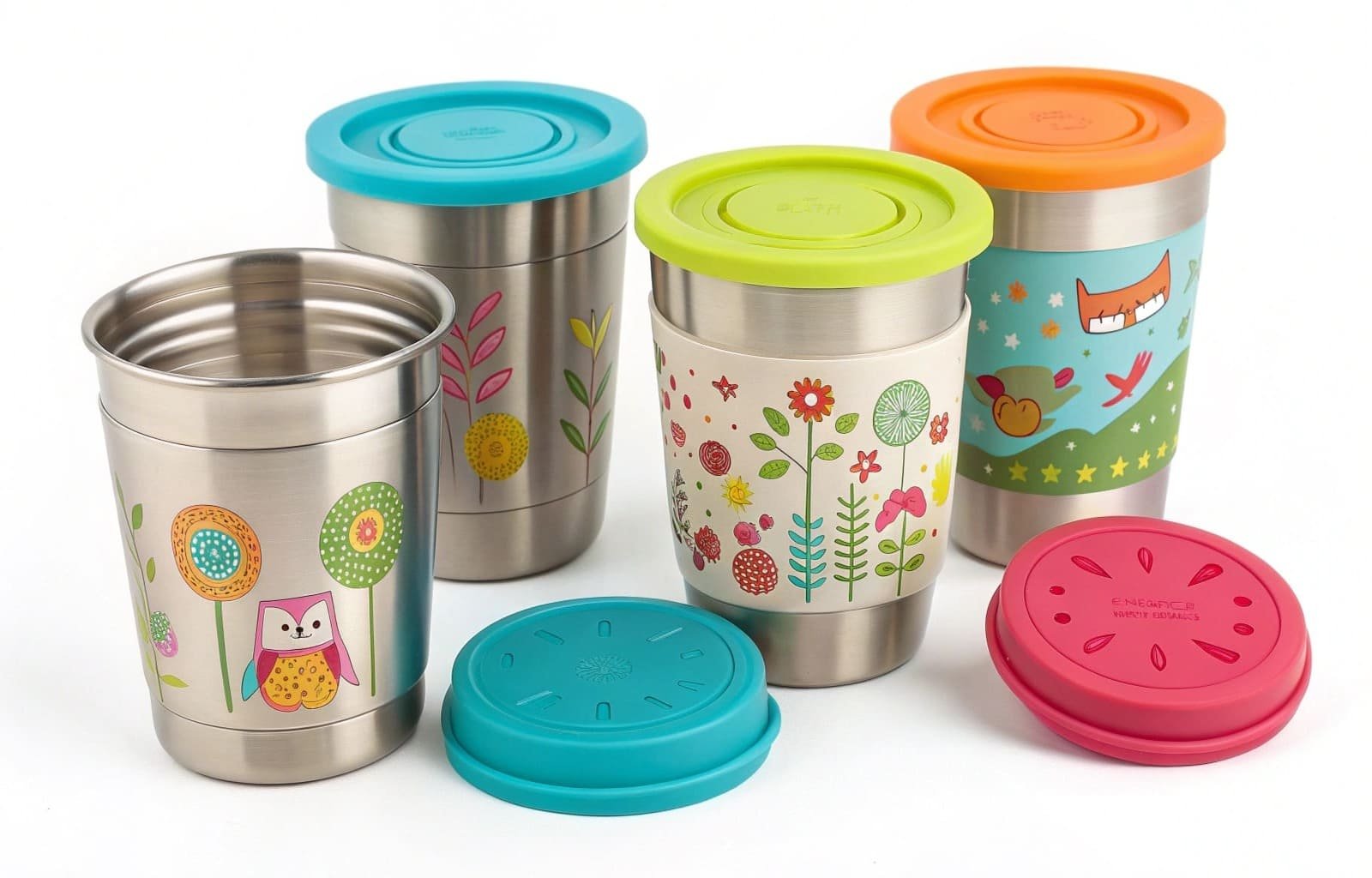
Last year, I worked with a Canadian distributor who needed bladder caps for a new hydration pack line. He wanted something different from standard offerings. That experience taught me what real customization means in this industry. Let me share what I learned.
What Does Replace the Cap Mean?
When buyers say "replace the cap," I hear confusion in their voice. They think it means swapping old with new. But in B2B sourcing, this term carries more weight than simple substitution.
Cap replacement in OEM projects means sourcing compatible or upgraded alternatives that meet specific performance benchmarks. This includes matching thread specifications2, improving seal integrity, or enhancing durability while maintaining compatibility with existing systems.
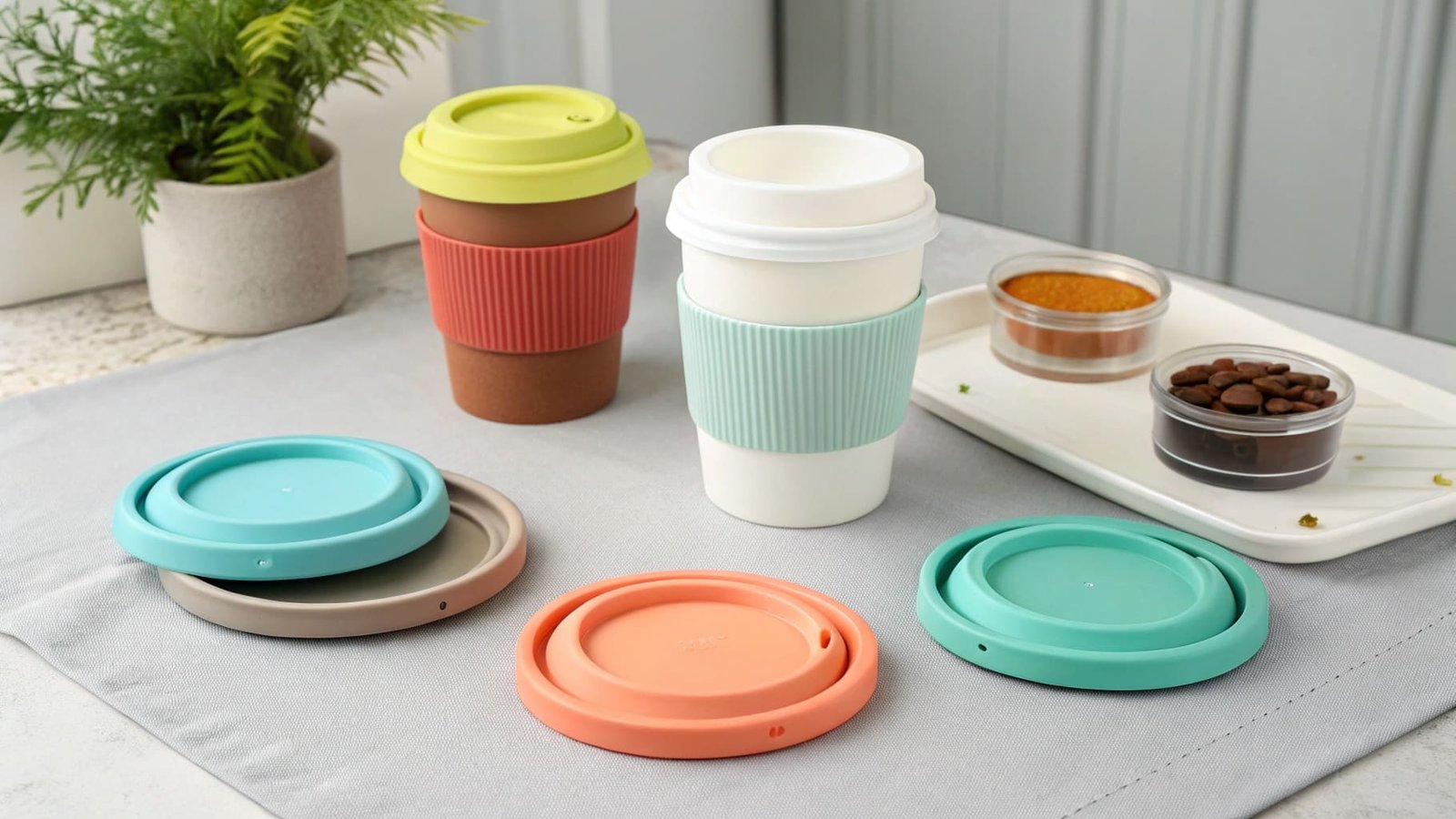
Understanding True Cap Replacement in B2B Context
I remember when a procurement officer called me frustrated. His previous supplier sent caps that technically fit but leaked after two weeks. That is when I realized many buyers do not understand what "replacement" actually involves.
Cap replacement is not about finding an identical copy. It is about engineering a solution that performs better. When I evaluate replacement options for customers, I look at three main areas. First, I check dimensional compatibility. The cap must fit the original neck design perfectly. Even a 0.5mm difference can cause problems. Second, I assess functional improvements. Can we add features the original cap lacked? Maybe better grip texture or a more reliable seal. Third, I verify material upgrades. Perhaps the original used lower-grade silicone that degraded quickly.
Here is what I track when specifying cap replacements:
| Specification Area | Original Cap | Replacement Options | Decision Factors |
|---|---|---|---|
| Material Grade | Standard silicone | Food-grade, medical-grade, or hybrid | End-use requirements, regulations |
| Thread Type | Generic 28mm | Custom threads, snap-fit, or twist-lock | Compatibility, user experience |
| Seal Mechanism | Basic O-ring | Enhanced gasket, valve system | Leak prevention needs |
| Temperature Range | -20°C to 100°C | Extended range options | Operating environment |
| Certifications | None | FDA, LFGB, REACH | Target market regulations |
The replacement process involves technical evaluation. I always request samples before committing to production. I test them under real conditions. I fill containers, shake them, leave them in hot cars, freeze them overnight. This reveals whether a replacement truly works.
Are There Any Bottle Cap Manufacturers in the United States?
When buyers ask about US manufacturers, I sense they want local production for faster lead times. The answer surprises most of them. The landscape differs greatly between standard caps and specialized silicone components.
Yes, bottle cap manufacturers operate in the United States, primarily focusing on high-volume rigid plastic caps. However, specialized silicone bladder cap producers are predominantly based in Asia, offering superior customization capabilities and competitive pricing for OEM projects.
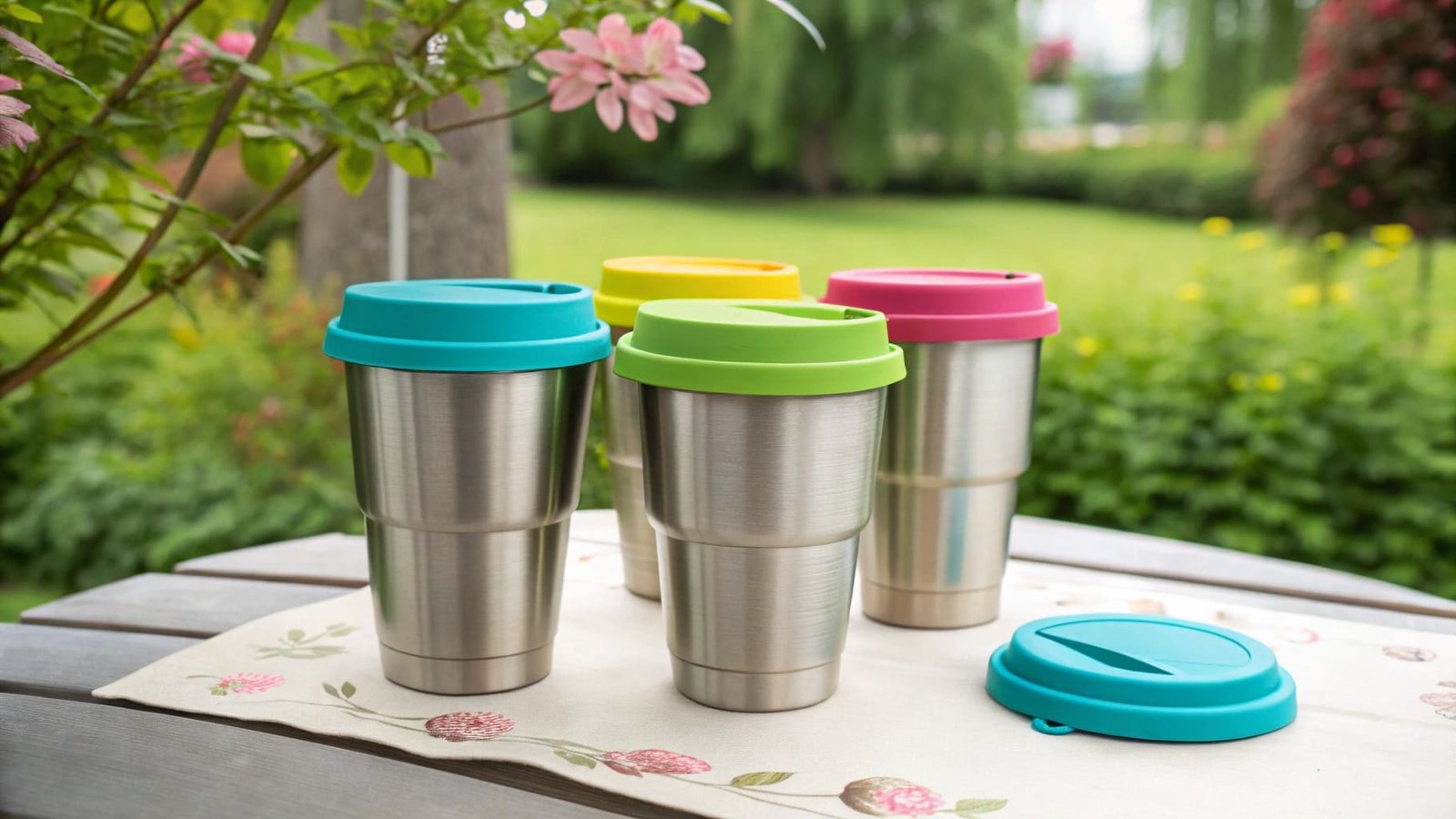
Why Geographic Location Matters Less Than Capability
I once visited a US-based cap manufacturer who produced millions of standard plastic caps daily. Impressive operation. But when I asked about custom silicone bladder caps in small batches, they could not help. Their minimum order was 100,000 units with six-month lead times.
The manufacturing reality is complex. American producers excel at rigid plastic caps for beverages and consumer goods. They have automated lines that pump out standard designs efficiently. But silicone bladder caps require different expertise. The material behaves differently during molding. Temperature control is critical. Curing times vary. Most US facilities lack specialized equipment for silicone.
I work with manufacturers across different regions. Each has strengths. Here is what I see:
| Region | Strengths | Limitations | Best For |
|---|---|---|---|
| United States | Fast communication, quality standards | Higher costs, limited silicone expertise | Large-volume standard designs |
| China | Advanced silicone molding, low MOQ, competitive pricing | Longer shipping, time zone challenges | Custom silicone projects |
| Europe | Strong certifications, mid-range pricing | Higher costs than Asia | Premium medical-grade products |
| Southeast Asia | Growing capabilities, moderate pricing | Varying quality control | Cost-sensitive projects |
When I evaluate suppliers for OEM projects, I focus on capability over location. Can they handle custom mold development3? Do they understand silicone material science? What is their quality control process4? I have seen Chinese manufacturers deliver better results than local options because they specialize in this exact product category.
The decision comes down to project priorities. If you need 500 custom bladder caps in three colors with specific certifications, an Asian specialist makes sense. If you need 500,000 standard plastic caps monthly, a US manufacturer might work better. I always tell buyers to sample from multiple regions. Test quality yourself. Geography matters less than execution.
How to Recycle an Empty and Replace Cap?
Sustainability questions come up in almost every negotiation now. Buyers want to know about end-of-life options. This reflects a bigger shift in purchasing priorities.
Recycling bladder caps depends on material purity. Single-material silicone caps can be recycled through specialized programs, though infrastructure remains limited. For replacement projects, design strategies include detachable components for material separation, using recycled content, or establishing take-back programs.
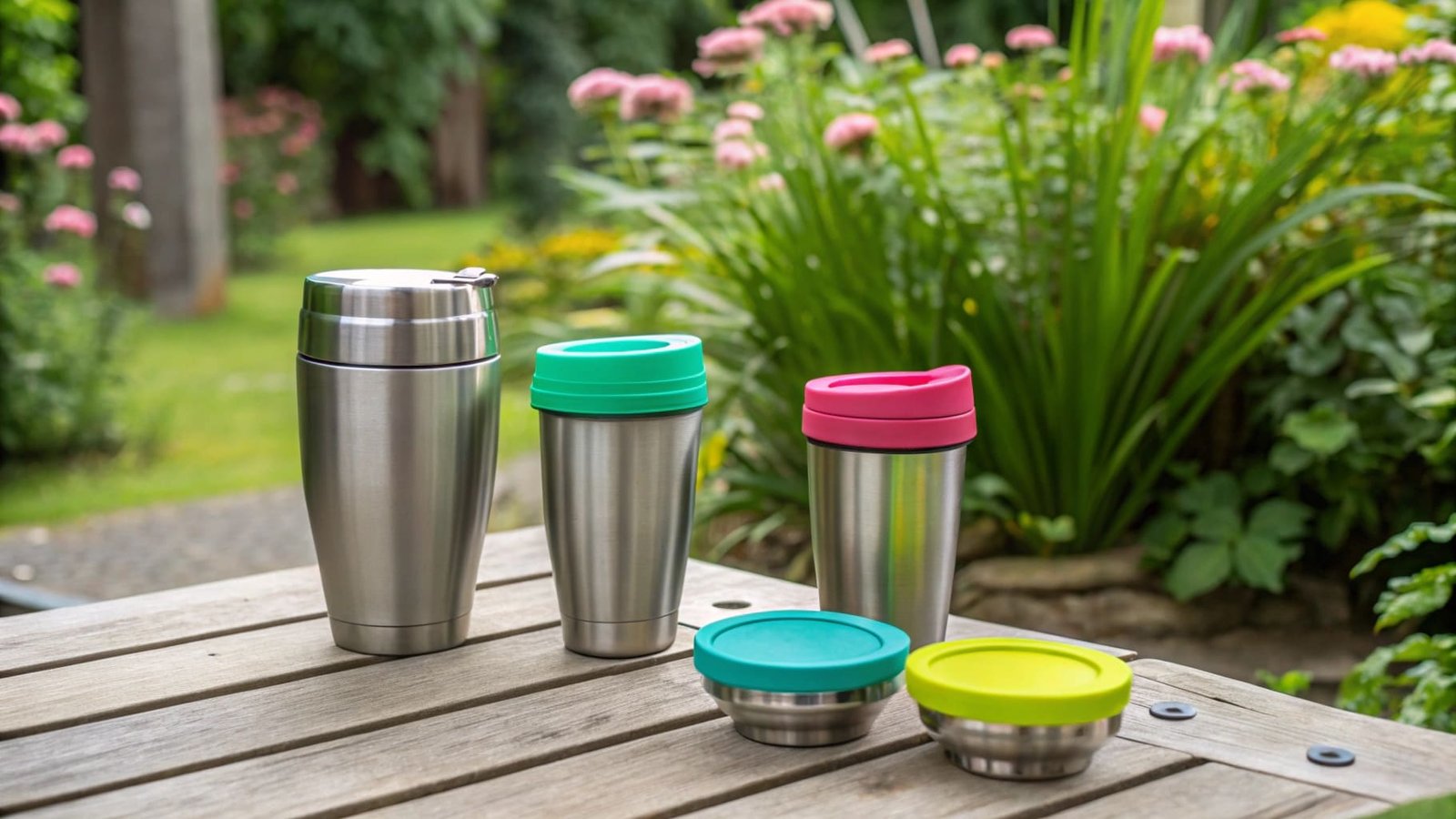
Building Circular Economy Principles Into Cap Design
Last month, a buyer told me his company committed to circular economy goals. He needed caps that supported this vision. We spent hours discussing design approaches that balance functionality with recyclability.
Silicone recycling presents unique challenges. Unlike thermoplastics that melt and reform easily, silicone requires different processing. It can be ground into powder and used as filler, or processed through specialized methods to break molecular bonds. The problem is infrastructure. Most municipal recycling programs do not accept silicone. Only specialized facilities handle it.
I approach this from a design perspective. When I develop custom caps for OEM projects, I consider several strategies. First, I use pure silicone without additives when possible. This makes future recycling simpler. Second, I design caps with detachable metal springs or plastic inserts. Users can separate materials before disposal. Third, I work with manufacturers who use post-consumer recycled silicone content. Some facilities now incorporate up to 30% recycled material without compromising quality.
Here is my framework for sustainable cap design:
| Design Strategy | Implementation Method | Trade-offs | Recycling Impact |
|---|---|---|---|
| Material Purity | Single-grade silicone, no additives | May limit color options | Easier specialist recycling |
| Modular Design | Separate components for different materials | Slightly more complex assembly | Enables material separation |
| Recycled Content | Blend virgin and post-consumer silicone | May require testing for consistency | Reduces virgin material demand |
| Take-Back Programs | Partner with recycling facilities | Logistics costs, tracking systems | Creates closed-loop system |
| Bio-Based Options | Explore emerging silicone alternatives | Higher costs, limited suppliers | Potentially biodegradable |
I also educate customers about realistic expectations. A cap designed for recyclability still requires consumer participation. If users throw it in regular trash, design features do not matter. I recommend clear labeling, QR codes linking to recycling instructions, and partnerships with programs like TerraCycle.
For replacements specifically, I suggest transition strategies. If replacing an existing cap design, we can phase in recyclable versions. Maybe start with one product line, gather feedback, then expand. This manages costs while building towards sustainability goals. I have seen companies reduce their environmental impact significantly through thoughtful cap redesign, but it requires commitment beyond just purchasing decisions.
Conclusion
Customizing source bladder NC cap replacements for OEM projects is absolutely feasible. Success requires finding specialized manufacturers who understand both silicone engineering and your specific performance needs.
-
Learn how customized bladder caps can enhance the performance and branding of your OEM projects. ↩
-
Learn about the significance of thread specifications in ensuring compatibility and performance. ↩
-
Learn why custom mold development is crucial for achieving the desired cap specifications. ↩
-
Learn about essential quality control processes to ensure high-quality cap production. ↩