Can Tumbler Coffee Mug Lids Be Produced Within Standard Business Day Schedules?
I faced a nightmare last quarter. My Canadian client needed 5,000 silicone tumbler lids in 10 days. The order timing was tight. I had to explain production realities fast.
Yes, tumbler coffee mug lids can be produced within standard business days if you use existing molds. Standard plastic lids take 5-7 business days. Silicone lids with ready tooling need 7-10 business days. Custom designs require 15-20 business days including mold making.
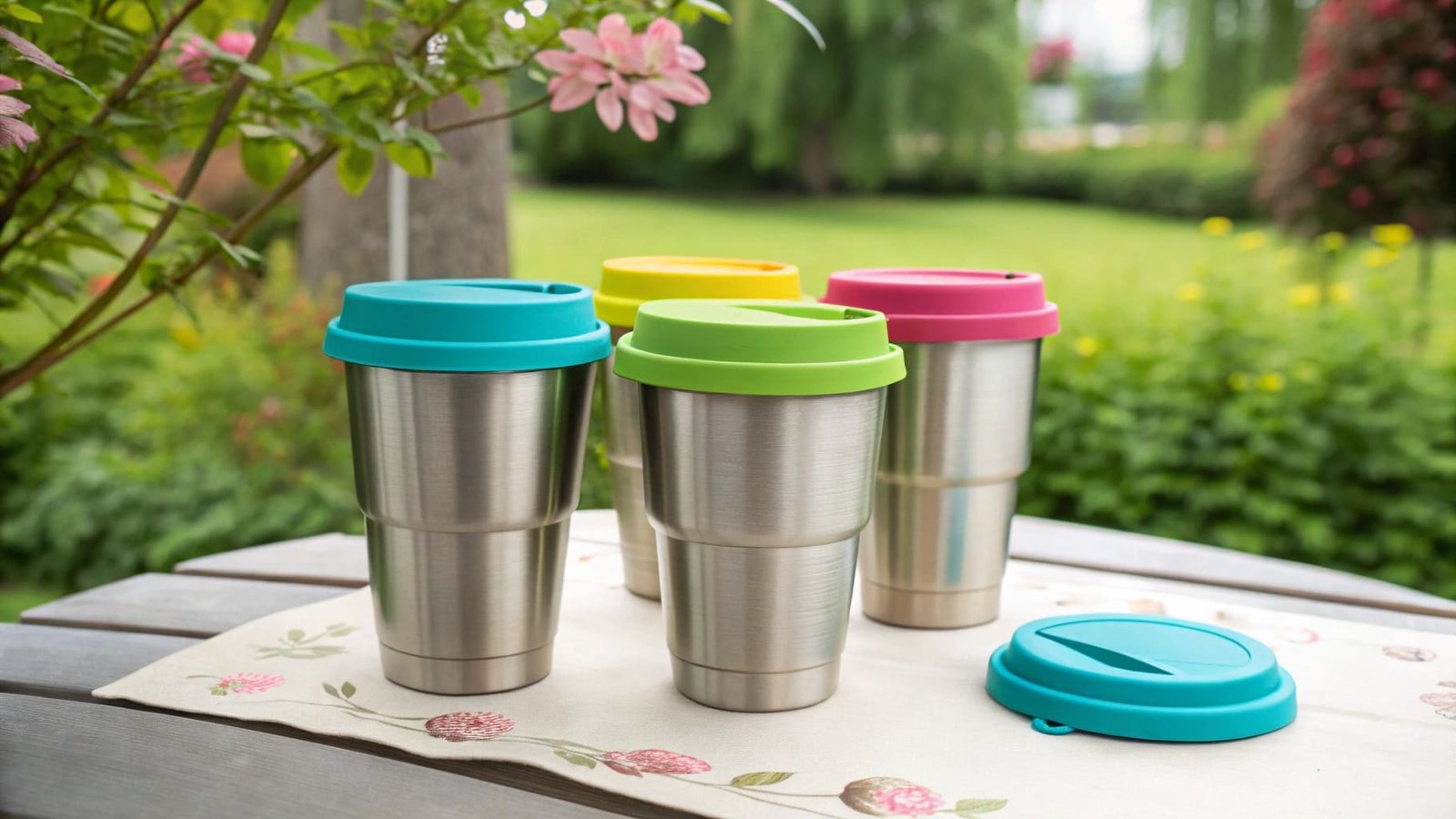
I run a silicone products factory in China. I work with buyers like Mark every day. He sources tumbler accessories for the Canadian market. Production timelines matter to him. Missing peak seasons costs him money. I learned this the hard way three years ago when I promised impossible deadlines. Now I share what actually works in real manufacturing.
What Are Coffee Cup Lids Made Of?
I remember Mark's first question. He held a plastic lid and a silicone one. He asked which one his customers would prefer. The material choice affects everything from cost to production time.
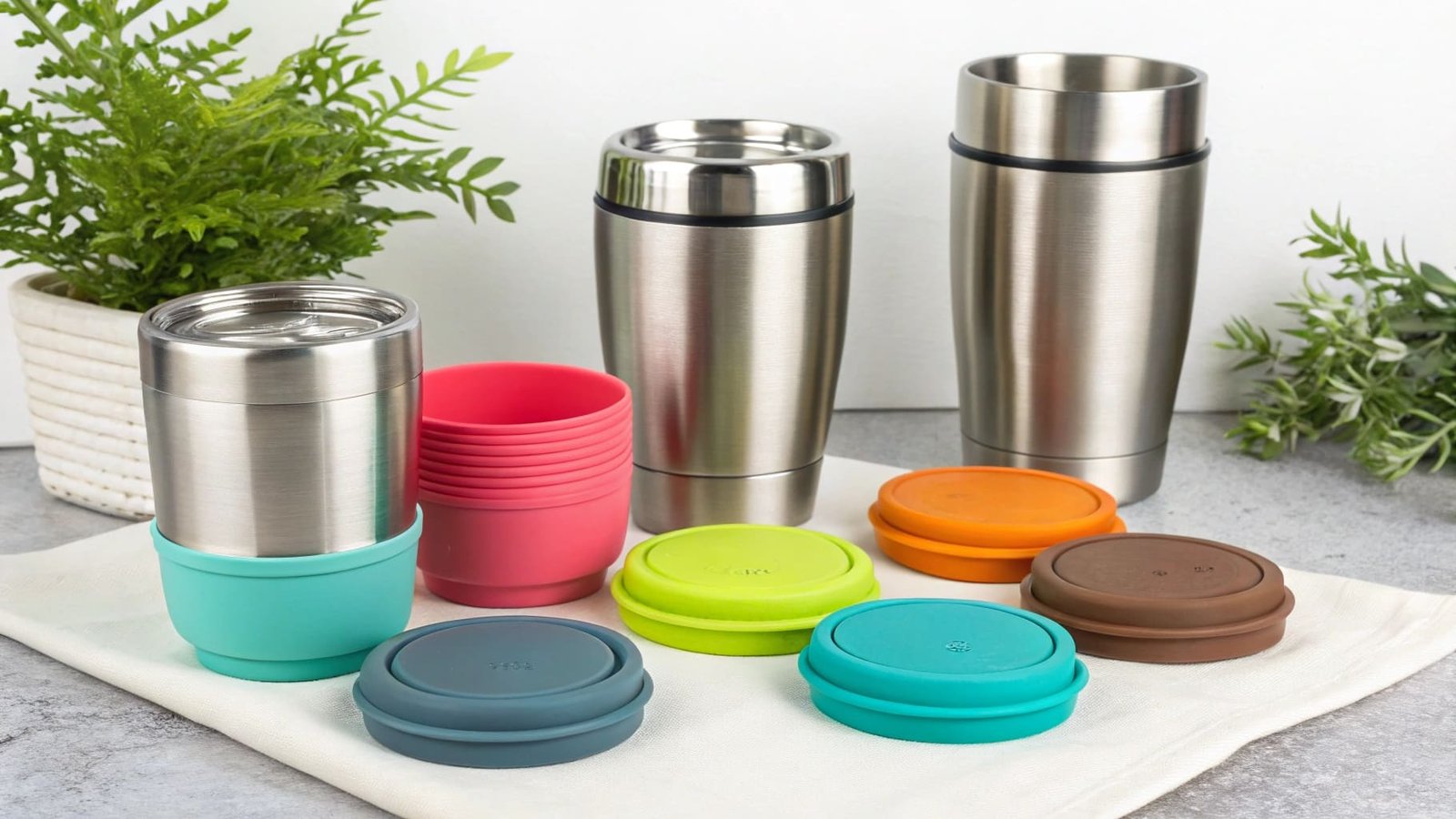
Coffee cup lids are made from three main materials: polypropylene, polystyrene, and food-grade silicone1. Polypropylene dominates disposable lids. Polystyrene is used for cold drinks. Silicone is the standard for reusable tumbler lids. Each material has different production requirements and timelines.
The Three Primary Materials
I deal with material specifications every day. Polypropylene lids are the most common. Factories use them for disposable coffee cups. The material melts at 160°C. It cools fast in injection molds. Production speed is very high.
Polystyrene is cheaper than polypropylene. Factories use it for cold beverage lids. The material cannot handle hot liquids well. It becomes soft above 100°C. I rarely recommend it for tumbler lids.
Food-grade silicone is my specialty. The material performs at -40°C to 230°C. It seals better than plastic. Customers can use one silicone lid for years. The material needs longer production time but lasts much longer.
Material Properties Comparison
| Material | Temperature Range | Production Speed | Durability | Cost per Unit |
|---|---|---|---|---|
| Polypropylene | -20°C to 120°C | Very Fast | 3-6 months | $0.05-$0.15 |
| Polystyrene | -10°C to 90°C | Very Fast | 1-3 months | $0.03-$0.10 |
| Silicone | -40°C to 230°C | Moderate | 3-5 years | $0.30-$0.80 |
Why Material Matters for Your Timeline
Mark learned this lesson fast. He wanted custom silicone lids in one week. I showed him the curing process. Silicone needs 24-48 hours to cure properly. Plastic injection molding takes seconds per piece. The material choice directly impacts your delivery date. I always ask buyers about their deadline first. Then I recommend the material that fits their schedule.
Are Takeaway Coffee Cup Lids Recyclable?
Mark's customers in Canada ask him this question constantly. The environmental aspect affects his sales. He needed clear answers to give his retailers. This topic is more complex than most people think.
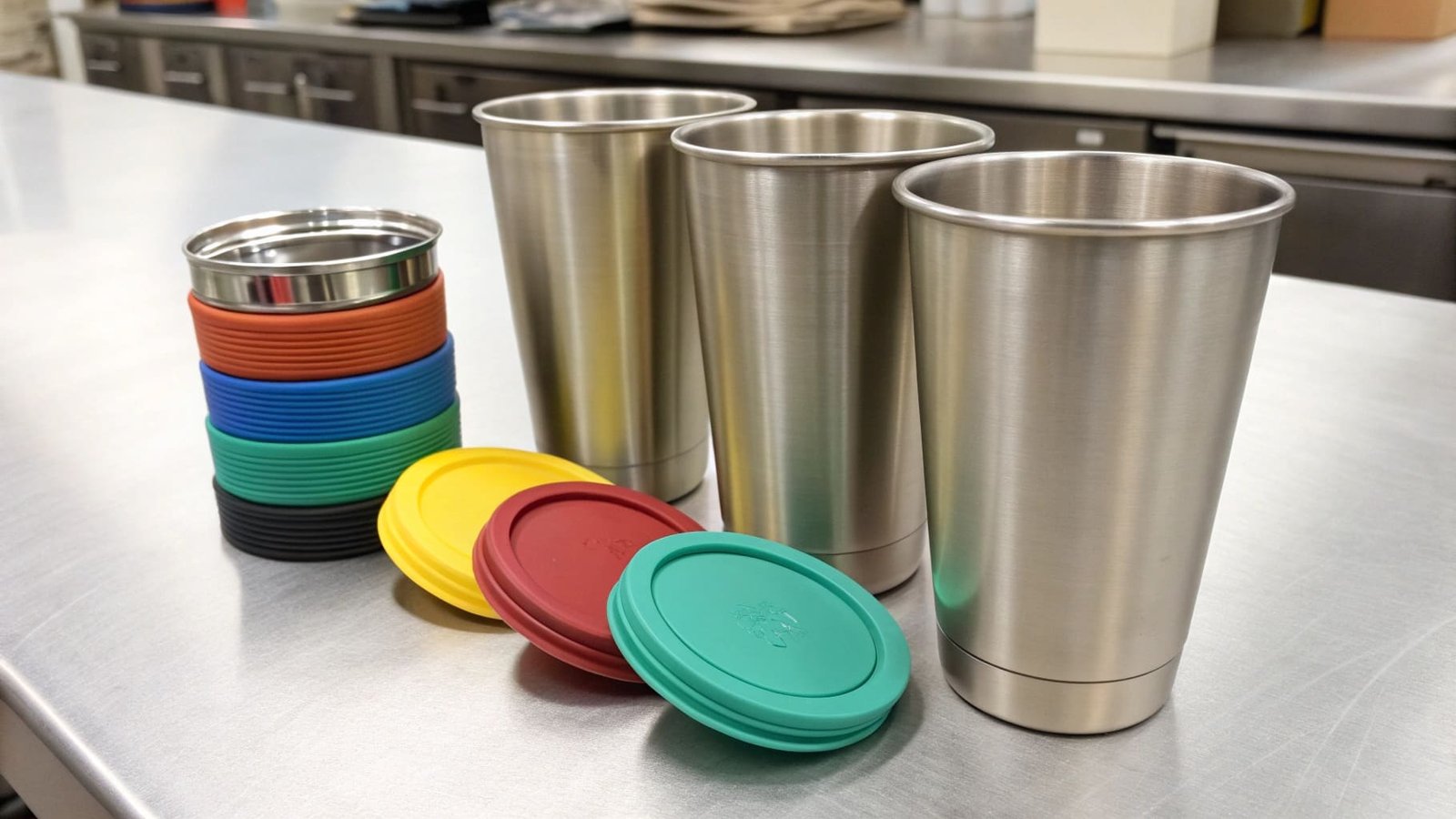
Standard plastic coffee cup lids2 face major recycling challenges. Most municipalities cannot process them through curbside programs. The material is too thin and gets contaminated easily. Silicone lids are not recyclable through traditional programs but last hundreds of times longer than disposable lids.
The Recycling Reality for Plastic Lids
I visited recycling facilities in three countries. The truth surprised me. Polypropylene lids are technically recyclable. But recycling centers often reject them. The lids are too small for sorting machines. Coffee residue contaminates the material. Most plastic lids end up in landfills despite the recycling symbol.
European buyers care deeply about this issue. They ask for certifications and proof. I show them the reality. One client from Germany stopped ordering plastic lids entirely. He switched to silicone after visiting a recycling plant. The experience changed his product strategy.
Silicone's Sustainability Angle
Silicone lids offer a different sustainability model. The material is not biodegradable. Traditional recycling programs do not accept them. But one silicone lid replaces 300-500 disposable plastic lids. The math works in favor of durability over recyclability.
I started a take-back program two years ago. Customers send old silicone lids back to me. I work with specialized recyclers who break down silicone. The material gets reprocessed into industrial products. This approach appeals to B2B buyers in North America and Europe. Mark now promotes this program to his retail partners.
What This Means for B2B Buyers
| Lid Type | Curbside Recyclable | Lifespan | Environmental Approach |
|---|---|---|---|
| Plastic (PP) | Technically Yes, Practically No | 3-6 months | Single-use reduction |
| Plastic (PS) | No | 1-3 months | Avoid when possible |
| Silicone | No (Special Programs) | 3-5 years | Longevity-focused |
Your target market determines the right choice. American consumers increasingly prefer reusable options. European regulations push toward circular economy models. I help buyers navigate these regional differences. The production timeline must align with your sustainability messaging.
How to Make a Coffee Lid?
Mark asked me to visit my factory floor. He wanted to understand production constraints. I showed him every step. The process explains why some timelines are realistic and others are not.
Coffee lid production involves four main stages: mold creation, material preparation, forming process3, and quality control. Plastic lids use injection molding that takes seconds per piece. Silicone lids use compression molding that requires 3-5 minutes per piece plus 24-48 hours curing time.
Stage One: Mold Creation
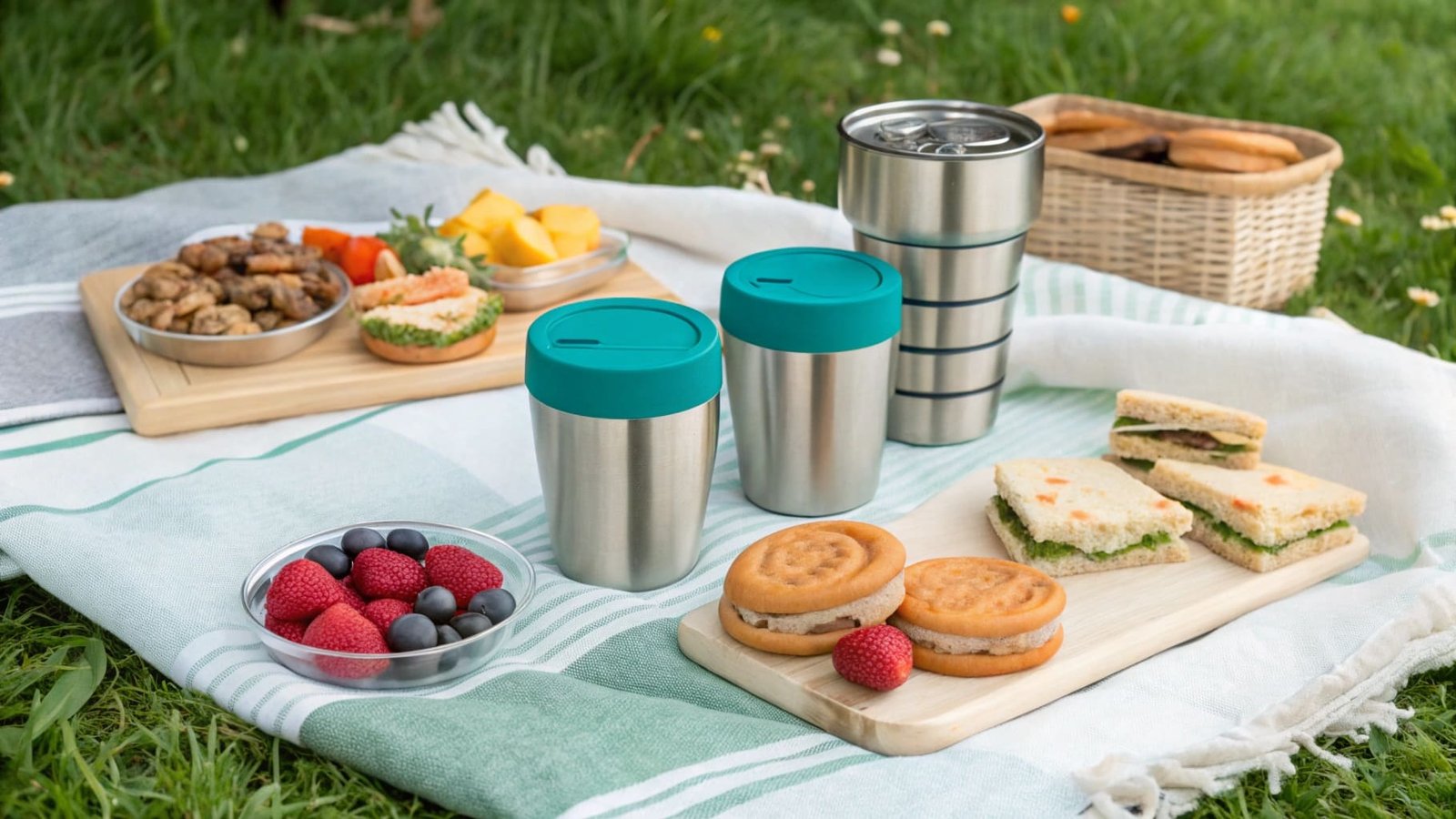
This stage determines your entire timeline. I keep 50+ mold designs in stock. When buyers order standard sizes, I skip this step. The order goes directly to production.
Custom molds take 7-10 business days to create. The factory machines aluminum or steel blocks. Engineers test the mold multiple times. I send first article samples to buyers for approval. Mark now orders custom molds during his slow season. He uses them for peak season production. This strategy saves him weeks.
Stage Two: Material Preparation
Plastic pellets need minimal preparation. Workers load them into injection machines. The machine heats pellets to 200°C. The melted plastic is ready in minutes.
Silicone preparation is more involved. I mix liquid silicone with catalysts. The ratio must be precise. Temperature affects curing speed. I test every batch before production starts. This preparation adds 2-3 hours to the process. Buyers often do not account for this time.
Stage Three: The Forming Process
| Process Type | Cycle Time | Pieces per Hour | Curing Needed | Daily Capacity |
|---|---|---|---|---|
| Plastic Injection | 15-30 seconds | 120-240 | No | 2,000-4,000 |
| Silicone Compression | 3-5 minutes | 12-20 | Yes (24-48 hrs) | 200-300 |
Injection molding is very fast. The machine injects melted plastic into the mold. The plastic cools in seconds. Workers remove the finished lid immediately. I can produce thousands per day.
Silicone compression molding is slower. I place silicone material in the mold. The press applies heat and pressure. The lid forms in 3-5 minutes. But the lid needs additional curing time. I stack lids on racks and cure them in ovens. This step cannot be rushed. Fast curing creates weak spots in the material.
Stage Four: Quality Control
I inspect every batch before shipping. Workers check dimensions with calipers. They test seal strength on sample tumblers. They verify food-grade compliance.
Mark learned about quality control costs. One competitor shipped him lids with poor sealing. His customers returned products. He lost money and reputation. Now he pays slightly more for my quality control process. The extra 1-2 business days for inspection saves him from returns.
Production Timeline Breakdown
Standard lids with existing molds: 5-7 business days total. This includes 1 day material prep, 2-3 days production, 1-2 days curing (silicone only), 1 day quality control, 1 day packing.
Custom lids with new molds: 15-20 business days total. This includes 7-10 days mold making, 1 day sampling and approval, then the same 5-7 days as standard production.
I always add 3-5 buffer days during Q3 and Q4. Production capacity gets tight. Multiple buyers compete for factory time. Mark places his holiday season orders in July now. He learned this lesson after missing Black Friday deadlines two years ago.
Conclusion
Production speed depends on mold availability and material choice. I help buyers plan realistic timelines. Standard designs ship within business week schedules. Custom projects need three weeks minimum. Plan ahead for peak seasons.