Do Hydration Bladder Tube Replacements Meet Military Specification Requirements?
I learned the hard way that not all replacement tubes are built the same. I once shipped a batch that failed stress tests. My client lost a major military contract. That mistake cost me sleep and money.
Yes, quality hydration bladder tube replacements can meet military specifications. They must pass NSF-42 certification and use FDA food-grade silicone1. These tubes withstand extreme temperatures from -40°F to 250°F and maintain leak-proof seals after 500+ insertion cycles.
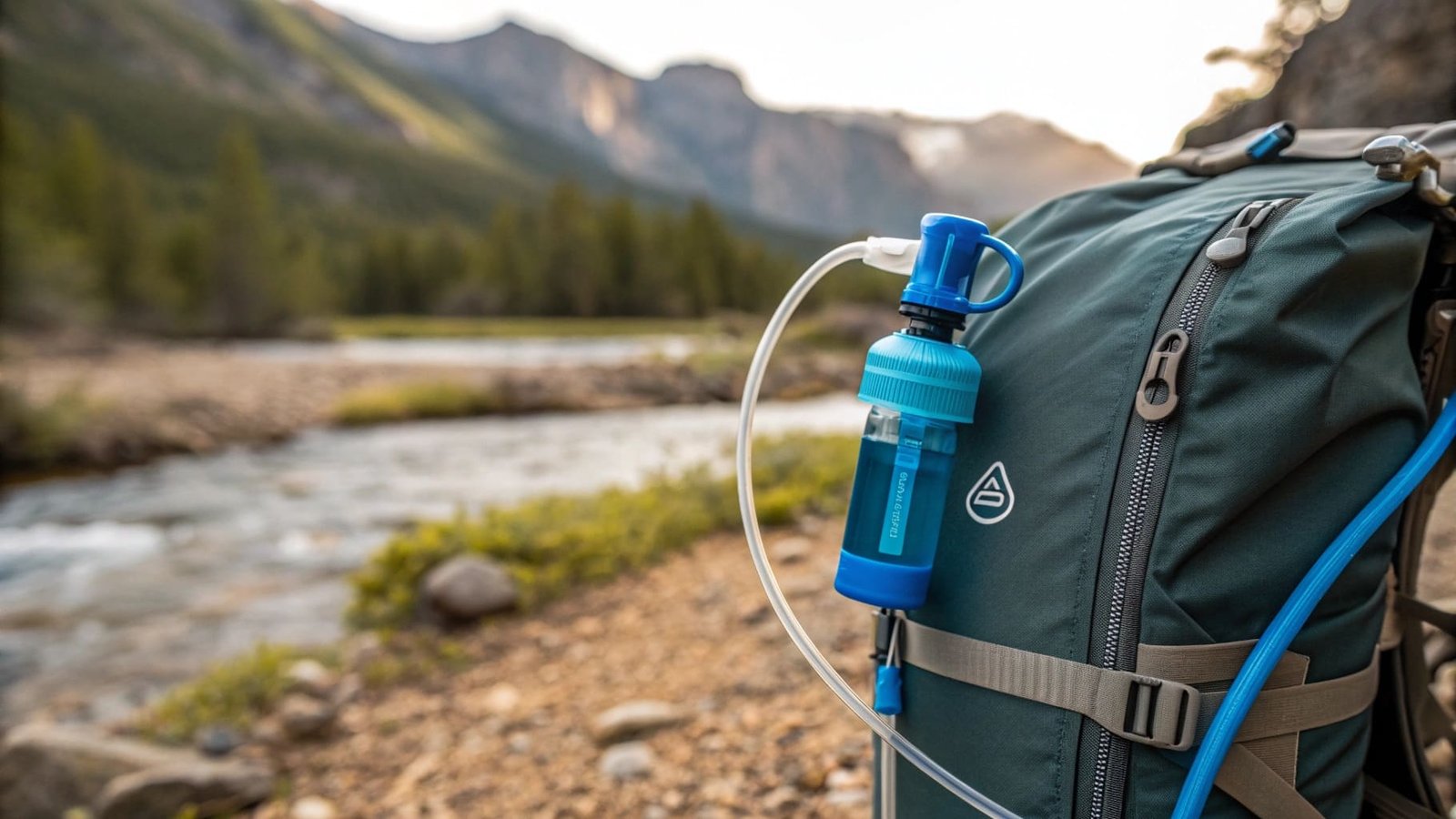
I remember standing in my factory watching workers test tube samples. We pulled, twisted, and froze them. The cheap ones cracked. The military-grade ones held strong. That day changed how I think about quality control.
How Do You Clean the Tube of a Hydration Bladder?
Dirty tubes scare me. I have seen bacteria grow inside tubes that looked clean. Clients return products. Reviews turn negative. Brand reputation suffers.
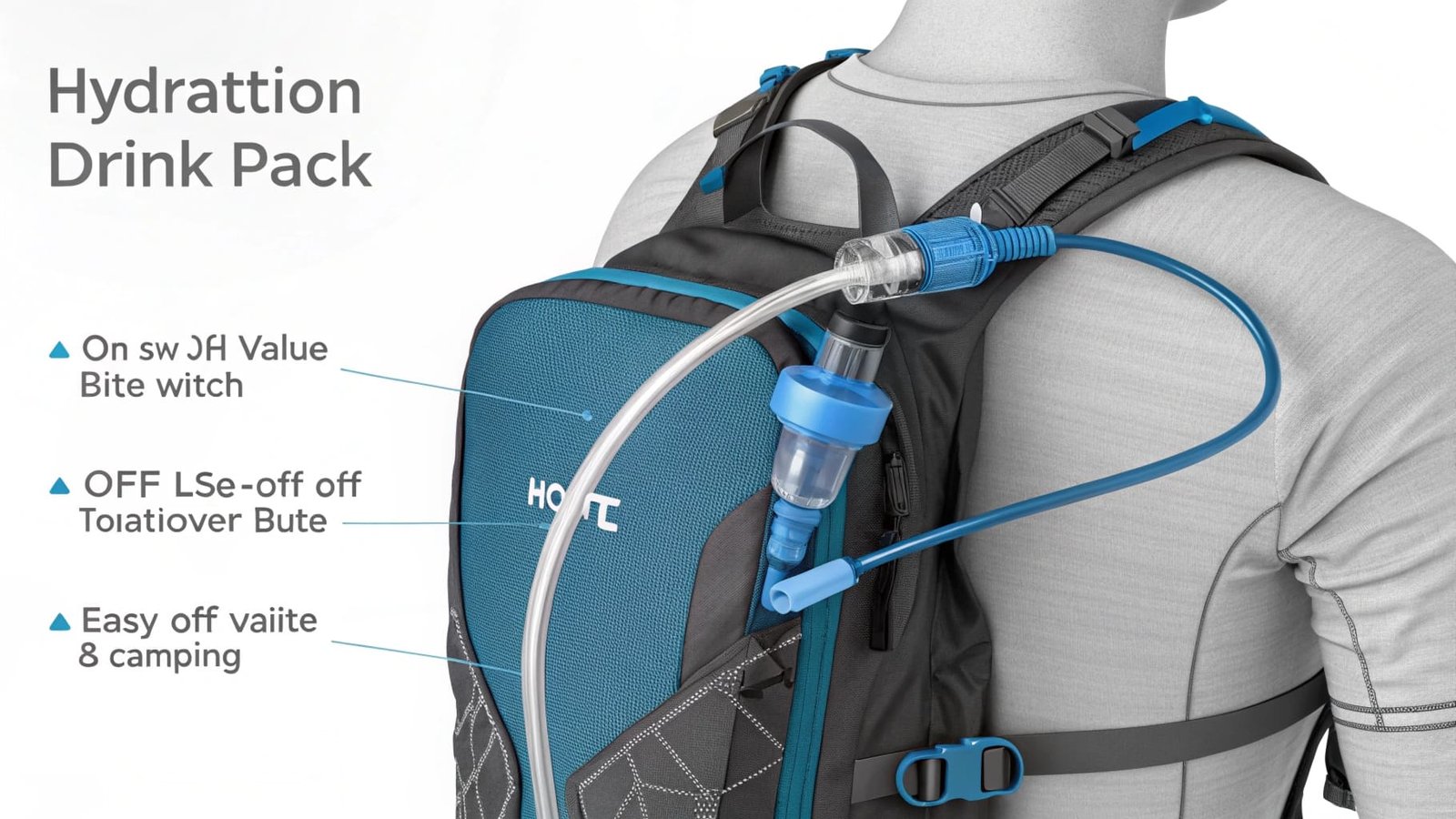
Clean hydration bladder tubes weekly with warm soapy water and a specialized cleaning brush. Flush thoroughly, then soak in a mild bleach solution (1:20 ratio) for 30 minutes. Rinse completely and air dry with both ends elevated to prevent moisture buildup.
Why Regular Cleaning Matters for Tube Longevity
I test every material before production. Medical-grade silicone resists bacterial growth better than TPU alternatives. But even premium materials need proper care.
The interior surface of tubes collects biofilm over time. This happens faster in warm climates. I add antimicrobial additives to my silicone tubes. This helps but does not replace cleaning.
Here is what I tell my clients about cleaning frequency:
| Usage Pattern | Cleaning Schedule | Special Considerations |
|---|---|---|
| Daily use | After each use | Use cleaning brush kit |
| Weekly use | Once per week | Dry completely between uses |
| Storage | Before and after | Check for mold growth |
| Military/Tactical | After each mission | Sterilization required |
I learned from a Canadian distributor that temperature affects cleaning needs. Hot weather accelerates bacteria growth. Cold weather slows it but does not stop it. Users need to adjust their cleaning schedule based on their environment.
The smooth interior surface I build into my tubes prevents biofilm formation. But users still need to scrub the tube interior. I recommend a long flexible brush. Push it through from both ends. Rinse until water runs clear.
Some clients ask about dishwashers. I say no. High heat can damage the silicone over time. Hand washing gives better control and extends tube life.
What Does "Hydration Bladder Compatible" Mean?
This phrase keeps me up at night. I receive calls from frustrated buyers. Their "compatible" tubes do not fit. Connections leak. Customers complain.
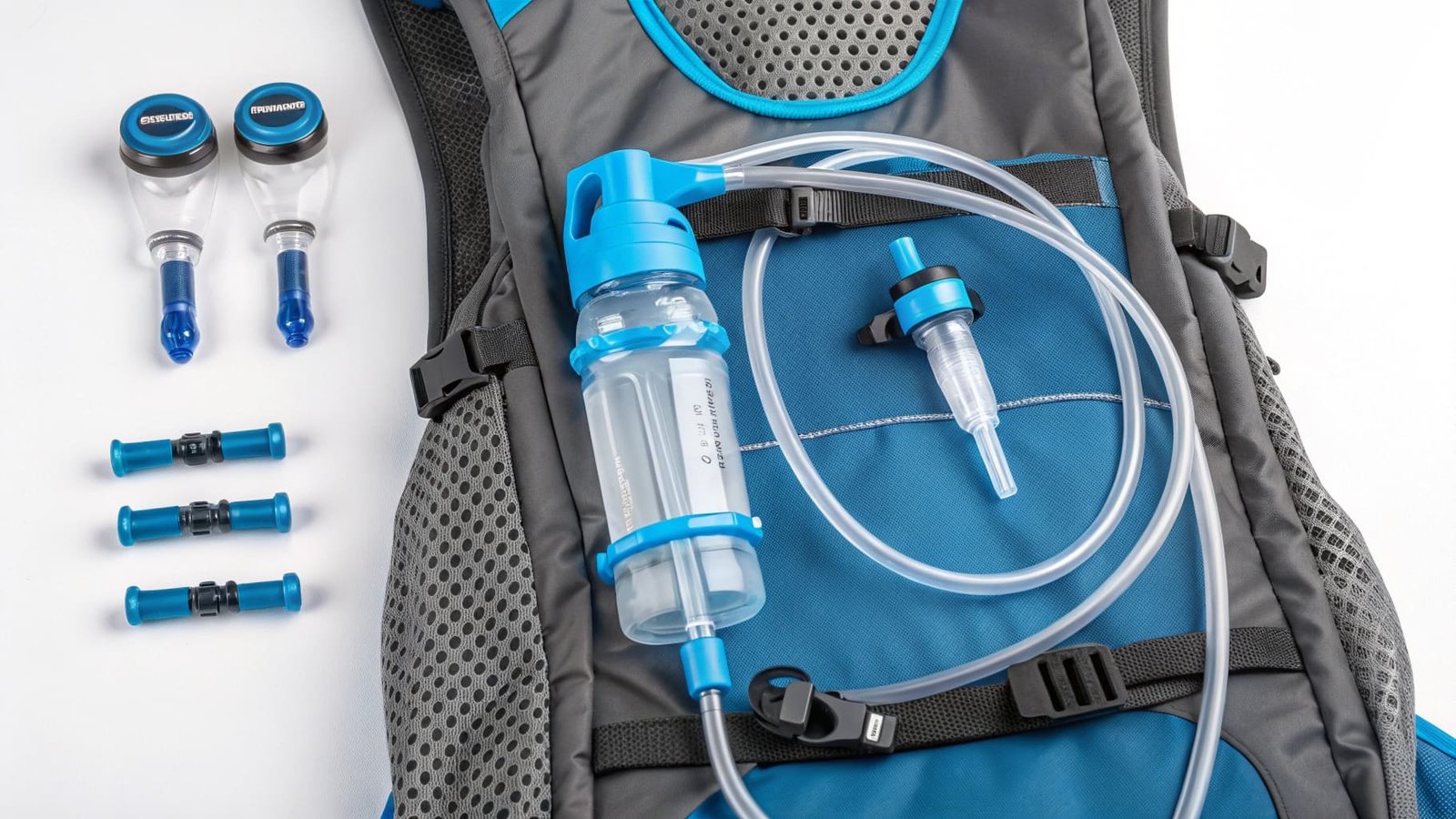
"Hydration bladder compatible" means the replacement tube fits standard bite valve connections and bladder outlets. This includes matching internal diameter (6-8mm), proper threading, and secure leak-proof seals2. True compatibility requires dimensional tolerances under 0.2mm for reliable performance across multiple brands.
The Hidden Challenge of Universal Compatibility
The hydration bladder industry lacks universal standards. CamelBak uses one connection system. Platypus uses another. Source uses a third. I deal with this problem every day.
I measure everything twice. Internal diameter variations seem small. But 0.5mm difference causes leaks. Wall thickness matters too. I maintain 0.2mm consistency across production.
My factory produces tubes for five different connection types:
| Brand System | Internal Diameter | Connection Type | Wall Thickness |
|---|---|---|---|
| Type A | 6mm | Threaded | 1.5mm |
| Type B | 7mm | Push-fit | 1.8mm |
| Type C | 8mm | Quick-release | 2.0mm |
| Type D | 6.5mm | Screw-on | 1.5mm |
| Type E | 7.5mm | Snap-lock | 1.8mm |
Bite valve mechanisms add another layer of complexity. Some use ball valves. Others use slit valves. The tube must deliver proper flow rate for each type. Too narrow and users struggle to drink. Too wide and the system leaks.
I test compatibility by cycling connections 500 times. Good tubes maintain seal integrity. Poor tubes develop leaks after 100 cycles. This difference separates military-grade products from consumer-grade ones.
Thread pitch causes problems too. Metric and imperial measurements do not match. I stock both types. Buyers need to know which system their bladders use before ordering replacements.
What Is the Best Hydration Bladder?
I hear this question at every trade show. Buyers want simple answers. But "best" depends on specific needs. Military users need different features than weekend hikers.
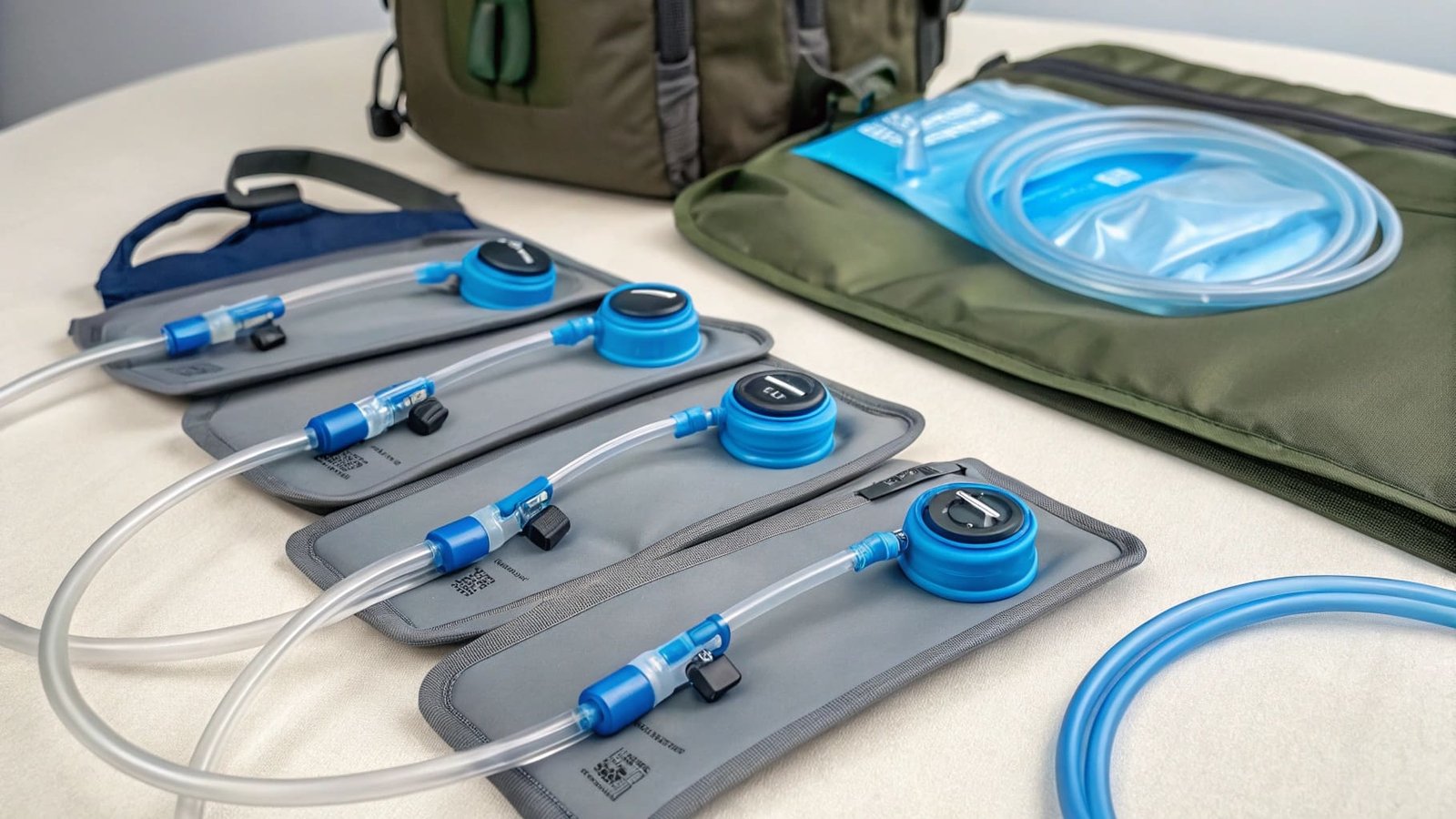
The best hydration bladder combines durable materials, reliable tube connections, and proper capacity for intended use. Military and tactical applications require NSF-42 certified systems with antimicrobial tubes, while recreational users prioritize lightweight BPA-free materials3 and easy cleaning access.
Key Features That Define Quality Hydration Systems
I built my business understanding what makes bladders fail. Cheap seams split under pressure. Poor materials develop taste. Bad tubes crack in cold weather.
Material selection drives everything. I use medical-grade silicone for tubes. The bladder itself needs food-grade TPU or silicone. Both materials affect taste, durability, and safety.
Temperature range matters more than buyers realize. Desert operations see 120°F heat. Mountain missions face sub-zero cold. My tubes perform across this entire range.
Here is my quality assessment framework:
| Feature Category | Consumer Grade | Professional Grade | Military Specification |
|---|---|---|---|
| Material certification | BPA-free | FDA food-grade | NSF-42 certified |
| Temperature range | 32°F to 140°F | 0°F to 200°F | -40°F to 250°F |
| Tube durability | 100 cycles | 300 cycles | 500+ cycles |
| Antimicrobial treatment | None | Optional | Standard |
| Seal integrity | Basic | Enhanced | Triple-tested |
The tube component determines overall system reputation. I learned this from a failed shipment. The bladders were perfect. But tubes developed micro-cracks. My client lost trust. I lost that account.
Bite valve quality separates good systems from great ones. Cheap valves leak or clog. Quality valves use precision-molded silicone. They open smoothly and close completely.
I added antimicrobial additives to my tubes after consulting with military procurement officers. They explained sterilization requirements between users. Standard tubes could not handle repeated sterilization cycles. My enhanced formula solved that problem.
Capacity choices matter for different users. I produce tubes for 1.5L, 2L, and 3L bladders. Each size needs specific tube length and diameter to maintain proper flow rate.
Conclusion
Military-grade hydration bladder tube replacements meet strict specifications through certified materials, precise manufacturing tolerances, and rigorous testing. Quality tubes ensure reliable performance when failure is not an option.
-
Explore the advantages of FDA food-grade silicone for hydration tubes, ensuring safety and durability in extreme conditions. ↩
-
Learn about the technology behind leak-proof seals to ensure reliability in hydration systems, especially for military applications. ↩
-
Understanding BPA-free materials is essential for ensuring safety and health in hydration products. ↩