Do Hydration System Accessories Require Special Certifications for European Trade?
I remember my first major shipment to Germany got stuck at customs for three weeks. The buyer was frustrated. I was panicking. The problem was simple but costly: missing certification documents for our silicone bite valves.
Yes, hydration system accessories need specific certifications for European trade. You must comply with EU Regulation 1935/2004 and EU 10/2011 for food contact materials. You also need REACH compliance, Declaration of Compliance documents, and migration test reports1 for silicone components.
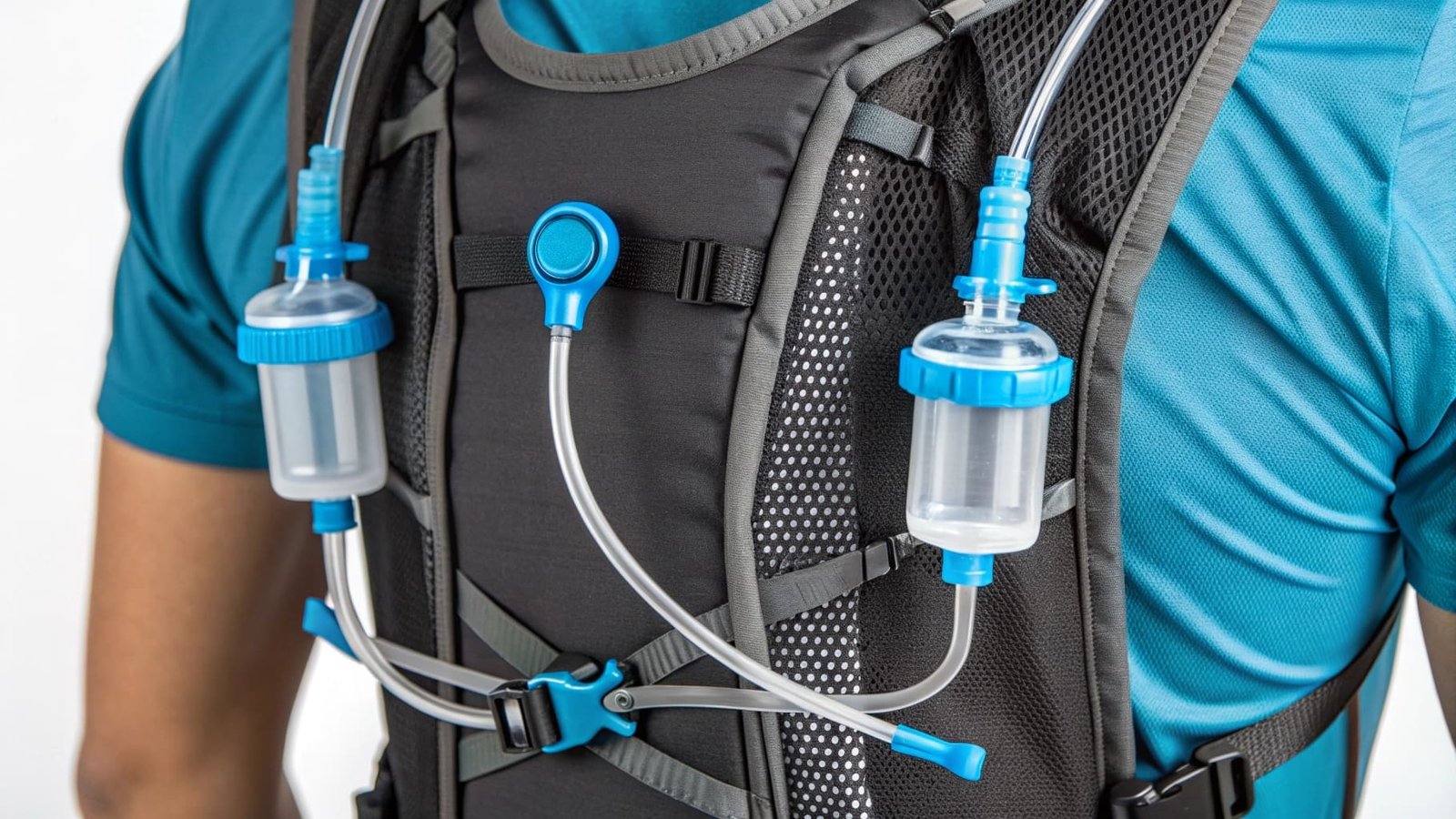
That experience taught me something valuable. European buyers are not just cautious, they are legally required to verify every component that touches food or beverages. Let me walk you through what I learned the hard way so you can avoid the same mistakes.
What is the Best Hydration Pack on the Market?
Everyone asks me which hydration pack is the best. I used to think there was one clear answer. Three years of working with different European buyers changed my mind completely.
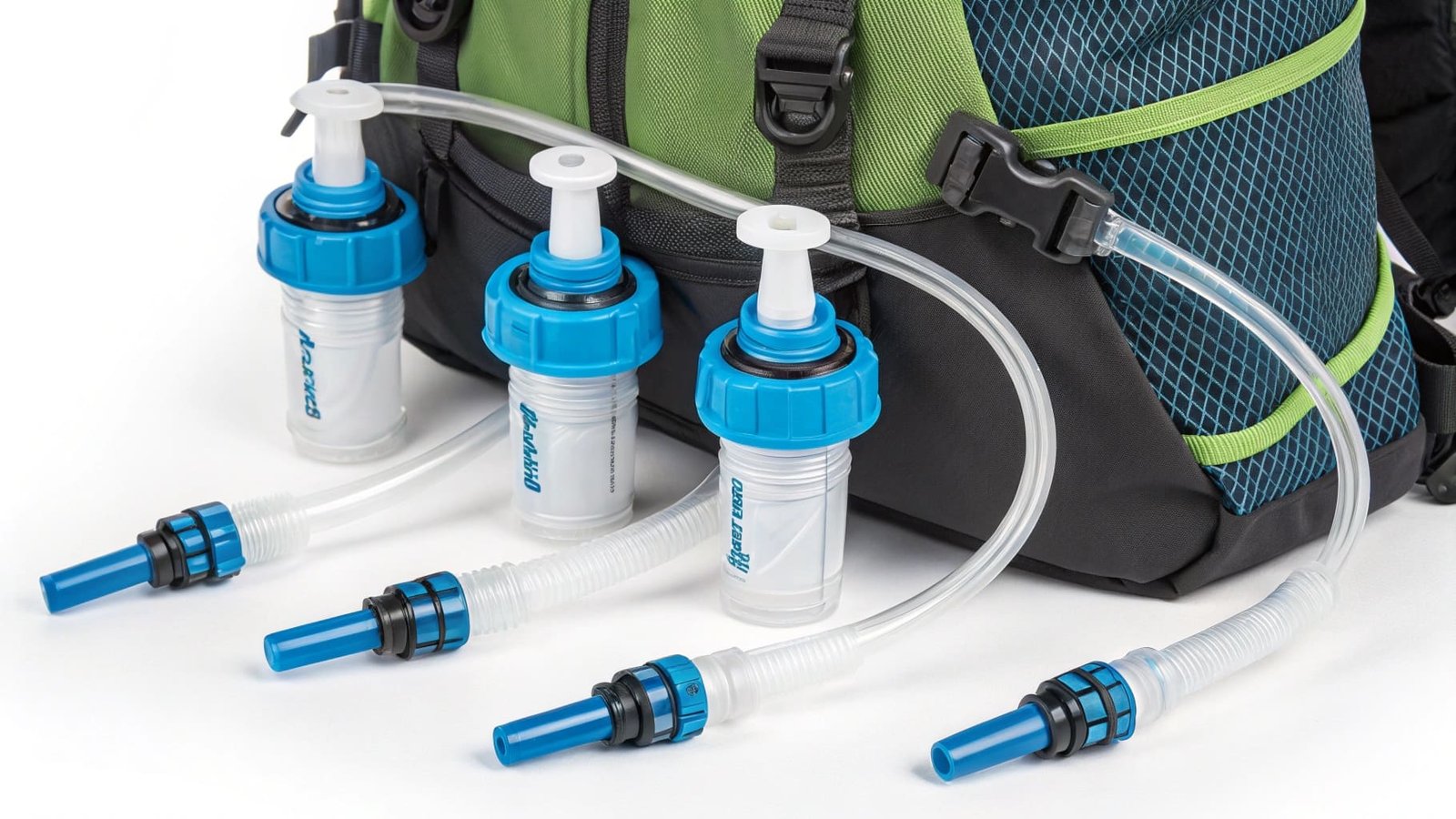
The best hydration pack depends entirely on your target buyer segment. Premium outdoor brands want advanced features like antimicrobial reservoirs and magnetic clips. Mid-tier buyers focus on reliable 2-3 liter systems with competitive pricing. Military buyers need MOLLE compatibility and specific load standards.
Understanding Different Market Segments
I work with three main types of buyers in Europe. Each one defines "best" differently.
Premium outdoor retailers want brand recognition first. They stock CamelBak and Osprey because customers ask for those names. But they also seek private label options with comparable quality at better margins. These buyers pay attention to small details. They care about breathable back panels. They want antimicrobial silicone that actually works. They check if the magnetic tube clips hold up after 100 uses.
Mid-tier distributors operate on volume. I have one client in Netherlands who orders 5000 units quarterly. He does not care about fancy features. He wants a solid 2-liter reservoir that does not leak. He needs bite valves that last at least two seasons. His price ceiling is firm. His quality floor is equally firm.
Military and tactical buyers are different again. I worked with a procurement officer from a Belgian security company last year. He brought a 40-page specification document to our first meeting. Every component had to meet specific standards. The pack needed to integrate with existing gear systems. The silicone had to perform in temperatures from minus 20 to plus 50 degrees Celsius.
The Emerging Opportunity in Sustainable Design
Here is what I see changing in the European market. Buyers increasingly ask about recycled materials. They want modular designs where users can replace individual components. I started offering silicone reservoirs that work with multiple pack designs. This approach supports circular economy principles2 that European regulations are pushing.
One German buyer told me something interesting last month. He said his customers keep the pack body for years but replace reservoirs annually due to wear. We designed a system where the reservoir, tubes, and bite valve are separate purchasable units. His return customer rate jumped 40 percent.
What are the Disadvantages of Using a Hydropack?
My product return rate used to be 8 percent. Most returns came from the same complaints. Understanding these disadvantages helped me improve our silicone components and reduce returns to under 2 percent.
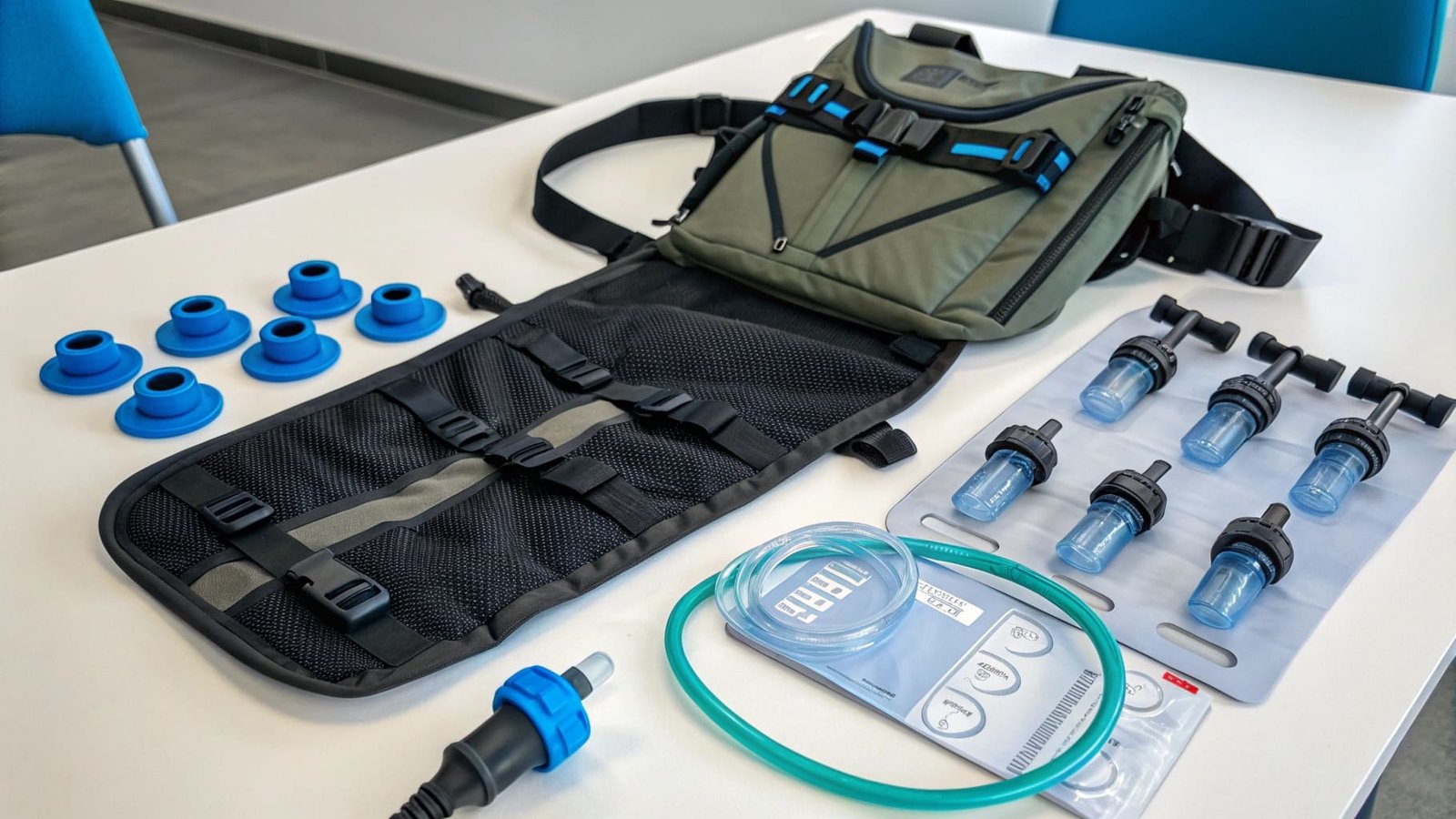
Hydropacks face several recurring problems. Mold growth inside reservoirs and tubes happens when users do not clean and dry properly. Taste transfer occurs when silicone retains flavors from sports drinks. Weight concerns exist for ultralight users. Leakage at connection points damages trust and creates warranty costs.
Breaking Down Each Disadvantage and Solutions
Mold and Bacterial Growth
This is the number one complaint I hear from end users. Water sits in the tube between uses. The reservoir does not dry completely. Within a few weeks, black spots appear inside the silicone.
I tested different solutions with our factory. We tried antimicrobial additives in the silicone compound. Results were mixed. The additives increased cost by 15 percent but only reduced mold growth by about 30 percent. The real breakthrough came from design changes.
We widened the reservoir opening from 8 cm to 12 cm. Users can now fit their entire hand inside for scrubbing. We also changed the tube diameter from 6mm to 8mm internal diameter. This allows brush cleaning and faster drying. These design modifications cost almost nothing in production but cut mold complaints by 60 percent.
Taste Transfer Issues
Silicone has tiny pores that trap flavor molecules. A customer in France complained that his water tasted like yesterday's energy drink. This problem frustrates users who alternate between plain water and flavored beverages.
Higher grade silicone reduces porosity. Medical-grade silicone has much tighter molecular structure. But it costs 40 percent more than food-grade silicone. I found a middle path. We use premium food-grade silicone3 with Shore A hardness of 50 instead of 40. The firmer material has less porosity but costs only 12 percent more. Customer complaints about taste dropped significantly.
Weight Considerations
Ultralight backpackers count every gram. A complete hydration system adds 150 to 250 grams compared to a simple plastic bottle. For multi-day treks, this weight matters.
We cannot eliminate weight entirely. But we optimized our design. We reduced silicone wall thickness from 1.2mm to 0.9mm in the reservoir body. We kept 1.2mm thickness only at stress points like the hanging loop and tube connection port. This saved 35 grams per unit without compromising durability.
Leakage Problems
This disadvantage creates the most warranty claims. A leak ruins electronic devices in the backpack. It destroys trust in the brand. Most leaks happen at three points: tube to reservoir connection, bite valve seal, and reservoir seam.
I visited five factories before finding one that understands silicone molding precision. The tube connector needs exact tolerances. If the barbed fitting is 0.2mm too small, it leaks under pressure. If it is 0.2mm too large, the tube does not seat properly. We now use digital calipers to check every batch. Our leak rate dropped from 3 percent to 0.3 percent.
How to Choose the Right Hydration Pack?
I made costly mistakes when I started helping buyers select hydration packs. I focused on features that looked good in photos. I learned that B2B selection criteria go much deeper than end-user preferences.
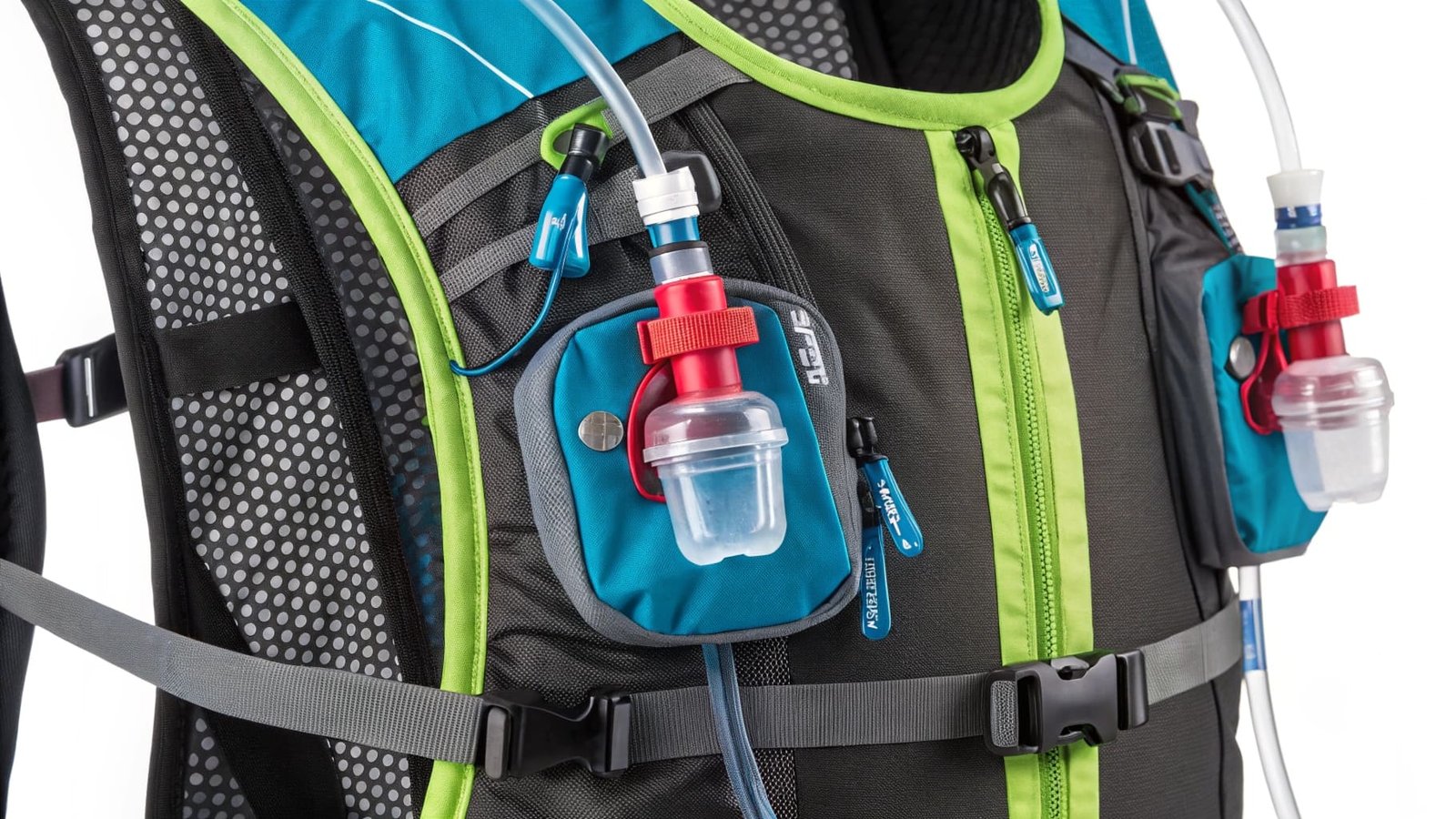
Choose based on capacity needs, silicone quality certifications, bite valve design, and modular replaceability. Verify your supplier's production capacity for consistent quality. Request pressure-tested samples and confirm they can provide region-specific certifications like LFGB or DGCCRF documentation.
Capacity Requirements by Use Case
I keep a simple reference table for buyers who are unsure about capacity:
| Use Case | Recommended Capacity | Typical User Duration |
|---|---|---|
| Day hiking | 1.5 - 2.0 liters | 4-6 hours |
| Cycling | 2.0 - 2.5 liters | 2-4 hours |
| Running | 1.5 liters | 1-2 hours |
| Endurance sports | 2.5 - 3.0 liters | 6-8 hours |
| Military operations | 3.0 liters | 8-12 hours |
One mistake I see often is buyers ordering 3-liter systems for casual day hikers. The reservoir feels too bulky when half-empty. Users complain about sloshing water. The pack does not sit properly on their back. Match capacity to actual use duration, not maximum possible need.
Critical Silicone Quality Factors
Temperature resistance matters more than most buyers realize. I had a batch fail in Scandinavia because the silicone became too stiff at minus 15 degrees Celsius. Users could not squeeze the bite valve. The silicone we use now maintains flexibility from minus 20 to plus 60 degrees.
Taste neutrality testing is essential. Ask your supplier for sensory evaluation reports. Good silicone should not impart any taste to water after the initial rinse. If water tastes rubbery after 24 hours, the silicone quality is insufficient.
Shore A hardness needs to match the component function. Reservoirs work best at 40-50 Shore A for flexibility and durability. Bite valves need 50-60 Shore A for proper valve function. Sealing rings require 60-70 Shore A for compression resistance. A supplier who uses the same hardness for all components does not understand silicone engineering.
Modular Design and Repair Support
European buyers increasingly reject products they cannot repair. I designed our hydration system with five separate components: reservoir body, cap assembly, tube, bite valve, and tube connector. Each part has a product code and can be ordered individually.
This approach increased my initial development cost by 20 percent. But it created a recurring revenue stream from replacement parts. More importantly, it aligned with European Extended Producer Responsibility regulations coming into effect. Buyers appreciate suppliers who think ahead about regulatory compliance.
Supplier Verification Beyond Catalogs
I learned this lesson after a failed partnership. A factory showed me beautiful catalog photos. Their sample quality was excellent. But when I ordered 1000 units, quality dropped noticeably. The bite valves had flash marks from poor mold maintenance. The tube connectors had inconsistent barb height.
Now I always request production samples, not just sales samples. I ask to see their quality control process4. I check if they have dedicated silicone molding machines or if they share equipment with other products. Cross-contamination from non-food-grade production runs is a real risk.
I also request samples filled with water and pressurized to 0.5 bar for 24 hours. This simple test reveals leaks that appear under real use conditions but not in empty samples. The extra week of testing saves months of customer complaints later.
Region-Specific Certification Requirements
Germany requires LFGB certification for food contact materials. France needs DGCCRF approval. These are not just nice-to-have documents. Without them, your buyer cannot legally sell in those markets.
I maintain a certification matrix showing which documents apply to which European countries. When a buyer contacts me from Spain, I immediately know they need EU 10/2011 compliance plus Spanish market-specific labeling requirements. This preparedness shortens sales cycles significantly.
Some buyers also request ISO 9001 certification from the factory. This quality management standard does not specifically relate to hydration packs. But it signals consistent production processes. I noticed that buyers who ask for ISO 9001 also tend to place larger, more regular orders. They are building long-term supply relationships, not just testing the market.
Conclusion
European certification requirements protect both buyers and end users. Understanding these standards before you export saves time and builds trust with serious buyers who value regulatory compliance.
-
These reports ensure that materials do not release harmful substances, protecting consumer health and meeting regulations. ↩
-
Learning about these principles can help you innovate sustainably and meet growing consumer demand for eco-friendly products. ↩
-
Understanding the benefits of food-grade silicone can help you choose materials that ensure safety and quality. ↩
-
A robust quality control process ensures consistent product quality, which is vital for maintaining customer trust. ↩