Do Pink Silicone Zipper Pull Tabs Comply with EU REACH Regulations for B2B?
I get this question from European buyers almost every week. They worry about regulations, fines, and product recalls. The stress keeps them up at night.
Pink silicone zipper pull tabs made with medical-grade or food-grade silicone1 fully comply with EU REACH regulations. You need REACH test reports confirming no Substances of Very High Concern above threshold limits. I help B2B buyers verify this compliance through proper documentation from accredited labs.
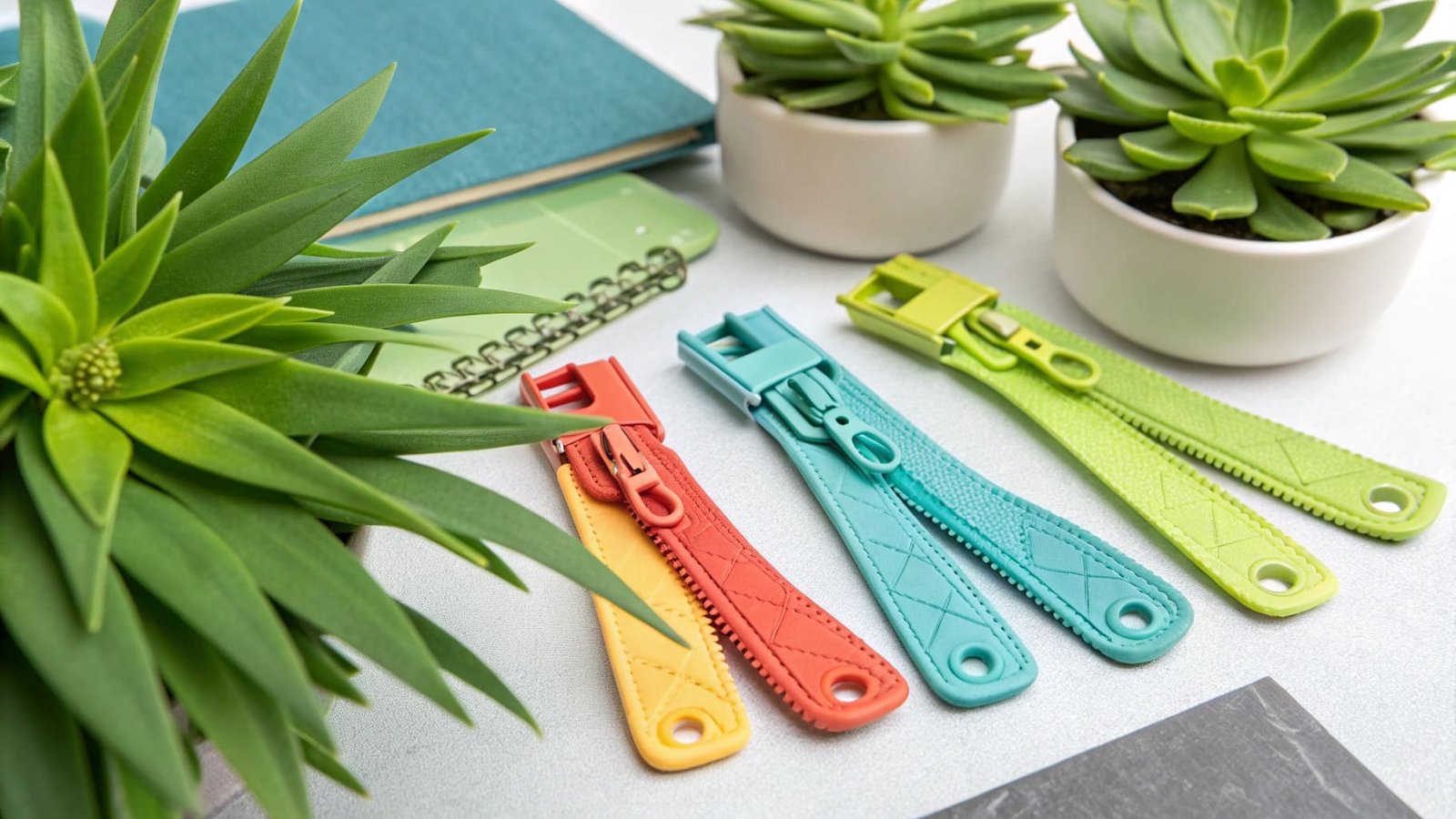
I started manufacturing silicone accessories in 2015. My first major European order taught me everything about REACH compliance the hard way. The buyer rejected my entire shipment because I could not provide proper test reports. I lost money and credibility. Now I make sure every pink zipper pull tab leaving my factory has complete documentation. Let me share what I learned so you avoid my mistakes.
Is silicone banned in the EU?
Many buyers ask me this when they first contact our factory. They hear scary stories about banned materials and cancelled orders. Fear stops them from moving forward.
Silicone is not banned in the EU. REACH regulations control hazardous substances in silicone products, not silicone itself. The EU restricts specific additives like certain phthalates, lead, and volatile organic compounds that sometimes contaminate low-quality silicone.
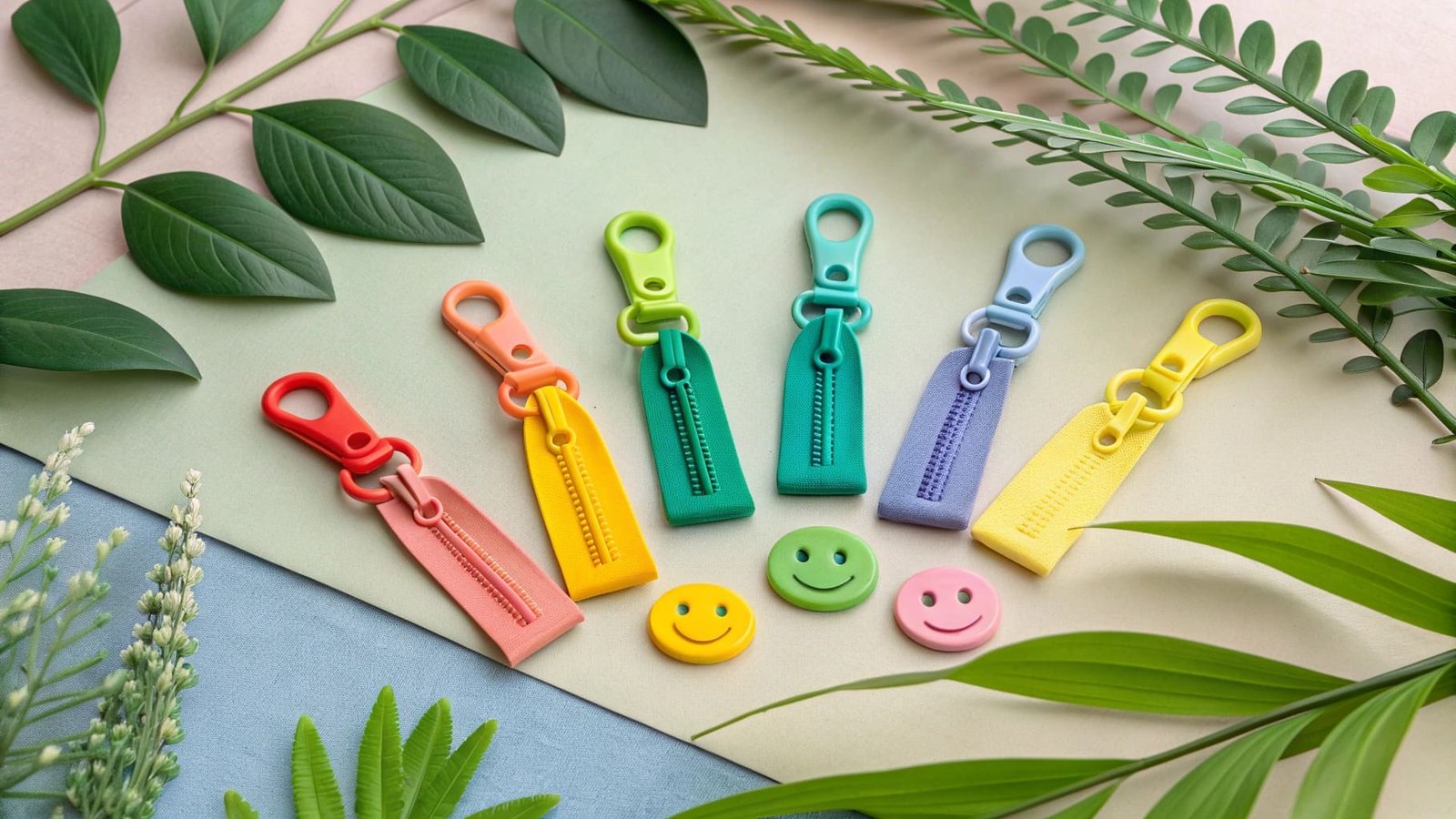
REACH stands for Registration, Evaluation, Authorization, and Restriction of Chemicals. This regulation applies to all products sold in European markets. I work with testing labs that understand these requirements. The law targets Substances of Very High Concern2. These SVHCs include carcinogens, mutagens, and reproductive toxins. Pure silicone does not contain these dangerous substances. Problems arise when manufacturers use cheap pigments or processing aids.
Pink colorant causes the most compliance issues with zipper pull tabs. Some factories use pigments containing heavy metals or banned organic compounds. I source our pink pigments from certified suppliers in Germany and Japan. They cost more but guarantee REACH compliance. You need test reports that specifically check for SVHCs on the candidate list. This list updates twice yearly. I subscribe to alerts so our products stay compliant.
| Compliance Aspect | Requirement | Verification Method |
|---|---|---|
| SVHC Threshold | Below 0.1% weight per article | REACH test report |
| Heavy Metals | Lead, cadmium, mercury limits | ICP-MS analysis |
| Phthalates | Restricted types banned | Gas chromatography test |
| Documentation | Full material disclosure | Supply chain traceability |
How to tell if silicone is safe?
Buyers tell me they cannot distinguish good silicone from bad silicone just by looking. They order samples from multiple suppliers and everything looks similar. This confusion creates risk.
Safe silicone has neutral odor, withstands extreme temperatures without degrading, and comes with certifications like FDA or LFGB for food contact. I test our pink zipper pull tabs at minus 40 degrees and plus 230 degrees Celsius to verify stability.
The smell test works for basic screening. High-quality silicone has no smell or a very faint neutral odor. Toxic silicone smells like chemicals or gives you a headache. I once visited a competitor's factory and the smell hit me at the entrance. That factory used recycled silicone mixed with plasticizers. Their products failed every certification test.
Physical properties reveal silicone quality. Safe silicone springs back immediately when you stretch it. Poor silicone stays deformed or tears easily. I pull our zipper pull tabs to double their length repeatedly. They return to original shape without white stress marks. White marks indicate filler materials or degraded silicone.
Temperature resistance separates premium silicone from cheap alternatives. Real silicone handles boiling water and freezing cold without changes. I boil our pink zipper pull tabs for 30 minutes as a standard test. They emerge unchanged in color, flexibility, and strength. Fake silicone releases oil, becomes sticky, or loses color.
Certifications provide documented proof of safety. FDA certification means the silicone meets food contact standards in the United States. LFGB certification is the German standard for food safety. Both require extensive testing for migration of substances. When I show these certificates to European buyers, they understand our commitment to quality. The testing costs thousands of dollars per product line but prevents million-dollar liability issues later.
Is silicone NSF approved?
Buyers from North America ask about NSF approval more often than European buyers. They want products that meet multiple regional standards. Smart buyers look for comprehensive certification.
NSF approval is primarily a North American standard for food equipment and water treatment products, but it signals rigorous safety testing that reassures B2B buyers across all markets. Silicone products can obtain NSF certification by meeting specific testing protocols for material safety and performance.
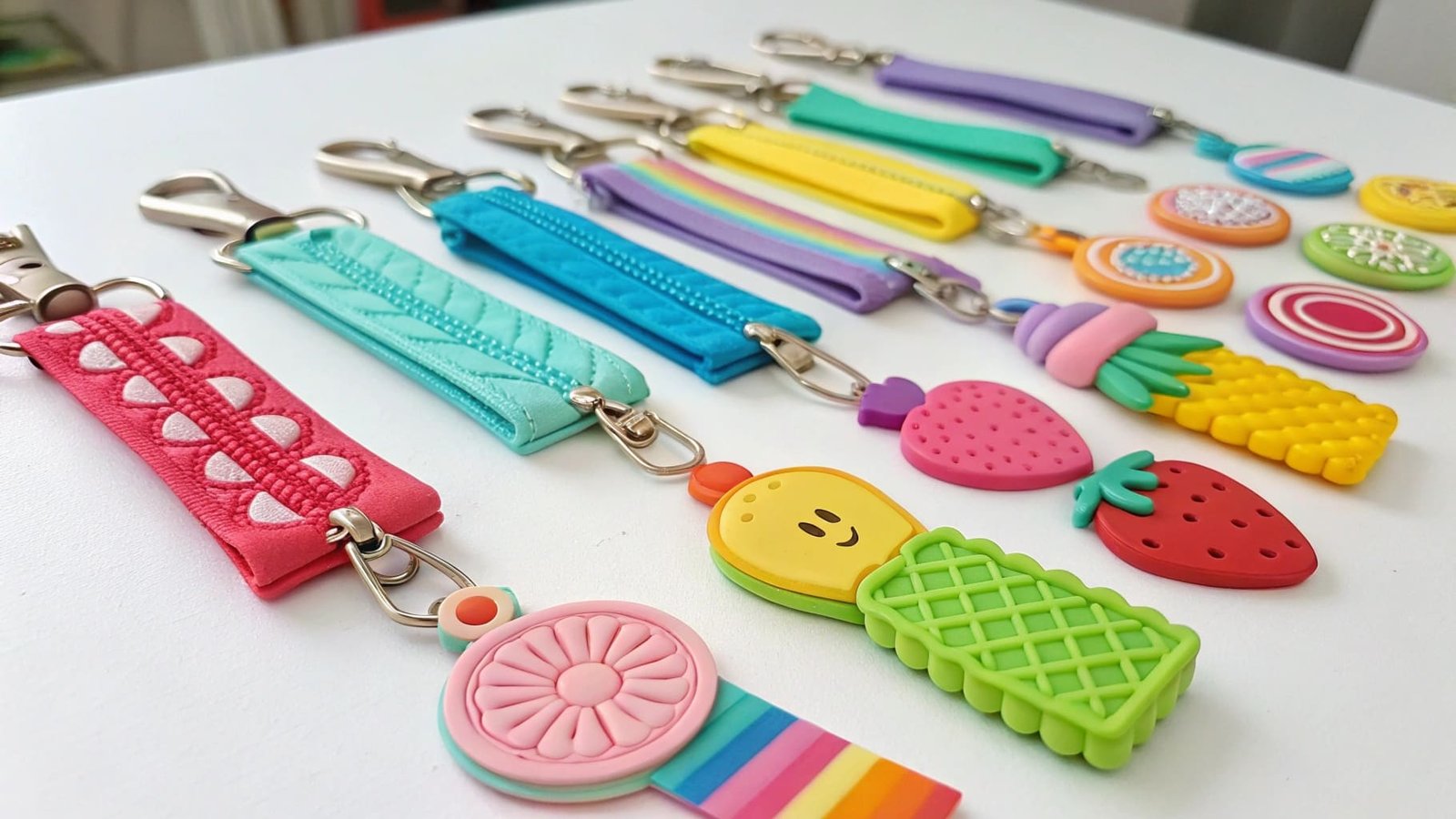
NSF International operates as an independent testing organization. They developed standards for products that contact food, water, and consumer goods. NSF certification requires testing for chemical extraction, physical properties, and long-term stability. The process takes months and costs significant money. Not all silicone products need NSF approval. Zipper pull tabs typically do not require NSF certification unless they directly contact food or water.
I explain to buyers that NSF approval makes sense for certain product categories. Water bottle accessories, food storage lids, and kitchen utensils benefit from NSF certification. Zipper pull tabs for bags and clothing fall outside NSF scope. European buyers care more about REACH compliance and phthalate-free certification. North American buyers prioritize FDA and NSF standards.
The value of NSF approval extends beyond regulatory compliance. It demonstrates manufacturer commitment to third-party verification. When I pursued NSF certification for our silicone cup lids, the testing revealed weaknesses in our quality control process3. We improved temperature monitoring during production. The certification made our entire product line better.
Here is what different certifications mean for pink silicone zipper pull tabs:
| Certification | Geographic Focus | Testing Scope | Relevance for Zipper Pulls |
|---|---|---|---|
| REACH | European Union | Chemical safety, SVHCs | Essential for EU sales |
| FDA | United States | Food contact safety | Useful for credibility |
| LFGB | Germany/EU | Food contact migration | Shows premium quality |
| NSF | North America | Food equipment safety | Not typically required |
I recommend B2B buyers focus on certifications that match their target markets. A Canadian distributor selling to the US and Europe needs REACH and FDA documentation. An Australian buyer selling domestically may only need local standards. I maintain multiple certifications so buyers can choose what they need. This flexibility speeds up the approval process with your customers.
The certification landscape keeps changing. I attend trade shows twice yearly to learn about new requirements. Last year, California added Proposition 65 requirements for silicone products. This year, the UK developed post-Brexit chemical regulations that differ slightly from REACH. Staying current protects your business from compliance surprises.
Conclusion
Pink silicone zipper pull tabs comply with EU REACH when manufactured properly and verified through accredited testing. I provide complete documentation, source quality materials, and maintain current certifications to protect your B2B purchasing decisions.