Do Reusable Silicone Stretch Lids Work for Commercial Food Service Bulk Orders?
I get calls from restaurant owners worried about their rising supply costs. They spend thousands on plastic wrap each year. They wonder if there is a better way.
Yes, reusable silicone stretch lids work well for commercial bulk orders. They last 3-5 years, fit multiple container sizes, and save money compared to disposable options. Quality matters though—only FDA-approved food-grade silicone1 delivers consistent performance in high-volume kitchens.
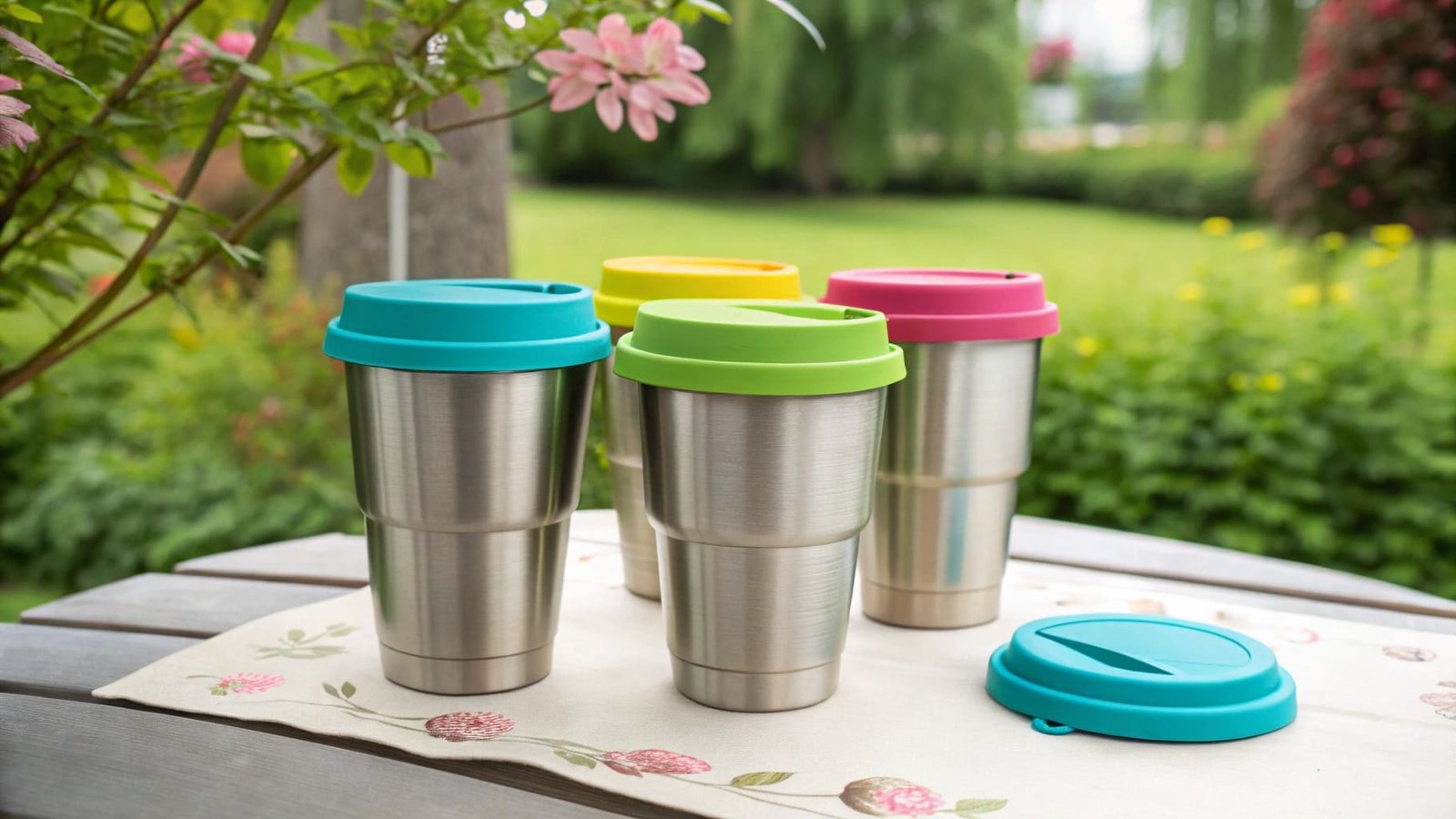
I started supplying silicone products to food service businesses five years ago. Many buyers told me the same story. They wanted to cut costs and reduce waste, but they worried about product quality. I learned that the right silicone lids can transform kitchen operations, but only if you know what to look for.
Are silicone lids safe for food storage?
Food safety keeps commercial kitchen managers up at night. One contamination incident can destroy a business. Many still use plastic wrap without knowing the risks.
Food-grade silicone stretch lids are FDA-approved and contain no BPA or phthalates. They remain stable from -40°F to 450°F without leaching chemicals. Proper certification from suppliers ensures safety compliance for commercial use.
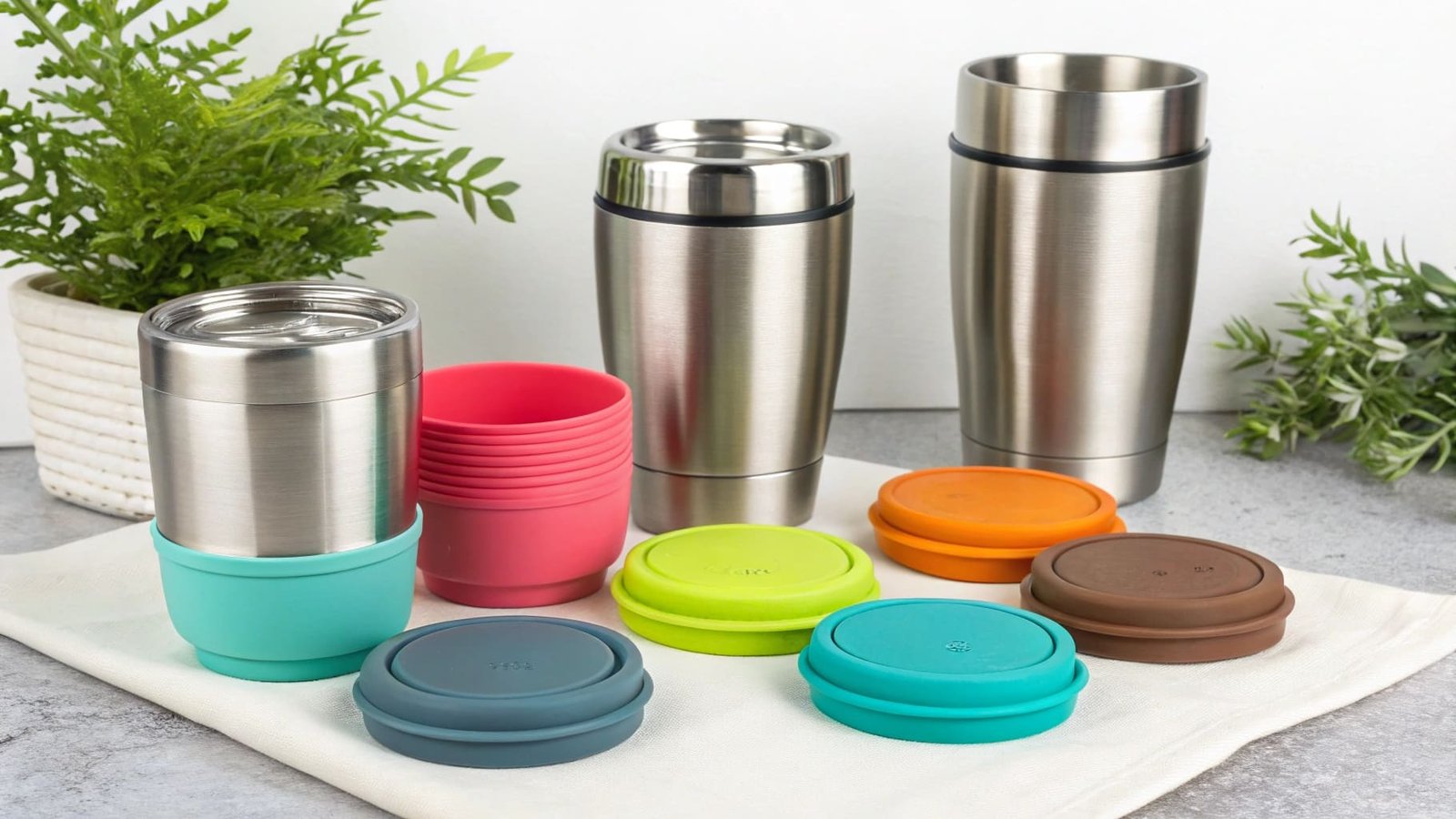
What makes silicone safe for commercial kitchens?
I work with restaurants that serve thousands of meals daily. They cannot afford safety compromises. The silicone I supply uses platinum-curing processes, not peroxide-curing. This difference matters more than most buyers realize.
Platinum-cured silicone creates a completely inert material. It does not break down under heat or cold. It does not release particles into food. I have seen test reports from independent labs. The results show zero chemical migration even after 500 wash cycles.
Traditional plastic wraps contain plasticizers. These chemicals make plastic flexible, but they can leach into food. This happens especially with hot or fatty foods. I once visited a catering company that stored hot soup with plastic wrap. The plastic softened and partially dissolved. That cannot happen with proper silicone.
Commercial buyers need to verify certifications. I always provide FDA documentation with bulk orders. Some suppliers skip this step. They sell industrial-grade silicone as food-grade. The price might look better, but the risk is not worth it. LFGB certification2 from Europe provides another safety benchmark. I recommend checking both standards.
The real advantage shows up in industrial dishwashers. These machines run hotter than home units. Low-quality materials degrade quickly. My silicone lids maintain their shape and sealing properties. One hotel kitchen told me their lids worked perfectly after two years of daily washing. That kind of durability protects your investment and keeps food safe.
| Safety Factor | Silicone | Plastic Wrap |
|---|---|---|
| Temperature Range | -40°F to 450°F | 32°F to 212°F |
| Chemical Leaching | None | Possible with heat |
| Dishwasher Safe | Yes, unlimited cycles | No |
| FDA Certification | Required and verifiable | Often not certified |
How long do silicone lids last?
Replacement costs eat into restaurant profits. I hear this complaint constantly. Managers order supplies every month and watch their budgets shrink.
High-quality silicone stretch lids last 3-5 years in commercial settings with proper care. This longevity reduces replacement frequency and lowers total ownership costs. Initial investment pays back within the first year compared to disposable alternatives.
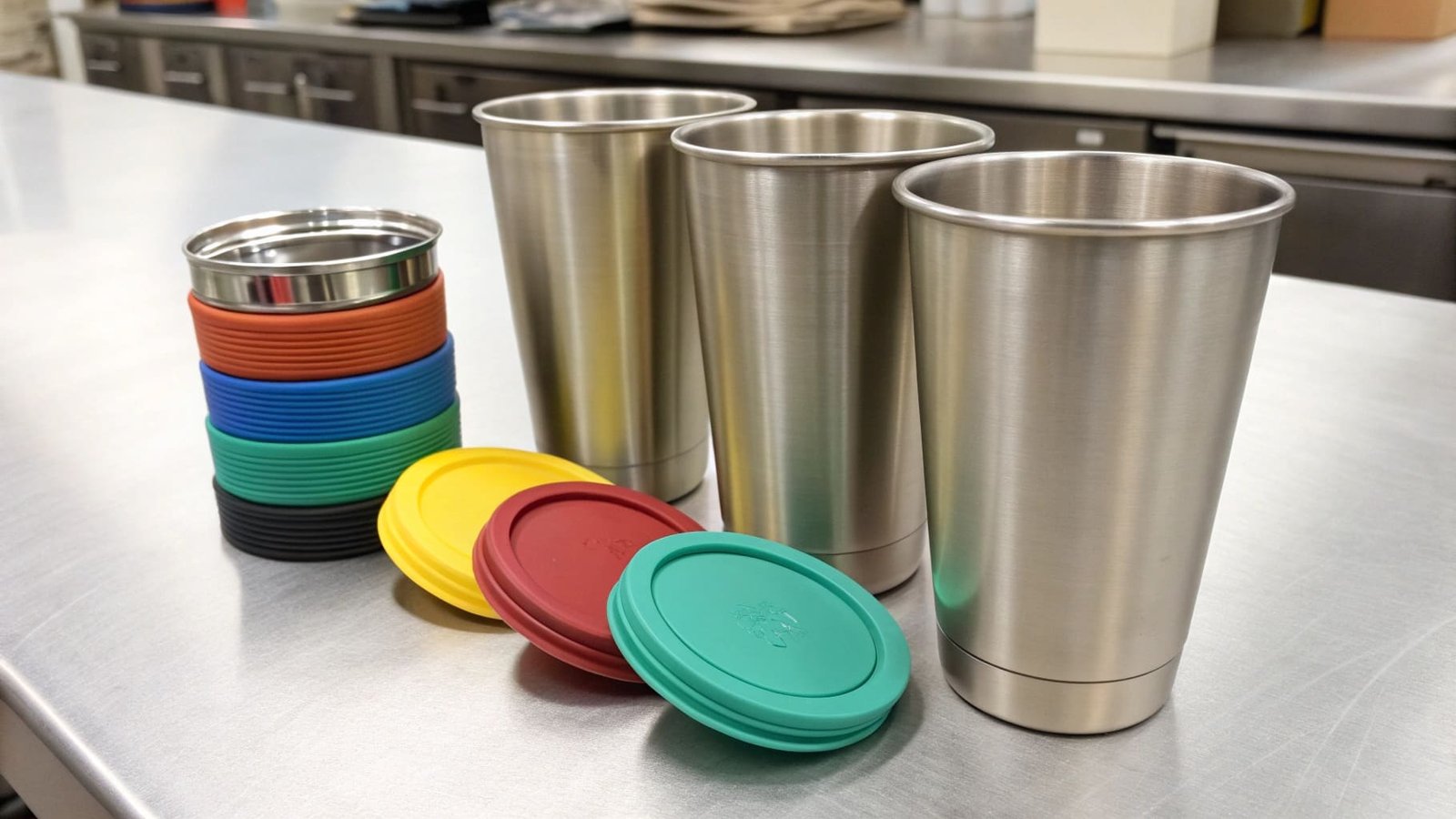
What affects silicone lid lifespan in commercial use?
I tracked usage data from several large clients. A busy restaurant uses about 50 containers daily. With disposable covers, they ordered new supplies every two weeks. With silicone lids, they have not ordered replacements in three years.
Three factors determine how long lids last. First is material grade. Platinum-cured silicone outlasts peroxide-cured versions by years. I only supply platinum-cured products because I saw too many complaints about cheaper alternatives. The molecular structure simply holds up better under stress.
Second is usage intensity. A hotel banquet hall stretches lids over large containers multiple times daily. A small café might use the same lids less frequently. Both scenarios work fine, but the replacement timeline shifts. Heavy users might see 3 years of life, while lighter users easily reach 5 years or more.
Third is maintenance. Silicone tolerates high heat, but extreme physical stress can tear it. I advise clients to train staff properly. Do not pull lids beyond their stretch limit. Do not use sharp objects near them. Simple care extends lifespan significantly.
The cost calculation changes everything. Say a restaurant spends $200 monthly on plastic wrap. That equals $2,400 yearly. A complete set of silicone lids might cost $1,500 for bulk orders. After year one, you are already $900 ahead. By year three, you have saved over $5,700. These numbers come from real client data I collected.
Some suppliers now offer guarantees for bulk orders. I include a replacement program for commercial clients. If lids fail within the warranty period due to material defects, I replace them. This removes risk from the procurement decision. You know exactly what you will spend over multiple years.
| Lifespan Factor | Impact on Durability | Recommendation |
|---|---|---|
| Material Grade | High - determines base quality | Specify platinum-cured only |
| Usage Frequency | Medium - affects wear rate | Plan replacement schedule |
| Maintenance | High - proper care extends life | Train staff on handling |
| Washing Method | Low - silicone tolerates heat | Use industrial dishwashers freely |
Is silicone better for food storage than plastic?
Sustainability pressure hits food service businesses from all sides. Customers demand it. Regulations require it. But most managers worry that eco-friendly means expensive or inconvenient.
Silicone outperforms plastic in commercial food service for cost, performance, and environmental impact. It creates better seals, fits multiple container sizes, and withstands temperature extremes. The reusable nature eliminates recurring purchases and reduces waste management costs.
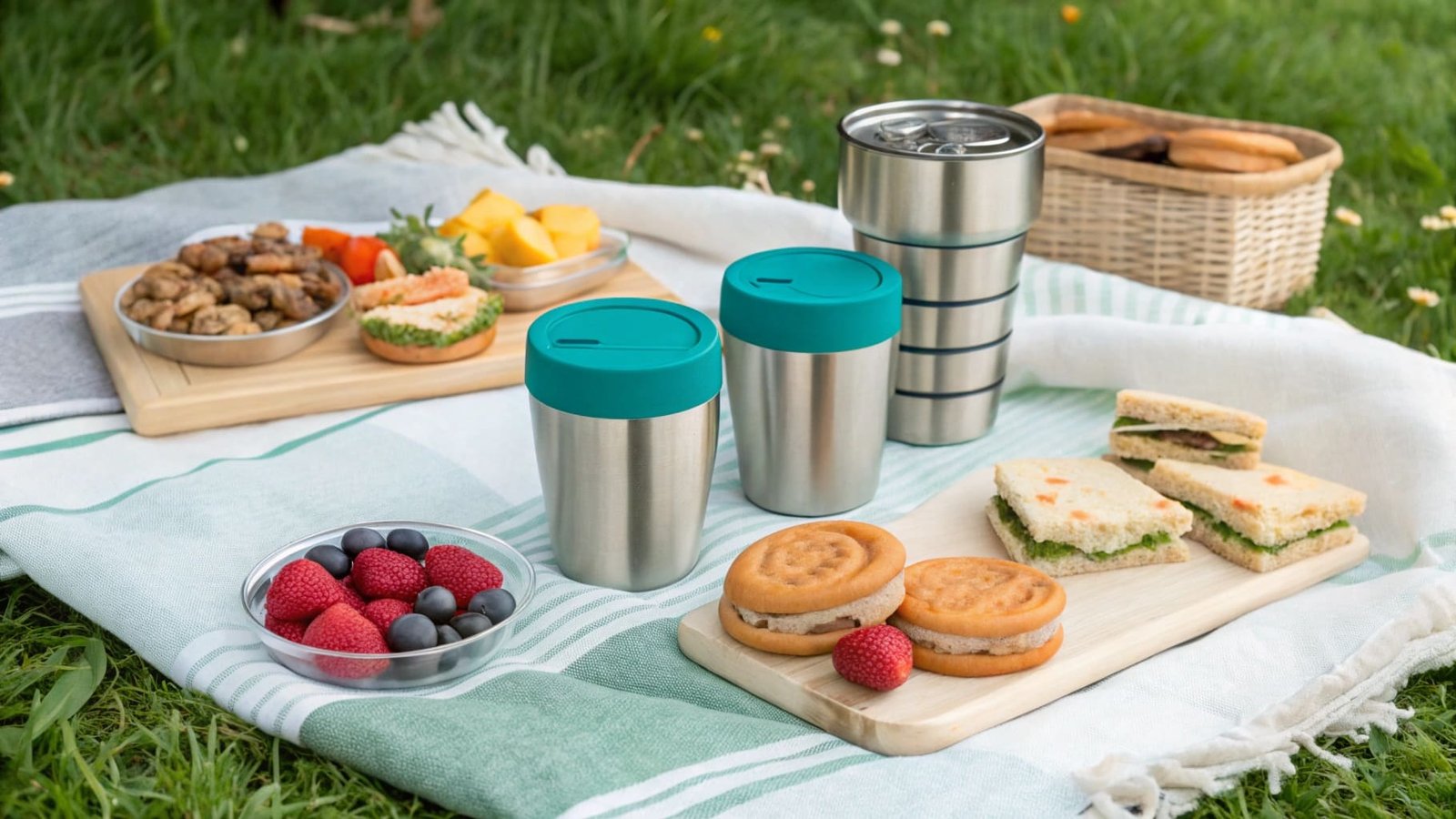
Why commercial kitchens choose silicone over plastic
I supply both startup cafés and established restaurant chains. The pattern repeats itself. They switch to silicone and never look back. The reasons go beyond just being environmentally friendly.
Airtight sealing makes the biggest difference. Silicone stretch lids conform to container edges perfectly. This keeps food fresh longer. A catering business told me their prepared salads stayed crisp an extra day with silicone covers. Less food waste directly improves profit margins. In high-volume operations, even small waste reductions add up to significant savings.
Size flexibility solves a major inventory headache. Plastic containers need exact-fit lids. You stock different sizes for different containers. This ties up warehouse space and complicates ordering. Silicone lids stretch to fit multiple sizes. One 6-inch lid works on 4-inch, 5-inch, and 6-inch containers. Your inventory shrinks by two-thirds.
Temperature versatility streamlines kitchen workflow. I watched a bakery go from mixing to oven to fridge with the same silicone-covered bowls. No container transfers. No plastic wrap. Staff worked faster and made fewer mistakes. The silicone handled 400°F in the oven, then straight to refrigeration. Try that with any plastic product.
The procurement angle matters too. Plastic wrap orders happen monthly or weekly. Each order requires purchase approvals, delivery scheduling, and invoice processing. These administrative tasks cost time and money. Silicone lids need ordering once every few years. Your purchasing department handles fewer transactions. Less paperwork, lower processing costs.
Corporate responsibility reports now track sustainability metrics. I help clients quantify their environmental improvements. Switching to silicone lids shows measurable progress. You eliminate pounds of plastic waste annually. You demonstrate commitment to customers who care about these issues. Some clients use this data in marketing. It turns a procurement decision into a competitive advantage.
The initial price difference stops some buyers. They see silicone costs more per unit than plastic. This thinking misses the total picture. Factor in replacement frequency, waste disposal costs, and inventory management savings. Silicone delivers lower total cost of ownership. The break-even point usually arrives within 12-18 months.
| Performance Metric | Silicone | Plastic |
|---|---|---|
| Seal Quality | Excellent - conforms perfectly | Poor - rigid fit only |
| Size Versatility | High - stretches to multiple sizes | None - exact match required |
| Temperature Range | -40°F to 450°F | Limited, varies by type |
| Reuse Cycles | Thousands | Single use or limited |
| Inventory Complexity | Low - fewer SKUs needed | High - many sizes required |
| Disposal Frequency | Once per 3-5 years | Daily or weekly |
Conclusion
Silicone stretch lids deliver real value for commercial food service bulk orders. I have seen the numbers work across dozens of clients. Quality matters, certification matters, but the business case speaks for itself.