Do Silicone Boots Protect Colsters in High-Volume Retail Environments?
I run a silicone product business. I talk to retail buyers every week. They always ask me the same question about protection.
Silicone boots protect colsters from breakage in busy retail settings. They absorb impact when drinks get knocked over. They reduce replacement costs by preventing glass and tumbler damage during high-volume service periods.
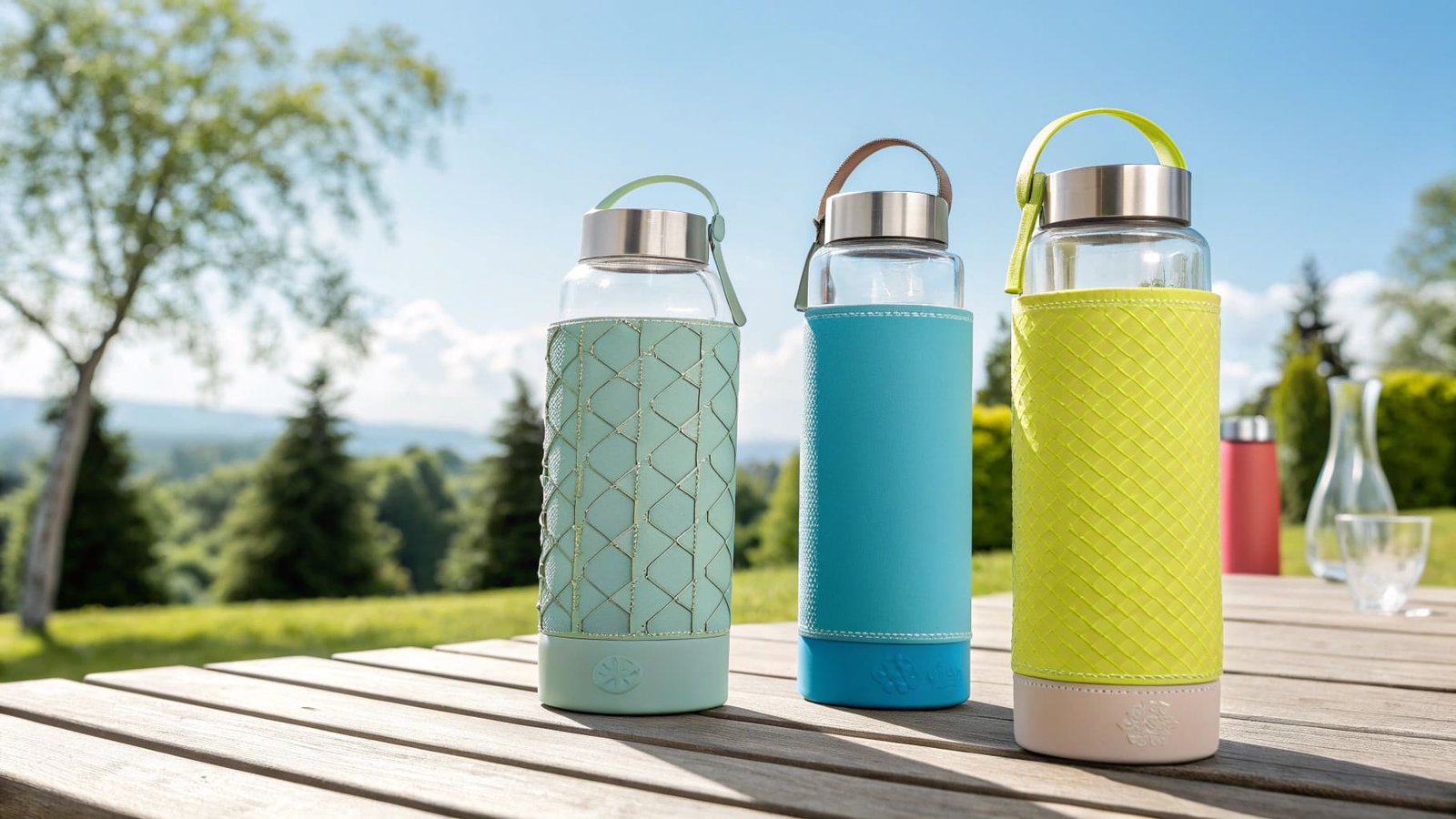
I remember when Mark first contacted me. He owns a distribution company in Canada. He told me his retail clients were losing money on broken drinkware. He needed a solution that worked in real busy environments. That conversation changed how I think about silicone boot design.
What are rubber boots used to protect from?
I see confusion about this all the time. Buyers mix up rubber and silicone. They think these materials do the same job.
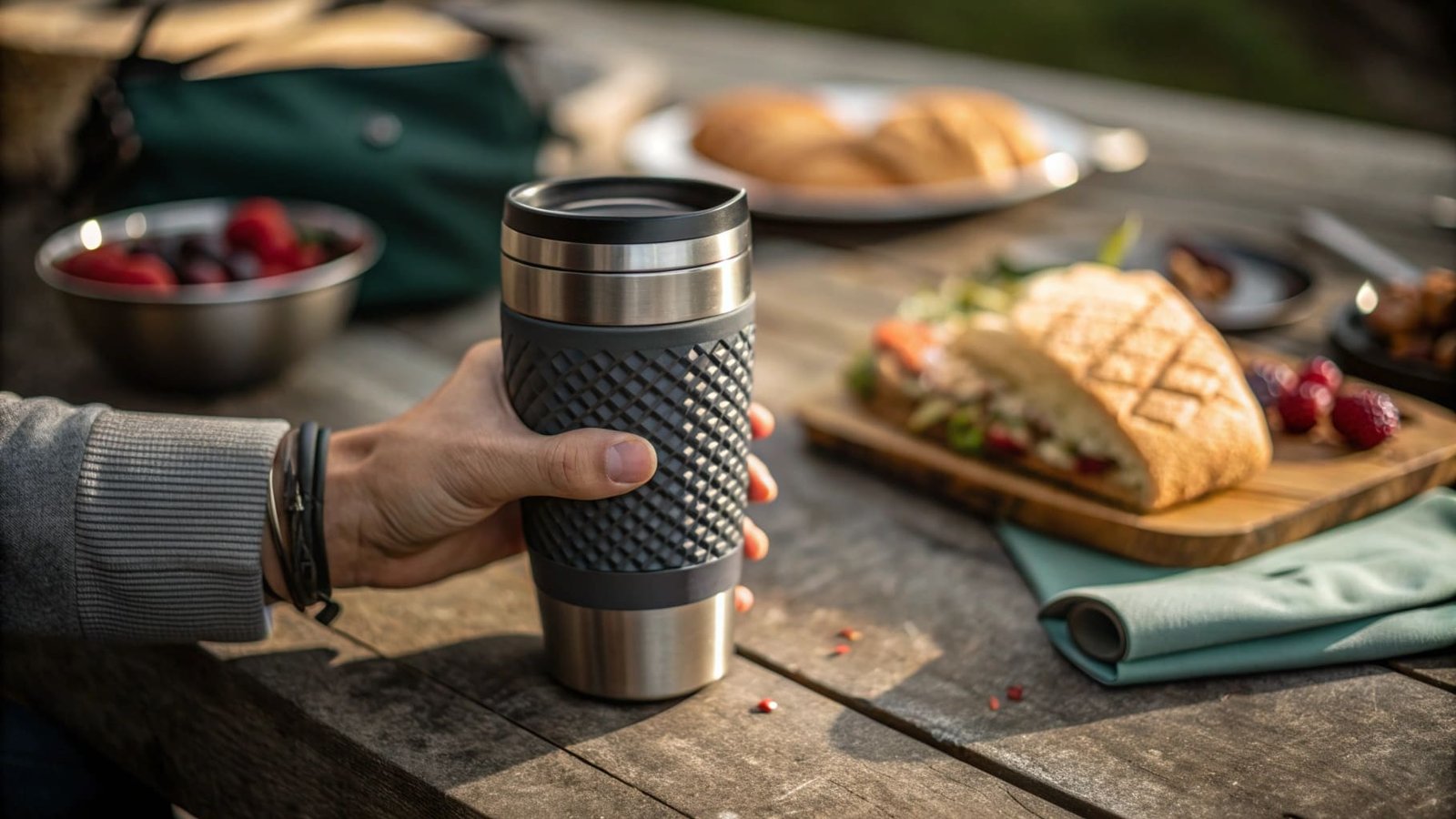
Rubber boots protect from water and chemicals in industrial settings. Silicone boots1 protect drinkware from impact damage. They serve different purposes in different environments.
Understanding the Material Difference
I need to explain this clearly. Rubber and silicone are not the same material. Rubber comes from natural or synthetic sources. It breaks down faster than silicone. Silicone is a synthetic polymer. It handles temperature changes better than rubber.
In retail environments, this difference matters. A rubber boot might crack after a few months. A silicone boot lasts much longer. I tell my clients to look at the Shore A hardness rating2. The best range for drinkware protection is 40 to 60. This range gives you flexibility and strength at the same time.
Here is what each material protects against:
| Material | Primary Protection | Retail Suitability | Lifespan |
|---|---|---|---|
| Natural Rubber | Water, mild chemicals | Low | 6-12 months |
| Synthetic Rubber | Oil, solvents | Medium | 12-18 months |
| Food-Grade Silicone | Impact, temperature | High | 24-36 months |
| Medical-Grade Silicone | All of above plus UV | Very High | 36+ months |
I learned this the hard way. A client once ordered rubber boots thinking they were silicone. The boots failed within three months. The client lost trust. I had to fix the situation. Now I always confirm the material grade before production.
What protection is best for boots?
I get this question from every new buyer. They want to know how to keep the boots themselves in good condition. The boot needs protection too.
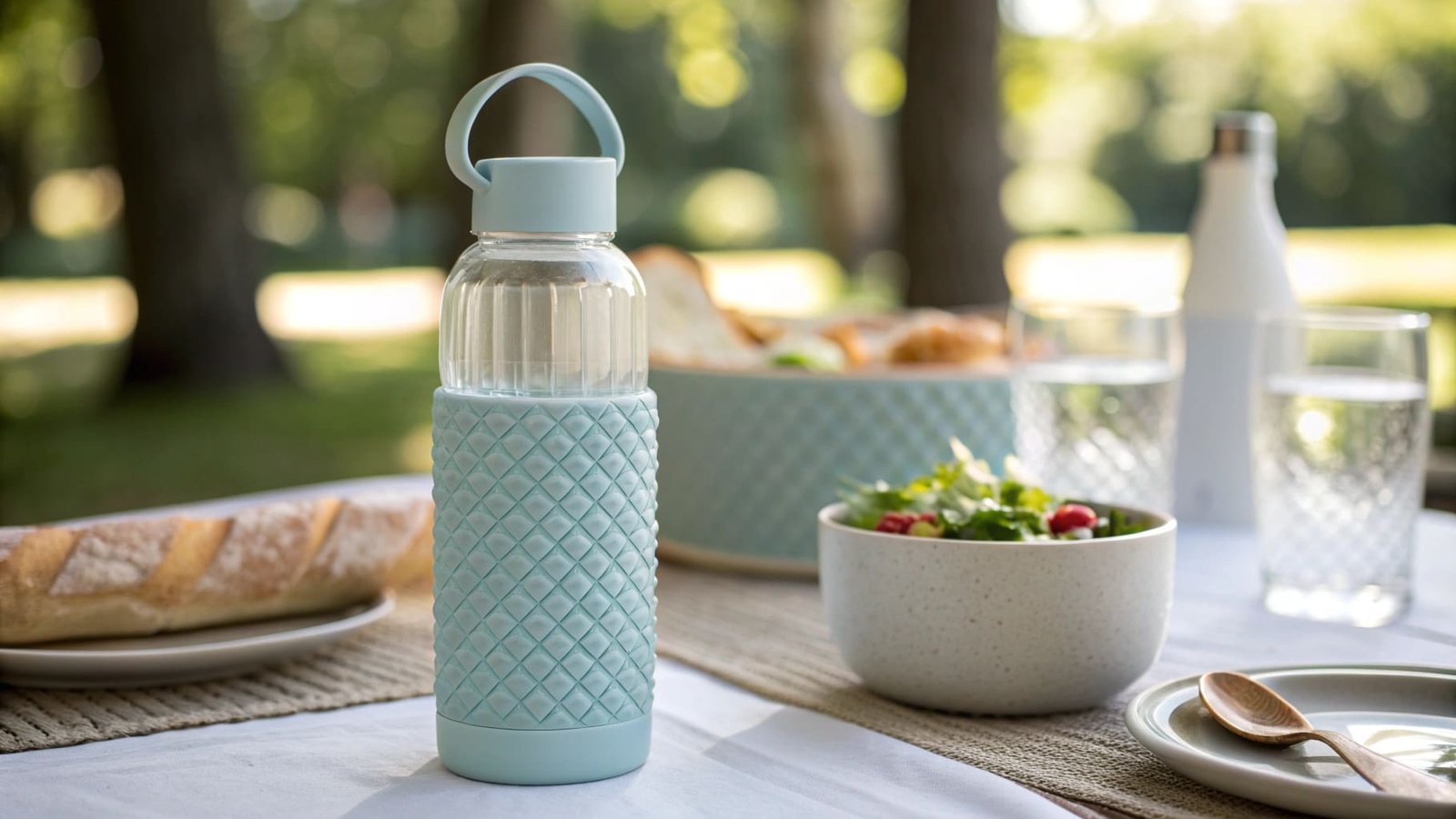
The best protection for silicone boots comes from proper material selection and correct usage practices. Platinum-cured silicone withstands more stress than peroxide-cured types. Regular cleaning without harsh chemicals extends boot life significantly.
Choosing the Right Silicone Grade
I tell Mark and other buyers to think about volume first. How many drinks does the location serve per day? A small cafe needs different protection than a stadium concession stand. The usage intensity determines the silicone grade you need.
Platinum-cured silicone costs more upfront. But it saves money over time. This grade resists degradation from dishwasher detergents. It maintains its grip properties longer. I source this grade for all my high-volume retail clients.
The wall thickness matters just as much as the grade. I recommend these specifications:
| Environment Type | Minimum Wall Thickness | Recommended Grade | Base Reinforcement |
|---|---|---|---|
| Low-volume retail | 1.5mm | Food-grade | Optional |
| Medium-volume retail | 2.0mm | Platinum-cured | Recommended |
| High-volume retail | 2.5mm | Medical-grade | Required |
| Industrial food service | 3.0mm | Medical-grade | Required |
I also need to mention design features. A reinforced base adds protection where the boot experiences the most stress. The base takes repeated impacts from setting drinks down. Without reinforcement, the base tears first. I add a thicker base section to all my designs for retail clients.
Storage practices affect boot lifespan too. I tell buyers to store boots away from direct sunlight. UV exposure breaks down silicone molecular bonds. Even platinum-cured silicone3 suffers from constant UV exposure. A simple storage cabinet solves this problem.
What weakens silicone?
This question comes up during quality discussions. Buyers need to understand degradation factors. They need to plan replacement cycles correctly.
Several factors weaken silicone over time. UV radiation breaks molecular bonds. Extreme temperature cycling causes micro-tears. Strong alkaline cleaners degrade the surface. Contact with certain oils accelerates breakdown.
Understanding Degradation Mechanisms
I study this topic constantly. My business depends on it. Silicone weakens through different mechanisms. Each mechanism needs a different prevention strategy.
UV radiation is the most common problem. I see this in outdoor retail locations. The sun hits the boots all day. The silicone starts to feel sticky after a few months. Then it tears easily. The molecular chains break apart under UV energy. I recommend UV-stabilized silicone for any outdoor application.
Temperature cycling creates another problem. A boot goes from refrigerator temperature to room temperature many times per day. Each cycle causes expansion and contraction. The material fatigues over time. Medical-grade silicone handles this stress better. It maintains elasticity through more cycles.
Chemical exposure surprises many buyers. They think all dish soap is safe for silicone. But some industrial detergents contain strong alkalines. These chemicals attack the silicone surface. The boot becomes rough and brittle. I test my silicone against common commercial detergents. I only source materials that pass these tests.
Here is how different factors affect silicone lifespan:
| Degradation Factor | Effect on Lifespan | Prevention Method | Additional Notes |
|---|---|---|---|
| UV Exposure | Reduces by 40-60% | UV-stabilized silicone | Critical for outdoor use |
| Temperature Cycling | Reduces by 20-30% | Medical-grade material | Affects refrigerated items |
| Alkaline Cleaners | Reduces by 30-50% | pH-neutral detergents | Train staff on proper cleaning |
| Oil Contact | Reduces by 10-20% | Regular cleaning schedule | Mainly affects kitchen environments |
I tell Mark about a client who had boot failure problems. They used industrial-strength degreaser on everything. The degreaser contained solvents that weakened the silicone. We switched them to a pH-neutral cleaner. The boot lifespan doubled immediately. Sometimes the solution is that simple.
The frequency of dishwasher cycles matters too. A boot that goes through a commercial dishwasher three times per day wears faster than one washed once per day. High-volume retailers need to accept shorter replacement cycles. Or they need to invest in thicker, higher-grade boots. There is no way around this reality.
I also see problems from improper storage. Some buyers stack boots when wet. The trapped moisture creates an environment for degradation. I recommend air-drying boots completely before storage. This simple step extends lifespan by months.
Conclusion
Silicone boots work well in high-volume retail if you choose the right grade and maintain them properly. I help buyers match their needs to the correct specification every day.