Do Silicone O-Rings Stretch Enough for Universal Tumbler Bulk Production?
I watched a buyer reject 10,000 units last month. The O-rings stretched too much during assembly. His automated line couldn't handle the variance. This single issue cost him three weeks of production delays.
Yes, silicone O-rings stretch 5-10% without permanent deformation, making them viable for universal tumbler bulk production. However, stretching beyond 15-20% during assembly causes tearing and compromises seal integrity. Quality food-grade silicone returns to its original shape, maintaining consistent performance across production batches.
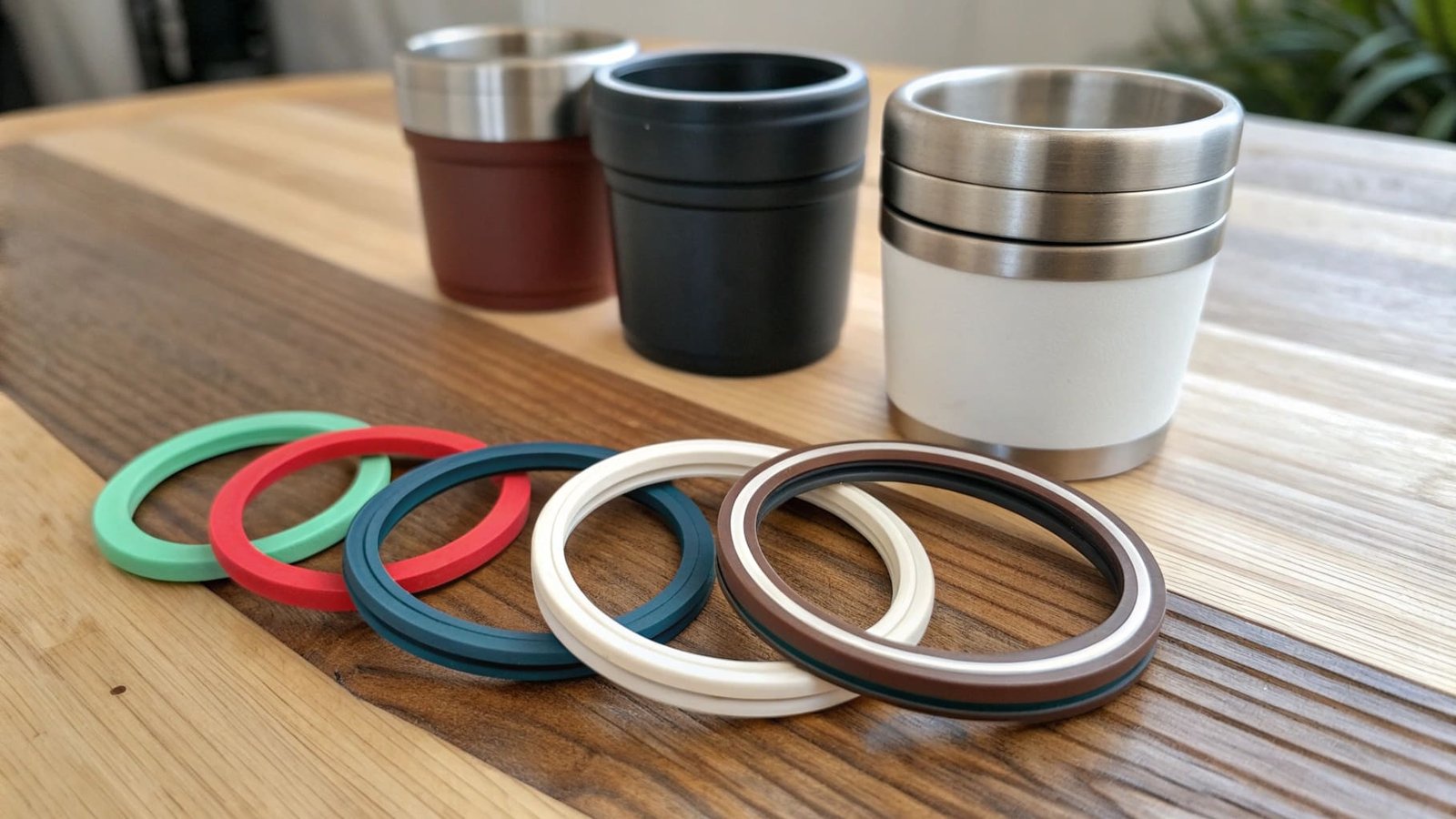
I have worked with hundreds of tumbler manufacturers over the past decade. The question of O-ring stretch always comes up during sourcing discussions. Most buyers focus on whether silicone stretches. They miss the more important question: will it stretch the right amount without causing production headaches? Let me share what I have learned from working directly with factories and testing thousands of samples in real production environments.
Do Silicone O-Rings Stretch?
One buyer once told me his assembly line workers complained about sore fingers. The O-rings were too tight. His production speed dropped by 40%. He needed O-rings that stretch easily but seal properly.
Silicone O-rings1 stretch between 5-15% depending on durometer rating and cross-section design. Shore A 40-50 durometers offer maximum stretch for assembly ease, while Shore A 60-70 provide better seal compression. The material's molecular structure allows temporary deformation without breaking chemical bonds.
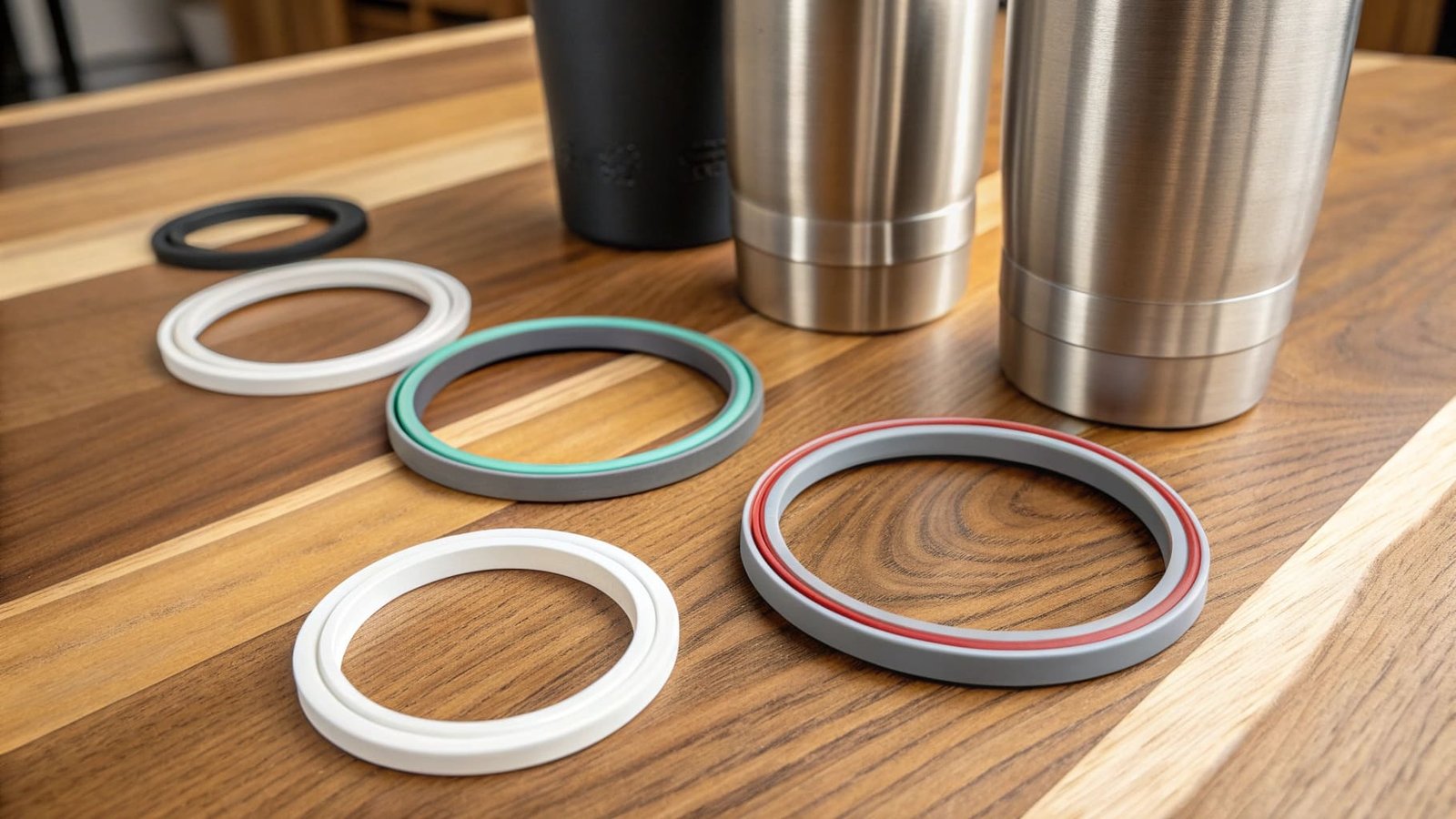
I test every batch we produce by stretching samples to different percentages. Shore A 40 silicone stretches easiest but may not provide enough compression force for reliable sealing. Shore A 70 silicone offers better seal performance but requires more force during assembly. Most tumbler manufacturers choose Shore A 50-60 as the sweet spot. This range gives enough stretch for hand assembly while maintaining seal integrity.
The cross-section shape matters more than most buyers realize. I have seen O-rings with the same durometer perform differently based on their thickness. Thicker cross-sections resist stretching more than thinner ones. A 3mm cross-section O-ring stretches more easily than a 5mm one, even with identical shore hardness. This becomes critical when you design automated assembly equipment.
| Durometer Rating | Stretch Capability | Assembly Force | Seal Performance | Best Application |
|---|---|---|---|---|
| Shore A 40 | 15-20% | Low | Moderate | Hand assembly, low-pressure seals |
| Shore A 50 | 10-15% | Medium | Good | Mixed assembly, general tumblers |
| Shore A 60 | 8-12% | Medium-High | Very Good | Automated lines, thermal tumblers |
| Shore A 70 | 5-10% | High | Excellent | High-pressure, extreme temperature |
Temperature also affects stretch behavior during assembly. Cold O-rings stretch less and tear more easily. I always recommend warming O-rings to room temperature before assembly. One client in Canada had this exact problem during winter. His warehouse temperature dropped to 10°C. The O-rings became stiff and several tore during assembly. We solved this by storing O-rings in a temperature-controlled area before production.
Does Silicone Stretch Permanently?
A distributor contacted me last year with a complaint. His customer returned tumblers after six months. The lids leaked. We tested the O-rings and found permanent deformation. The compression set exceeded acceptable limits due to poor material quality.
Quality food-grade silicone exhibits less than 25% compression set after 22 hours at 175°C. Permanent stretch occurs when stress exceeds the material's elastic limit or when inferior silicone grades experience thermal degradation. Premium platinum-cured silicone2 resists permanent deformation better than peroxide-cured alternatives.
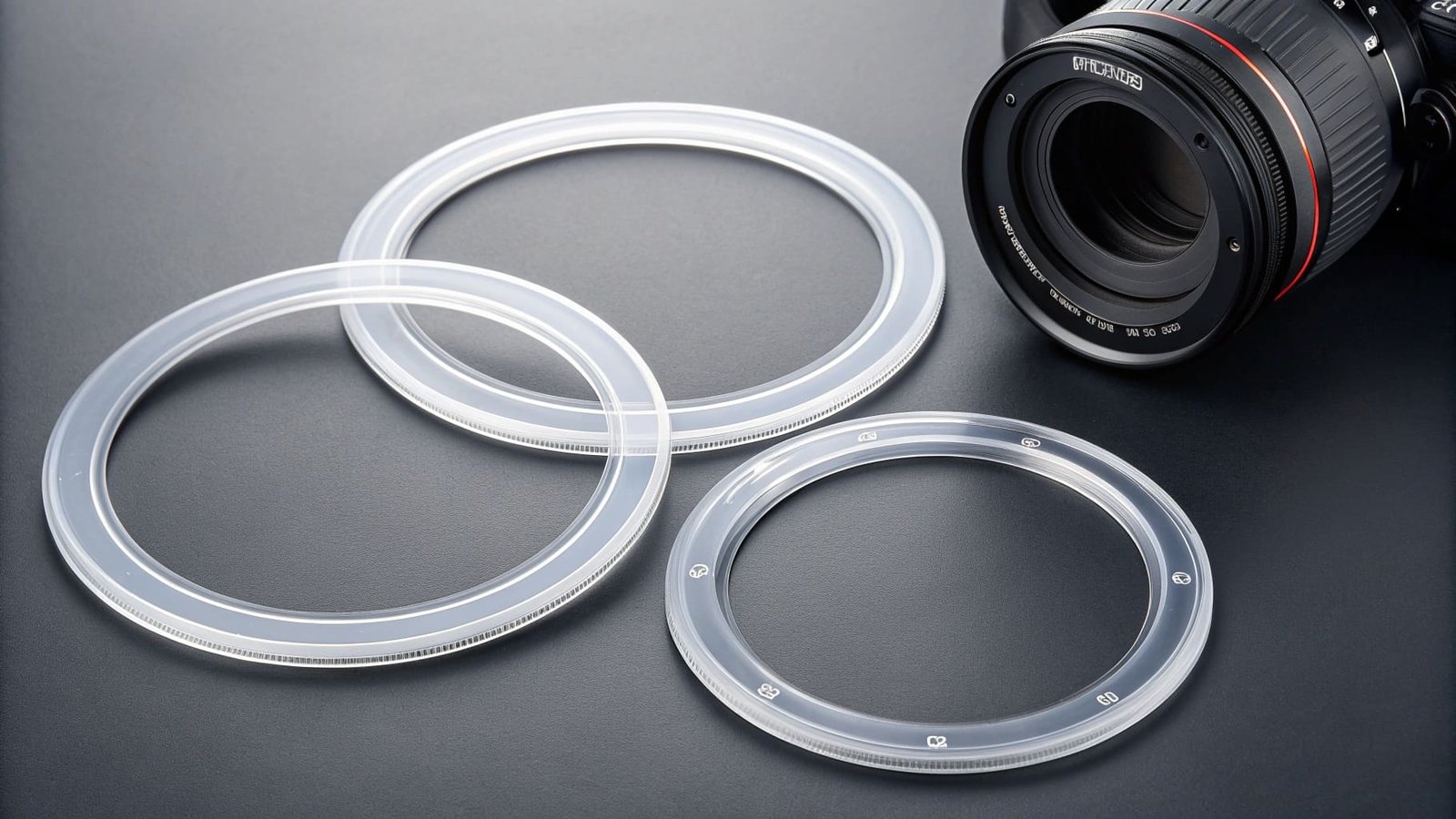
Compression set is the permanent deformation measurement that matters most in tumbler applications. I test this by compressing O-ring samples at elevated temperatures for extended periods. After releasing the compression, I measure how much the material fails to return to its original thickness. A 25% compression set means the O-ring permanently lost 25% of its original height. This directly affects seal performance over time.
The curing method significantly impacts permanent stretch resistance. I work exclusively with platinum-cured silicone for tumbler O-rings. Peroxide-cured silicone costs less but shows higher compression set values, especially after thermal cycling. One buyer tried saving money by switching to peroxide-cured O-rings. Within three months, his warranty claims tripled. Customers complained about leaking lids. The O-rings had permanently deformed from hot beverage temperatures and repeated washing.
Temperature cycling accelerates permanent deformation. Tumblers experience extreme conditions from ice-cold beverages to hot coffee, often multiple times daily. I conduct thermal shock testing by cycling O-rings between -20°C and 100°C for 100 cycles. Quality platinum-cured silicone maintains less than 20% compression set after this torture test. Lower-grade materials exceed 40% compression set and lose seal effectiveness.
| Material Type | Initial Compression Set | After 100 Thermal Cycles | Cost Factor | Warranty Risk |
|---|---|---|---|---|
| Platinum-Cured Premium | 15-20% | 18-25% | 1.5x | Low |
| Platinum-Cured Standard | 20-25% | 25-35% | 1.0x | Medium |
| Peroxide-Cured | 25-35% | 40-55% | 0.7x | High |
| Low-Grade Silicone | 35-45% | 60%+ | 0.5x | Very High |
Chemical exposure also causes permanent stretch. Some buyers use O-rings with products containing essential oils or acidic beverages. These substances can swell silicone over time, causing permanent dimensional changes. I recommend testing O-rings with the actual beverage types before committing to bulk orders. A coffee tumbler manufacturer learned this lesson after essential oil blends caused his O-rings to swell by 8% permanently.
What Are the Cons of Silicone Rings?
I lost a major order two years ago because I was honest about silicone limitations. The buyer wanted O-rings for an automated high-speed line. I explained the tearing risk. He bought from a competitor who promised no problems. Six months later, he came back. His line had constant stoppages from torn O-rings.
Silicone O-rings tear during automated assembly if stretch exceeds 20%, attract dust and lint in storage reducing assembly efficiency, and degrade when exposed to certain industrial oils and solvents. Additionally, lower durometer rings lack compression force for reliable sealing, while higher durometer variants require excessive assembly force.
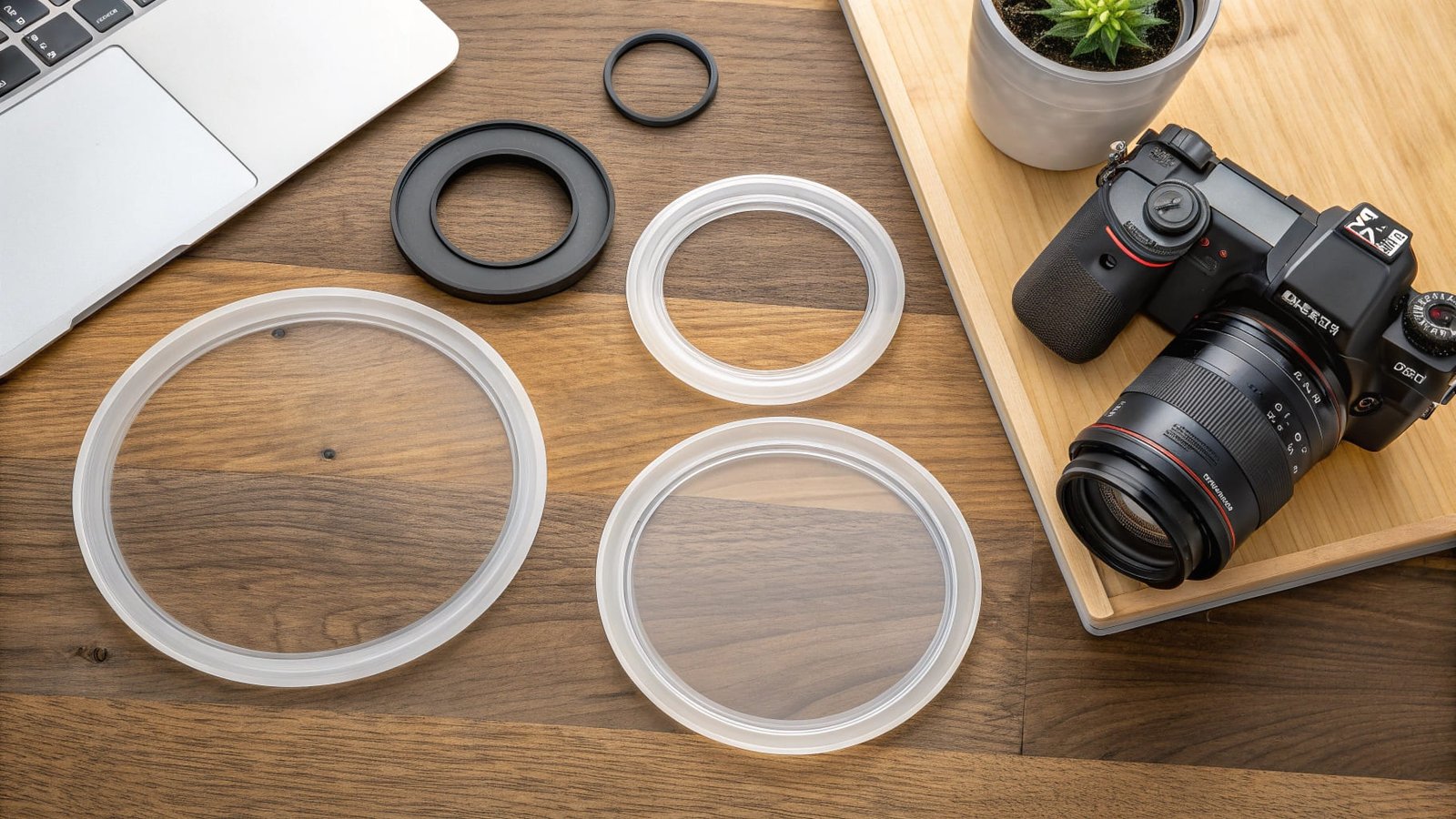
Tearing during automated assembly represents the biggest practical limitation. I have visited dozens of tumbler factories with automated assembly lines. The machines stretch O-rings quickly over lid grooves. If the O-ring inner diameter is too small for the outer diameter of the lid, the rapid stretching causes tears at weak points in the material. This becomes worse with thinner cross-sections or when O-rings have any surface imperfections.
I recommend calculating the stretch percentage before designing automated systems. Measure the lid outer diameter where the O-ring sits. Measure the O-ring inner diameter. The difference should not exceed 15% for reliable automated assembly. One client insisted on using O-rings with 22% stretch to reduce SKU count across multiple tumbler sizes. His line tearing rate reached 3%, making automation economically unviable. We redesigned his O-ring sizing strategy and reduced tearing to under 0.1%.
Dust and lint attraction creates real production headaches. Silicone has inherent surface tackiness that attracts airborne particles. I have seen this cause major issues in factories without proper environmental controls. The O-rings pick up dust during storage and transport. This contamination becomes visible on finished products, forcing additional cleaning steps or rejection of assembled units. Proper packaging in sealed bags and climate-controlled storage minimizes this issue but adds cost.
| Challenge | Root Cause | Production Impact | Prevention Strategy | Cost Impact |
|---|---|---|---|---|
| Assembly Tearing | Excessive stretch (over 20%) | 1-5% scrap rate, line stoppages | Proper sizing, pre-warming | Medium |
| Dust Attraction | Surface tackiness | Cleaning time, aesthetic defects | Sealed packaging, controlled environment | Low |
| Chemical Degradation | Oil/solvent exposure | Swelling, loss of seal | Material compatibility testing | Low |
| Compression Set | Thermal cycling, poor quality | Warranty claims, leakage | Premium materials, proper testing | High |
| Assembly Force | High durometer | Slow assembly, worker fatigue | Optimal durometer selection | Medium |
Chemical compatibility limitations affect certain applications. While food-grade silicone resists most beverages, it degrades when exposed to strong solvents, some essential oils, and petroleum-based lubricants used in manufacturing environments. I always ask buyers about their production environment. One factory used silicone-based mold release spray near their assembly area. The spray contaminated O-rings, causing them to swell and lose dimensional accuracy. We solved this by switching to water-based release agents in that production zone.
The balance between stretch ease and seal performance creates a fundamental trade-off. Softer silicone stretches more easily but provides less compression force against the sealing surface. Harder silicone seals better but requires more assembly force and tears more easily when stretched beyond limits. I help buyers find the optimal durometer by testing with their actual assembly methods and seal performance requirements. This testing phase costs time upfront but prevents expensive production issues later.
Conclusion
Silicone O-rings stretch sufficiently for universal tumbler production when properly specified. Focus on compression set data, durometer selection, and stretch limits rather than just stretchability. Test thoroughly before bulk orders.