Do Silicone Rubber O-Rings Require Special Storage Conditions for Bulk Inventory?
Last month, I received a complaint from a Canadian distributor. His O-rings were cracking after just six months. He blamed our manufacturing quality. After investigation, I found the problem: his warehouse temperature exceeded 35°C all summer.
Yes, silicone rubber O-rings absolutely require special storage conditions for bulk inventory. Store them at 15-25°C in a dark, dry place away from chemicals and ozone sources. Proper storage extends shelf life to 15-20 years and prevents premature degradation that leads to seal failure.
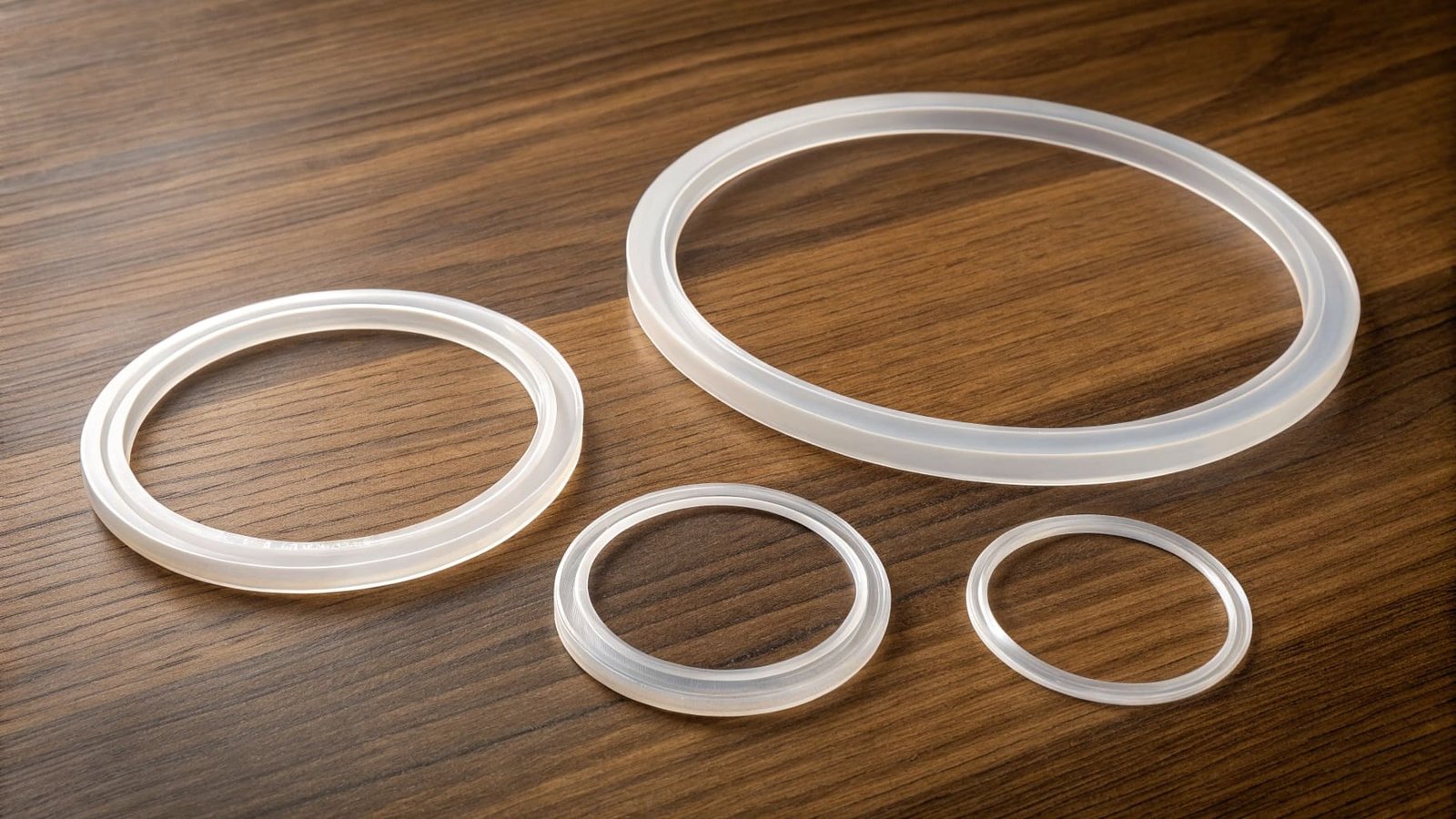
I have worked in silicone product manufacturing for over eight years. Storage issues cause more quality complaints than actual manufacturing defects. Many buyers think silicone products are indestructible. They are not. Even sitting in a box, these O-rings age and degrade without proper conditions.
What are the storage conditions for O ring?
Your storage room determines whether your O-rings last two decades or two years. I have seen both outcomes. The difference comes down to following basic protocols that most warehouses ignore.
Silicone O-rings need five key storage conditions: controlled temperature (15-25°C), darkness (no UV exposure), moderate humidity (45-65%), ozone-free environment, and separation from incompatible chemicals. Meeting all five conditions protects your investment and maintains seal performance.
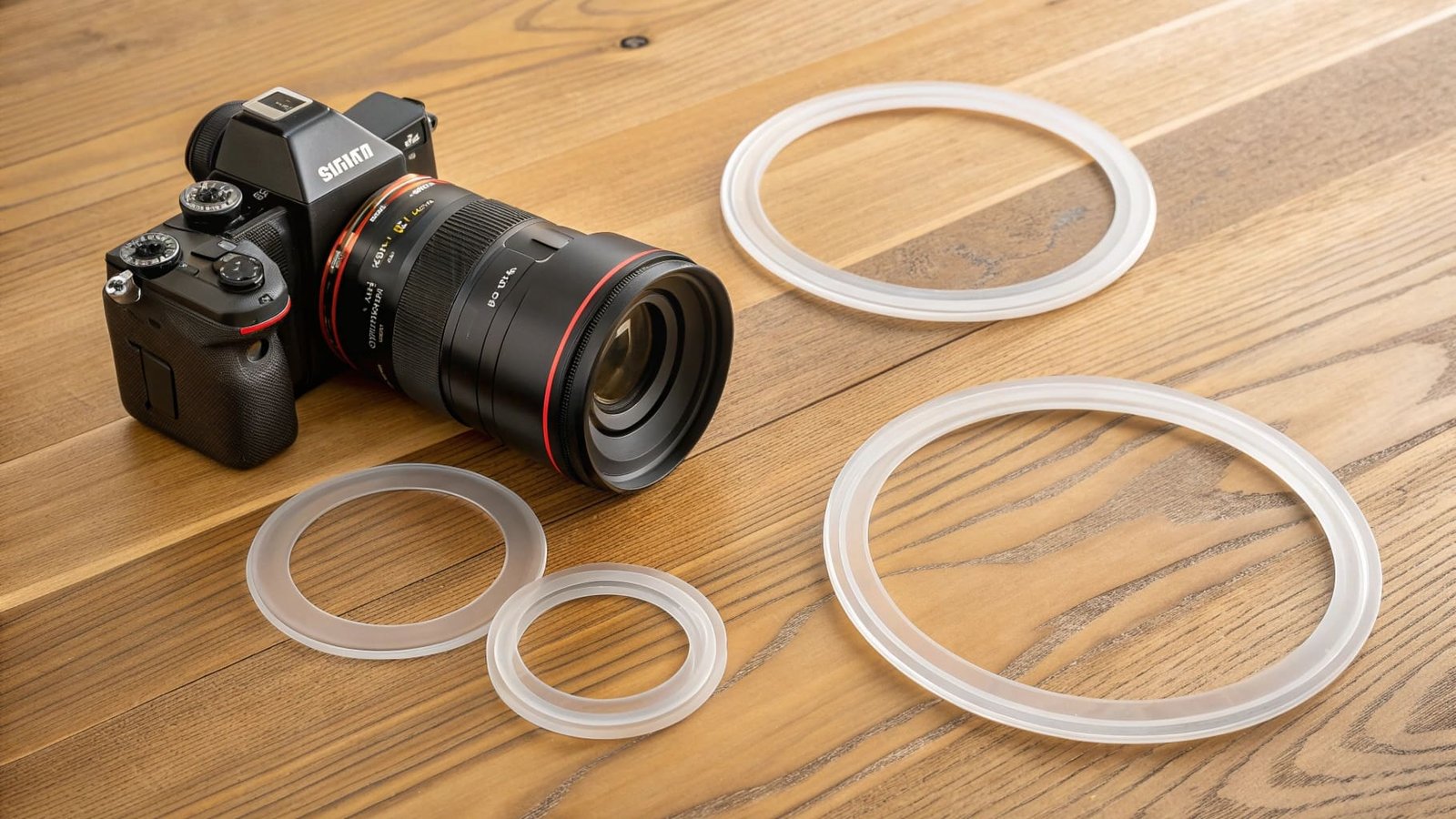
Temperature sits at the foundation of proper storage. I always tell my B2B customers: if you cannot control temperature, do not buy in bulk. Silicone rubber undergoes chemical changes at both temperature extremes. High temperatures speed up cross-linking reactions inside the polymer structure. This makes O-rings harder and less elastic over time. Low temperatures cause temporary hardening. The material becomes stiff and difficult to install.
But temperature alone does not solve the storage puzzle. Light exposure breaks down polymer chains. I once visited a warehouse where O-rings were stored near windows. The surface of those O-rings had visible cracks. UV radiation attacks the molecular structure of silicone. It creates free radicals that damage the material from the outside in.
Humidity presents another challenge. Too dry, and the material may become brittle in some formulations. Too humid, and moisture can migrate into the silicone matrix. This affects dimensional stability. For precision sealing applications, even small dimensional changes matter. I recommend using hygrometers in storage areas. Most warehouse managers do not monitor humidity. This surprises me because the equipment costs less than one bulk order of O-rings.
Ozone is the silent killer. Electrical equipment generates ozone. Forklifts with electric motors generate ozone. Even fluorescent lights produce trace amounts. Ozone attacks unsaturated bonds in rubber compounds. Pure silicone has fewer unsaturated bonds than nitrile or EPDM. This gives silicone better ozone resistance. But "better" does not mean "immune." Store O-rings away from electrical equipment and motors.
Chemical exposure ruins O-rings before you ever use them. Solvents evaporate in warehouses. These vapors settle on stored products. I have tested O-rings that absorbed warehouse contaminants. They failed compression set tests even though they were never installed. Keep O-rings in sealed bags or containers. Store them away from paints, lubricants, and cleaning products.
| Storage Factor | Requirement | Why It Matters |
|---|---|---|
| Temperature | 15-25°C | Prevents accelerated aging |
| Light | Complete darkness | Stops UV degradation |
| Humidity | 45-65% RH | Maintains dimensional stability |
| Ozone | Minimal exposure | Prevents surface cracking |
| Chemicals | Complete isolation | Avoids contamination |
What temperature should rubber be stored at?
Temperature control is not optional for bulk inventory. I lose potential customers every month because they want to store O-rings in non-climate-controlled warehouses. I refuse these orders. Poor storage reflects poorly on my brand, even when the failure is not my fault.
The optimal storage temperature for silicone rubber O-rings is 15-25°C (59-77°F). This range maintains molecular stability in the polymer structure. Temperatures above 30°C accelerate chemical aging. Temperatures below 10°C cause reversible hardening that affects immediate usability and long-term compression set properties.
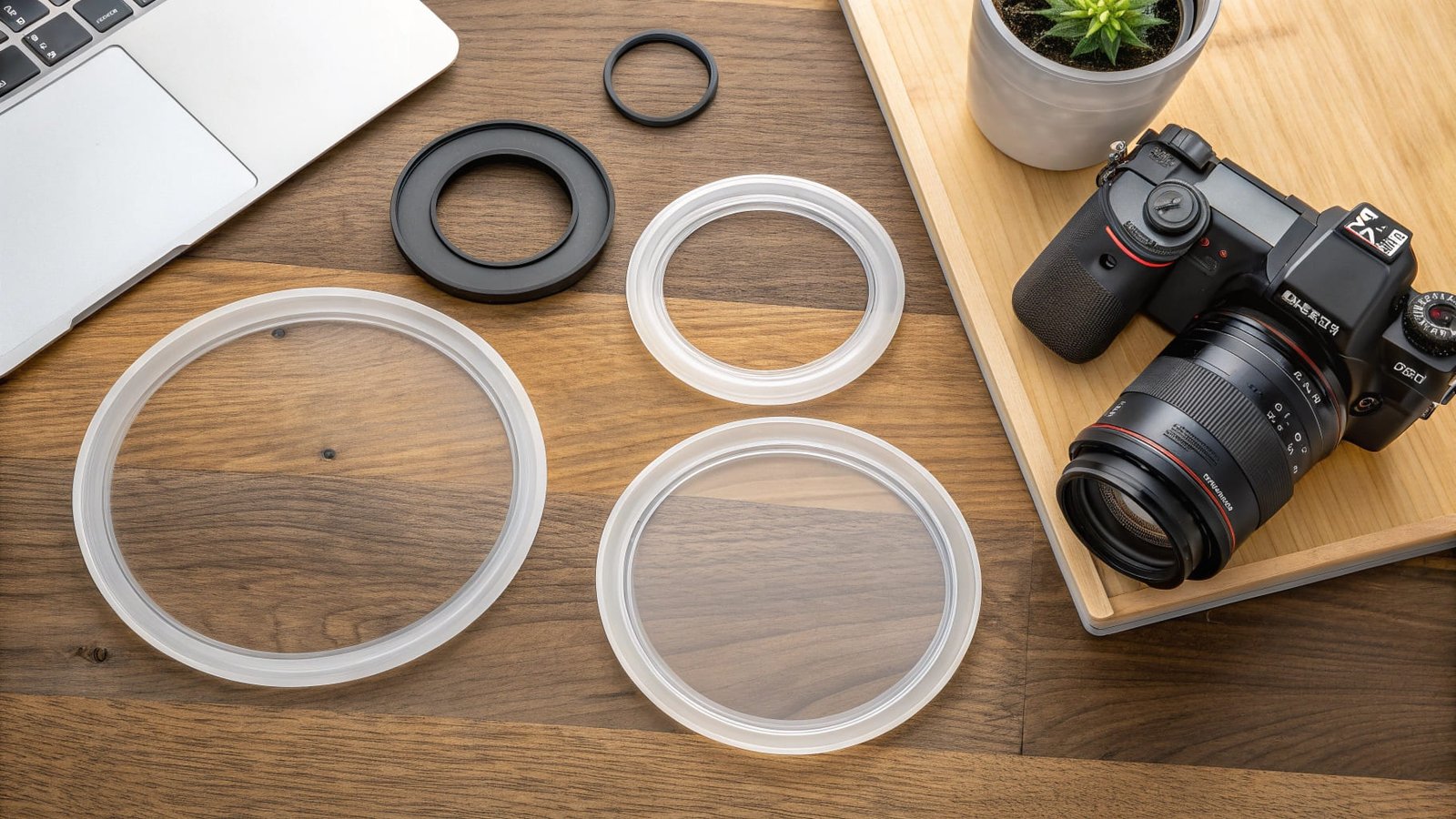
I need to explain what happens at temperature extremes. High temperatures increase molecular movement inside the silicone polymer. This sounds harmless but it is not. Increased movement allows continued cross-linking reactions. Silicone rubber is manufactured through cross-linking. But this process does not stop completely after manufacturing. It continues very slowly at normal temperatures. Heat speeds up this residual cross-linking. Over months and years, the O-rings become harder and less flexible. They lose their ability to compress and seal properly.
One of my American customers learned this lesson the expensive way. He stored 50,000 O-rings in a warehouse in Arizona. Summer temperatures inside that building exceeded 40°C. After one year, those O-rings failed durometer testing. They measured 10 points harder than specification. He could not sell them. The entire batch became waste. That single storage mistake cost him more than his annual profit margin.
Cold storage creates different problems. Silicone rubber hardens when cold. This hardening is temporary and reversible. The O-rings return to normal flexibility at room temperature. But cold storage creates practical issues. Workers remove O-rings from cold storage and try to install them immediately. The stiff O-rings resist compression. Installation requires more force. This damages the O-ring surface or causes improper seating. I have seen installation failures traced back to cold O-rings forced into grooves.
Cold temperatures also affect compression set properties over long periods. Compression set measures how well an O-ring recovers its original shape after being compressed. Extended storage below 10°C can degrade this property. The O-ring may look fine but it has lost some elastic memory. After installation and compression, it does not seal as effectively.
For B2B buyers, climate control represents a significant cost. But compare this cost to the value of your inventory. A climate-controlled storage room costs perhaps 2-3% of annual inventory value. Product failures from poor storage can destroy 20-30% of inventory value. The math is simple. I tell every new customer: factor climate control into your logistics budget from day one.
Temperature monitoring needs to be continuous, not periodic. Install digital thermometers with data logging. Check records weekly. I provide this same equipment in my own warehouse. When a customer questions product quality, I can show them storage temperature data for their specific batch.
Do rubber O-rings have a shelf life?
Every product has a shelf life. Silicone O-rings are no exception. But buyers often misunderstand what shelf life means and how storage conditions affect it.
Yes, silicone rubber O-rings have a shelf life of 15-20 years under proper storage conditions. This exceeds most other elastomer types by 5-10 years. However, improper storage can reduce usable life to 2-3 years or less. Shelf life is not a guarantee but a potential that requires active protection.
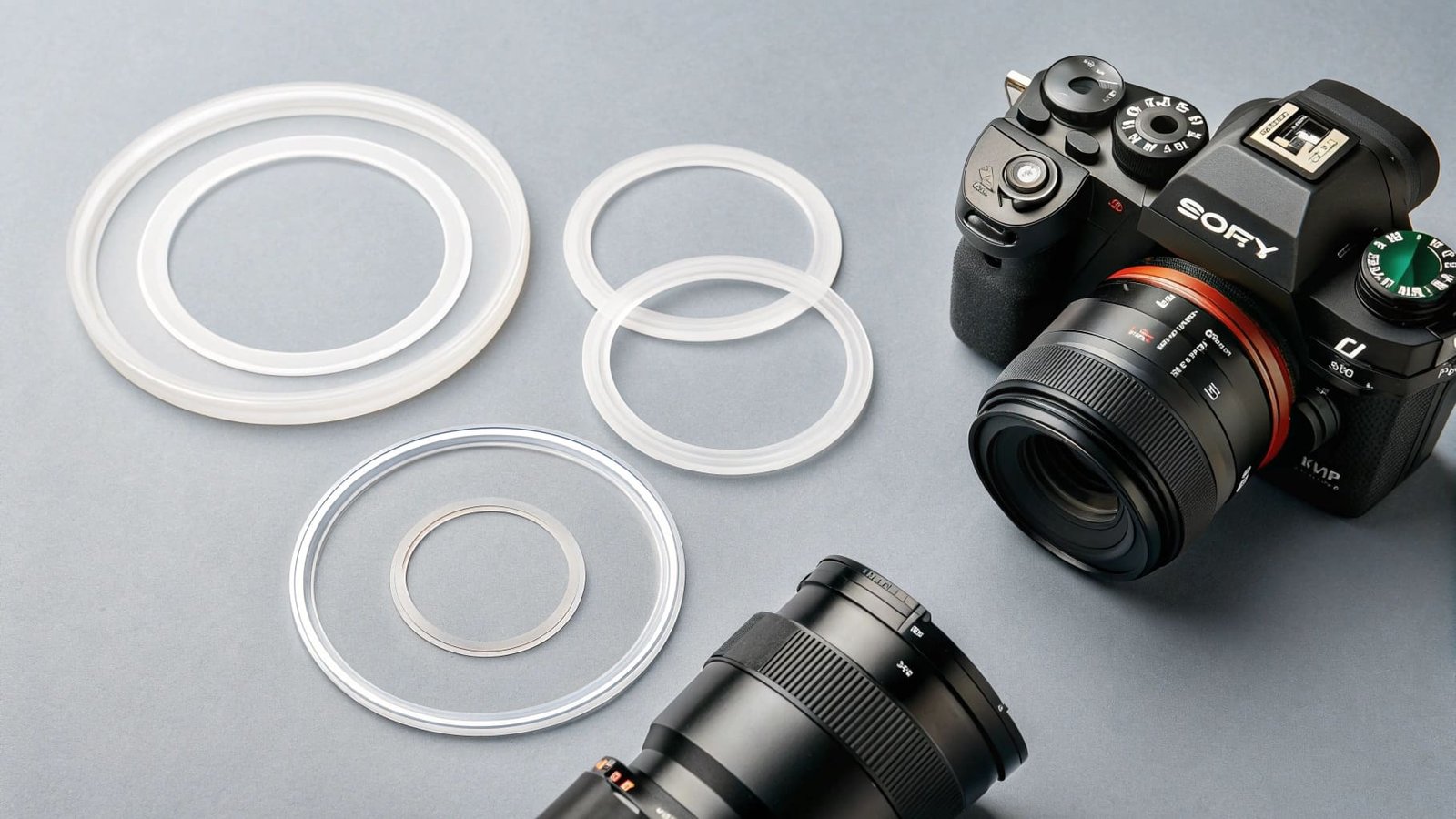
I need to clarify a common misconception. Shelf life does not mean the O-ring will function perfectly until day 5,474 and then suddenly fail on day 5,475. Shelf life represents the period during which the product maintains its specified properties under defined conditions. After this period, the product gradually loses performance. It does not necessarily become unusable, but it no longer meets original specifications.
Silicone O-rings age through several mechanisms. Polymer chain scission breaks long molecular chains into shorter segments. This reduces tensile strength and elongation. Cross-link density changes over time. Too much cross-linking makes the material hard and brittle. Loss of cross-links makes it soft and weak. Additives migrate out of the compound or degrade chemically. These additives often provide important properties like compression set resistance or chemical compatibility.
The 15-20 year shelf life assumes perfect storage conditions. I test samples from my own inventory every two years. O-rings stored at 20°C in sealed bags maintain properties remarkably well. O-rings stored at 30°C show measurable degradation after just five years. The relationship between storage temperature and aging rate is not linear. A 10°C increase in storage temperature can cut shelf life in half.
Manufacturing date matters enormously for bulk purchasing. I print production date codes on every bag. Some suppliers do not do this. This creates problems for buyers implementing FIFO inventory systems. You need to know which products to use first. I have visited customer warehouses where O-rings from different years were mixed together. They had no way to identify the oldest stock. This defeats the purpose of extended shelf life.
Shelf life also varies by compound formulation. Not all silicone O-rings are identical. High-consistency rubber (HCR) silicone generally offers longer shelf life than liquid silicone rubber (LSR)1. Compounds with special additives may have shorter shelf life. Fluorosilicone typically ages faster than pure silicone. I always provide compound-specific shelf life data with my products.
For B2B operations, shelf life should inform purchasing decisions. Do not buy five years of inventory just because the price is good. Calculate realistic usage rates. Factor in the possibility that some customers will delay orders. Build in a safety margin. I recommend keeping inventory levels at 12-18 months of normal usage. This balances economies of scale against aging risk.
Expired O-rings are not necessarily worthless. They may still function in less critical applications. I have customers who use older O-rings for prototyping or testing where absolute performance is less critical. But never use expired O-rings in safety-critical or high-value applications. The liability risk far exceeds any cost savings.
| O-Ring Type | Expected Shelf Life | Critical Storage Factors |
|---|---|---|
| Standard Silicone | 15-20 years | Temperature, UV protection |
| Fluorosilicone | 10-15 years | Temperature, chemical isolation |
| LSR Silicone | 12-18 years | Temperature, humidity control |
| Specialty Compounds | Varies | Supplier specification required |
Conclusion
Proper storage conditions transform silicone O-rings from a perishable commodity into a long-term asset. Invest in climate control, implement FIFO systems, and partner with suppliers who provide complete storage documentation. Your bottom line depends on it.
-
Discover the benefits of LSR and how it compares to other silicone types. ↩