How Do Custom Zipper Tabs Silicone Enhance Brand Recognition in Wholesale?
You spend thousands on marketing, but your customers keep forgetting your brand. Your products look identical to competitors on store shelves. You need something that puts your brand in customers' hands every single day.
Custom silicone zipper tabs turn every product into a walking advertisement for your brand. These small branded components create repeated daily touchpoints with consumers, building recognition without ongoing marketing costs. They work across luggage, outdoor gear, apparel, and sports equipment.
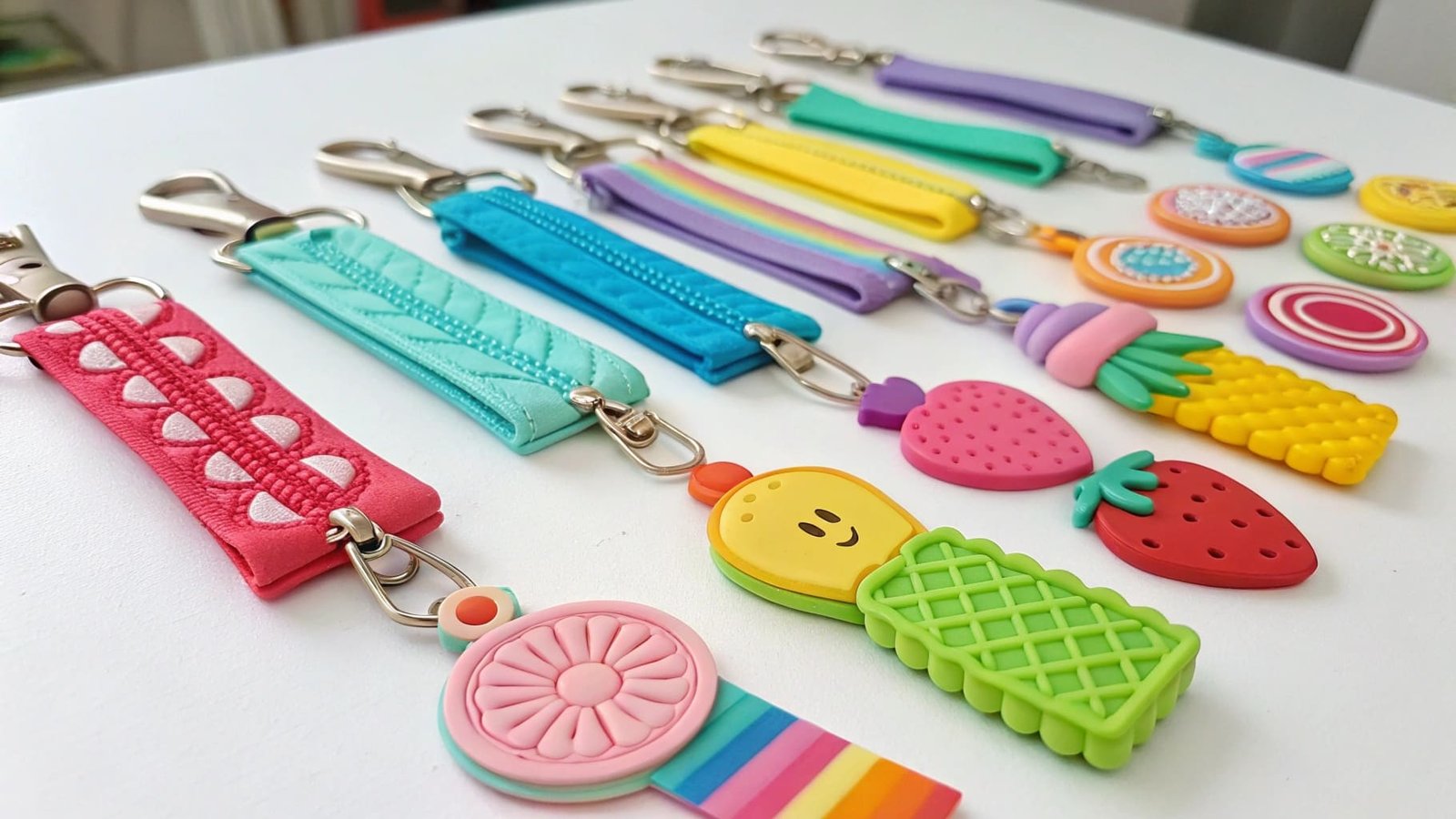
I have worked with hundreds of wholesale buyers1 over the years. Most of them miss this simple branding opportunity. They focus on packaging and labels, which customers throw away immediately. But a zipper tab stays with the product for its entire life. Every time someone opens their bag or jacket, they see and touch your brand.
What is the tab of a zipper called?
Your customers call it different names, which creates confusion when you source from suppliers. Industry terminology matters when you place bulk orders. Getting this wrong costs you time and money in back-and-forth communication.
The tab of a zipper is called a zipper pull, zipper puller, or slider tab. These terms refer to the small attachment point on the zipper slider that users grip to open and close the zipper. The terms are interchangeable in the industry.
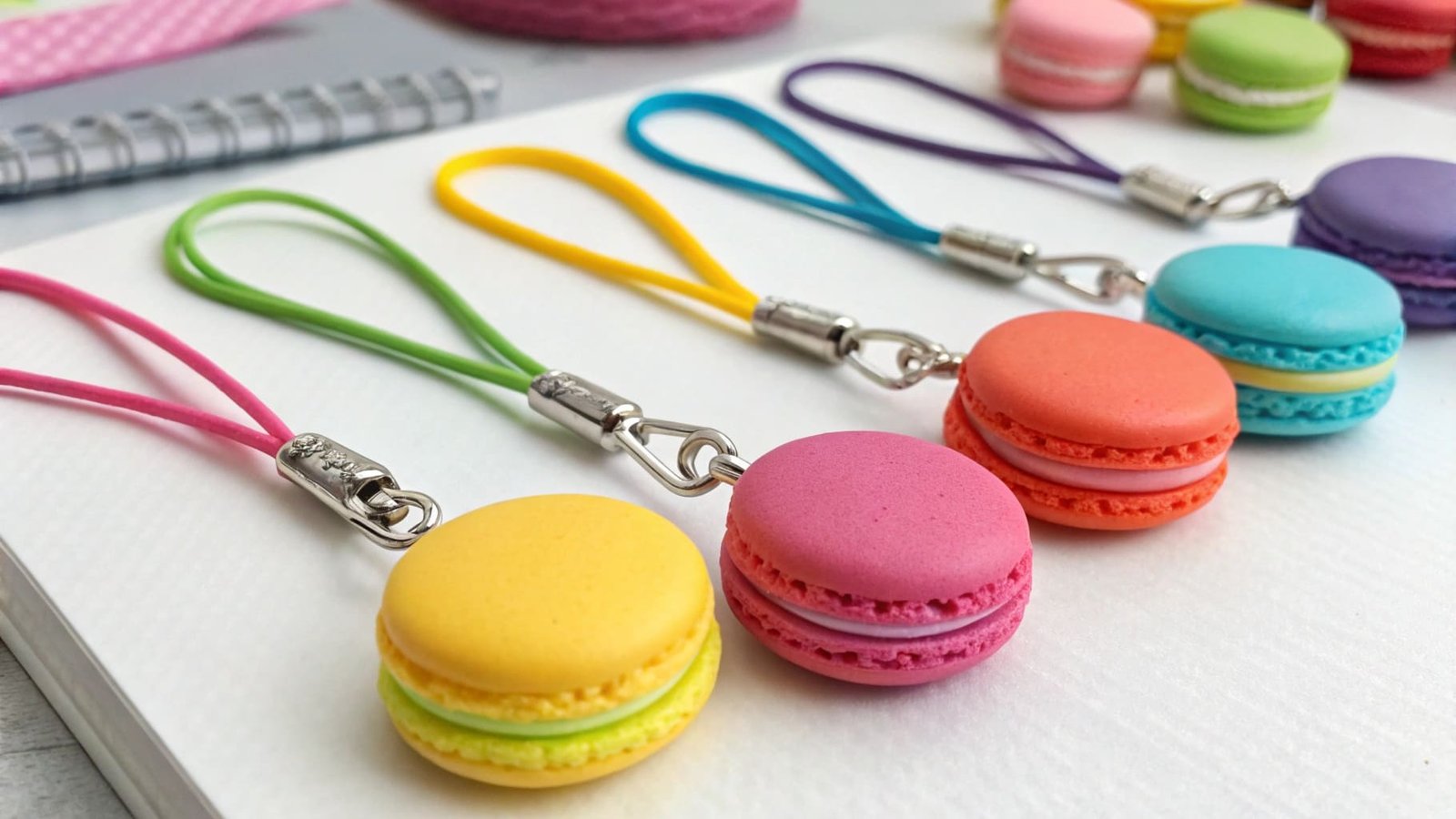
Understanding Zipper Tab Components
I need to explain the complete zipper system because many buyers confuse the parts. This confusion leads to ordering mistakes and delays in production.
The zipper has three main parts. The slider moves up and down the zipper chain. The zipper chain consists of the teeth or coils that interlock. The zipper pull attaches to the slider and provides the grip point for users.
Custom silicone zipper tabs2 attach to the slider through various methods. We use sewn attachments for fabric products. We apply heat bonding for synthetic materials. We install mechanical clips for heavy-duty applications like luggage.
Here is a breakdown of the common zipper pull types in wholesale:
| Type | Material | Best Use | Durability Rating |
|---|---|---|---|
| Standard Pull | Metal/Plastic | Basic apparel | Medium |
| Silicone Tab | 100% Silicone | Premium products | High |
| Cord Pull | Nylon cord | Outdoor gear | Medium-High |
| Custom Molded | Silicone/Rubber | Brand applications | Very High |
The naming matters when you communicate with manufacturers like us. I have seen orders delayed by weeks because buyers used incorrect terms. When you say zipper pull tab or slider tab, we know exactly what you need.
Can you use silicone spray on zippers?
Your sales team gets questions about zipper maintenance from end customers. You want to recommend the right solution without damaging your brand reputation. Bad advice creates returns and negative reviews.
Yes, you can use silicone spray3 on zippers as a temporary lubricant to smooth operation. However, silicone spray is different from permanent silicone zipper tabs. The spray provides short-term lubrication while custom silicone tabs offer long-term branding and improved grip.
Silicone Spray vs. Permanent Silicone Components
I want to clear up this confusion because it affects your product specifications. Many buyers think silicone spray and silicone zipper tabs serve the same purpose. They do not.
Silicone spray works as a maintenance product. It reduces friction between zipper teeth. It helps stuck zippers move smoothly again. The effect lasts for a few weeks or months depending on usage. End users need to reapply it regularly.
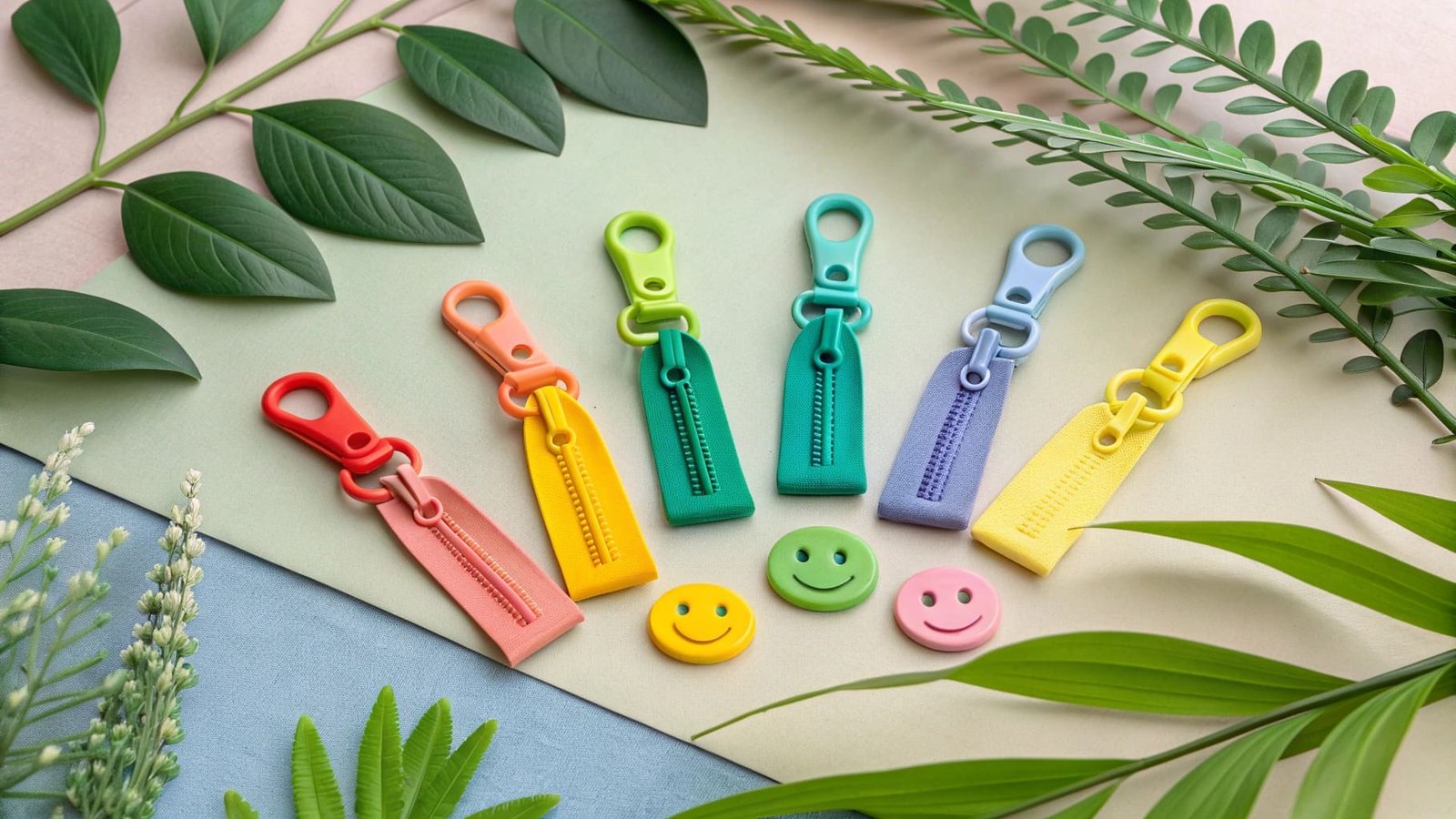
Permanent silicone zipper tabs serve a completely different purpose. We mold them with your brand logo. They attach permanently to the zipper slider. They provide better grip than metal or plastic pulls. They last for the entire product lifetime.
Here is why this distinction matters for your wholesale business. When customers search for zipper solutions, they find both spray products and custom tabs. You need to understand which one solves which problem.
Silicone spray benefits include temporary smoothing of zipper operation and easy application by end users. It also provides water resistance to zipper teeth. The downsides are that it requires regular reapplication and offers no branding value. It can also attract dirt over time.
Custom silicone tabs offer permanent brand visibility and superior grip comfort. They provide weather resistance and durability. They add perceived value to your products. The only downside is the upfront manufacturing cost, which becomes negligible at wholesale volumes.
I recommend custom silicone tabs for your branded products. Save silicone spray recommendations for customer service situations where zippers become stuck after purchase.
How to make a zipper pull tab?
You want to add custom zipper tabs to your product line. The manufacturing process seems complicated from the outside. You need clear information to make informed sourcing decisions and set realistic timelines.
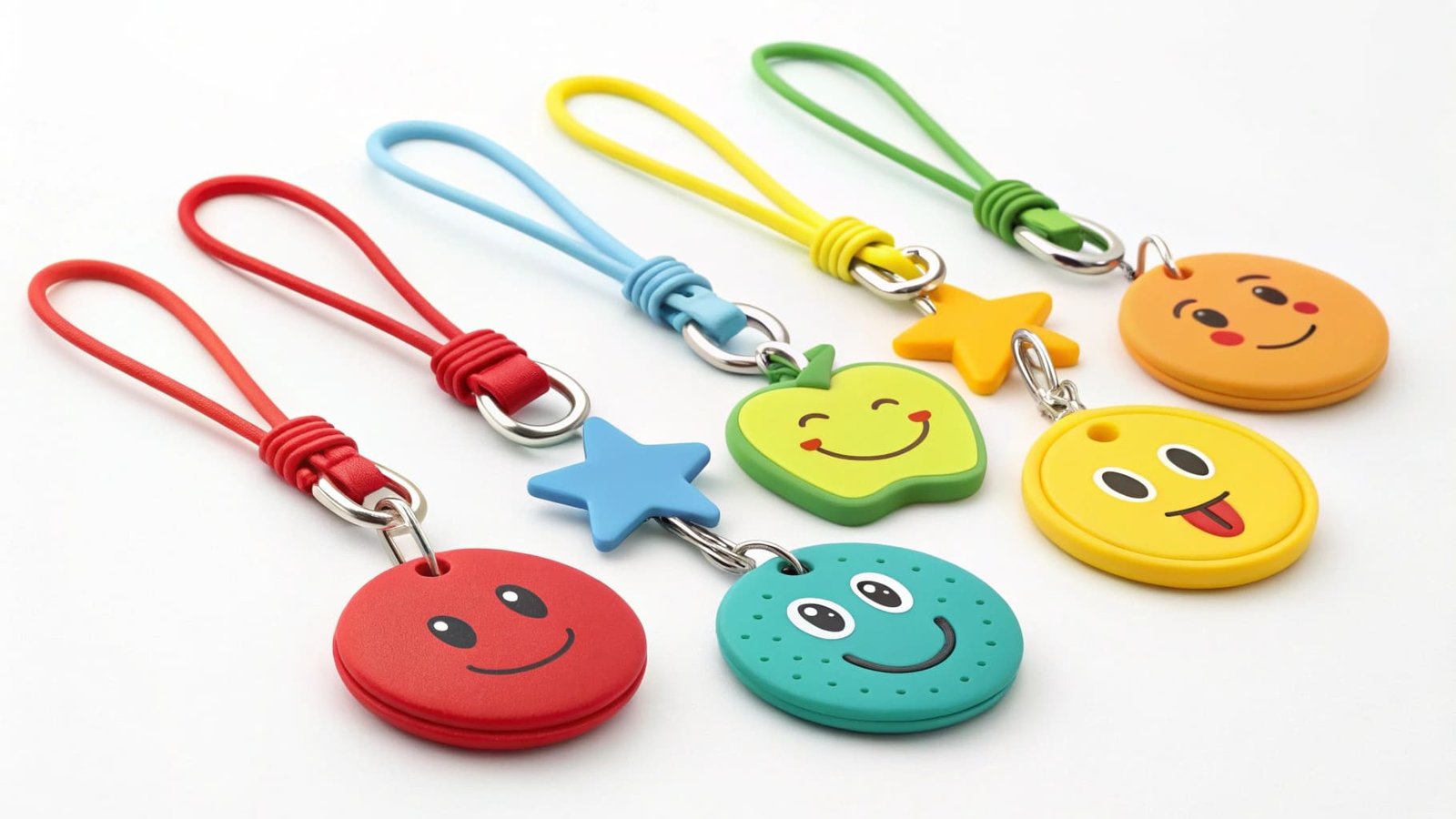
Making a zipper pull tab involves compression molding4 or injection molding of silicone material. The manufacturer creates a custom mold with your logo, pours liquid silicone, applies heat and pressure, then attaches the finished tab to zipper sliders through sewing, bonding, or clips.
The Complete Manufacturing Process
I run through this process every day at our facility. Let me walk you through each step so you understand what happens to your order.
Step one involves design and mold creation. You send us your logo and brand colors. Our design team creates a 3D model of the zipper tab. We manufacture a steel or aluminum mold based on your approval. This mold can produce thousands of identical tabs.
Step two covers the molding process. We use two main methods at our factory. Compression molding works well for simple designs and larger volumes. We place silicone material in the heated mold, apply pressure, and cure it. Injection molding suits complex designs with fine details. We inject liquid silicone into the mold cavity under high pressure.
Step three involves quality control5 and finishing. Each tab comes out of the mold with excess material called flash. We trim this away manually or with automated cutting. We inspect each piece for defects. We verify color matching against your Pantone specifications. We check logo clarity and dimensional accuracy.
Step four handles attachment preparation. Different products need different attachment methods. For soft goods like backpacks, we prepare tabs with fabric loops for sewing. For rigid applications like hard-shell luggage, we add mechanical clip attachments. For mid-range products, we prepare heat-bonding surfaces.
The timeline varies based on complexity. Simple single-color tabs with basic logos take two to three weeks from mold creation to first production. Complex multi-color tabs with intricate details need four to six weeks. Rush orders cost more but can reduce timelines by 30 to 40 percent.
Minimum order quantities affect your unit cost significantly. We can produce from 1000 units, but the sweet spot for cost efficiency starts at 3000 to 5000 units. At these volumes, your per-unit cost drops by 40 to 50 percent compared to smaller runs.
I always tell buyers to start with a single product line. Test the market response to custom silicone tabs before rolling them out across your entire catalog. This approach minimizes risk while giving you real sales data.
Conclusion
Custom silicone zipper tabs deliver continuous brand exposure at low cost. They differentiate your wholesale products from competitors while adding perceived quality. Start with one product line and scale based on market response.
-
Discover insights into what wholesale buyers prioritize for effective branding. ↩
-
Explore how custom silicone zipper tabs can enhance brand visibility and recognition in your products. ↩
-
Learn about silicone spray applications and its benefits for zipper maintenance. ↩
-
Understand the compression molding process and its applications in product design. ↩
-
Learn about quality control measures to ensure product excellence in manufacturing. ↩