How Do Rectangular Silicone Lids Compare to Round Ones in Wholesale Pricing?
You want to order silicone lids in bulk. But you face a pricing puzzle. Should you choose rectangular or round shapes for better margins?
Rectangular silicone lids cost 15-25% more than round ones in wholesale. This happens because rectangular molds need precise corner engineering. The price gap gets smaller when you order over 5,000 units.
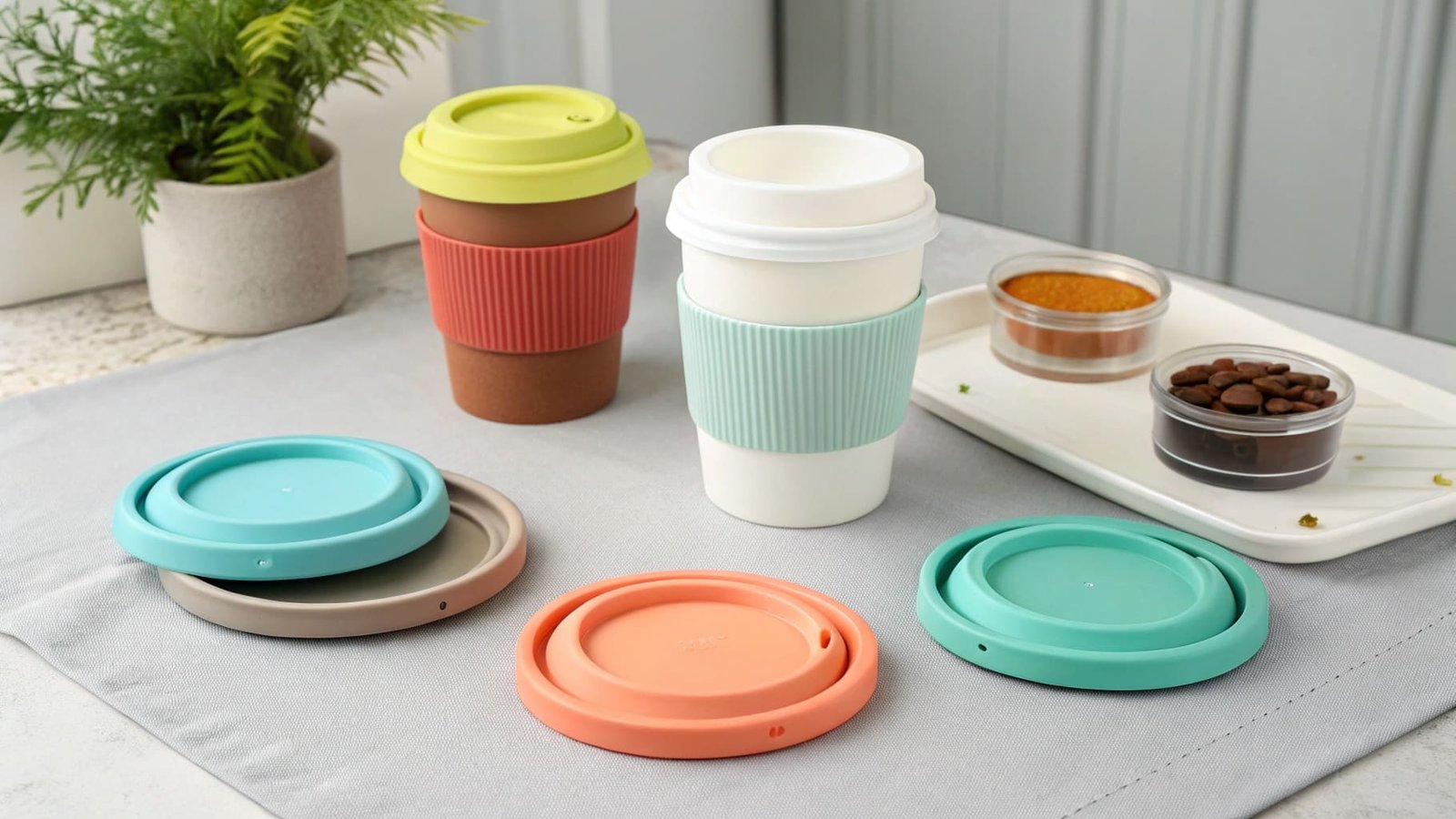
I have worked with buyers from Canada and America for years. Many of them ask me this same question during their first inquiry. The shape you pick affects more than just your unit cost. It changes your entire profit model. Let me share what I have learned from these conversations.
What are silicone lids made of?
You check product listings online. But the material descriptions confuse you. Are all silicone lids the same, or do differences exist?
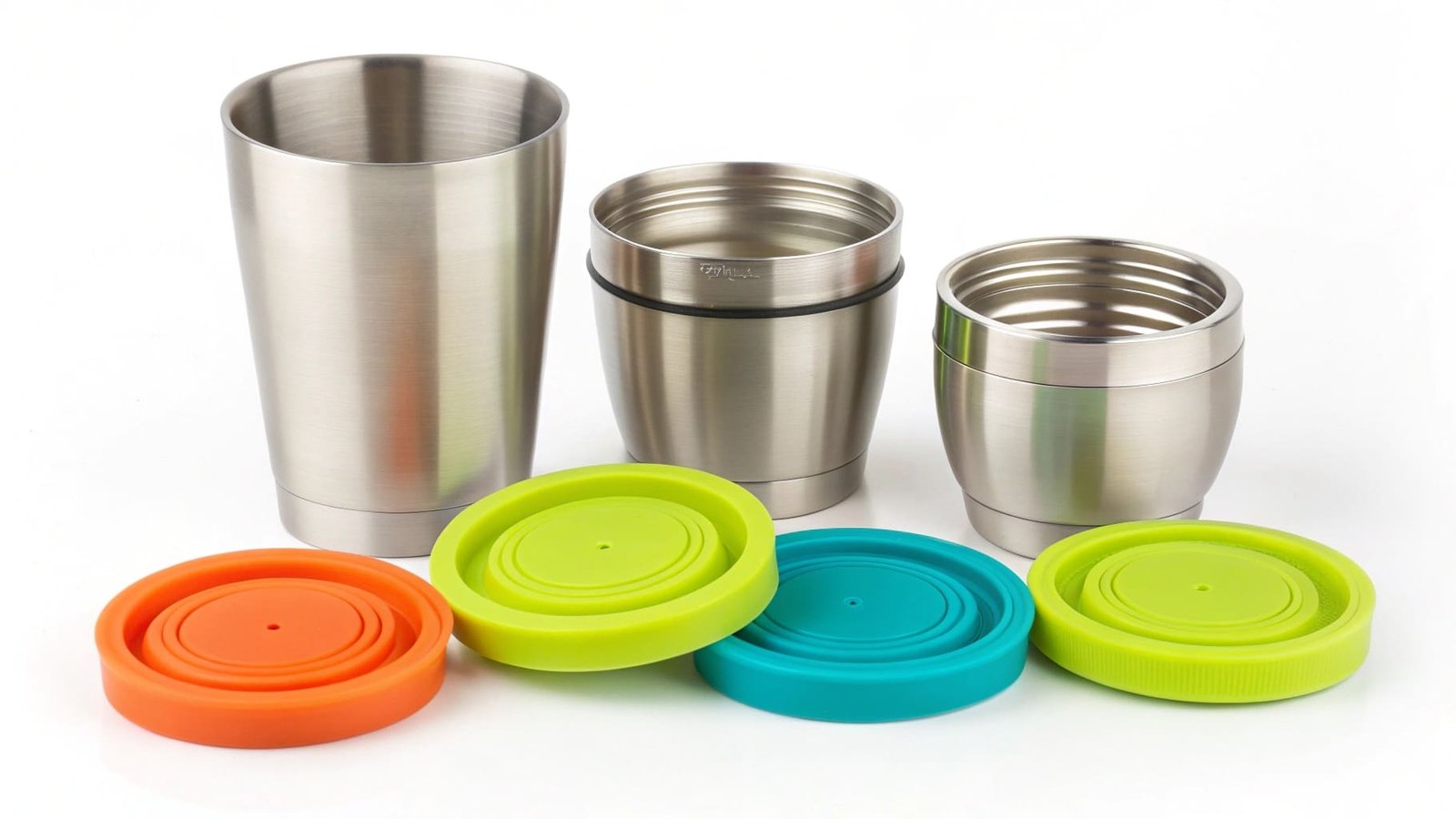
Quality silicone lids use food-grade silicone rubber1. The material comes from platinum-cured or peroxide-cured compounds. Platinum-cured silicone meets FDA and LFGB standards without chemical by-products.
Understanding Silicone Material Types
I remember when Mark, a buyer from Canada, asked me about material certificates. He had a bad experience before. His previous supplier used blended compounds instead of pure silicone. The products failed his quality tests.
The base material in our lids is polydimethylsiloxane. This compound gives silicone its flexibility and temperature resistance. But some factories add fillers to reduce costs. They still call their products "silicone lids2." This creates problems for buyers like you.
| Material Type | Curing Method | Food Safety | Price Level |
|---|---|---|---|
| Platinum-cured Silicone | Platinum catalyst | FDA, LFGB approved | Premium |
| Peroxide-cured Silicone | Chemical peroxide | General food-grade | Standard |
| TPE Blends | Mixed compounds | Varies | Budget |
Why Material Quality Matters for Your Business
You need to verify material purity before placing orders. I always send material safety data sheets to serious buyers. These documents prove what goes into the product. They protect your brand reputation in regulated markets.
Pure silicone resists odors better than blended materials. It also lasts longer under repeated use. Your customers notice these differences. They affect your return rates and repeat purchases.
What is the disadvantage of silicone?
Your customers love silicone products. But you wonder if any downsides exist. Understanding limitations helps you set proper expectations in your market.
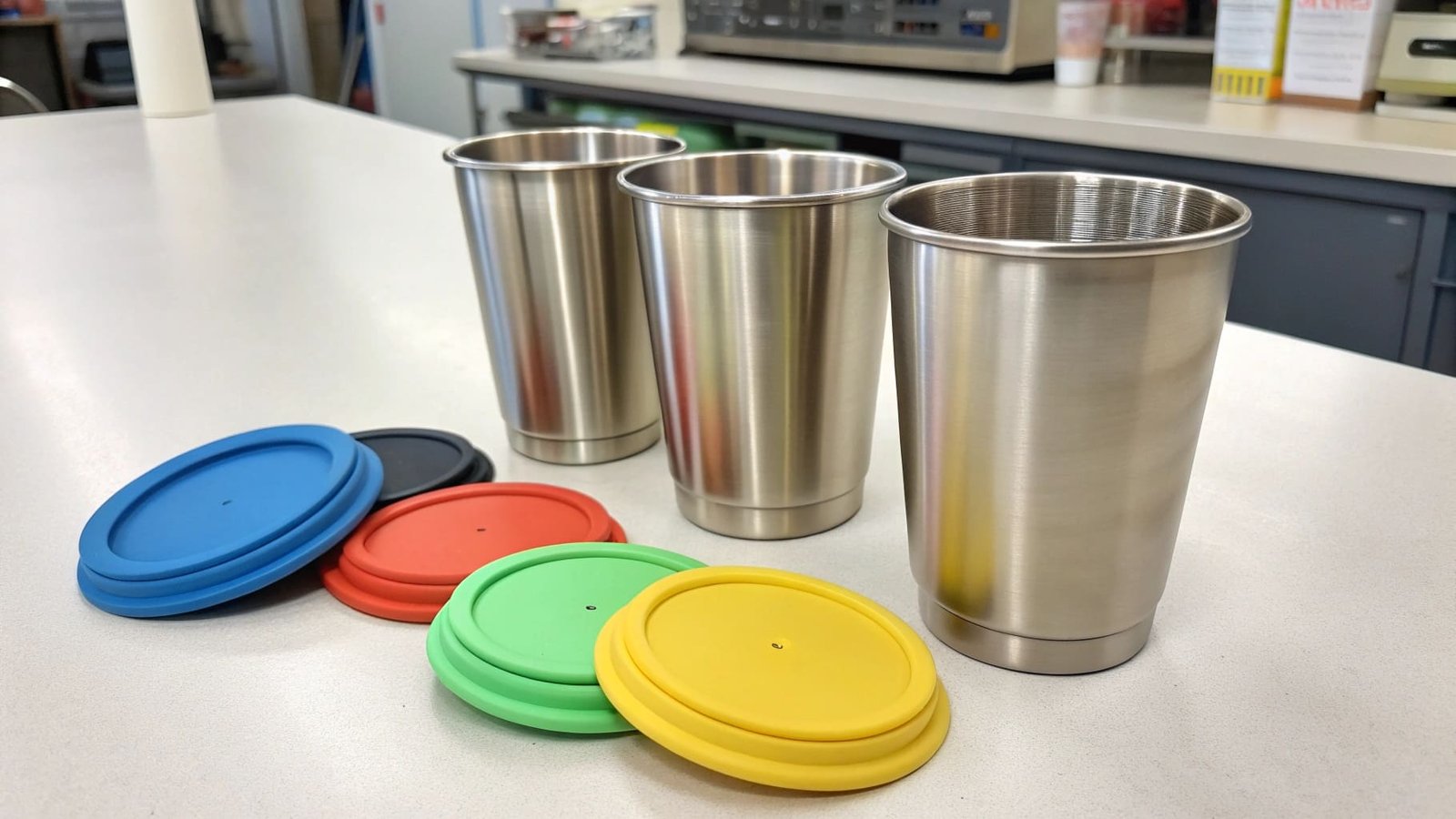
Silicone lids cost 2-4 times more than plastic alternatives. They attract dust due to their slightly tacky surface. The material also has lower rigidity, which affects stackability during shipping and storage.
Cost Implications for Wholesale Buyers
I talk with procurement officers every week. They all want premium products at competitive prices. But silicone material costs more to produce than plastic. This reality affects your pricing strategy.
The higher retail price can be a barrier in price-sensitive segments. I have seen this challenge in markets where consumers prioritize low cost over durability. You need to position silicone lids in the right customer segments. Target buyers who value quality and sustainability.
Practical Challenges You Should Know
Silicone attracts lint and dust particles. This happens because of the material's surface properties. I always recommend proper packaging to maintain product appearance at point of sale. Dust on display items affects perceived quality.
The material also retains odors from strong-smelling foods. Garlic and curry leave traces in lower-quality silicone. Our premium compounds minimize this issue. But you should inform your customers about proper cleaning methods.
| Challenge | Impact on Business | Solution |
|---|---|---|
| Higher Cost | Price resistance | Target premium segments |
| Dust Attraction | Display appearance | Use protective packaging |
| Lower Rigidity | Shipping efficiency | Optimize packaging design |
| Odor Retention | Customer complaints | Use premium compounds |
Recycling and Sustainability Concerns
Recycling infrastructure for silicone remains limited. This matters in European markets where circular economy principles drive purchasing decisions. Your German customers might ask about end-of-life options. You need clear answers ready.
Can you put silicone lids in the microwave?
Your retail partners receive this question from consumers constantly. The answer affects your product positioning and marketing materials.
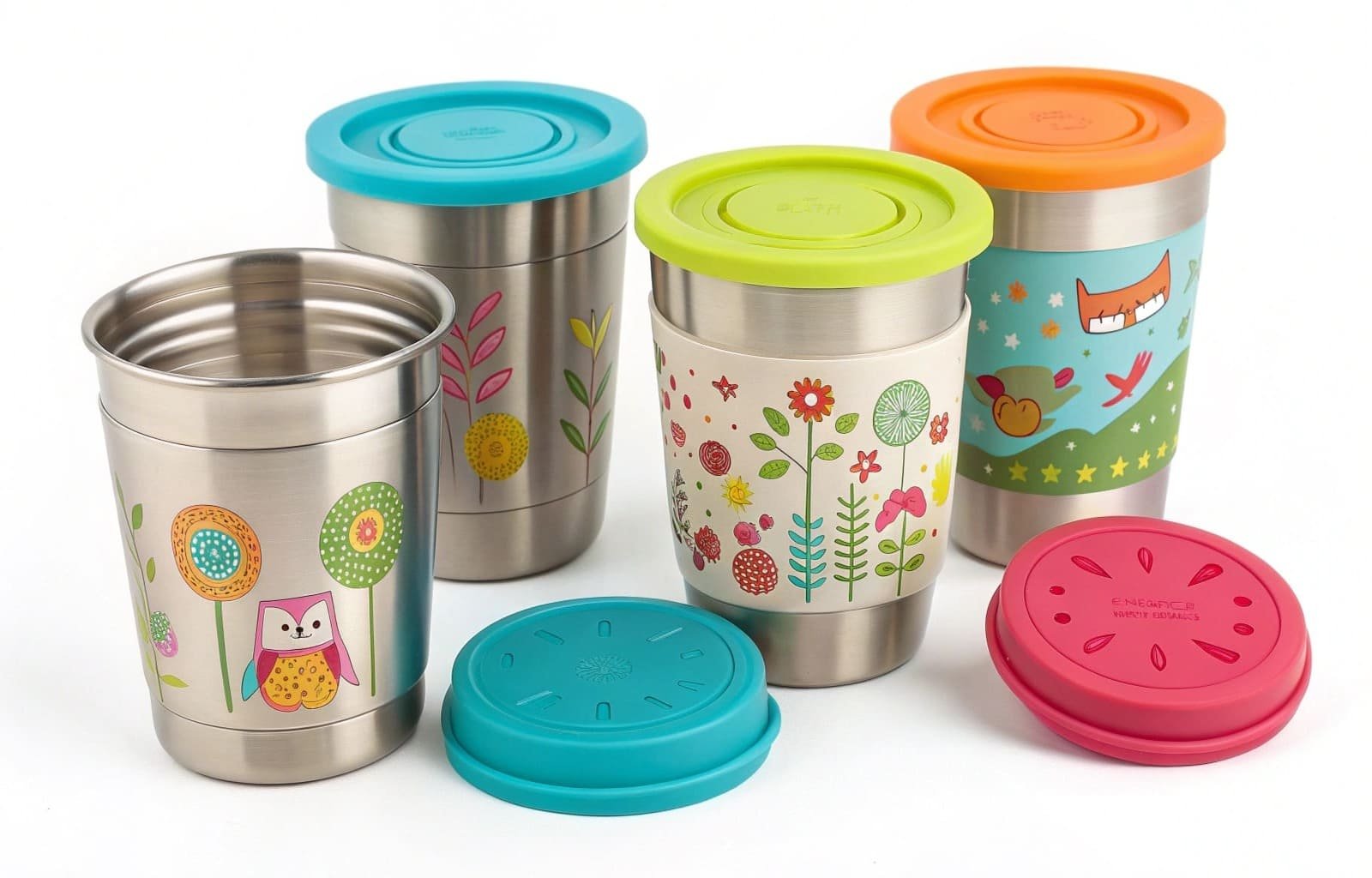
Yes, food-grade silicone lids are microwave-safe. The material stays stable from -40°F to 450°F. But users should place lids loosely on containers to allow steam venting and prevent pressure buildup.
Microwave Safety Testing Standards
I conduct microwave tests on every new product before mass production. This testing protects your brand from liability issues. Lower-quality compounds warp or develop weak spots under repeated heating.
You should request material testing documentation from suppliers. These reports prove microwave stability. They become important when your customers ask technical questions or when you face regulatory reviews.
Consumer Education Reduces Returns
Mark told me about his return rate problem last year. His customers microwaved lids incorrectly. The lids sealed too tightly. Steam pressure damaged some containers. We created simple usage instructions for his packaging. His returns dropped significantly.
| Usage Factor | Correct Method | Why It Matters |
|---|---|---|
| Lid Position | Loosely placed | Allows steam escape |
| Heating Time | Follow food guidelines | Prevents overheating |
| Container Type | Microwave-safe only | Avoids material reactions |
| Cleaning After | Hand wash recommended | Maintains material integrity |
Marketing Advantage for Your Business
Microwave compatibility gives you a strong selling point. This feature resonates with meal prep enthusiasts and busy families. These demographics exist in large numbers across America and Europe.
You can command premium positioning when you highlight multi-functional benefits. Traditional plastic lids melt or warp in microwaves. This creates a clear differentiation point for your silicone products. Your marketing materials should emphasize this advantage prominently.
Conclusion
I have shared what years of wholesale experience taught me about silicone lids. The shape, material, and features you choose affect your profitability and customer satisfaction levels.