How Do Tumbler Silicone Bottoms Protect Skinny 20oz and 30oz Wholesale?
I talked to a Canadian buyer last month. His entire shipment arrived damaged. The powder coating on his 500 tumblers had scratches everywhere. He lost money because customers refused the order.
Tumbler silicone bottoms protect wholesale orders in three ways: they absorb impact during shipping, prevent scratches on the metal surface, and reduce noise in commercial spaces. These protections reduce return rates and extend product life.
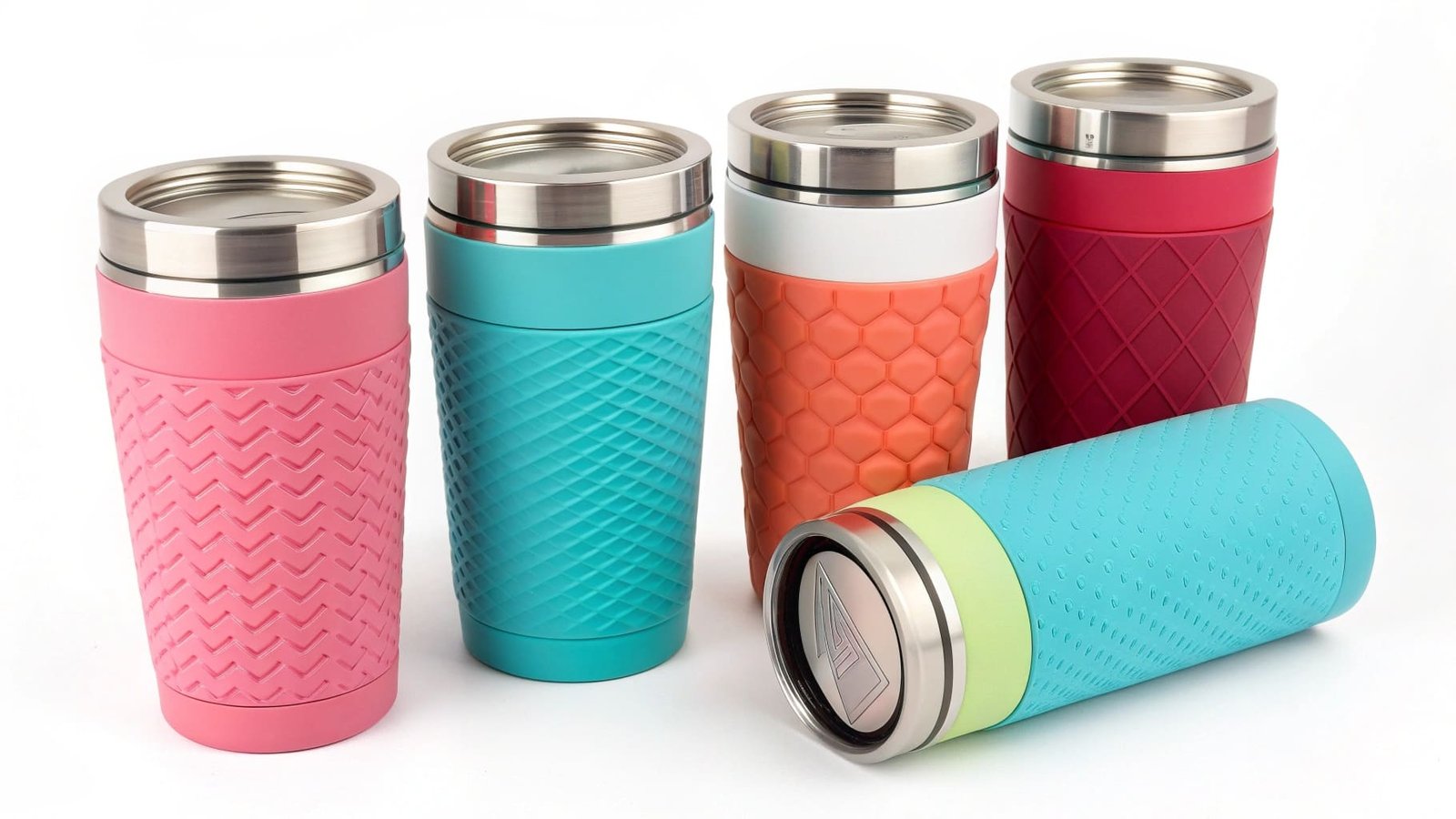
I started silijoy because I saw this problem repeat itself. Buyers order hundreds or thousands of tumblers. The products look perfect when they leave the factory. But something happens during the long journey to America or Europe. The tumblers bang against each other. The bottoms scratch. Customers complain. I knew silicone bottoms could solve this.
Are Silicone Tumblers Safe?
You want to sell products that won't harm your customers. I get that worry. Every buyer I work with asks me about safety first. They need to protect their brand reputation.
Food-grade silicone tumblers are safe when they meet FDA or LFGB standards. The material must be 100% platinum-cured silicone, free from BPA and phthalates. Quality silicone works from -40°F to 446°F without releasing chemicals.
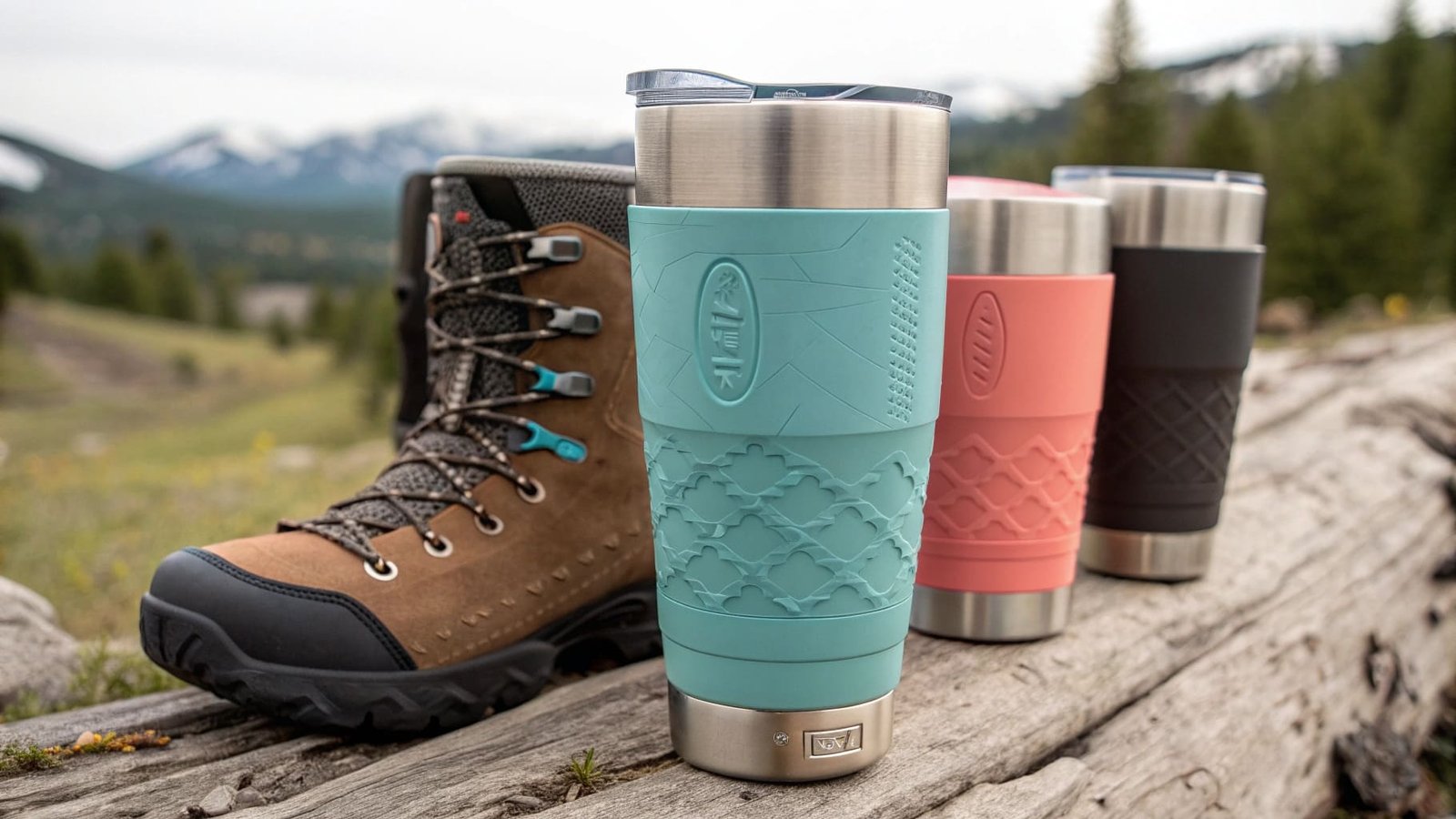
I test every batch of silicone bottoms before shipment. The tests check for harmful substances. I learned this lesson years ago when a supplier tried to sell me cheaper silicone. The lab results showed phthalates in the material. I refused that order immediately.
Your customers in North America and Europe care about health. They read labels. They ask questions. You need certificates that prove your tumblers are safe. I provide FDA certificates1 with every wholesale order. The certificate shows the exact composition of the silicone. It proves the material passed testing.
But certificates alone don't tell the whole story. You need to understand what makes silicone safe. Platinum-cured silicone costs more than peroxide-cured versions. Some suppliers cut costs by using the cheaper option. The problem appears when customers use hot liquids. Lower-quality silicone can release odors or degrade faster.
I only use platinum-cured silicone2 for tumbler bottoms. The material stays stable at extreme temperatures. Your customers can put ice-cold drinks or hot coffee in their tumblers. The silicone bottom won't crack, melt, or release anything harmful. This quality standard protects your business reputation.
| Safety Factor | Standard Requirement | silijoy Standard |
|---|---|---|
| Material Purity | 100% silicone | 100% platinum-cured |
| BPA Content | 0 ppm | 0 ppm |
| Phthalate Content | 0 ppm | 0 ppm |
| Temperature Range | -40°F to 400°F | -40°F to 446°F |
| Certification | FDA or LFGB | Both FDA and LFGB |
What Is the Best Leak Proof Tumbler?
Mark from Canada told me his biggest complaint. Customers return tumblers that leak. He loses money on returns and shipping. His brand reputation suffers. He needed a solution.
The best leak-proof tumblers3 combine three elements: precision silicone gaskets in the lid, proper threading on the tumbler body, and compatible seals between metal and silicone. Pressure testing must verify the leak-proof claim.
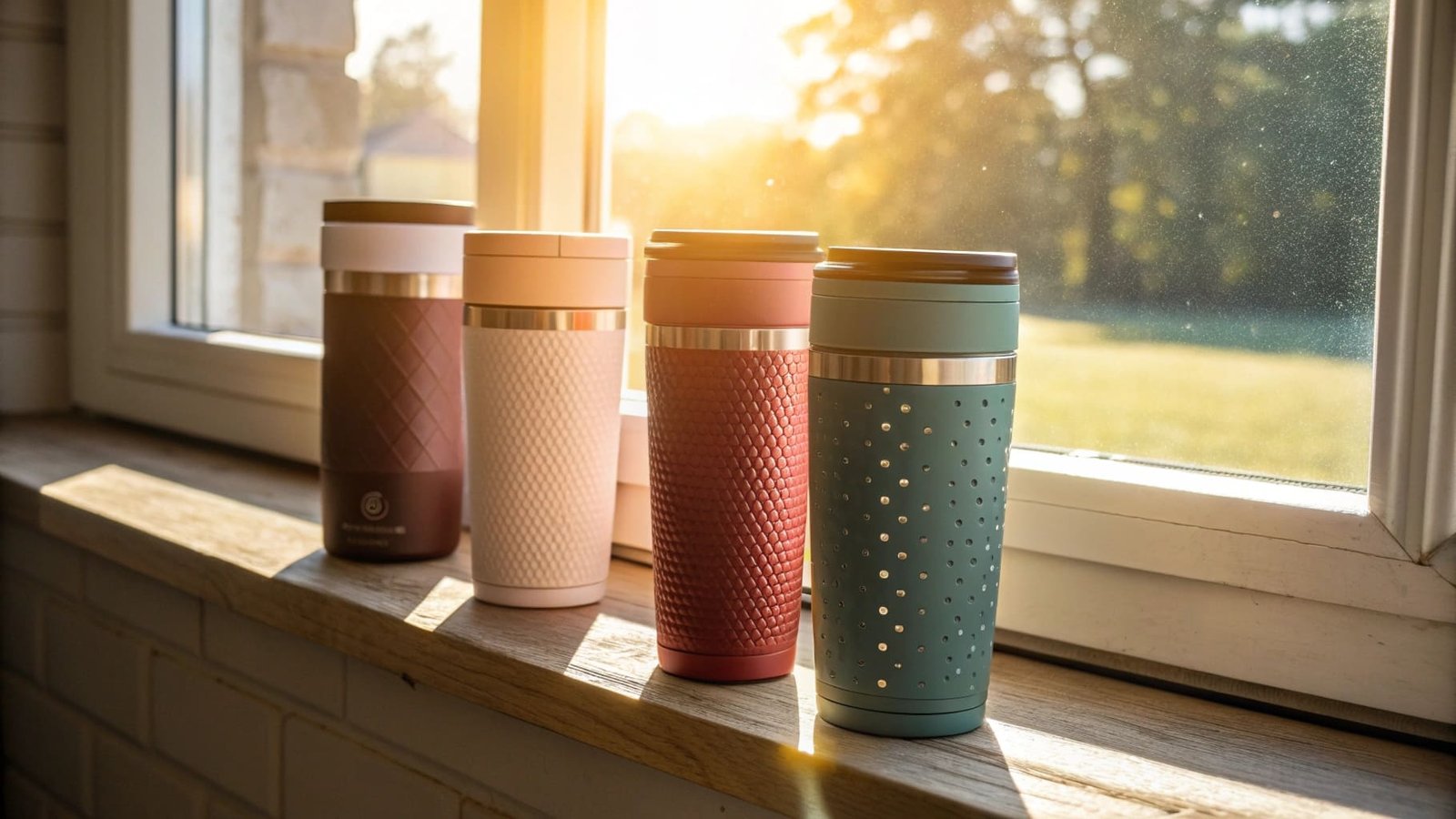
I see many suppliers claim their tumblers never leak. But they don't show test data. When I visit factories, I ask to see their testing process. Many don't have one. They just assume the tumblers work.
At silijoy, I run pressure tests on random samples from every production batch. The test simulates real-world conditions. We fill the tumbler with water. We shake it hard. We turn it upside down. We apply pressure from different angles. Only tumblers that pass all tests get shipped.
The secret to leak-proof performance starts with the silicone gasket in the lid. The gasket must fit perfectly. If the gasket is too thin, water seeps through. If it's too thick, the lid won't close properly. I work with engineers who calculate the exact thickness needed for each tumbler size.
Threading matters more than most buyers realize. The threads on the tumbler body must align perfectly with the lid threads. A small misalignment creates gaps. Water finds those gaps. I inspect the threading on sample tumblers before approving production. The tolerance must be within 0.1mm.
But here's what most people miss: the silicone bottom also helps prevent leaks. Not directly, but indirectly. The bottom grips the surface where you place the tumbler. This grip stops the tumbler from tipping over. Fewer tip-overs mean fewer spills. Your customers appreciate this extra stability.
Dual-seal designs work best for wholesale orders. These tumblers have a silicone gasket in the lid and another seal where the lid meets the body. The double protection gives you insurance. If one seal fails, the second one still works.
What Are the Benefits of Silicone Cups?
I remember my first big order. The buyer wanted 2,000 tumblers with silicone bottoms. He asked me why silicone was better than rubber or plastic. I showed him a simple test.
Silicone components offer three main benefits for wholesale: they last through thousands of uses without breaking down, they clean easily for hygiene in commercial settings, and they allow color customization4 to match brand identities.
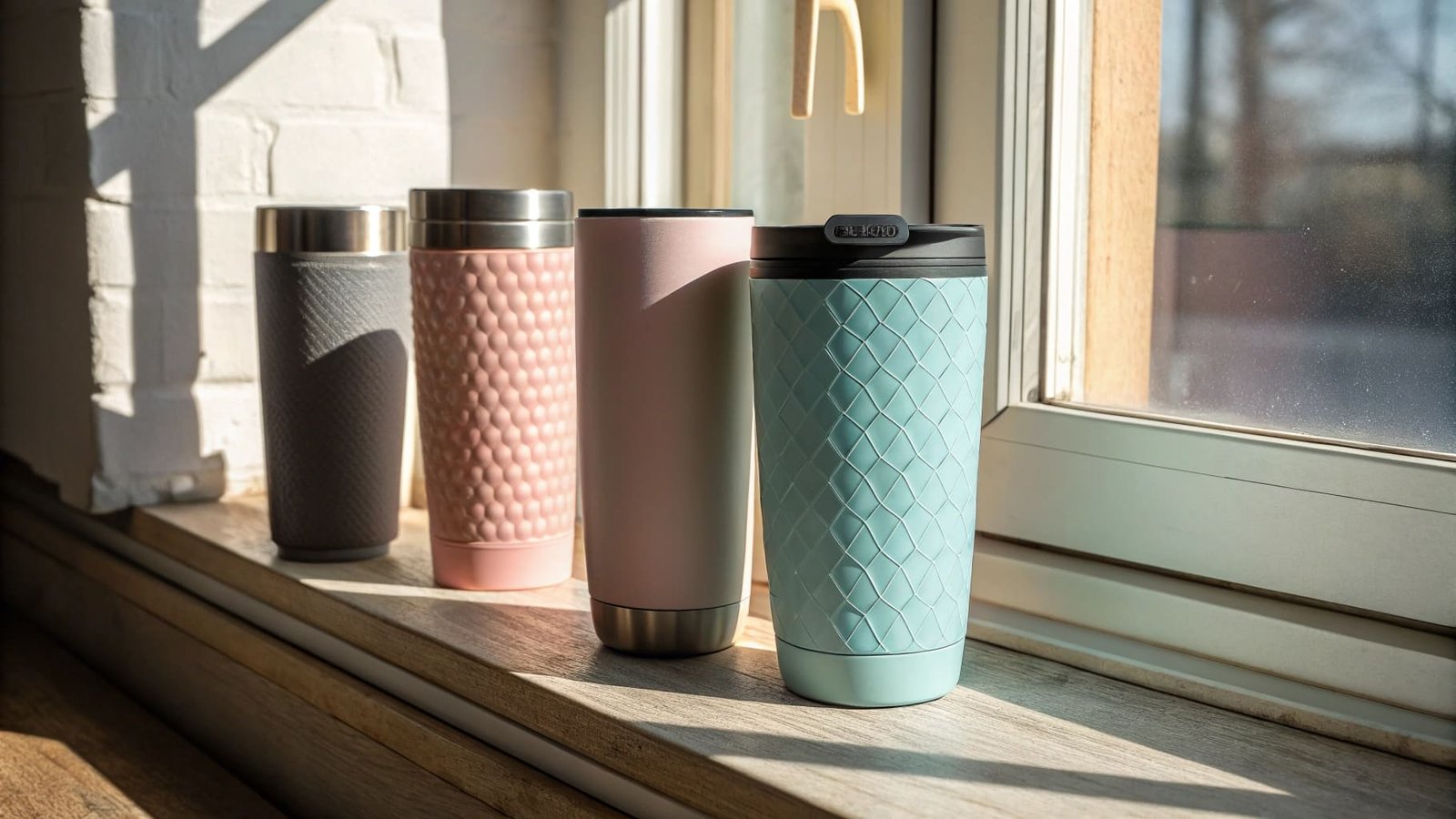
Durability drives value in the wholesale business. You buy large quantities. You need products that last. Your customers need products that survive daily use. Silicone bottoms don't crack like plastic. They don't harden like rubber. They stay flexible year after year.
I tested this myself. I took a tumbler with a silicone bottom. I dropped it 100 times on concrete. The silicone absorbed every impact. The tumbler had no damage. Then I did the same test with a plastic bottom. It cracked after 20 drops. This difference matters when you ship thousands of tumblers across oceans.
Cleaning matters in commercial environments. Offices, cafes, and gyms need products that stay hygienic. Silicone doesn't absorb odors. It doesn't stain. Your customers can wash it in a dishwasher. The material comes out looking new. This easy maintenance reduces complaints and returns.
Color customization gives you a competitive edge. I can match silicone bottoms to your brand colors. Want navy blue bottoms for a corporate order? I can do that. Need pink bottoms for a promotional campaign? No problem. The color stays vibrant. It doesn't fade with washing or sun exposure.
The math works in your favor. Silicone bottoms cost slightly more than basic rubber. But they prevent damage during shipping. One prevented scratch saves you from a customer complaint. Ten prevented scratches cover the extra cost. One hundred prevented scratches increase your profit margin.
Return rates tell the real story. Buyers who use quality silicone bottoms report return rates below 2%. Buyers who skip this protection see returns above 8%. That 6% difference translates to real money on a 1,000-piece order.
Your customers notice quality details. They feel the silicone bottom when they pick up the tumbler. They hear the quiet sound when they set it down. These small details create a premium impression. You can charge higher prices for products that feel more valuable.
Conclusion
Silicone tumbler bottoms protect your wholesale investment through impact absorption, surface protection, and enhanced stability. These functional benefits reduce returns and increase customer satisfaction in competitive markets.
-
Learn about the role of FDA certifications in ensuring product safety and consumer trust. ↩
-
Explore the benefits of platinum-cured silicone for durability and safety in products. ↩
-
Discover the essential elements that contribute to the leak-proof design of tumblers. ↩
-
Find out how color customization can enhance brand identity and customer appeal. ↩