How Does UTA Rapid Work in Hydration System Manufacturing for OEM Clients?
Finding the right manufacturing partner for hydration products is hard. One wrong choice costs you time, money, and your peak sales season. Here is what you need to know.
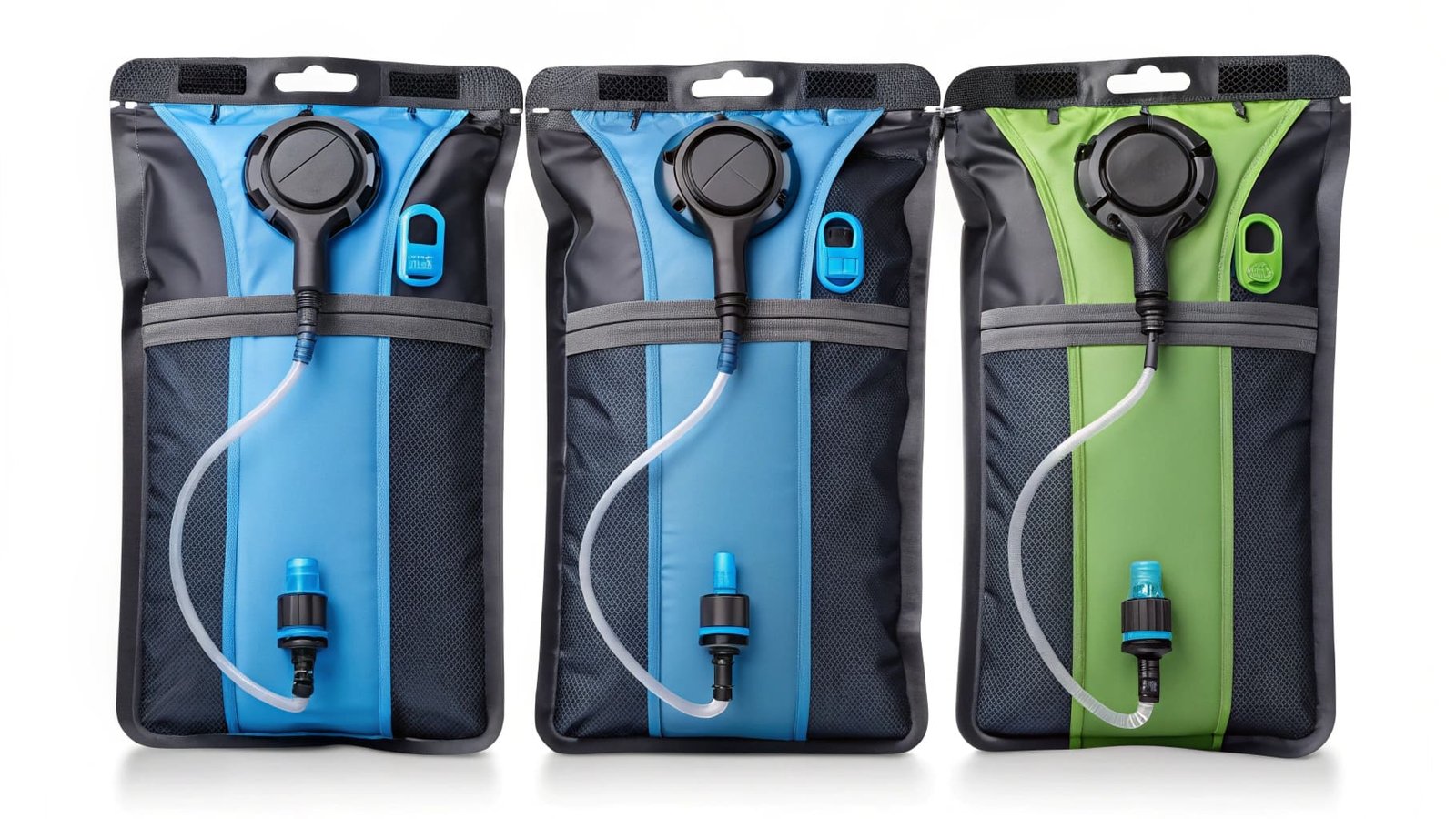
UTA Rapid works in hydration system manufacturing by combining fast silicone molding, automated assembly, and strict quality checks. OEM clients get finished products in weeks, not months. This speed comes from pre-built tooling systems, dedicated production lines, and direct material sourcing that cuts delays at every step1.
Most buyers I talk to come to me after a bad experience. A supplier missed a deadline. A certificate turned out to be fake. A shipment arrived with the wrong parts. These problems are common in this industry, and they all trace back to one thing: choosing a manufacturer who was not ready for OEM work at scale. The good news is that the right manufacturers do exist. You just need to know what to look for, and that starts with understanding how the best operations in this space actually work.
Where Are CamelBak Water Bottles Manufactured?
CamelBak built its name in America, but where the bottles are actually made is a different story. If you have ever tried to find a straight answer, you already know how frustrating this can be.
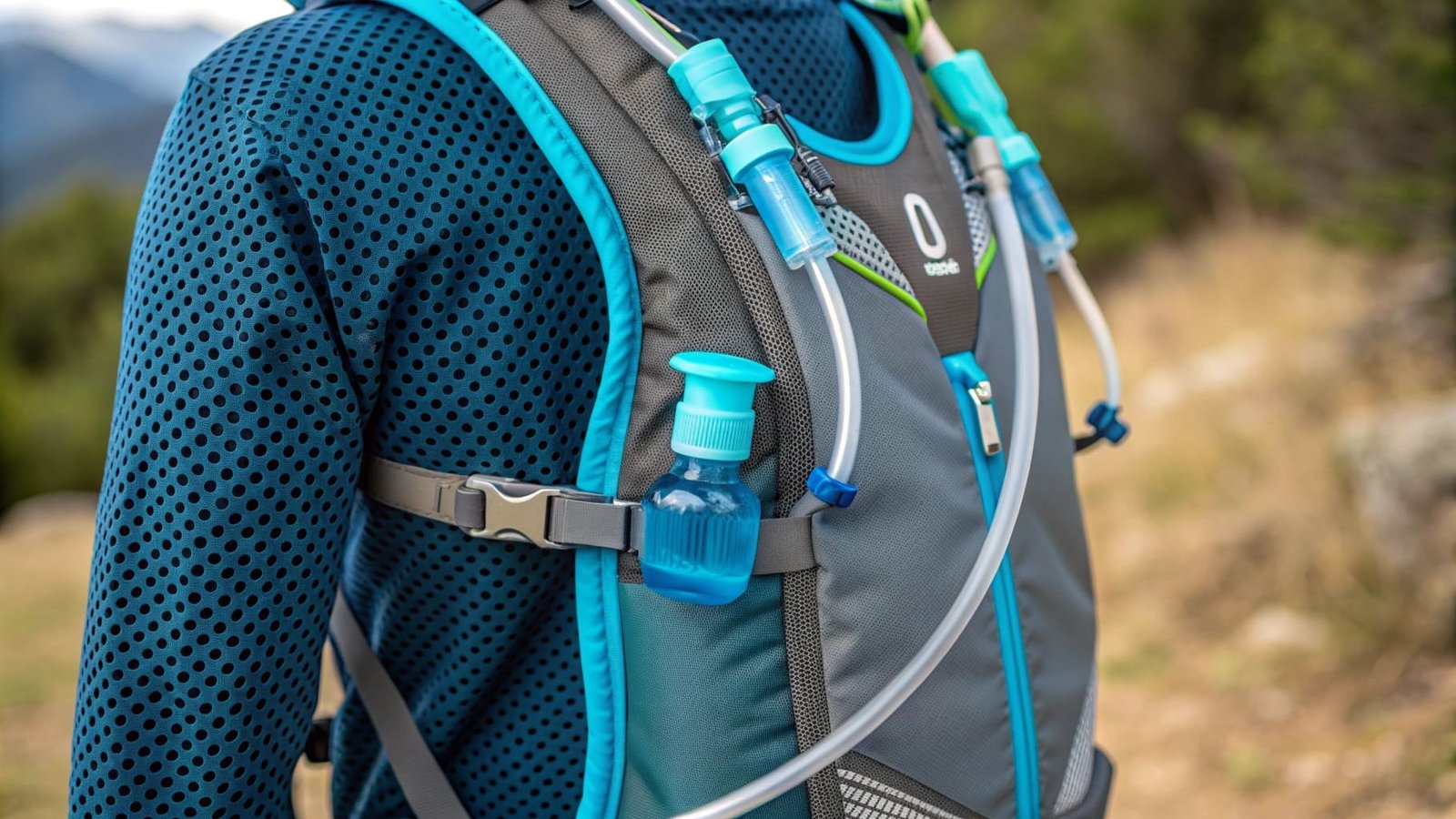
CamelBak water bottles are primarily manufactured in Asia, with key production happening in China2. The brand keeps its design and engineering team in the United States, but physical production is handled by specialized manufacturers in regions with advanced silicone and plastic molding capabilities.
Why Did CamelBak Move Production to Asia?
This decision was not about cutting corners. It was about matching production capability to product demand. I have seen this pattern repeat across dozens of brands I have worked with.
Asia, and China in particular, built deep manufacturing infrastructure around silicone and TPU processing over several decades3. The tooling is precise. The labor is skilled in this specific type of work. The supply chains for raw materials are short and reliable. A brand like CamelBak needs to produce millions of units per year at consistent quality. That scale is simply easier to achieve in regions where this kind of manufacturing has been refined over time.
The hybrid model CamelBak uses is now the standard approach for serious hydration brands4. Here is how it breaks down:
| Function | Location | Purpose |
|---|---|---|
| Product Design | United States | Brand identity, innovation, consumer research |
| Engineering & Testing | United States | Performance standards, safety compliance |
| Tooling & Molds | China | Cost efficiency, precision manufacturing |
| Mass Production | China | Volume output, assembly, quality control |
| Branding & Distribution | United States / Global | Market positioning, retail partnerships |
This split allows CamelBak to keep control over what makes the product valuable — the design and the standards — while letting specialized manufacturers handle the physical production. For B2B buyers sourcing from China, this is useful context. It tells you that working with Chinese manufacturers is not a compromise. It is what the biggest brands in the world actually do.
What Is a HydraPak?
HydraPak is a name that comes up constantly in hydration industry conversations. But most buyers I meet are not completely sure what the company actually is or does.
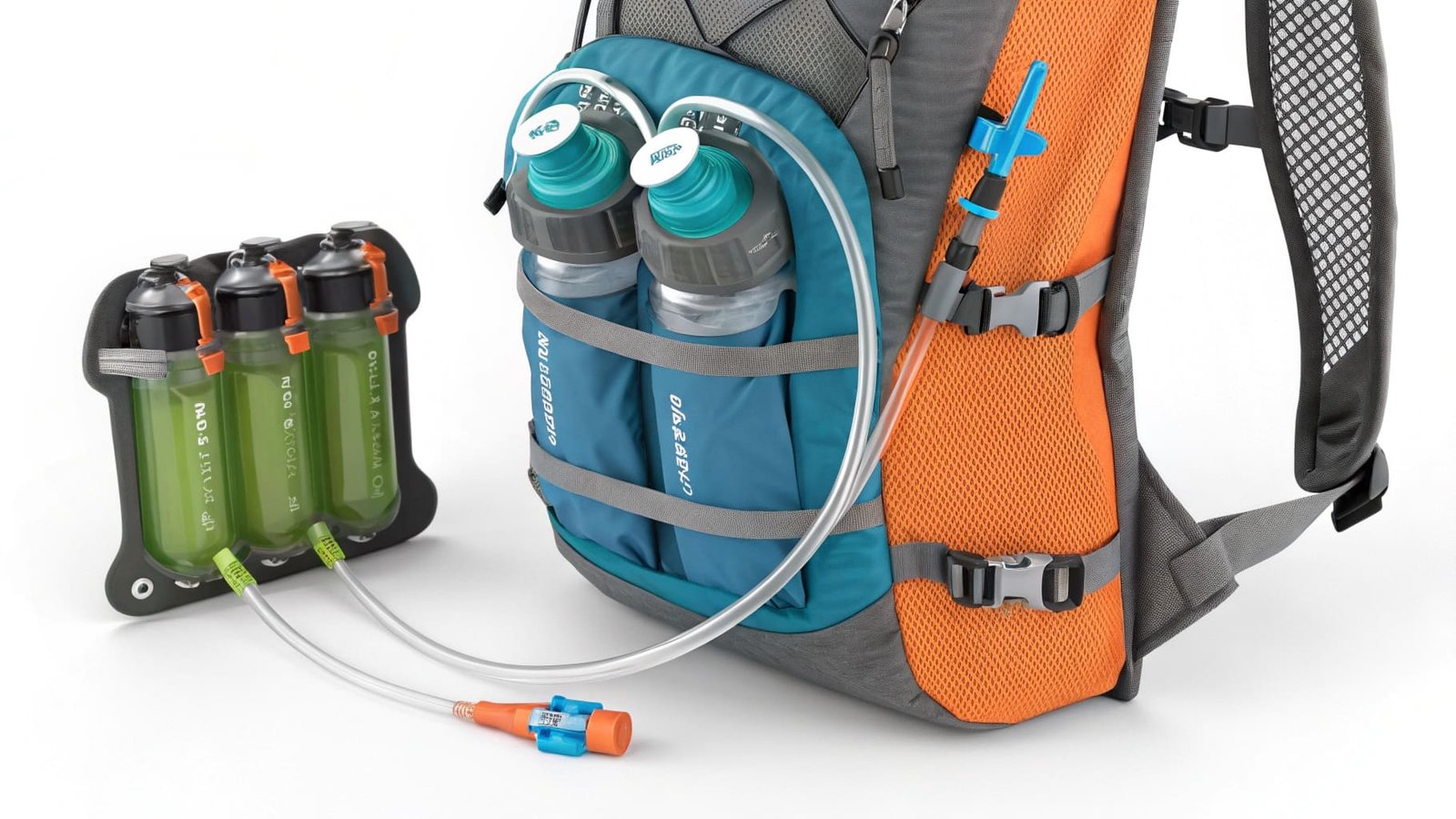
HydraPak is both a consumer hydration brand and an OEM manufacturer5. It produces its own line of water reservoirs, bottles, and soft flasks. At the same time, it supplies white-label components and finished goods to other brands that want to sell hydration products under their own name.
How Does the HydraPak Dual Model Work for OEM Buyers?
This is where it gets interesting for anyone looking at OEM manufacturing seriously. HydraPak is not just a factory. It is a company that has learned how to build products people actually want to buy, because it sells those products itself. That experience changes the quality of the OEM work it offers.
When a company runs both its own brand and an OEM operation, it has skin in the game. The same production line that makes HydraPak-branded reservoirs also makes products for partner brands. The company cannot afford to let standards drop, because any quality failure would hurt its own brand too.
Here is what this model means in practical terms for an OEM client:
| OEM Benefit | What It Means in Practice |
|---|---|
| Higher baseline quality | The manufacturer sets its own quality bar before you even ask |
| Proven tooling | Molds and fixtures are already tested and refined |
| Faster development | Existing product architectures can be adapted for your spec |
| Real-world testing data | The manufacturer knows how the product performs in actual use |
| Compliance documentation | Certifications are maintained for ongoing production, not just samples |
I have found that manufacturers with their own product lines tend to be easier to work with on certification questions. They already know what FDA and LFGB compliance looks like in practice. They are not guessing. For buyers like you who have been burned by certificate fraud before, this distinction matters a lot.
Where Are CamelBak Products Manufactured?
Water bottles are one product. But CamelBak also makes hydration reservoirs, bite valves, hoses, and connectors. Where does all of that come from?
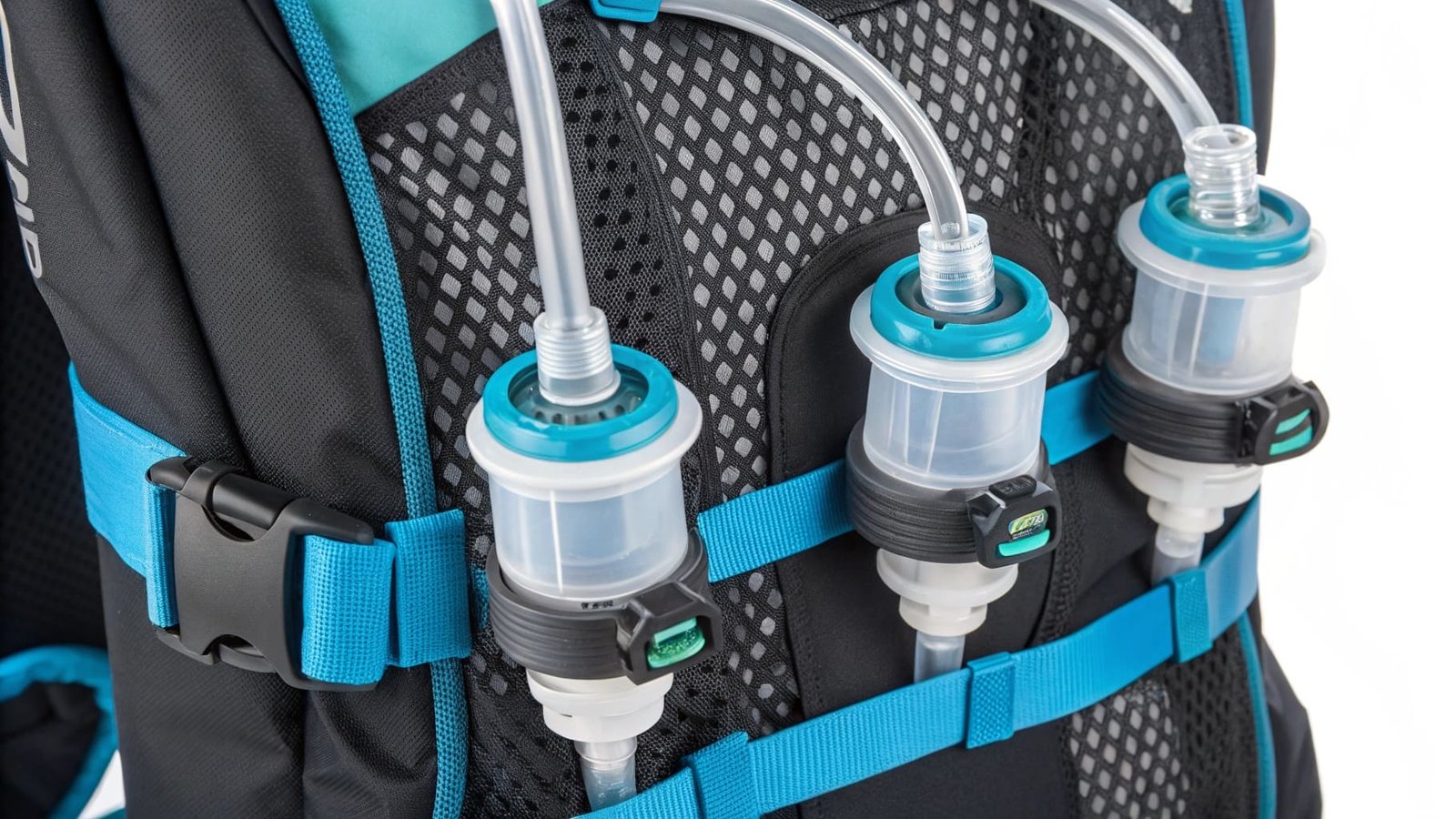
CamelBak products are manufactured across multiple facilities in Asia, with China as the primary hub. Different product categories may involve different factories, but all production is held to the same quality and safety standards set by CamelBak's engineering team in the United States.
What Does Multi-Facility Manufacturing Mean for OEM Buyers?
When a brand like CamelBak sources from multiple factories for different product types, it is using a category-specific sourcing strategy. This is a smart approach, and it is one that experienced B2B buyers should understand for their own sourcing work.
Not every factory is good at everything. A factory that excels at silicone molding for bite valves and connector parts may not be the best choice for assembling full hydration reservoirs. CamelBak's approach of matching product type to factory capability is why the quality stays consistent across a wide product range.
For OEM buyers, this has a direct implication. When you are sourcing silicone components — tumbler boots, lid gaskets, bite valves, or hydration bladder connectors — you want a supplier who has built their entire operation around that specific product family. A generalist factory will always struggle to match the quality and speed of a specialist6.
Here is a breakdown of how product-to-factory matching works in hydration component sourcing:
| Product Type | Key Manufacturing Requirement | What to Look For in a Supplier |
|---|---|---|
| Silicone bite valves | Precise thin-wall molding, food-grade silicone | FDA/LFGB certification, short-run flexibility |
| Hydration reservoir bladders | Welding or bonding of TPU film, leak testing | Automated seam testing, pressure test records |
| Silicone connectors and fittings | Dimensional accuracy, chemical resistance | Tight tolerance specs, batch consistency data |
| Tumbler boots and sleeves | Soft silicone formulation, color consistency | Shore hardness control, color matching system |
| O-rings and gaskets | Compression set performance, long-term sealing | Material traceability, ASTM or ISO test compliance |
The reason I bring this up is that many buyers come to me asking for a single supplier who can do everything. That is understandable. Managing fewer suppliers is simpler. But the better question to ask is whether the supplier you are considering has deep expertise in the specific component you need. A supplier who focuses on silicone accessories for drinkware and hydration systems will always outperform a generalist on quality, lead time, and problem-solving when something goes wrong.
Conclusion
The best hydration system manufacturers combine fast production, proven quality systems, and real OEM experience. Knowing where leading brands source helps you make smarter choices for your own supply chain.
-
"Why Focusing on Lead Time—Not Just Efficiency—Drives Success", https://interpro.wisc.edu/lead-time-drives-manufacturing-success/. Operations-management research describes how tooling readiness, focused production resources, and tighter supplier integration can reduce manufacturing lead time and schedule variability. Evidence role: mechanism; source type: paper. Supports: Dedicated lines, tooling readiness, and supply-chain integration can reduce waiting time and production delays.. Scope note: The support would be mechanistic and general rather than proof that these practices are used by the named manufacturer. ↩
-
"Manufacturing Process | Hydration Packs - U.OSU", https://u.osu.edu/hydrationpacks/manufacturing-process/. Public trade or customs records can substantiate that CamelBak-branded hydration products have been imported from Asian manufacturing locations, including China. Evidence role: case_reference; source type: government. Supports: Public import or customs records can show shipments of CamelBak-branded products from Asian manufacturing locations, including China.. Scope note: Import records may demonstrate sourcing examples but may not establish that all current CamelBak water-bottle models are primarily manufactured there. ↩
-
"Strategies for Natural Rubber Production and Development in China", https://ageconsearch.umn.edu/record/265343/?ln=en. International industrial statistics and trade reports document the expansion of China's plastics, rubber, and polymer-processing sectors, providing context for its role in silicone and TPU manufacturing. Evidence role: historical_context; source type: institution. Supports: China and other Asian economies have developed large-scale polymer, plastics, and rubber-processing manufacturing capacity.. Scope note: Broad industrial data may support the regional manufacturing context without addressing hydration products specifically. ↩
-
"How Global Value Chains Are Transforming Manufacturing – IMF F&D", https://www.imf.org/en/publications/fandd/issues/2019/06/global-value-chains-transforming-manufacturing-dollar. Global value-chain scholarship supports the contextual claim that consumer-product firms often retain design, branding, and engineering functions while outsourcing or contracting mass production in Asia. Evidence role: expert_consensus; source type: paper. Supports: Global value-chain research describes the common separation of brand design and engineering functions from overseas manufacturing in consumer-goods industries.. Scope note: The evidence would support the broader business model, not prove that it is universal or specific to every serious hydration brand. ↩
-
"HydraPak | Performance Hydration Reservoirs, Soft Flasks & Bottles", https://www.hydrapak.com/?srsltid=AfmBOorrgAnmyQsfMzZubQMZHL3HXAhOM-kf-8VE5gpZodJv8LQ2E0se. A company profile or official business description can substantiate that HydraPak operates as both a branded hydration-products company and a supplier of OEM hydration systems. Evidence role: definition; source type: institution. Supports: HydraPak sells branded hydration products and provides manufacturing or OEM services.. ↩
-
"Why Focusing on Lead Time—Not Just Efficiency—Drives Success", https://interpro.wisc.edu/lead-time-drives-manufacturing-success/. Operations-management research on focused factories and manufacturing specialization supports the contextual claim that concentrating on narrower product families can improve quality control, delivery speed, and process learning. Evidence role: expert_consensus; source type: paper. Supports: Manufacturing specialization and focused-factory strategies can improve operational performance in selected contexts.. Scope note: The literature supports a tendency under suitable conditions, not the article's absolute statement that a generalist will always underperform. ↩