How Effective Are Silicone Stretch Lids for Bulk Food Storage Solutions?
Bulk food storage challenges cost businesses thousands annually. Poor sealing leads to waste, contamination risks increase, and single-use plastics damage brand reputation. I found a solution that addresses all three problems.
Silicone stretch lids are highly effective for bulk food storage. They create airtight seals, last 3-5 years, and reduce plastic waste by up to 90%. These lids fit multiple container sizes and withstand temperatures from -40°C to 230°C.
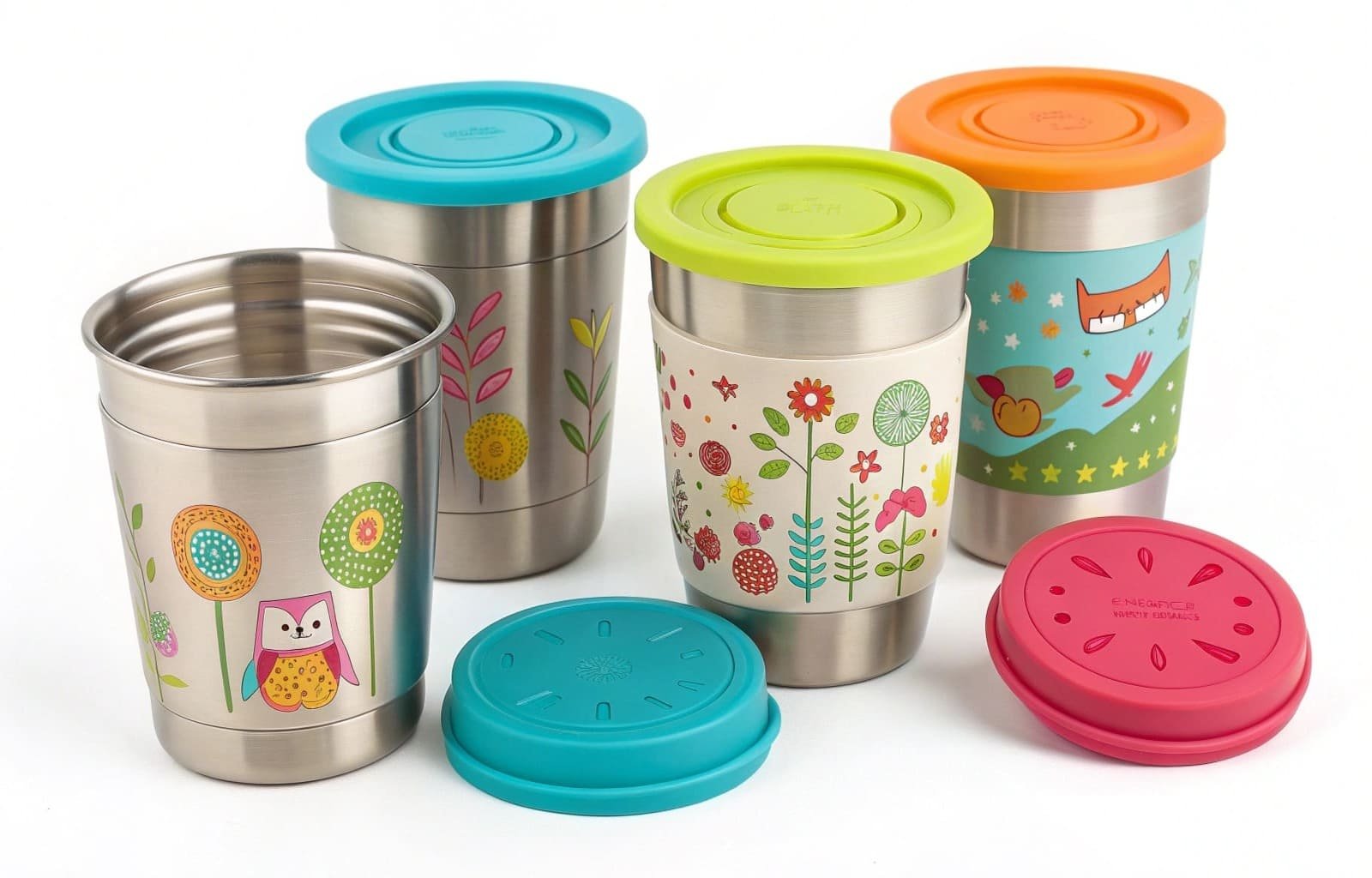
I started selling silicone products seven years ago. Back then, most Canadian buyers like Mark asked about plastic alternatives. Now they specifically request silicone stretch lids. The market shift happened faster than I expected. Let me share what I learned through hundreds of B2B transactions.
What are the benefits of silicone lids?
Food service operators struggle with rising operational costs. Disposable covers pile up in landfills, customers demand eco-friendly solutions, and profit margins shrink. Silicone lids solve these problems while improving food preservation.
Silicone stretch lids offer reusability for 3-5 years, create airtight seals that reduce food spoilage by 40%, and eliminate single-use plastic costs. They fit various container sizes and withstand commercial dishwasher temperatures up to 230°C.
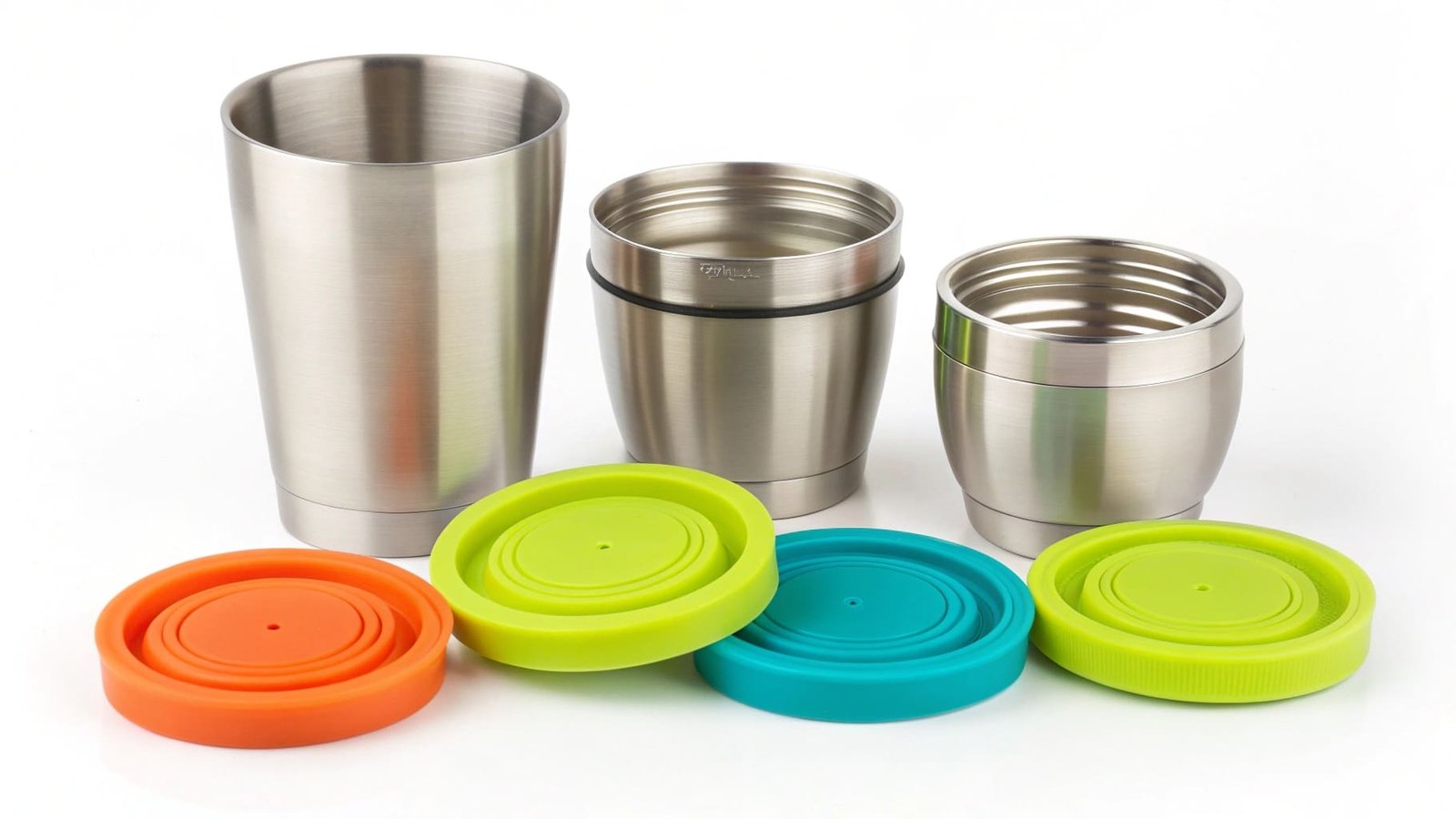
I remember my first large order from a restaurant chain in Toronto. They calculated their annual plastic wrap cost at $8,000. After switching to silicone lids, they recovered the investment in 14 months. The lids paid for themselves through eliminated plastic purchases.
The stackable design matters more than buyers realize. Commercial kitchens have limited storage space. These lids nest together and take up minimal room. One client told me they freed up an entire shelf by switching from bulky plastic containers to silicone lids on existing bowls.
Temperature resistance changes everything for food distribution centers. The same lid goes from freezer to microwave without cracking. I tested this myself by putting a lid through 50 freeze-thaw cycles. It maintained the same stretch and seal quality as day one.
The airtight seal extends food life significantly. Fresh herbs stay vibrant for two weeks instead of three days. Prepared meals maintain moisture and flavor longer. Restaurants report less food waste, which directly improves their bottom line.
Here is what buyers gain:
| Benefit | Business Impact | Typical ROI Timeline |
|---|---|---|
| Reusability | Eliminates recurring plastic costs | 12-18 months |
| Temperature Range | Reduces container inventory needs | Immediate |
| Universal Fit | Works across multiple container types | Immediate |
| Airtight Seal | Reduces food spoilage | 1-3 months |
| Stackable Design | Frees storage space | Immediate |
The sustainability angle drives sales in Europe and North America. Regulations tighten every year. Companies that switch early gain competitive advantage. They market themselves as environmentally responsible before competitors catch up.
What are the negatives of silicone?
Every product has limitations. Buyers who understand these upfront avoid customer complaints later. I learned this lesson the hard way when a client expected miracles from basic-grade silicone.
Silicone stretch lids1 cost 3-5 times more than disposable alternatives initially. They absorb strong odors from foods like garlic and curry. Lower-grade materials may contain fillers that compromise durability and food safety standards.
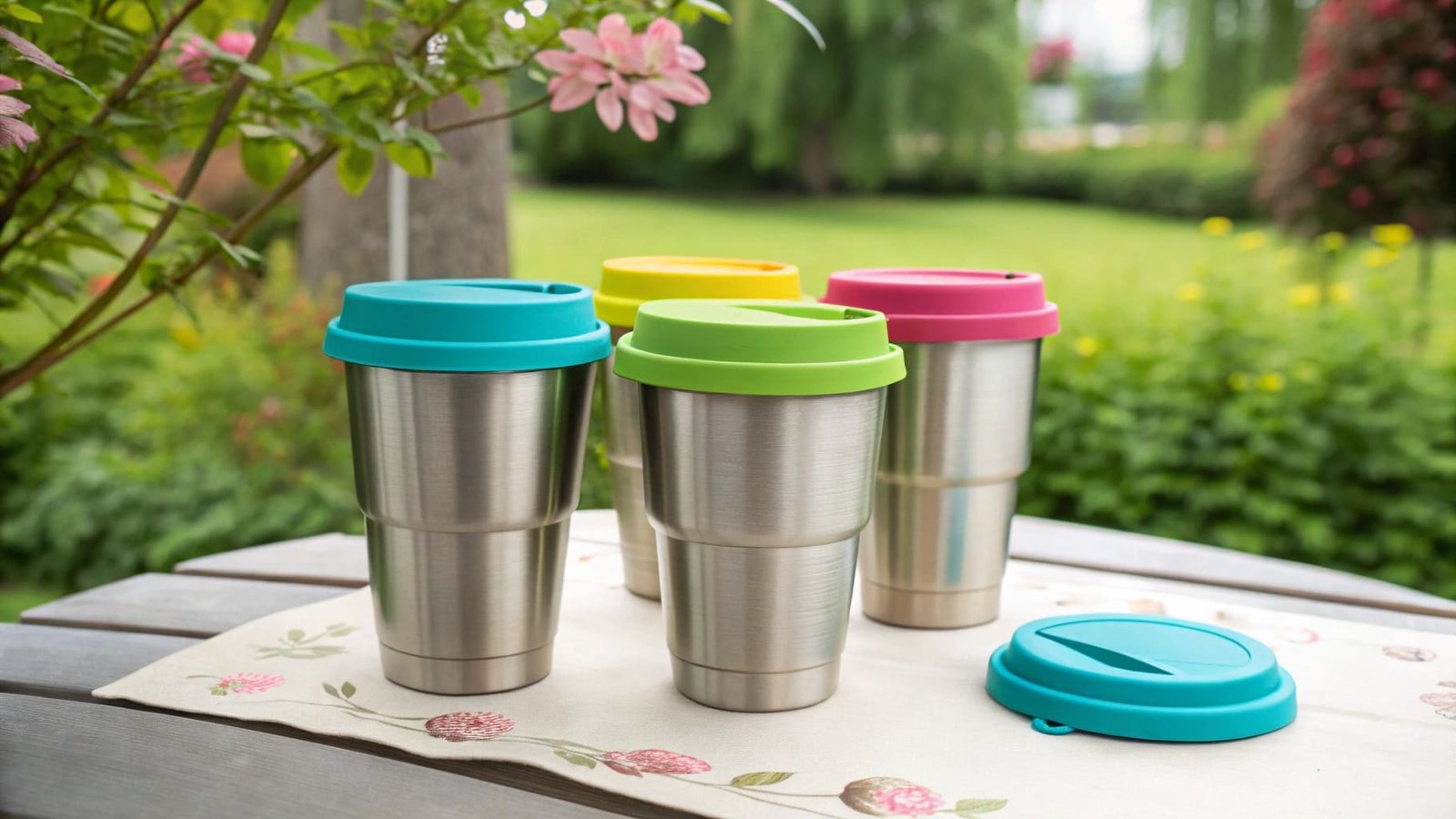
The upfront cost shocks new buyers. A set of quality silicone lids costs $15-30 wholesale. Plastic wrap costs $5 for hundreds of uses. The math seems simple until you calculate long-term expenses. I always show clients a 24-month comparison. The silicone investment pays off, but they need patience.
Odor absorption frustrates commercial kitchens. I had a catering company return lids after using them with curry dishes. The smell transferred to pastries stored later. Now I recommend dedicated lid sets for different food categories. Color-coding helps staff avoid cross-contamination.
The stretch mechanism has physical limits. Lids rated for 12-inch bowls will fail on 14-inch containers. The silicone stretches beyond its elastic limit and never fully recovers. I saw this happen when a client tried using small lids on oversized mixing bowls. The seals failed within weeks.
Quality varies dramatically between suppliers. Some manufacturers add fillers to reduce costs. These lids feel slightly rough, tear easily, and may not meet food-grade certifications. I test every batch before shipping because Mark and other buyers depend on consistent quality.
Dust and lint stick to silicone surfaces. This drives warehouse managers crazy. The lids arrive clean but collect particles during storage. We solved this by vacuum-sealing packages. The extra step adds cost but prevents customer complaints.
Temperature limits exist despite marketing claims. Cheap silicone degrades above 200°C. The material becomes sticky and loses shape. Premium food-grade silicone handles 230°C safely. I always verify temperature ratings with lab certificates before bulk orders.
Here are the real limitations:
| Challenge | Impact Level | Mitigation Strategy |
|---|---|---|
| Higher Initial Cost | Medium | Show long-term ROI calculations |
| Odor Absorption | Low-Medium | Recommend multiple sets by food type |
| Elasticity Loss | Medium | Proper size selection crucial |
| Quality Variations | High | Request material certifications |
| Dust Attraction | Low | Vacuum-sealed packaging |
How to clean silicone stretch lids?
Maintenance instructions directly impact customer satisfaction. Products fail when users clean them incorrectly. I include care cards with every shipment after learning this lesson from returned inventory.
Wash silicone stretch lids with warm soapy water and air dry. They tolerate dishwasher temperatures up to 230°C for commercial sanitization. Avoid abrasive scrubbers that create scratches where bacteria hide. Monthly deep cleaning with baking soda removes stubborn odors.
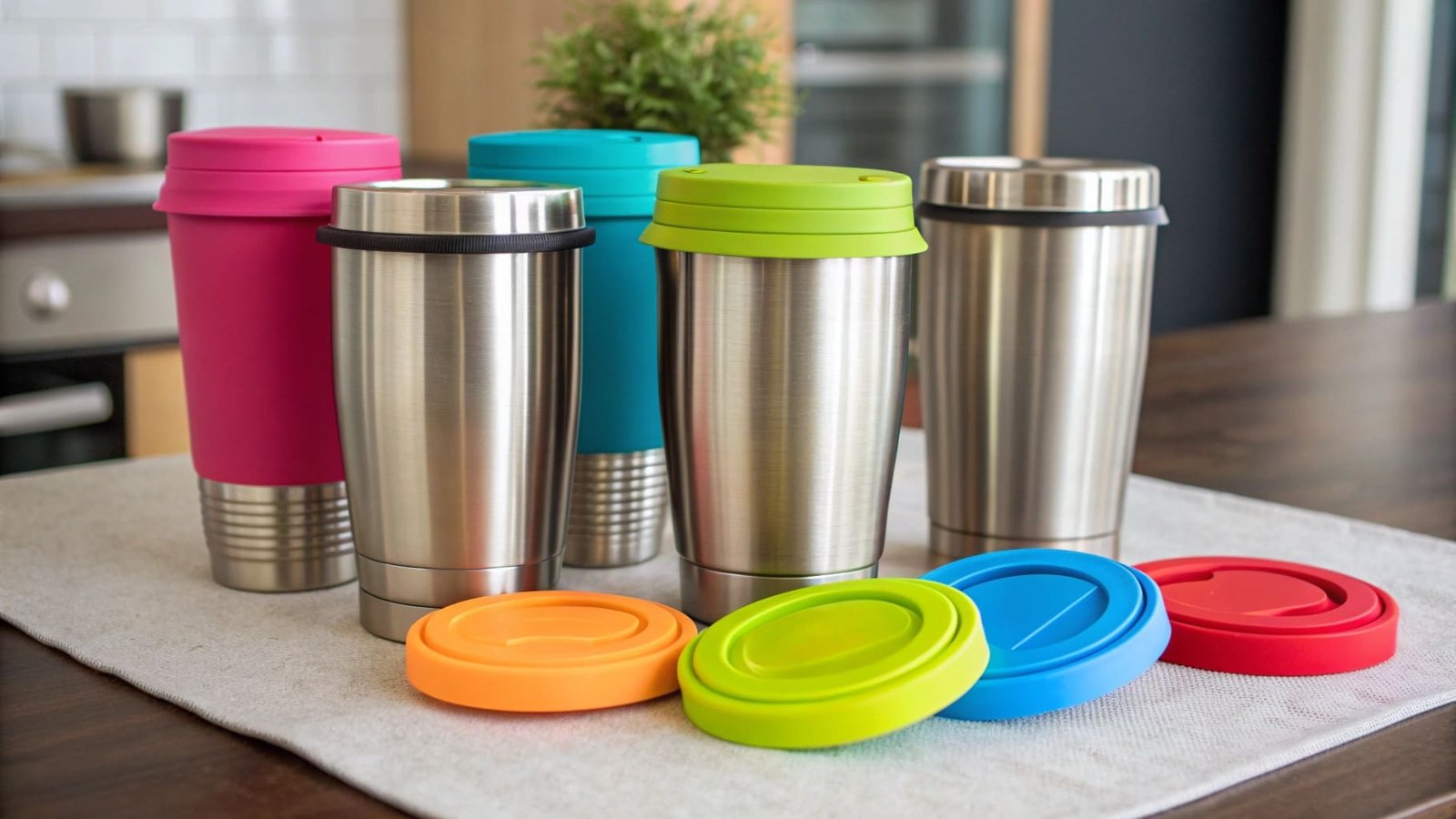
Most buyers underestimate how cleaning affects product lifespan. A restaurant chain complained about lids losing flexibility after six months. We discovered their staff used steel wool for scrubbing. The micro-scratches weakened the silicone structure. Simple training fixed the problem.
Hand washing works perfectly for small operations. Warm water and dish soap remove food residue completely. The key is thorough rinsing. Soap residue makes silicone feel slippery and attracts more dust. I tell buyers to rinse twice as long as they think necessary.
Commercial dishwashers handle high-volume sanitization efficiently. Premium silicone survives 500+ wash cycles without degrading. I tested this claim by running lids through an industrial dishwasher daily for three months. They maintained perfect sealing ability throughout.
The baking soda method removes persistent odors naturally. Mix three tablespoons of baking soda with warm water to form paste. Rub it on the lid and let it sit for 30 minutes. Rinse thoroughly and air dry. This works for garlic, onion, and curry smells.
Air drying prevents water spots and bacterial growth. Never stack wet lids together. They trap moisture and develop musty odors. I recommend storing them vertically in a dish rack. They dry completely within two hours.
Buyers should avoid these cleaning mistakes:
| Wrong Method | Why It Fails | Correct Approach |
|---|---|---|
| Abrasive Scrubbers | Creates bacteria-harboring scratches | Soft sponge or cloth only |
| Bleach Solutions | Degrades silicone over time | Baking soda for deep cleaning |
| High Heat Drying | Warps lid shape | Air dry at room temperature |
| Stacking When Wet | Traps moisture and odors | Vertical drying rack storage |
| Insufficient Rinsing | Leaves soap residue | Double rinse every wash |
Quality certification matters here. Food-grade silicone2 resists bacterial growth naturally. Lower-grade materials develop biofilm faster. I verify certifications because Mark's customers operate under strict health department oversight.
The cleaning simplicity sells itself. Staff needs zero special training. Standard kitchen protocols work perfectly. This reduces operational complexity for buyers managing multiple locations.
Conclusion
Silicone stretch lids work effectively for bulk food storage when buyers choose quality materials and set proper expectations. The long-term cost savings and environmental benefits outweigh initial investment challenges.