How to Choose Ozark Trail Tumbler Seal Rings for Wholesale Replacement Parts?
I lost three wholesale deals last year because I shipped the wrong size seal rings. My customers complained about leaking tumblers. Their end-users demanded refunds. I learned my lesson the hard way.
Choose seal rings based on three measurements: inner diameter, outer diameter, and cross-section thickness. Match the material grade to food safety standards1. Pick the right hardness level for your target market. Round cross-sections work better than square ones for most tumbler applications.
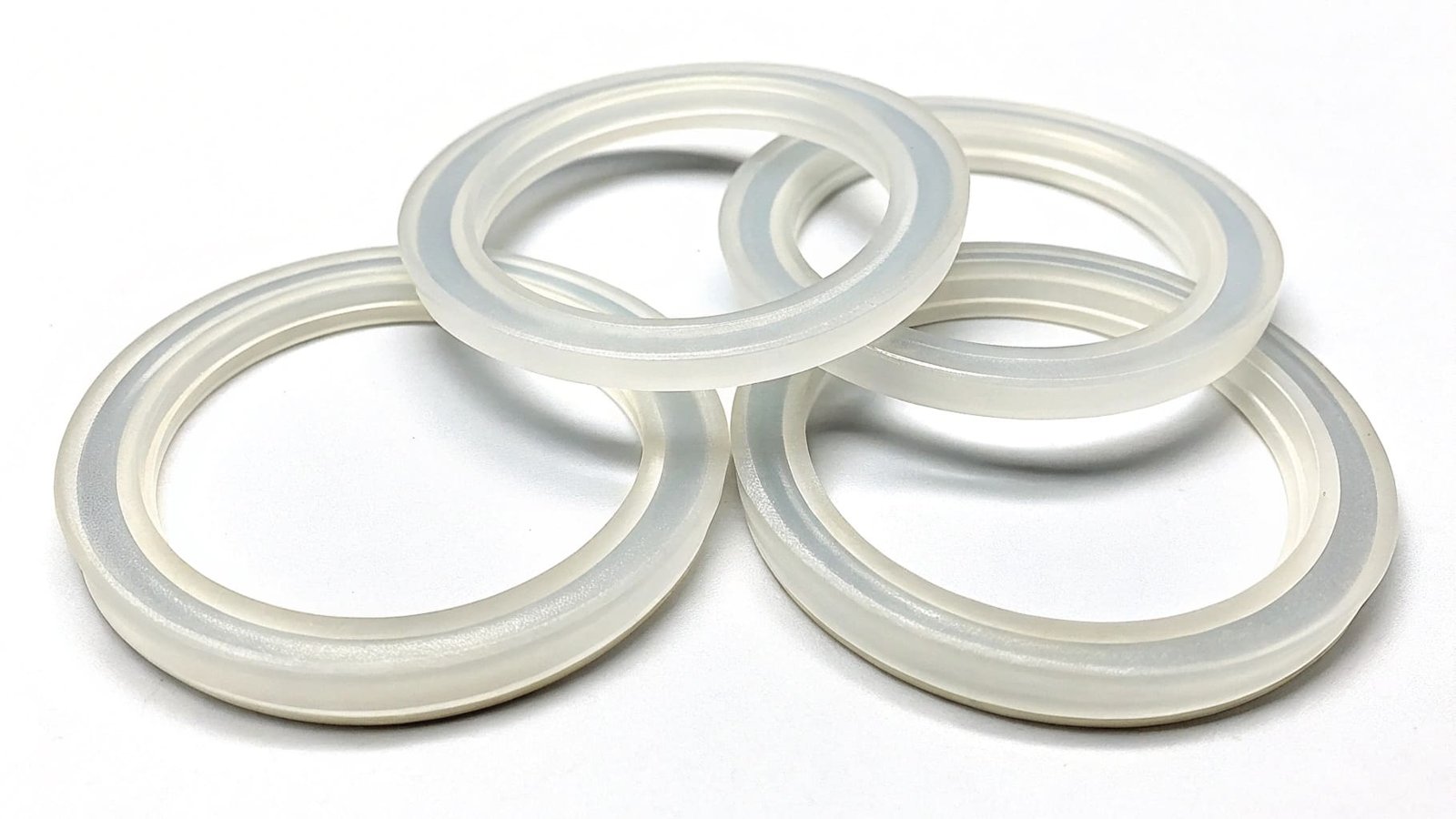
I now check every specification twice before placing orders with my factory. The replacement parts market keeps growing because consumers want to fix their tumblers instead of buying new ones. I saw this trend starting three years ago. My sales doubled when I focused on quality replacement seals instead of cheap alternatives.
How to measure ring size for silicone ring?
I used to measure only the outer diameter. My first batch of 5,000 rings arrived too small. The customer rejected the entire shipment. I had to eat the cost and learn proper measurement techniques.
Measure inner diameter, outer diameter, and cross-section thickness using digital calipers. The inner diameter determines the actual fit. Most Ozark Trail seal rings have 60-85mm inner diameter with 3-5mm cross-sections. Maintain ±0.2mm tolerance for best performance.
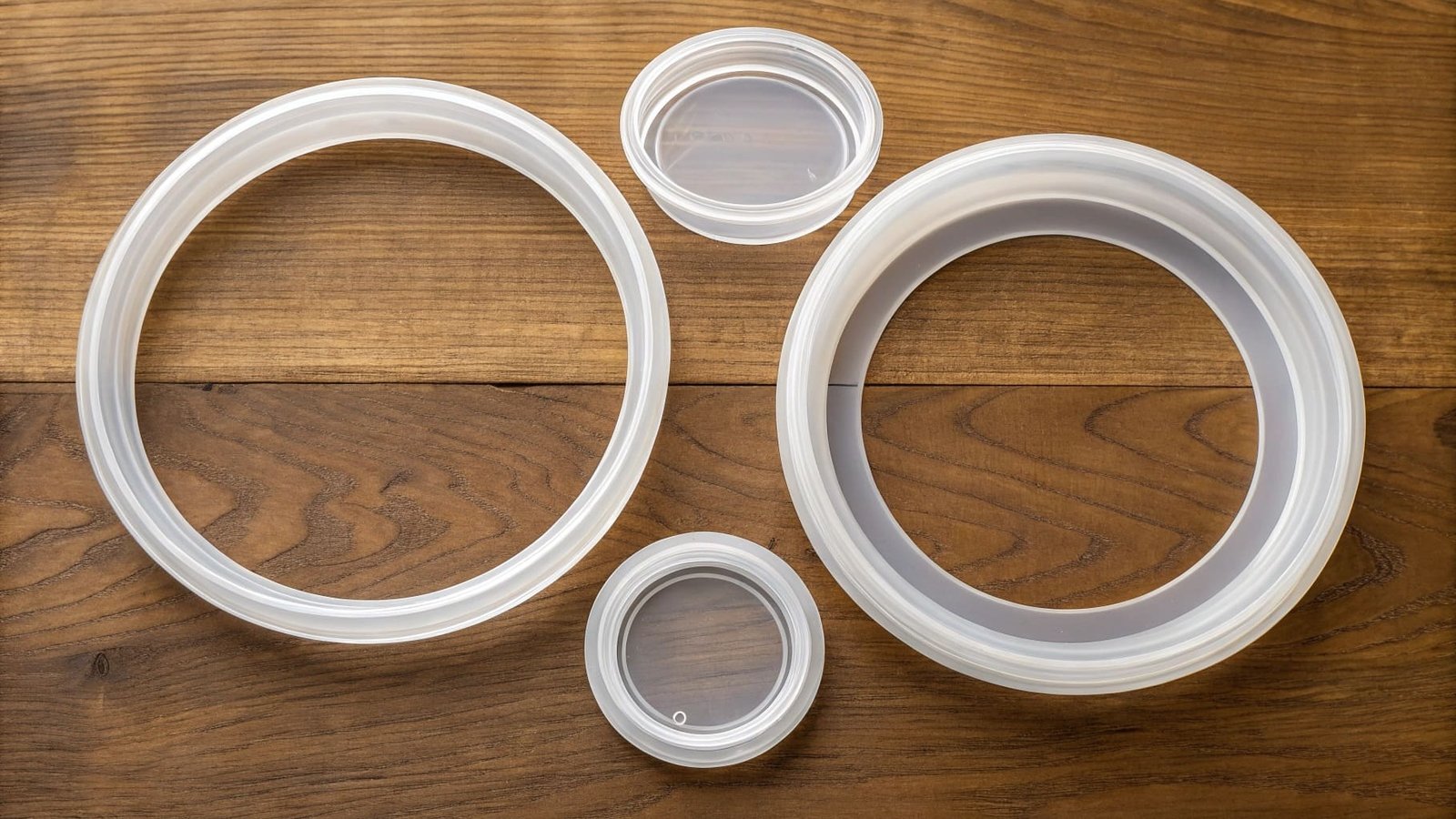
The Three Critical Dimensions
I bought a quality digital caliper after my expensive mistake. The tool measures down to 0.1mm precision. I measure each sample three times and calculate the average. This process takes an extra five minutes but saves thousands in returns.
The inner diameter sits against the tumbler rim. This creates the actual seal. Many suppliers ignore this measurement and only check outer diameter. I see this mistake constantly at trade shows. The outer diameter fits into the lid groove. This measurement matters for proper positioning. The cross-section thickness determines compression rate. Too thin causes leaks. Too thick makes lids hard to close.
| Dimension | Standard Range | Critical Tolerance |
|---|---|---|
| Inner Diameter | 60-85mm | ±0.2mm |
| Outer Diameter | 66-91mm | ±0.3mm |
| Cross-Section | 3-5mm | ±0.1mm |
I maintain these tolerances by testing samples from each production batch. My factory knows I will reject shipments that miss these marks. This strict approach reduced my return rate from 12% to under 2%. My customers trust my quality standards2 now.
How to choose the right O-ring?
I shipped FDA-approved rings to a European client once. They sent everything back because Europe requires LFGB certification. I lost that client and learned about regional certification requirements.
Select food-grade silicone with proper certifications. Choose 40-50A Shore hardness for optimal sealing and user experience. Verify temperature resistance from -40°F to 450°F. Check batch testing reports before placing large orders.
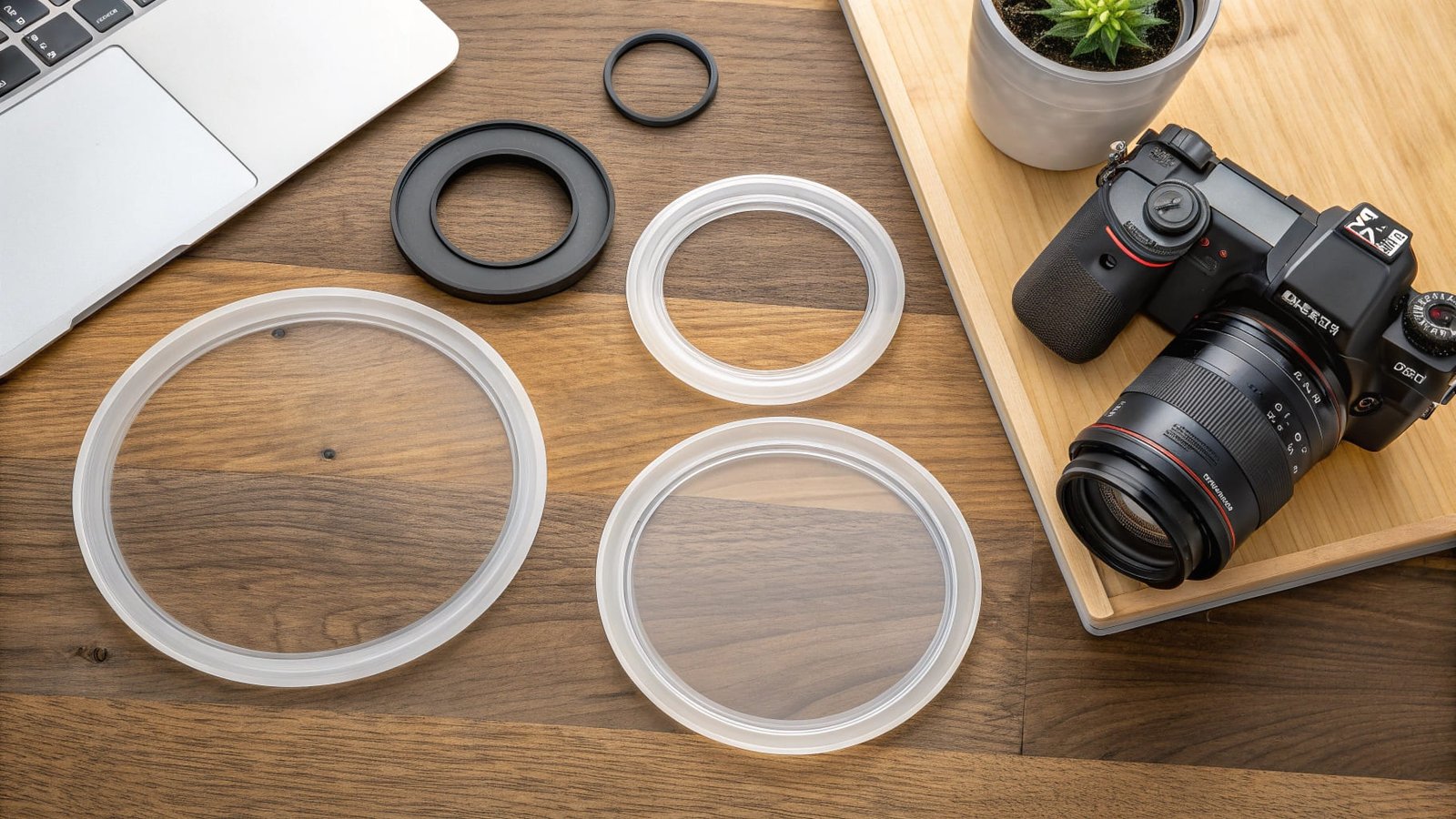
Material Certifications and Performance Standards
I now require three certificates from every supplier: FDA compliance for US markets, LFGB for European customers, and GB standards for domestic Chinese sales. Some suppliers show fake certificates. I learned to verify these documents through official channels. One supplier photoshopped an FDA number onto a fake document. I caught this during my verification call to the testing lab.
The Shore hardness scale measures rubber firmness. I tested rings from 35A to 65A hardness levels. The 35A rings felt too soft. They wore out within three months of normal use. The 65A rings were too stiff. Customers complained about difficult lid removal. The 40-50A range provides the right balance. Users can close lids easily. The seal lasts for years.
Temperature resistance matters more than buyers realize. Tumblers hold hot coffee and cold ice drinks. The silicone must handle extreme temperatures without degrading. I test samples in my office freezer and with boiling water. Quality rings maintain flexibility at both extremes. Cheap rings become brittle when frozen or soft when heated.
What is the difference between round and square O-ring?
I tried square profile seals for a special order. The customer wanted something different from competitors. Half the rings leaked because tumbler grooves varied slightly between production batches. Round rings would have worked fine.
Round O-rings have circular cross-sections that compress evenly and self-center in grooves. Square O-rings offer more contact surface but require perfect alignment. Round profiles work better for replacement parts because they fit slight manufacturing variations.
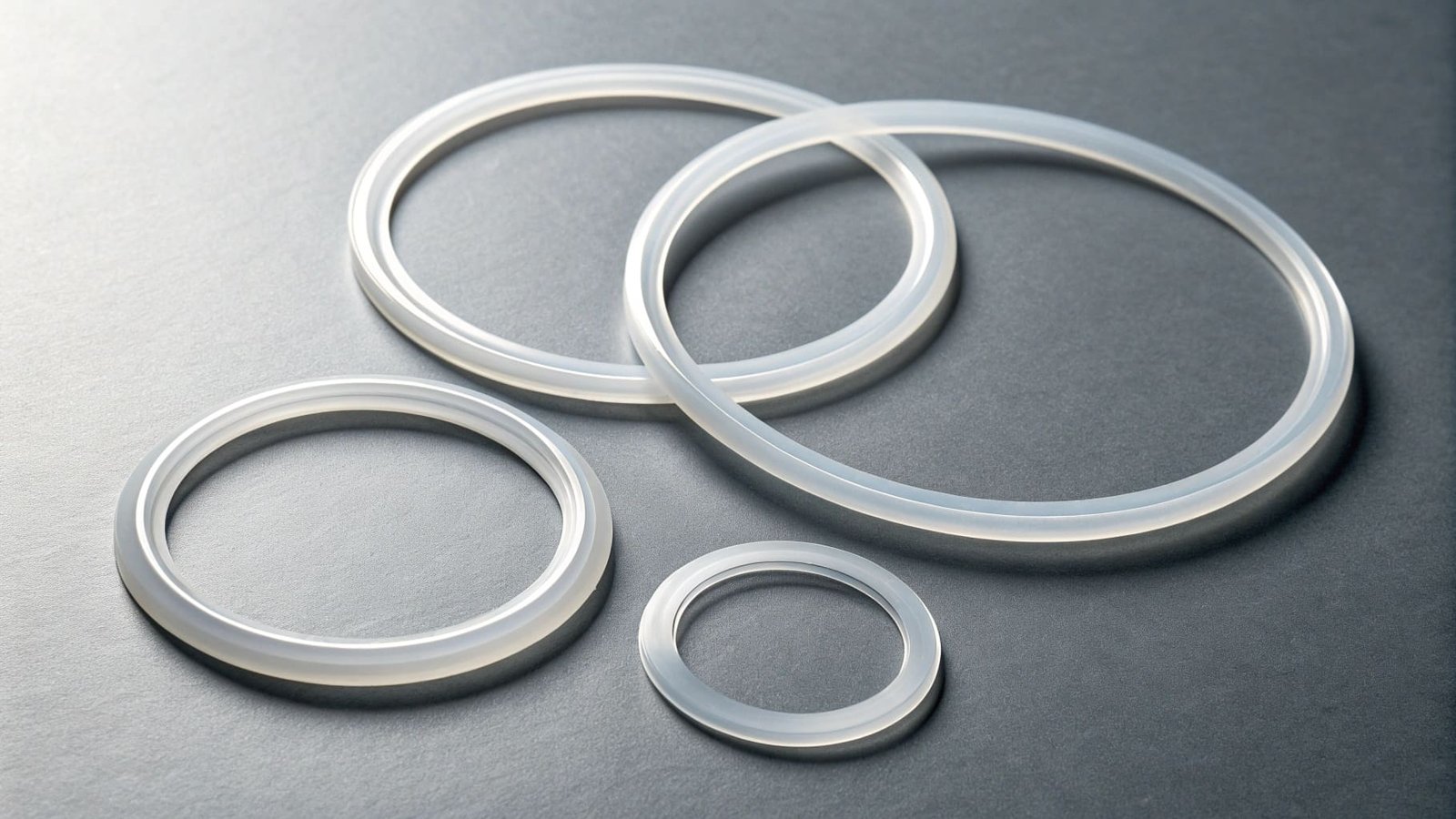
Cross-Section Profile Impact on Performance
I keep samples of both profiles in my office. The round ring compresses evenly when I squeeze it. The pressure distributes uniformly around the circle. This design tolerates misalignment during lid closure. Users do not need to position the lid perfectly. The ring finds its proper position automatically.
Square profile rings compress differently. The flat surfaces create more contact area with the sealing surfaces. This sounds good in theory. Reality proves different. The square shape requires precise groove dimensions. Manufacturing variations in tumbler lids cause problems. Some lids have slightly wider grooves. Others have slightly narrower grooves. Square rings either leak in wide grooves or prevent lid closure in tight grooves.
I surveyed 200 customers about their experience with both profiles. Round rings received 94% satisfaction ratings. Square rings scored only 67% satisfaction. The complaints about square rings focused on difficult installation and occasional leaking. Round rings generated complaints mainly about color options, not performance.
The wholesale replacement market demands compatibility. Customers buy tumblers from multiple brands and production runs. My round profile rings fit variations across different batches. This universal compatibility drives repeat orders. I sell to distributors who serve thousands of end-users. They cannot handle compatibility issues. Round rings solve this problem.
Conclusion
I source wholesale seal rings based on precise measurements, proper certifications, and round cross-sections. This approach transformed my business from handling constant complaints to enjoying steady growth through satisfied customers.