How to Choose Reusable Silicone Lids for Bulk Coffee Cup Accessories?
I have seen many buyers struggle with choosing the right silicone lids. They waste money on poor quality products. They lose customers because of safety issues.
Reusable silicone lids work best when they meet FDA or LFGB standards1 and have Shore A hardness ratings between 40-60. Food-grade silicone outperforms PP and TPE materials because it handles extreme temperatures and maintains an airtight seal across multiple uses.
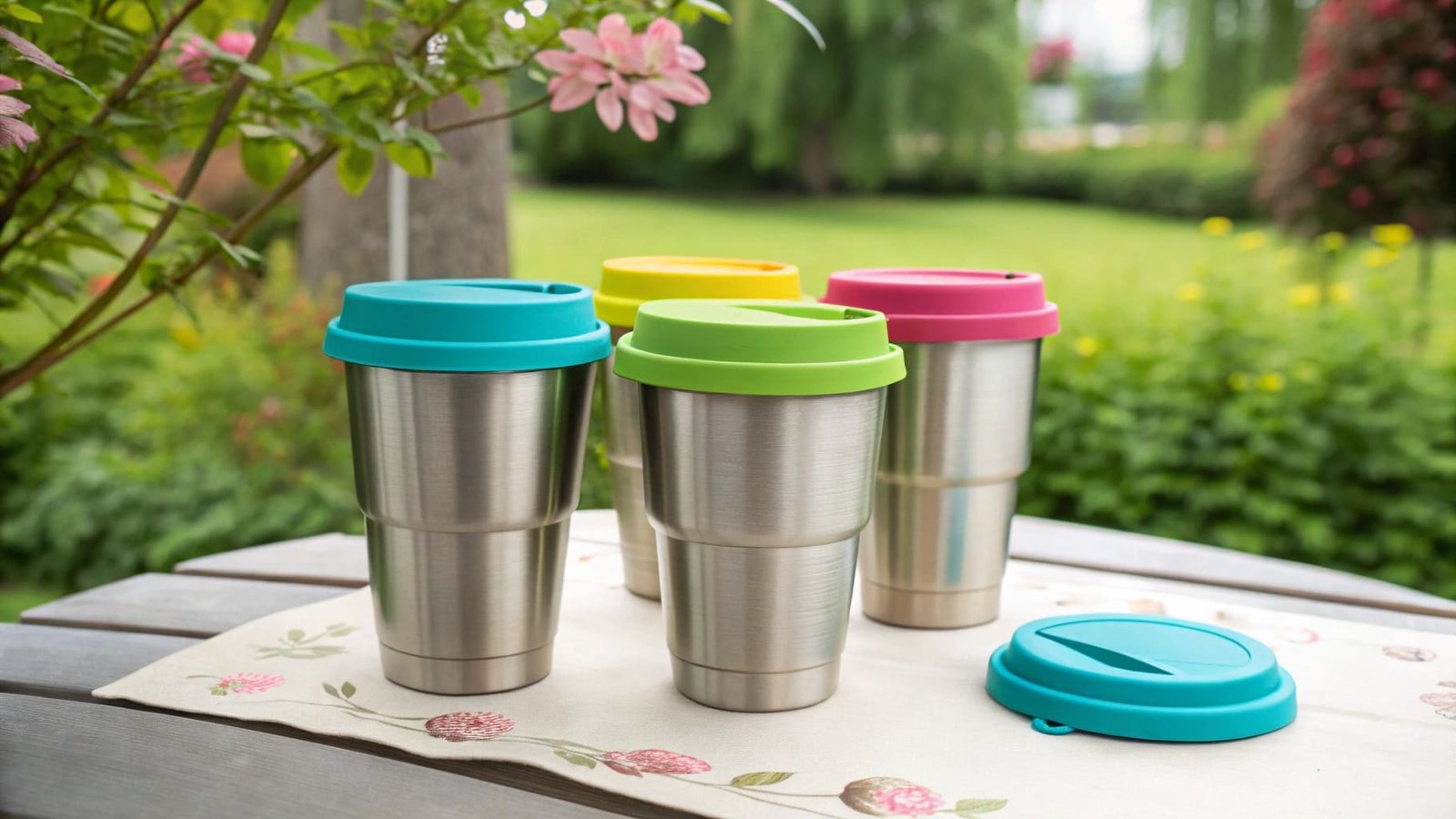
I started my silicone business ten years ago. Back then, most buyers just looked at price. Today, things have changed. Buyers like you need to understand material quality before placing bulk orders. This guide will help you avoid the mistakes that cost other buyers thousands of dollars.
What is the Best Material for Reusable Coffee Cups?
I talk to procurement officers every week. Most of them ask me the same question about materials. They want to know which material gives the best value.
Food-grade silicone stands out as the best material for reusable coffee cup lids because it withstands temperatures from -40°C to 230°C, remains flexible after hundreds of uses, and meets strict FDA and LFGB safety standards that European and North American markets require.
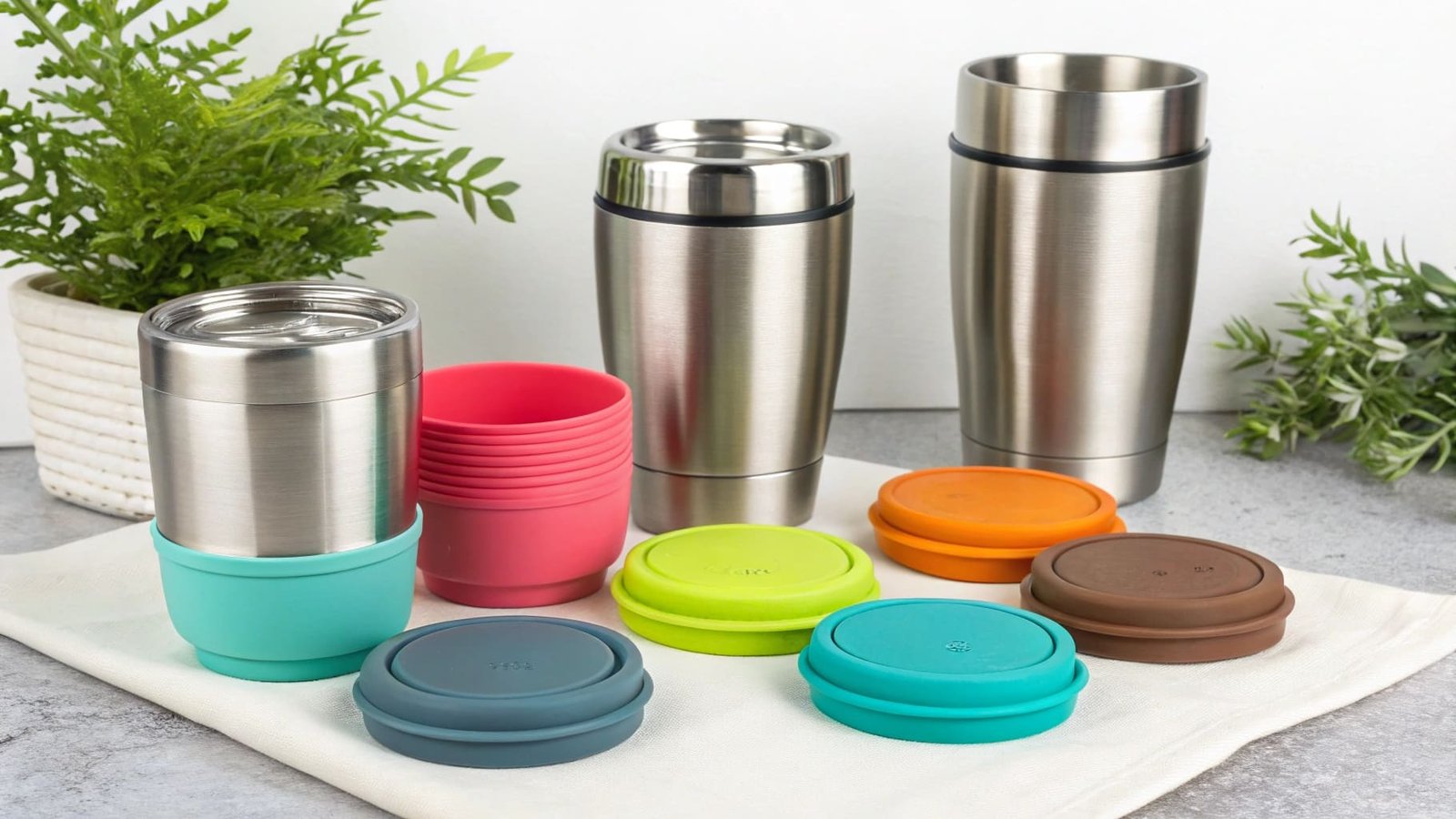
Let me break down the three main material categories for you. I see these options in the market every day.
Traditional plastic lids use PP or PS materials. They cost less upfront. But they crack after a few months of use. I had a buyer from Toronto who ordered 10,000 PP lids last year. He came back to me after six months. His customers complained about cracked lids. He had to throw away half his inventory.
Bio-based compostable materials sound good on paper. They appeal to eco-conscious brands. But they have serious limitations. They break down in hot liquids. They cannot handle temperature changes. I tested several samples from different suppliers. Most failed after just 50 uses.
100% food-grade silicone2 solves these problems. Here is what makes it superior:
| Feature | Food-Grade Silicone | PP Plastic | TPE | Bio-based |
|---|---|---|---|---|
| Temperature Range | -40°C to 230°C | -20°C to 100°C | -40°C to 150°C | 0°C to 80°C |
| Lifespan | 3-5 years | 6-12 months | 1-2 years | 3-6 months |
| Seal Quality | Excellent | Good | Fair | Poor |
| Dishwasher Safe | Yes | Yes | Limited | No |
| Cost per Unit | Higher | Lowest | Medium | Medium |
I recommend silicone for bulk orders above 3,000 units. The higher initial cost pays off through longer product life. Your customers will not need replacements for years. This builds brand loyalty.
The material also offers design flexibility. You can create universal fits for different cup sizes. I work with several North American distributors who buy silicone lids that fit 12oz to 20oz cups. This reduces their SKU count. It simplifies their inventory management.
Are Silicone Coffee Lids Safe?
Safety concerns keep many buyers awake at night. I understand this worry. One bad product batch can destroy your reputation in the market.
Silicone coffee lids are completely safe when they carry FDA or LFGB certification and contain no BPA, phthalates, or harmful chemicals. These certifications guarantee the material will not leach toxins into hot beverages even at high temperatures.
I need to share a real story here. Last year, a buyer from Seattle contacted me in panic. His previous supplier sent him lids with fake certificates. His retail partner found out during a random quality check. He lost a $200,000 contract. He spent months rebuilding trust with his client.
This is why certificate verification matters so much. Here is my process for checking supplier credentials.
First, I ask for original certificate copies. Not photos or screenshots. Original PDF files that I can verify. Real certificates have unique serial numbers. You can check these numbers on the certification body's website.
Second, I request material test reports. These reports should show specific test results for:
- Lead and heavy metals content
- Volatile organic compounds
- Migration tests in hot water
- Biocompatibility tests
Third, I verify the supplier's factory registration. FDA-registered facilities have public registration numbers. You can search these on the FDA website. LFGB certification requires annual audits. Ask for the most recent audit report.
The silicone industry has clear safety standards. Food-grade silicone must pass several critical tests:
Temperature Stability Tests: The material should maintain its structure between -40°C and 230°C. It should not release any odor or particles when heated.
Chemical Resistance Tests: The silicone must resist acids, bases, and alcohol. Coffee contains acidic compounds. The lid material should not react with these compounds.
Migration Tests: When you soak silicone in hot water or food simulants, nothing should transfer from the material into the liquid. This test usually runs for 2-10 hours at different temperatures.
I test samples from every new supplier. I send them to independent labs in Germany and the United States. This costs me around $800 per test batch. But it saves me from much bigger problems later.
You should also check the Shore A hardness rating. Food-grade silicone lids work best between 40-60 Shore A. Below 40, the material feels too soft. It will not maintain a good seal. Above 60, it becomes too rigid. It will not fit cups properly.
What Material are Coffee Cup Lids Made of?
Different markets use different materials for coffee cup lids. I export to over 20 countries. Each market has unique preferences and requirements.
Coffee cup lids come in three main categories: disposable plastic lids3 that dominate quick-service restaurants, bio-based compostable alternatives that appeal to eco-conscious brands, and reusable silicone lids that capture the premium zero-waste market segment.
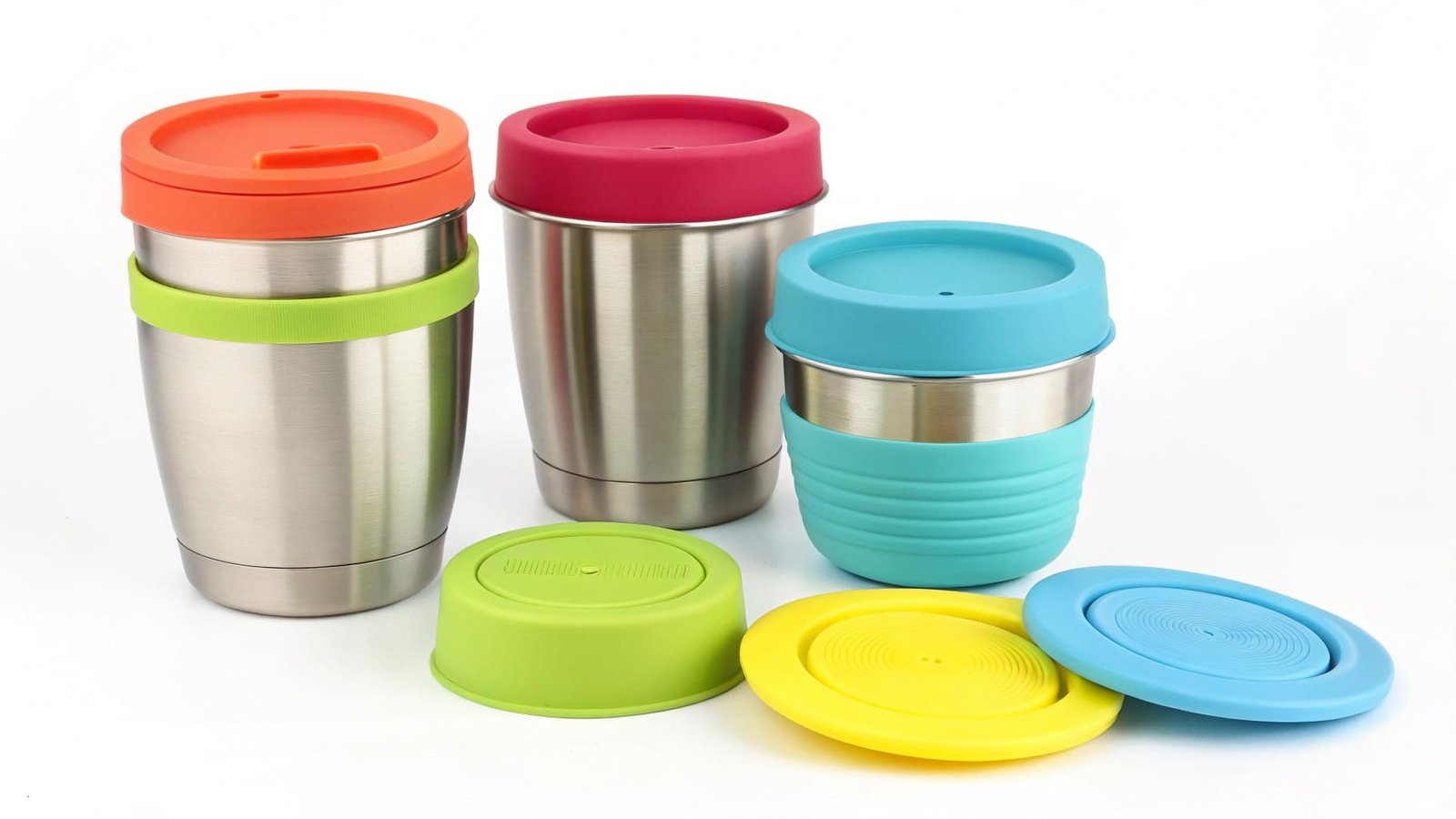
The disposable segment still controls about 70% of the total market. These lids use PS, PP, or PET plastic. They cost just a few cents per unit. Fast food chains and coffee shops prefer them because they are cheap and convenient.
But the market is shifting. I see the change in my order patterns. Three years ago, 90% of my inquiries were for disposable options. Today, 45% of buyers ask about reusable solutions. This trend will continue.
Here is what drives this shift:
Corporate Sustainability Programs: Large companies now have zero-waste goals. They need reusable accessories for their branded coffee programs. I supply silicone lids to three Fortune 500 companies. They use these lids in their employee cafeterias and client gift programs.
Consumer Demand: People want to reduce plastic waste. They are willing to pay more for reusable products. My distributor clients in California tell me their customers specifically ask for silicone lids. They will not buy plastic alternatives.
Regulatory Pressure: Some cities and states have banned single-use plastics. This creates opportunities for reusable solutions. I recently started working with buyers from the European Union. They need silicone lids because disposable plastics face strict regulations there.
The reusable segment is growing at 15-20% annually. This growth creates opportunities for B2B buyers. But it also means more competition. You need to differentiate your products.
Material selection becomes critical here. Let me compare the main reusable options:
| Material | Market Position | Price Point | Durability | Customization |
|---|---|---|---|---|
| 100% Silicone | Premium | $$$ | Excellent | High |
| Silicone + PP | Mid-range | $$ | Good | Medium |
| TPE | Budget | $ | Fair | Low |
| Bio-silicone | Emerging | $$$ | Good | Medium |
Pure food-grade silicone commands the highest prices. But it also delivers the best margins for distributors. My clients who focus on premium silicone products report 40-60% gross margins. Compare this to 20-30% margins on mixed material products.
The customization aspect matters too. Silicone accepts various manufacturing processes. You can add company logos through embossing or debossing. You can create custom colors that match brand guidelines. You can adjust the thickness for different seal requirements.
I work with buyers who need universal fit designs. These lids must work with cups from different manufacturers. The flexibility of silicone makes this possible. A single lid design can fit cups with 7-8cm diameter openings. This reduces inventory complexity.
For bulk procurement, you need to consider MOQ requirements. Most Chinese factories set MOQs between 3,000-5,000 units for custom orders. This hits the sweet spot between cost efficiency and inventory risk. Below 3,000 units, the per-unit cost increases significantly. Above 10,000 units, you tie up too much capital in inventory.
Conclusion
Choose food-grade silicone lids with proper certifications for bulk orders. Verify supplier credentials through independent testing. Start with 3,000-5,000 unit orders to balance cost and risk.