How to Choose Source Tactical Storm Non-Bite Valves for Defense Contracts?
A bad valve choice can fail an entire defense contract. Soldiers depend on reliable hydration gear. The wrong sourcing decision puts both safety and compliance at risk.
Non-bite valves for defense contracts must meet three requirements: military-grade material durability, contamination-free flow performance, and verified supplier certifications. Silicone sealing components are the standard choice because they handle extreme temperatures, resist chemicals, and carry no hygiene risks from contact with the mouth.1
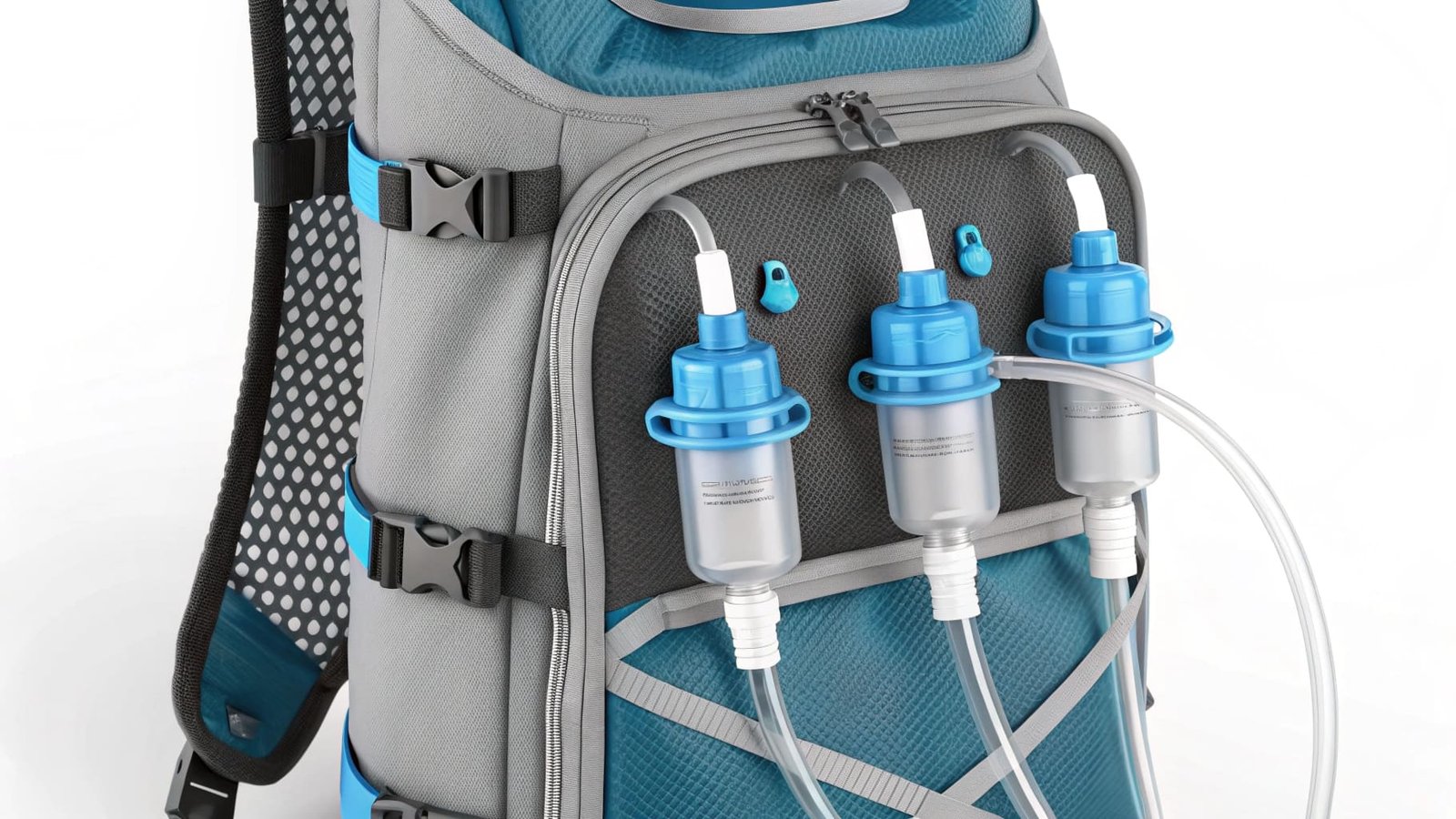
I have worked with defense procurement buyers before. Most of them tell me the same thing. They spent too much time on brand research and too little time on specification matching. This article walks through exactly how to make the right choice. I will cover valve type selection, manufacturer evaluation, and how to compare suppliers side by side.
How to Choose a Valve Type?
Choosing the wrong valve type means your product will fail field testing. Defense buyers cannot afford that mistake. The valve type controls everything from flow rate to hygiene performance.2
Non-bite valves with silicone seals are the correct choice for defense hydration systems. They deliver consistent flow without mouth contact, reduce bacterial buildup, and hold up under temperature extremes from desert heat to arctic cold.3
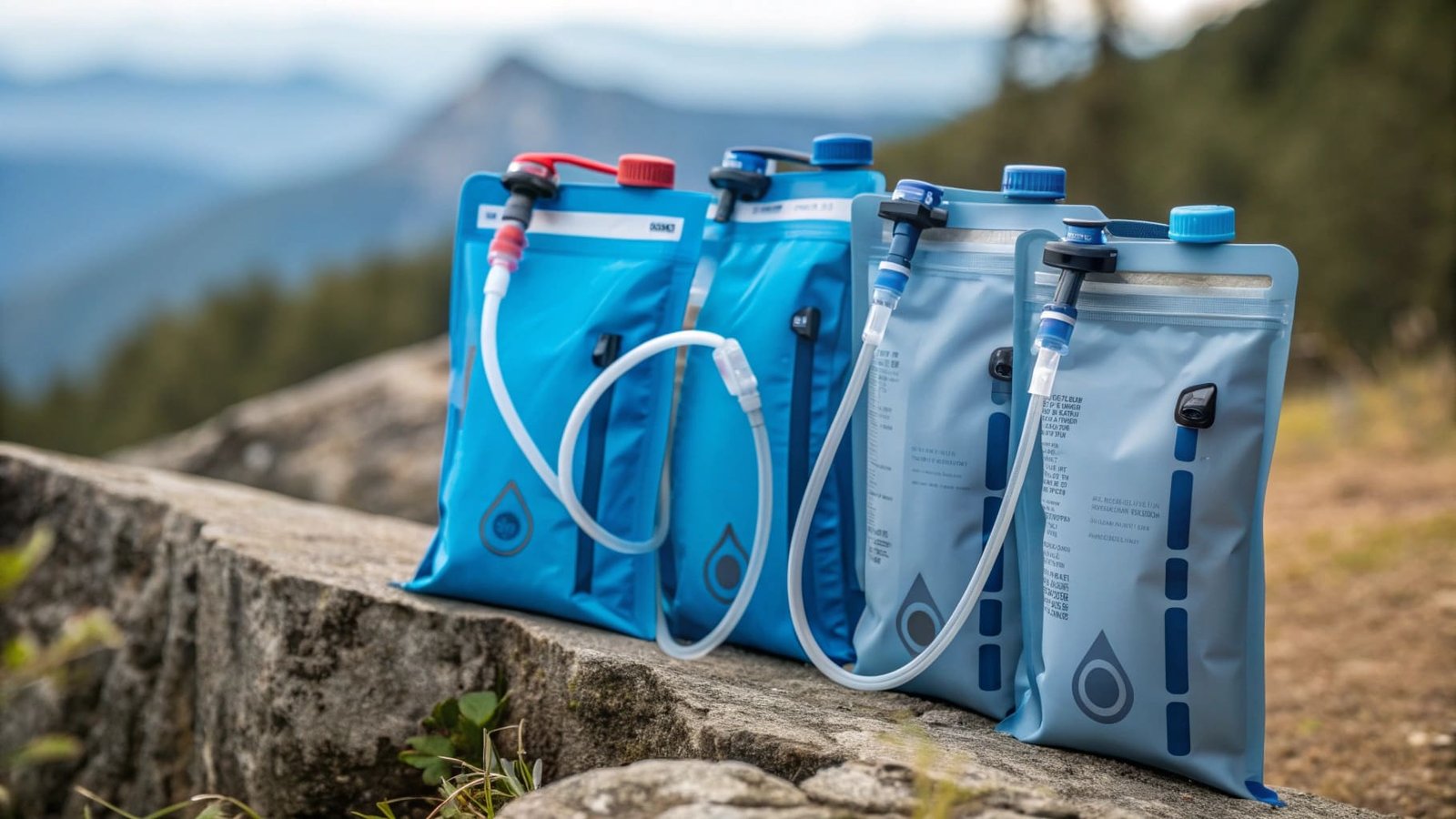
The difference between bite valves and non-bite valves is not just mechanical. It is a hygiene and reliability gap that matters in the field.
Bite valves require the user to press the valve with their teeth to open flow.4 This creates a contact zone where bacteria grow over time. In field conditions, soldiers cannot clean their valves between uses. This becomes a real health risk over multi-day operations.
Non-bite valves use a push or pull mechanism. The user activates water flow without mouth contact. This removes the contamination point entirely.
Silicone is the right material for the sealing components inside these valves. Here is why silicone outperforms other materials in this application.
| Property | Silicone | Standard Rubber | Plastic |
|---|---|---|---|
| Temperature Range | -60°C to +200°C | -20°C to +80°C | -10°C to +60°C |
| Chemical Resistance | High | Medium | Medium |
| Biocompatibility | Medical-grade available | Not standard | Not standard |
| Tear Resistance | High | Medium | Low |
| Bacteria Resistance | High | Low | Medium |
Defense contracts often specify material requirements directly. When they do not, silicone is still the safest choice because it exceeds most military performance benchmarks by default.
I always tell procurement buyers to request the material data sheet before anything else. If a supplier cannot provide one immediately, that is a warning sign.
The valve must also match the hydration bladder connector standard used in your contract. Mismatched fittings cause leaks in the field. Verify the valve thread type, the connector diameter, and the flow rate specification before you finalize any order.
Who Makes the Best Valves?
Most buyers assume the biggest brand name means the best product. That assumption has cost a lot of procurement officers their contracts. Brand recognition is not the same as defense compliance.
The best valve manufacturer for your specific contract is one that holds the right certifications, can show full material traceability, and has a track record of fulfilling government orders on time.
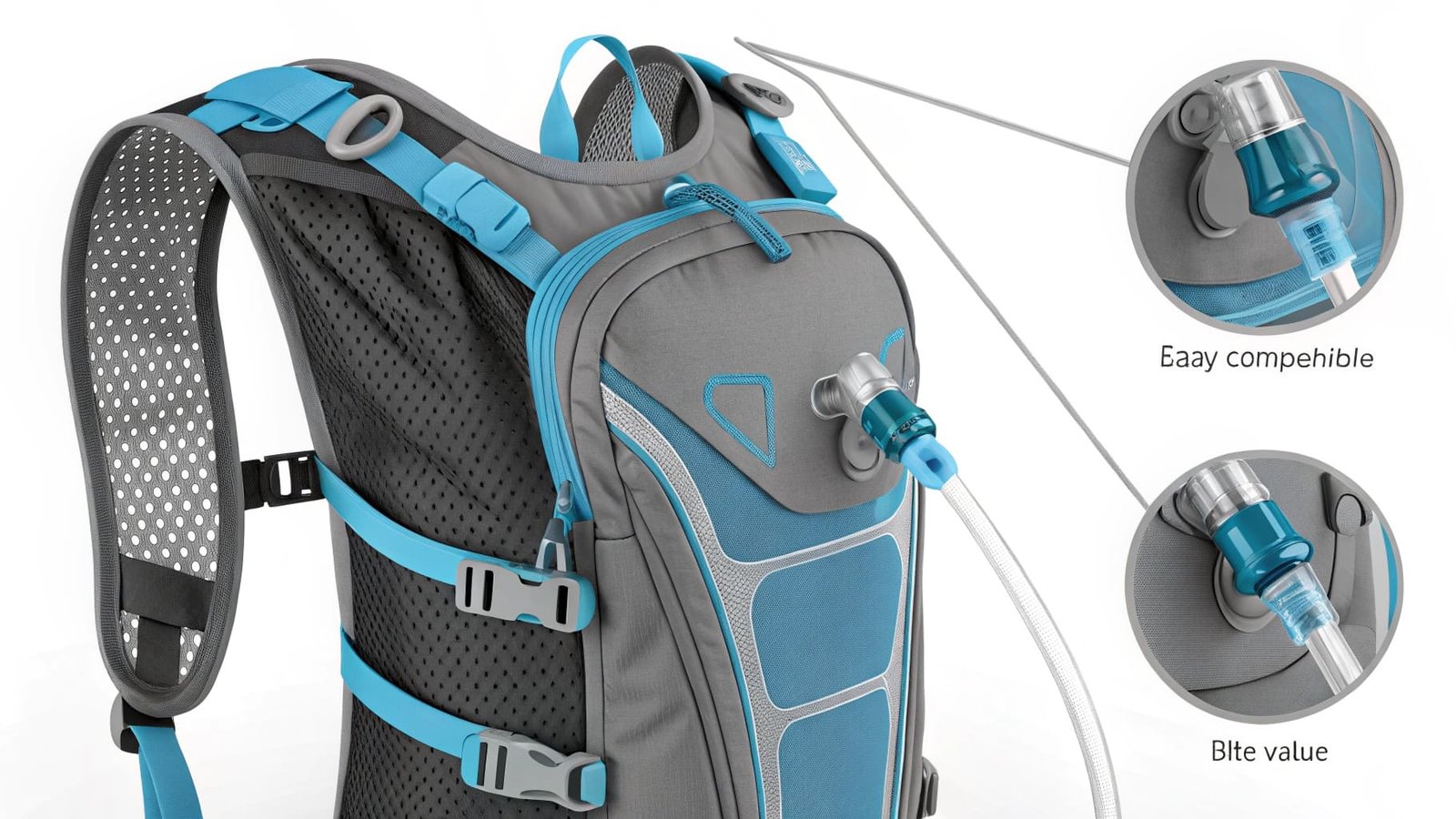
I have seen suppliers with strong brand names fail audits because their documentation was incomplete. I have also seen smaller manufacturers pass every check because their production process was clean and well-documented.
Here is what you should look for when you evaluate a valve manufacturer for a defense contract.
Certification Requirements
The manufacturer must hold ISO certification relevant to defense or medical manufacturing. ISO 9001 covers quality management. ISO 13485 covers medical device manufacturing and is often accepted as a proxy for defense material quality.5 Ask for the certificate number and verify it directly with the issuing body.
Material Traceability
Every batch of silicone used in the valve must be traceable back to the raw material source. This is not optional for defense contracts.6 You need batch-specific compliance documents, not just a general material certificate.
Third-Party Testing Data
Reputable manufacturers test their valves under conditions that match the intended use. For defense valves, this means pressure cycling tests, temperature exposure tests, and tear resistance tests. Ask for the actual test reports, not just a summary.
Production Facility Standards
Visit the facility or request an audit report from a third-party inspector. The production environment for silicone components should be clean-room controlled or at minimum free from contamination sources.
| Evaluation Criteria | What to Ask For | Red Flag |
|---|---|---|
| ISO Certification | Certificate number + issuing body | Cannot provide the certificate |
| Material Traceability | Batch-specific documents | Only provides general specs |
| Third-Party Testing | Full test reports | Only shows internal data |
| Facility Audit | Third-party inspection report | Refuses audit requests |
| Government Contract History | Past contract references | No prior government experience |
I worked with a buyer in Canada who skipped the facility audit step to save time. The supplier passed the document check but failed a surprise inspection six months later. The contract was delayed by an entire quarter. That cost far more than the audit would have.
Which Company Valve Is Best?
This is the question every buyer asks first. It is also the least useful question to start with. The best company is not a fixed answer. It depends on your contract specifications.
The right approach is to match supplier capabilities to your exact contract requirements. Then rank suppliers by compliance score, not by reputation.
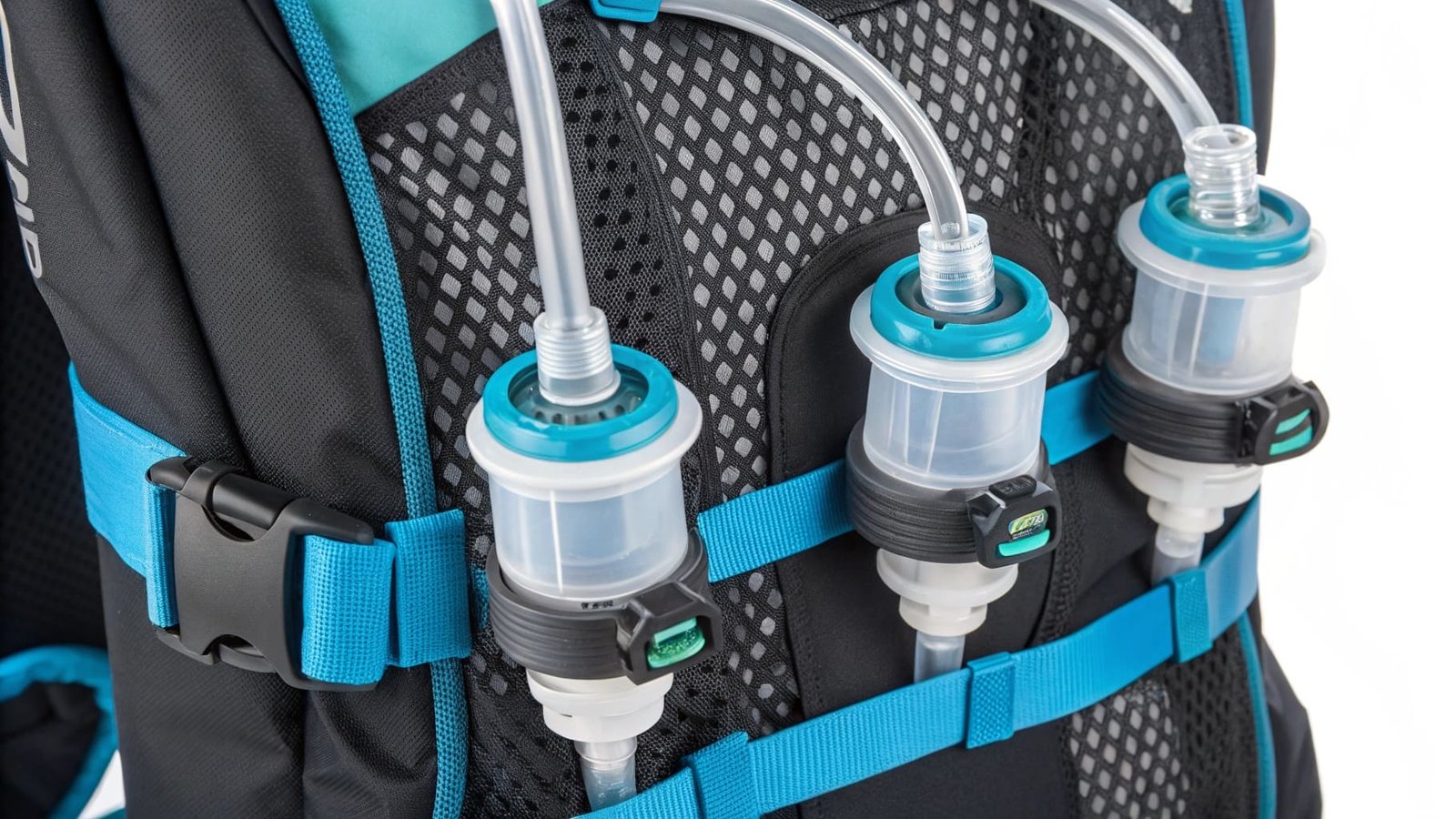
I use a structured evaluation process when I help buyers source silicone valve components. It removes guesswork and makes supplier comparison objective.
Start with your contract specification document. Pull out the material requirements, performance standards, and documentation requirements. Turn each one into a checklist item.
Then send that checklist to every supplier you are considering. Their response tells you a lot before you even review the answers. A supplier who responds within 24 hours with complete documentation is a different kind of partner than one who takes a week and sends partial answers.
Here is a framework I use to score suppliers on defense valve contracts.
| Scoring Category | Weight | What It Covers |
|---|---|---|
| Material Compliance | 30% | Silicone grade, biocompatibility, chemical resistance |
| Certification Status | 25% | ISO status, defense-related approvals |
| Documentation Quality | 20% | Traceability, test reports, batch records |
| Delivery Reliability | 15% | On-time rate, lead time, stock availability |
| Communication Speed | 10% | Response time, technical knowledge of sales team |
I weight material compliance highest because a valve that fails the material test fails everything. Certification comes second because defense contracts will not accept uncertified suppliers regardless of how good the product is.
Communication speed is last on the list but still matters. Inefficient communication with a supplier's sales team is one of the most common pain points I hear from procurement buyers. A supplier who cannot answer technical questions quickly will slow down your entire approval process.
Price is not in this framework by design. Defense contracts have quality floors that cannot be compromised. Once a supplier meets all quality thresholds, then you compare pricing among qualified options. Not before.
The company that scores highest across these categories for your specific contract is the best company for you. It may not be the most famous name in the market. It is the name that can actually deliver what your contract requires.
Conclusion
Choosing the right tactical non-bite valve comes down to three things: correct valve type, verified supplier certifications, and a structured comparison process that puts compliance before price.
-
"Most Important Biomedical and Pharmaceutical Applications ... - PMC", https://pmc.ncbi.nlm.nih.gov/articles/PMC12156025/. Materials references describe silicone elastomers as having broad thermal stability, useful chemical resistance, and established use in medical or food-contact components, supporting their suitability for hygienic sealing applications. Evidence role: mechanism; source type: research. Supports: A materials-science source should document silicone elastomers' broad service-temperature range, chemical resistance, and use in medical or food-contact applications.. Scope note: Such sources support the material rationale; they may not establish that silicone is the universal or official standard for all defense hydration valves. ↩
-
"Shaping the flow characteristics of a proportional directional valve", https://pmc.ncbi.nlm.nih.gov/articles/PMC12271357/. Engineering references on valve design show that valve geometry and operating mechanism influence flow rate, pressure loss, and cleanability, supporting the claim that valve type affects both flow and hygiene-related performance. Evidence role: mechanism; source type: education. Supports: An engineering source should explain that valve geometry and actuation affect flow rate, pressure drop, and cleanability or contamination risk.. Scope note: The evidence is likely general to valve engineering and sanitary design rather than specific to tactical hydration valves. ↩
-
"Daily Use Water Bottles as a Hub for Microbial Population - PMC", https://pmc.ncbi.nlm.nih.gov/articles/PMC11174293/. Studies of microbial contamination on drinking-contact surfaces, combined with materials data for silicone elastomers, support the rationale that non-mouth-contact silicone valve designs may reduce contamination opportunities while remaining functional across broad temperatures. Evidence role: general_support; source type: paper. Supports: Sources should support that reducing mouth-contact surfaces can reduce contamination opportunities and that silicone elastomers tolerate broad temperature ranges.. Scope note: This is contextual support; it does not directly prove that every non-bite valve delivers consistent flow or reduced bacterial buildup under military field conditions. ↩
-
"Hydration system - Wikipedia", https://en.wikipedia.org/wiki/Hydration_system. Reference descriptions of bite valves define them as valves that open when the user bites or compresses the mouthpiece, supporting the article's explanation of their operating mechanism. Evidence role: definition; source type: encyclopedia. Supports: A neutral reference should define a bite valve as a mouth-actuated valve opened by biting or pressing.. Scope note: This supports the definition of the mechanism, not the later health-risk assessment. ↩
-
"ISO and Quality Management | NIST", https://www.nist.gov/mep/iso-and-quality-management. The International Organization for Standardization describes ISO 9001 as a quality-management-system standard and ISO 13485 as a quality-management standard for medical devices, supporting the article's certification distinction. Evidence role: definition; source type: institution. Supports: ISO or another standards body should confirm the scope of ISO 9001 and ISO 13485.. Scope note: The ISO definitions do not by themselves prove that defense buyers formally accept ISO 13485 as a proxy for defense material quality in every contract. ↩
-
"Documentation and Records: Harmonized GMP Requirements - PMC", https://pmc.ncbi.nlm.nih.gov/articles/PMC3122044/. Defense quality-assurance requirements and aerospace-defense quality standards commonly require documentation and traceability for controlled materials and components, supporting the need for batch-specific records in defense supply chains. Evidence role: general_support; source type: government. Supports: A defense quality-assurance or acquisition source should show that traceability and documentation can be required for materials and components in defense contracts.. Scope note: Traceability is not automatically identical across all defense contracts; the exact obligation depends on the contract clauses and technical specification. ↩