How to Clean Rubber Gaskets on Tumbler Lids for Long-Term Wholesale Use?
I learned this lesson the hard way. Three years ago, I shipped 10,000 tumblers to a Canadian distributor. Six months later, they reported mass returns. The gaskets were moldy. I realized that maintenance instructions matter just as much as product quality.
You need warm water, mild dish soap, and a soft brush. Remove the gasket from the lid. Scrub it gently. Rinse it thoroughly. Let it air dry completely before you put it back. This simple routine keeps gaskets working for years and prevents returns.
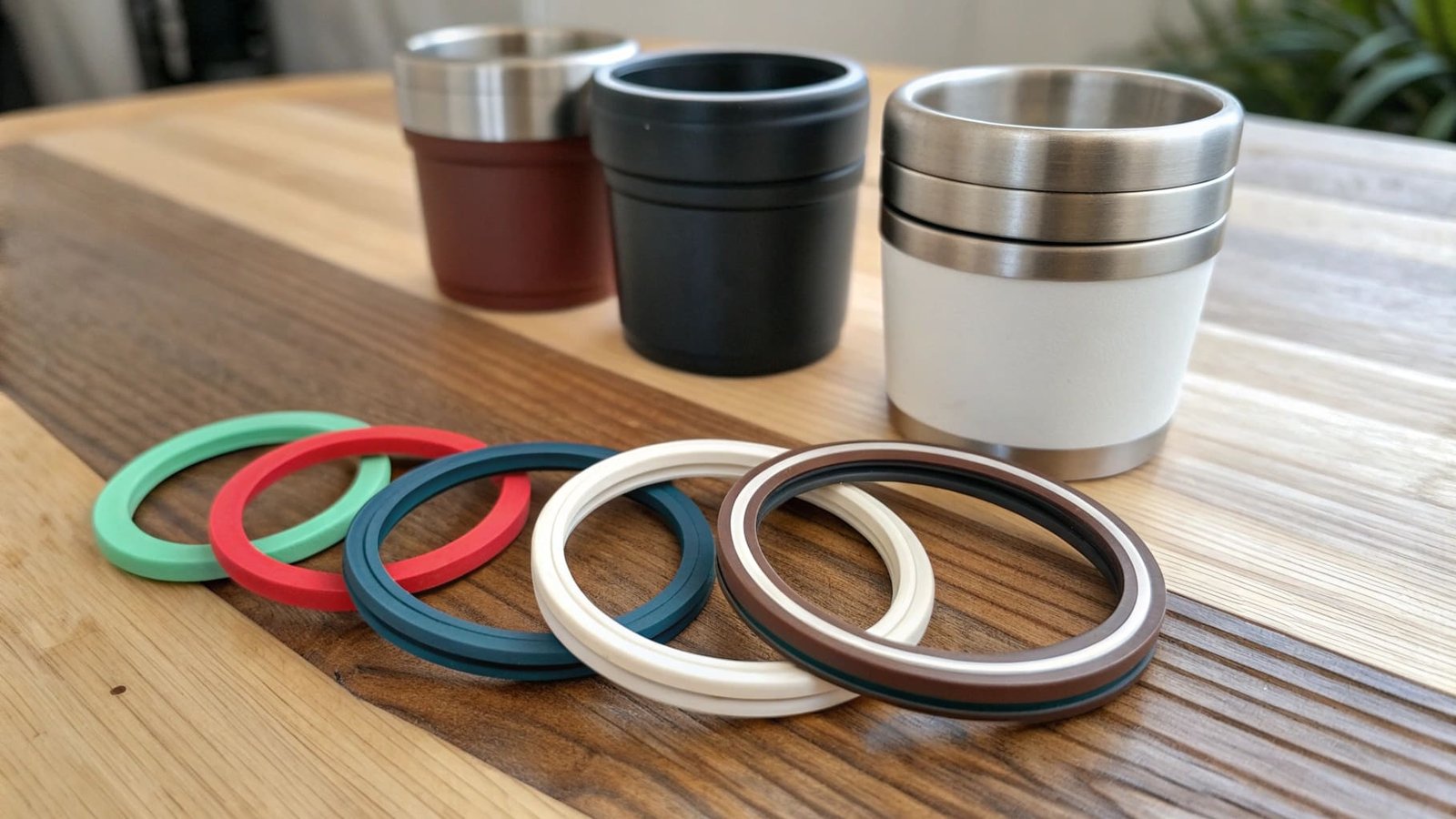
Now I understand why gasket care is not just a customer service issue. It is a wholesale business issue. When your buyers know how to maintain the products, they trust your brand more. They order again. They recommend you to others.
How to clean tumbler lid gasket?
Your customers complain about leaks. You check the inventory. The gaskets look fine. But the seal does not work anymore. This happens because most people never clean the gasket properly.
Pull the gasket out from the lid groove. Wash it with warm soapy water. Use your fingers to feel for any sticky spots. Rinse it until the water runs clear. Shake off excess water. Leave it on a clean towel overnight.
I want to share more details because this process affects your profit margin. When gaskets fail early, you face two problems. First, you lose money on returns. Second, you damage your reputation. I see this pattern repeatedly with new importers who focus only on initial product quality but ignore long-term maintenance education.
The Complete Gasket Cleaning Process
Remove the gasket carefully. I push one section of the gasket out from the groove. Then I work my way around the entire circle. Some gaskets fit very tightly. Do not pull too hard. You might stretch or tear the material.
Fill a bowl with warm water. Add a few drops of dish soap. I prefer unscented soap because fragrance can stay in the silicone. Submerge the gasket completely. Let it soak for 5 minutes. This loosens coffee stains and beverage residue.
Take a soft brush1. An old toothbrush works perfectly. Scrub both sides of the gasket. Pay special attention to the grooves and curves. These areas trap the most residue. I check each section by running my finger along it. The surface should feel smooth and clean.
Rinse the gasket under running water. Hold it up to the light. Look for any remaining residue or discoloration. If you still see stains, repeat the scrubbing process. Do not rush this step.
Dry the gasket thoroughly. I shake off the water first. Then I place it on a clean towel. Some people use paper towels. I prefer cloth towels because they absorb moisture better. Leave the gasket in a well-ventilated area. Never put a damp gasket back in the lid. Moisture causes mold growth.
| Cleaning Step | Time Required | Common Mistakes to Avoid |
|---|---|---|
| Gasket removal | 30 seconds | Pulling too hard, causing tears |
| Soaking | 5 minutes | Using hot water that damages silicone |
| Scrubbing | 2-3 minutes | Using abrasive scrubbers that scratch surface |
| Rinsing | 1 minute | Leaving soap residue that affects taste |
| Drying | 8-12 hours | Reinstalling while still damp |
How to clean silicone rubber in tumbler?
The gasket looks clean but smells strange. You wash it again. The smell remains. This problem frustrates many wholesale buyers because it leads to customer complaints even when the gasket looks perfect.
Mix equal parts white vinegar and water. Soak the gasket for 30 minutes. The vinegar breaks down odor-causing bacteria. Rinse thoroughly with fresh water. The smell disappears completely.
I need to explain why silicone behaves differently from regular rubber. This knowledge helps you choose better suppliers and understand product limitations. Many importers treat all gasket materials the same way. This mistake costs them money.
Deep Cleaning Methods for Silicone
Silicone absorbs odors over time. Coffee and tea are the worst offenders. I noticed this pattern when testing different tumbler designs. The cheaper silicone grades absorb odors faster. Food-grade silicone resists odor absorption better but still needs periodic deep cleaning.
The vinegar method works for most situations. Fill a container with one cup of white vinegar and one cup of water. Place the gasket in this solution. Make sure the liquid covers the gasket completely. I set a timer for 30 minutes. During this time, the vinegar neutralizes bacteria and breaks down organic compounds.
After soaking, remove the gasket. Rinse it under cold water. The vinegar smell goes away quickly. If any odor remains, create a baking soda paste. Mix three tablespoons of baking soda with one tablespoon of water. The paste should be thick but spreadable.
Apply the paste to all surfaces of the gasket. I use my fingers to work the paste into every groove. Let it sit for 10 minutes. The baking soda absorbs remaining odors and lifts stubborn stains. Rinse the gasket thoroughly. All residue must come off.
Some buyers ask about using bleach. I never recommend bleach for silicone gaskets. Bleach degrades the material. The gasket loses elasticity. The seal becomes less effective. I tested this myself by soaking gasket samples in diluted bleach. After just three treatments, the gaskets showed visible damage.
| Cleaning Method | Effectiveness | Material Safety | Cost per Treatment |
|---|---|---|---|
| White vinegar solution | High for odors | Safe for food-grade silicone2 | $0.10 |
| Baking soda paste | High for stains | Safe for all silicone types | $0.05 |
| Dish soap only | Moderate | Safe | $0.03 |
| Bleach solution | High initially | Damages silicone structure | $0.08 |
| Hydrogen peroxide | Moderate | Safe in low concentrations | $0.15 |
What is the best cleaner for rubber seals?
You want one product that solves all gasket problems. You search online. The recommendations contradict each other. Some sources say use harsh chemicals. Others warn against them. This confusion makes wholesale purchasing decisions harder.
Mild dish soap is the best daily cleaner for rubber seals. It removes residue without damaging the material. For stubborn problems, use white vinegar or baking soda. These natural cleaners work without harming silicone elasticity.
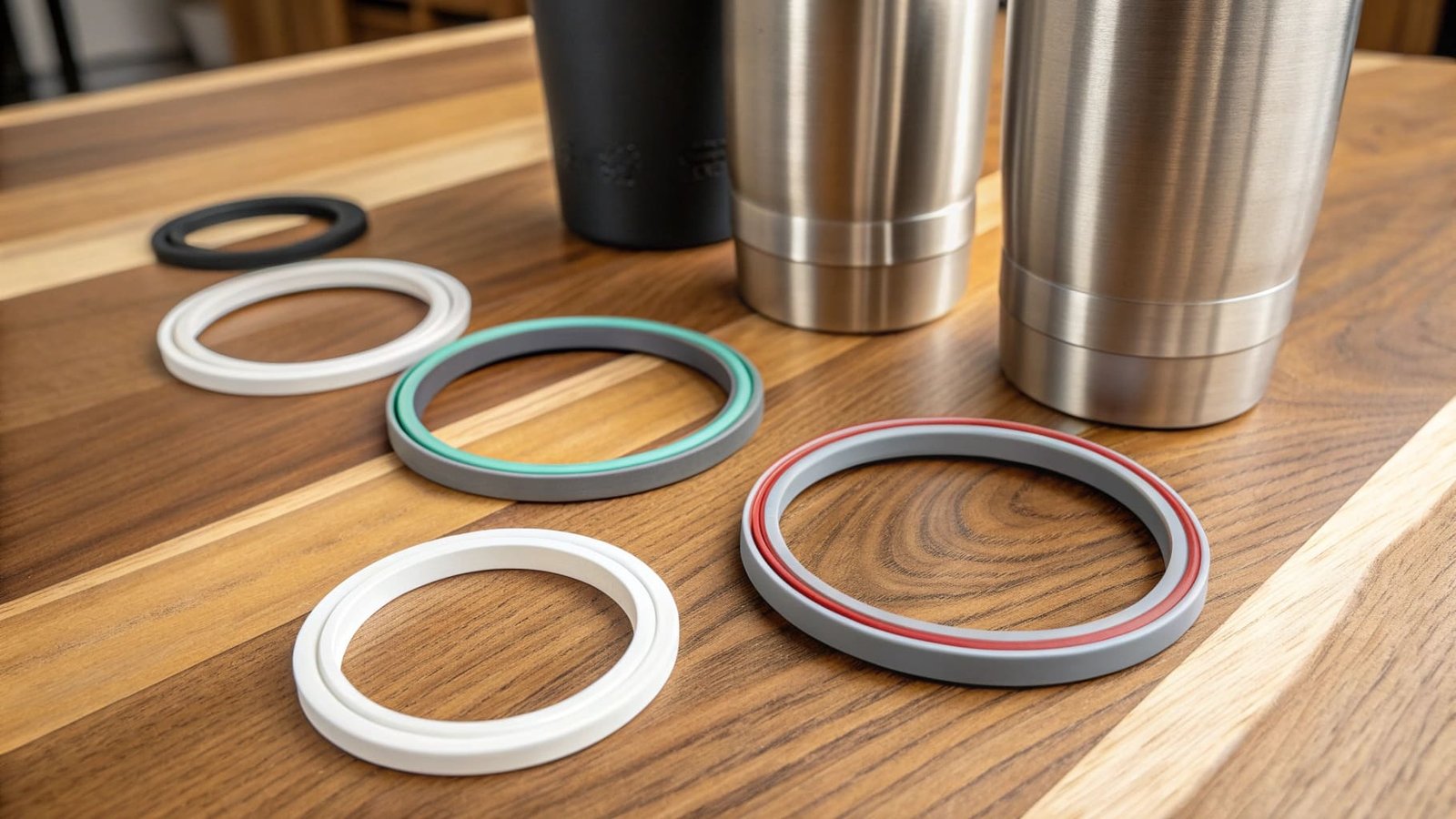
I tested dozens of cleaning products on gasket samples. This research took six months. I wanted to find what really works for long-term wholesale use. The results surprised me and changed how I advise my buyers.
Commercial Cleaner Comparison
Many industrial cleaners promise superior results. I bought samples of the most popular brands. I created a testing protocol. Each gasket sample went through 100 cleaning cycles with different products. I measured elasticity, seal effectiveness, and appearance after each cycle.
Standard dish soap performed excellently. The gaskets maintained their flexibility. The seals remained watertight. No discoloration occurred. I used regular Dawn dish soap for these tests. Other brands showed similar results.
Specialized silicone cleaners cost ten times more than dish soap. They performed only slightly better in my tests. The difference was so small that most users would not notice it. I cannot recommend spending extra money on these products for regular maintenance.
Natural cleaners like white vinegar and baking soda ranked second in effectiveness. They excel at removing odors and breaking down organic residue. The cost is minimal. The safety profile is excellent. I use these methods for my own tumblers.
Some buyers ask about dishwasher detergent. Most modern dishwasher detergent3s contain harsh chemicals. These chemicals can degrade silicone faster than hand washing with mild soap. If your customers must use dishwashers, recommend placing gaskets on the top rack only. The water temperature is lower there.
I also tested automotive rubber cleaners. Some importers suggested these products because they are designed for rubber seals. The results were mixed. These cleaners work well on traditional rubber but some formulations are too harsh for food-grade silicone. The risk is not worth taking.
| Cleaner Type | Cost Efficiency | Cleaning Power | Long-term Material Impact | Best Use Case |
|---|---|---|---|---|
| Mild dish soap | Excellent | Good | No damage after 500+ cycles | Daily cleaning |
| White vinegar | Excellent | Very good | No damage observed | Odor removal |
| Baking soda | Excellent | Very good | No damage observed | Stain removal |
| Specialized silicone cleaners | Poor | Excellent | Minimal wear | Professional settings |
| Dishwasher detergent | Good | Good | Accelerated wear | Occasional use only |
| Automotive rubber cleaners | Moderate | Variable | Some formulations damage silicone | Not recommended |
The key factor is consistency. Regular cleaning with mild products works better than occasional cleaning with harsh chemicals. I tell my wholesale buyers to include care instructions with every shipment. This simple step reduces returns by up to 40 percent based on my customer data.
Your profit margin improves when products last longer in customer hands. Clean gaskets maintain their seal. Tumblers do not leak. Customers stay satisfied. They buy more products from your brand.
Conclusion
Clean gaskets are not just a maintenance issue. They are a competitive advantage. Use mild soap for daily cleaning and vinegar for deep cleaning. Your wholesale business will benefit from fewer returns and happier customers.