How to Find Silicone Zipper Pull Covers for Bulk Apparel Manufacturing?
You need reliable zipper components for your production line. But finding the right silicone pull covers that match your zippers can slow down your entire operation. One wrong specification means delays and wasted inventory.
Silicone zipper pull covers for bulk orders require three key checks: zipper slider compatibility, attachment method, and dimensional specifications. Most suppliers offer compatibility charts and sample kits to match your existing production requirements before you commit to large quantities.
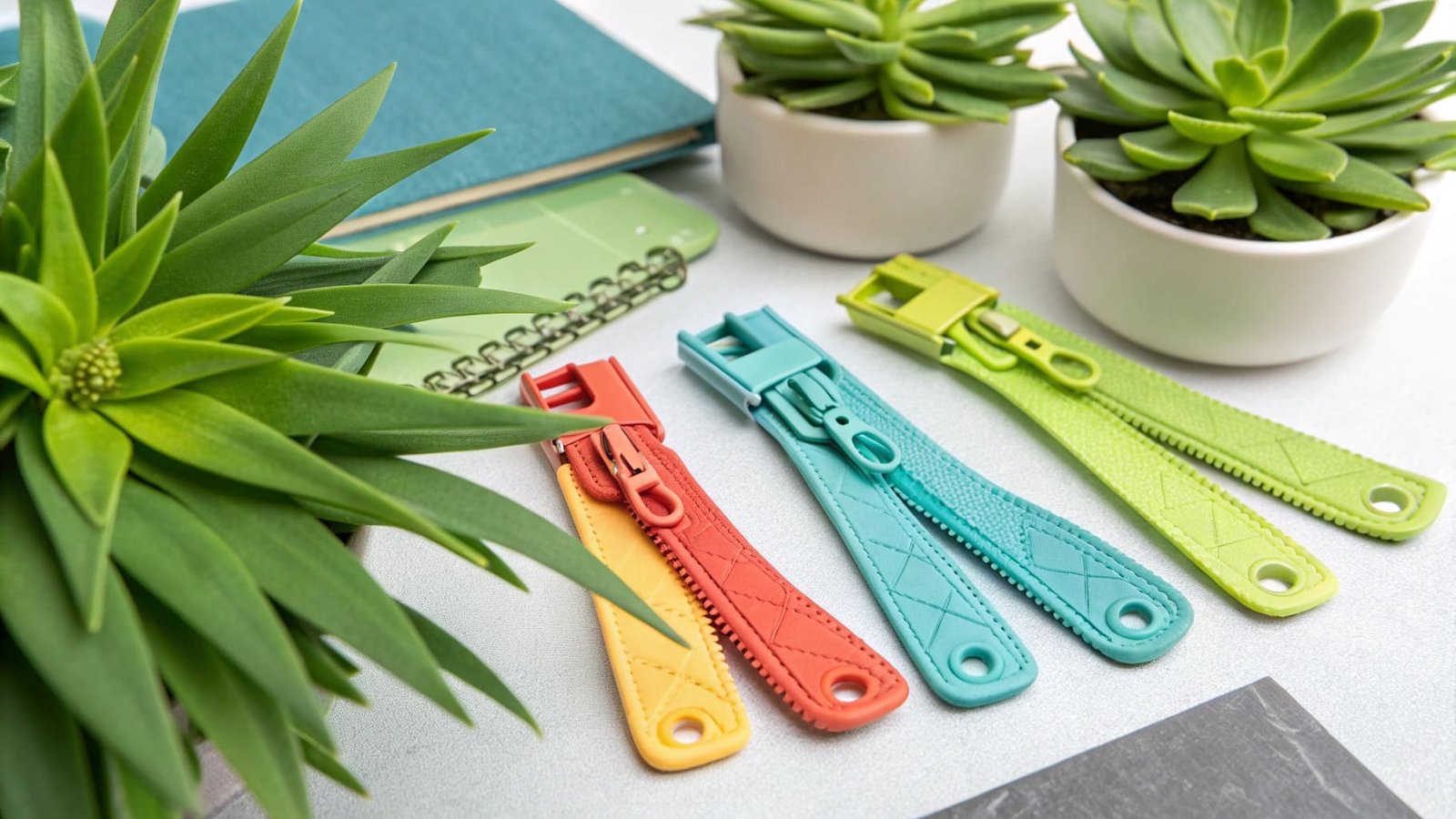
I work with apparel manufacturers who face this challenge every season. They need components that arrive on time, fit perfectly, and meet quality standards. Let me walk you through what I have learned from years of supplying bulk silicone accessories.
Can You Replace Just the Pull Tab on a Zipper?
Your production line stops when zipper pulls break. Replacing the entire zipper means more work and higher costs. You wonder if there is a simpler solution that keeps your timeline intact.
Yes, you can replace just the pull tab on most zippers. Silicone pull covers work as retrofit solutions that attach directly to existing slider mechanisms without removing the entire zipper from your garment.
Understanding Pull Tab Replacement Options
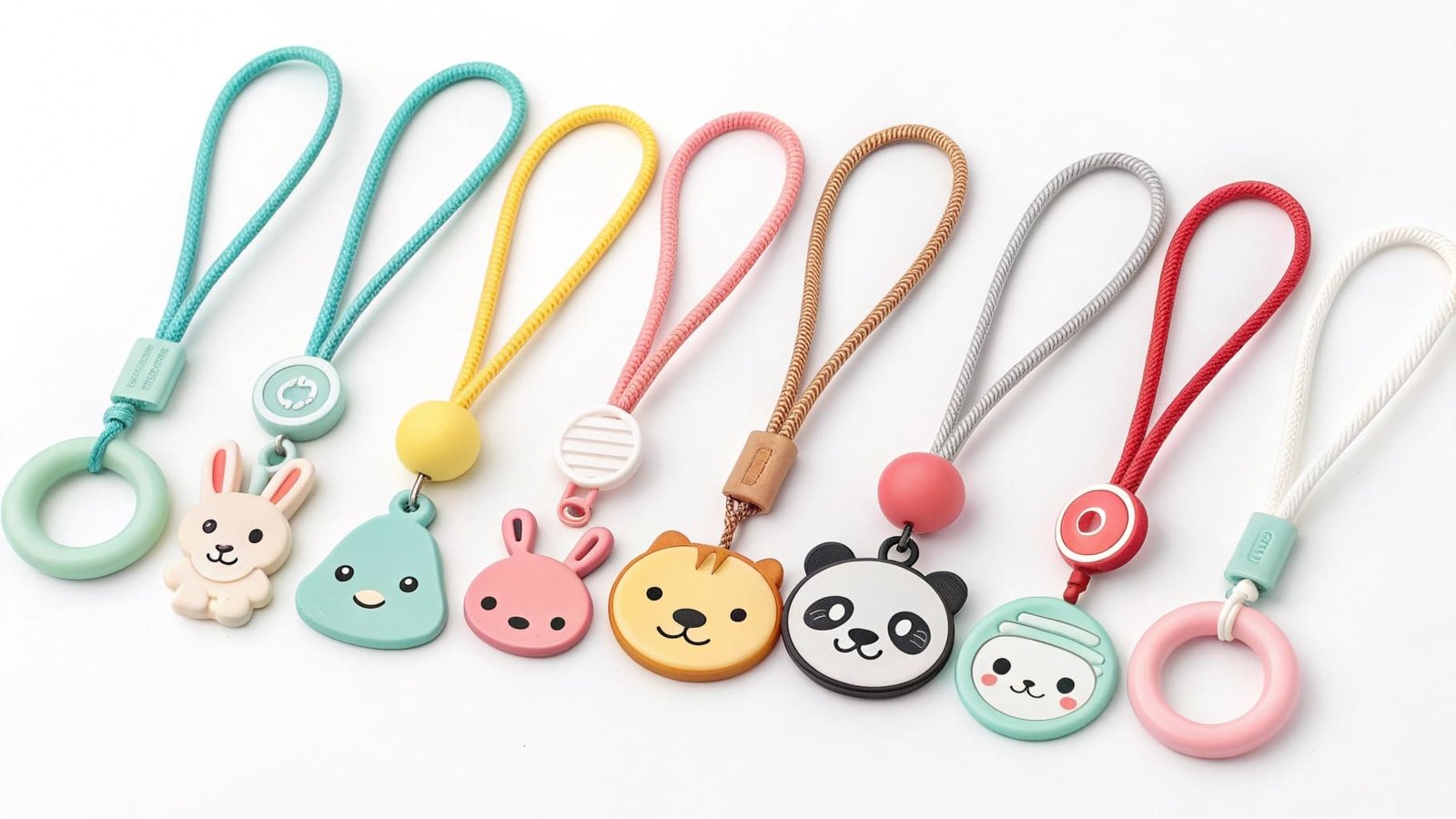
I have seen two main approaches work for bulk manufacturers. The first uses snap-on silicone covers1 that click onto standard slider tabs. The second requires small attachment holes where you secure the cover with cord or thread.
Snap-on covers work best when you need quick assembly. Your workers simply press the cover onto the existing metal or plastic tab. This method saves time during production but requires exact size matching. I always tell my clients to check the slider tab width first.
Cord-attached covers offer more flexibility. They fit various slider sizes because you control the tension. Your team threads a thin cord through the cover and ties it around the slider. This approach takes slightly longer but reduces the risk of poor fit. Many outdoor apparel brands prefer this method for heavy-duty applications.
Here is what you need to verify before ordering:
| Factor | What to Check | Why It Matters |
|---|---|---|
| Slider Tab Width | Measure in millimeters | Determines snap-on fit |
| Tab Thickness | Check with calipers | Affects grip security |
| Attachment Holes | Count and measure spacing | Ensures cord compatibility |
| Load Requirements | Consider garment use | Heavy-duty needs stronger attachment |
I once worked with a jacket manufacturer who ordered 50,000 snap-on covers without measuring their slider tabs. The covers arrived but would not fit. We had to redesign and remake the order. This delayed their production by three weeks and cost them a peak sales window.
How Do You Know What Size Zipper Pull You Need?
Your zipper supplier sends sliders in bulk. But the specifications use codes and numbers that do not make sense. You need to match silicone covers to these zippers without making costly mistakes.
Zipper pull size depends on three measurements: slider width (typically 5-15mm for apparel), grip length preference, and inner diameter of the pull hole. Request dimensional drawings from your silicone supplier with these exact specifications.
Measuring Your Zipper Components
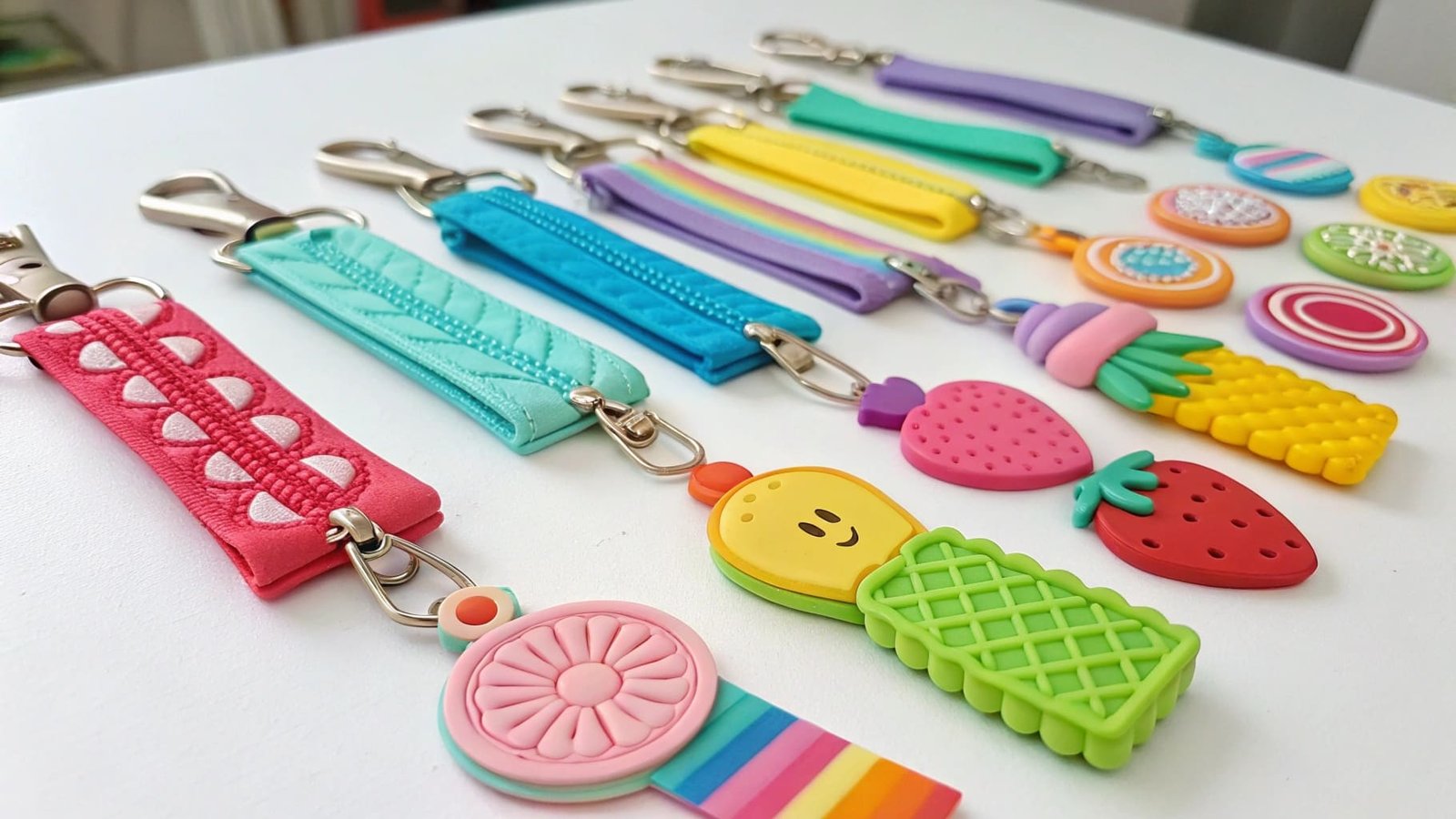
I teach my clients to use a simple three-step measurement process. First, measure the slider body width at its widest point. This tells you the maximum pull cover width. Second, measure the tab hole where the pull attaches. This gives you the inner diameter requirement. Third, decide how long you want the pull to extend for easy gripping.
Most apparel zippers use standard sizes based on chain width. A #3 zipper has a 3mm chain width and needs smaller pulls. A #5 zipper has a 5mm chain and uses medium pulls. A #8 or #10 zipper requires large pulls for heavy jackets or bags.
I keep this reference table for quick sizing:
| Zipper Size | Chain Width | Slider Width Range | Recommended Pull Length |
|---|---|---|---|
| #3 | 3mm | 5-7mm | 20-30mm |
| #5 | 5mm | 8-10mm | 30-40mm |
| #8 | 8mm | 12-14mm | 40-50mm |
| #10 | 10mm | 15-17mm | 50-60mm |
Your pull covers should match or slightly exceed the slider width for proper coverage. I always add 1-2mm to ensure the cover sits securely without looking oversized. This balance matters for both function and appearance.
One sportswear brand I supply asked for custom pull lengths. Their target market included users with limited hand mobility. We extended the pulls to 60mm on #5 zippers, making them much easier to grip. This customization became their brand signature and improved customer satisfaction scores.
Testing Compatibility Before Bulk Orders
I never recommend ordering large quantities without testing first. Request sample kits from your supplier with various sizes. Test them on your actual production zippers in real work conditions. Your production team should install them the same way they will during mass manufacturing.
Check these points during testing:
- Does the pull attach securely?
- Can workers install it quickly?
- Does it stay in place during normal use?
- Does it interfere with zipper operation?
- Does the size look proportional to your garment?
I send sample kits to all new clients. This practice has prevented countless issues. One client discovered their chosen pull size blocked their automated zipper machines. We adjusted the design before the bulk order, saving them from a production shutdown.
How Do I Know What Kind of Zipper I Have?
Your supplier ships different zipper types for different garments. But you need to know which type you have to order compatible silicone pulls. Identifying zippers incorrectly leads to attachment problems.
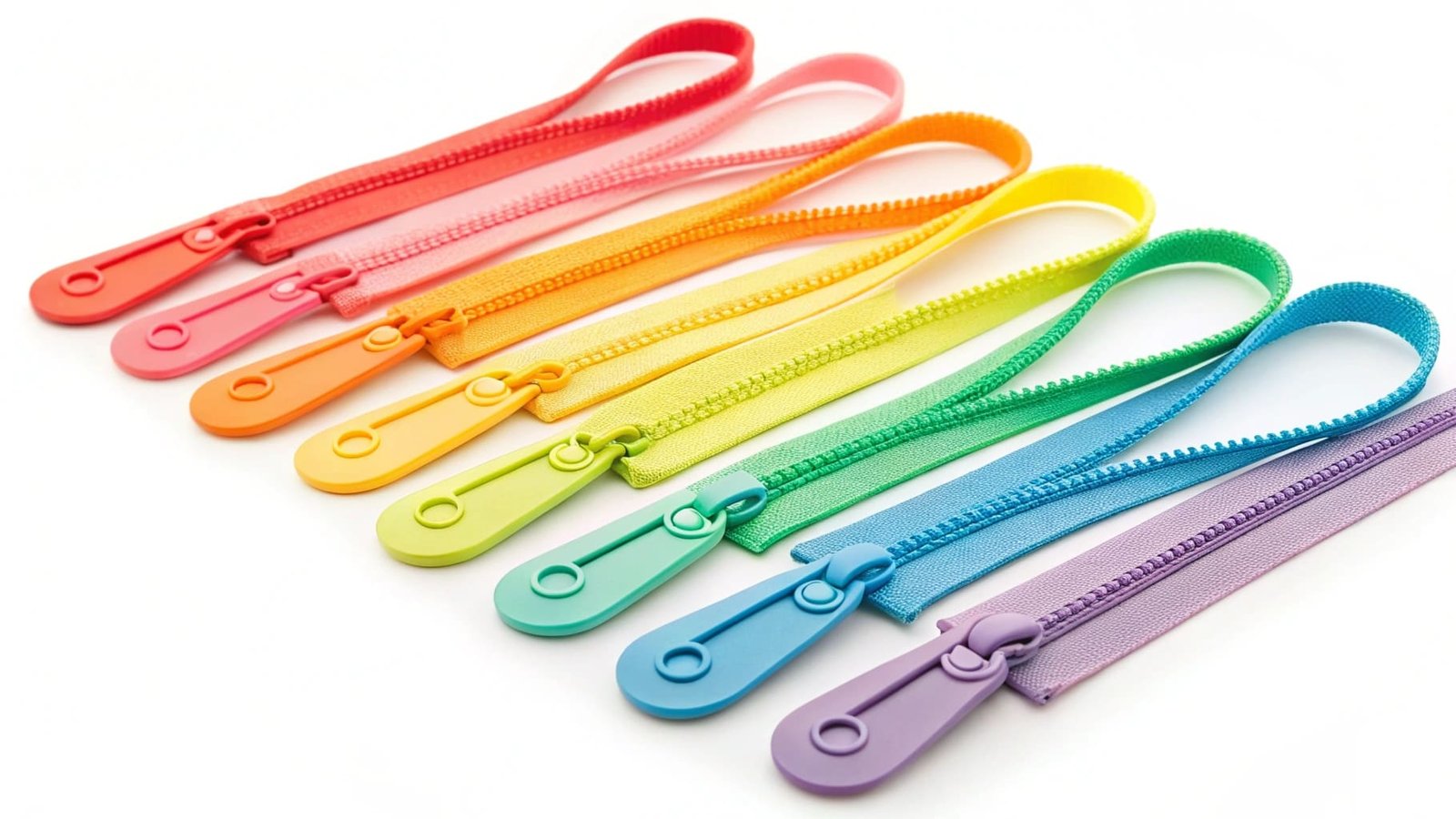
Zippers fall into three main types: coil (nylon), metal, and molded plastic. Check the teeth appearance and flexibility. Coil zippers have continuous spiral teeth, metal zippers2 show individual metal teeth, and molded plastic has bulky teeth formed as one piece with the tape.
Identifying Zipper Types in Your Inventory
I walk through production facilities and see the same confusion repeatedly. Teams mix different zipper types without labeling them properly. This creates problems when ordering replacement parts or accessories.
Coil zippers feel smooth and flexible. The teeth form a continuous spiral, usually made from polyester or nylon. These are the most common type in athletic wear and lightweight jackets. They work well with snap-on silicone pulls because the slider tabs are usually consistent in size.
Metal zippers feel rigid and make a distinct sound when you operate them. Individual metal teeth attach to fabric tape. You find these on jeans, heavy jackets, and bags. Metal zipper sliders often have larger tabs, which work better with cord-attached silicone pulls.
Molded plastic zippers have thick, individual teeth that look like they were injected as one piece. They appear in waterproof jackets and outdoor gear. The slider tabs vary more in size and shape, so you need careful measurement before ordering pulls.
Here is how I identify them quickly:
| Zipper Type | Visual Characteristics | Flexibility Test | Common Applications |
|---|---|---|---|
| Coil (Nylon) | Spiral continuous teeth | Very flexible | Sportswear, light jackets |
| Metal | Individual metal teeth | Rigid | Jeans, heavy jackets |
| Molded Plastic | Bulky individual teeth | Moderately flexible | Outdoor gear, waterproof items |
Checking for Brand Specifications
Many manufacturers use branded zippers like YKK, SBS, or KCC. These brands stamp their logo on zipper pulls or sliders. I always tell clients to photograph these markings. This information helps suppliers provide exact-match accessories.
YKK zippers are the industry standard. They use specific size codes that correspond to exact measurements. A YKK #5 coil zipper always has the same slider dimensions. This consistency makes ordering silicone covers much easier. I keep YKK specification sheets in my office for quick reference.
Generic zippers present more challenges. They may not follow standard sizing conventions. You need to measure each component manually. I worked with a startup that used budget zippers from a local supplier. Every batch had slight size variations. We had to create custom silicone pulls with wider tolerance ranges to accommodate these differences.
Understanding Attachment Mechanism Compatibility
Different zipper types need different pull attachment methods. This is where many bulk orders go wrong. The silicone pull must match both the zipper type and the slider design.
Coil zippers typically have slider tabs with small rectangular holes. Snap-on covers work perfectly here. The hole size is consistent across batches, making bulk orders predictable. Your production team can install these covers quickly without tools.
Metal zippers often have larger, irregular tab shapes. Some have diamond-shaped holes, others have slots. Cord attachment works better because it adapts to these variations. Your team needs about 30 seconds per pull to thread and tie the cord, but the connection is very secure.
Molded plastic zippers present the most variety. Some have tabs similar to coil zippers, others resemble metal designs. I always request zipper samples from clients before quoting on silicone pulls. This prevents mismatched orders and returns.
Conclusion
Finding the right silicone zipper pull covers requires checking compatibility, measuring accurately, and identifying your zipper types. Test samples before bulk orders to ensure smooth production integration and avoid costly delays.