How to Negotiate Pricing for Large Volume Silicone O-Ring Kit Orders?
Last month I lost a deal because I focused only on unit price. The buyer wanted 50,000 pieces but I missed the total cost picture. My competitor won by showing the complete value.
When you order silicone O-ring kits in bulk, your negotiation power comes from understanding cost drivers beyond the price tag. Bundle standard sizes to cut tooling costs1 by thirty percent, align compression specs with manufacturing efficiency, and match materials to your actual pressure requirements.
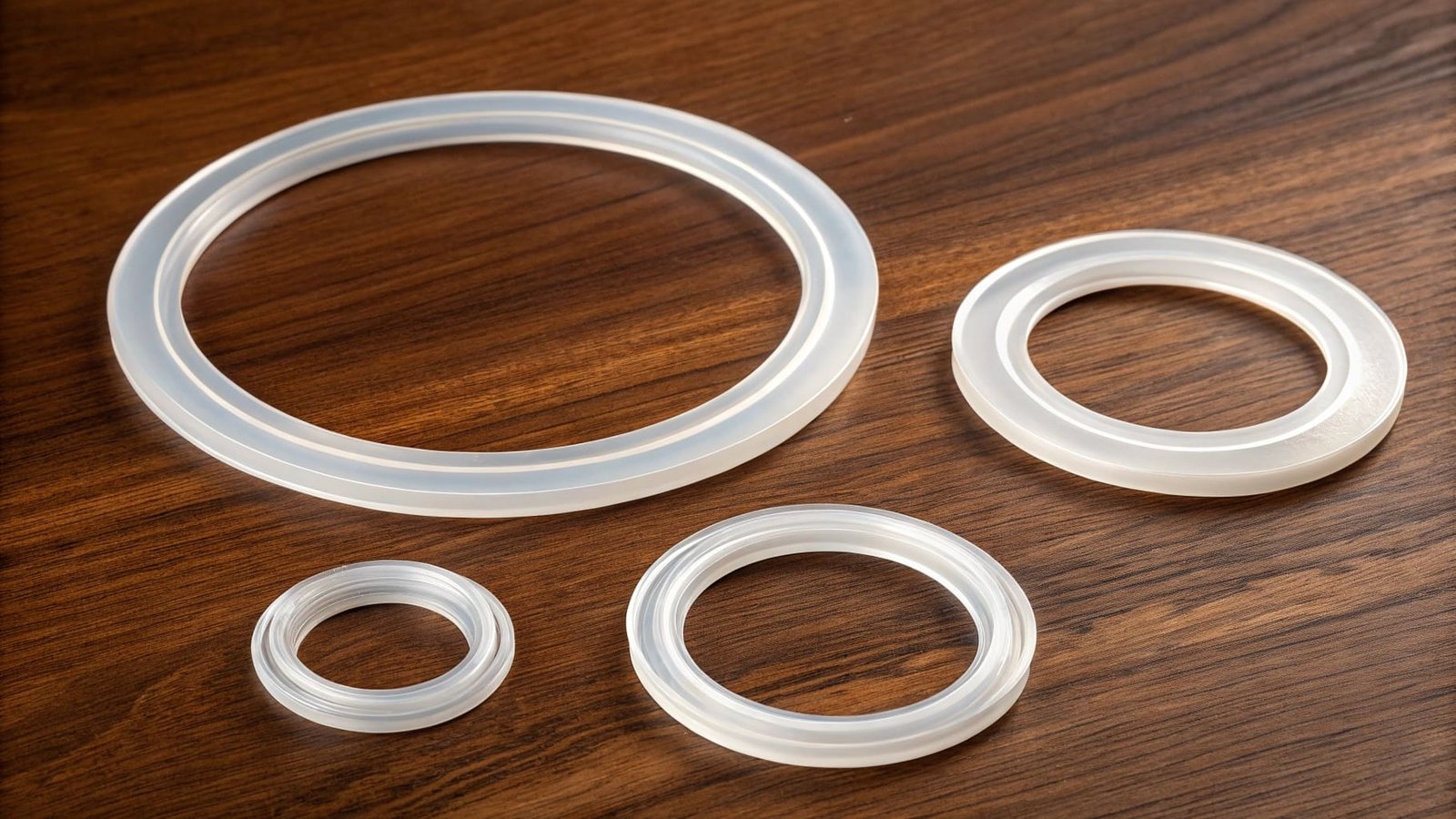
I learned this lesson the hard way after five years in the silicone accessories business. The buyers who get the best deals are not the ones who push hardest on price. They are the ones who understand what drives manufacturing costs and work with suppliers to optimize the entire order structure.
Is O-ring expensive?
You look at the quote and think the price seems high. Your finance team questions the cost per piece. You worry about staying within budget while maintaining quality standards.
Silicone O-rings sit in the mid-tier price range compared to other elastomers. They cost more than basic rubber but less than specialty compounds like FFKM. Your actual expense depends on size, hardness rating, certifications, and order volume.
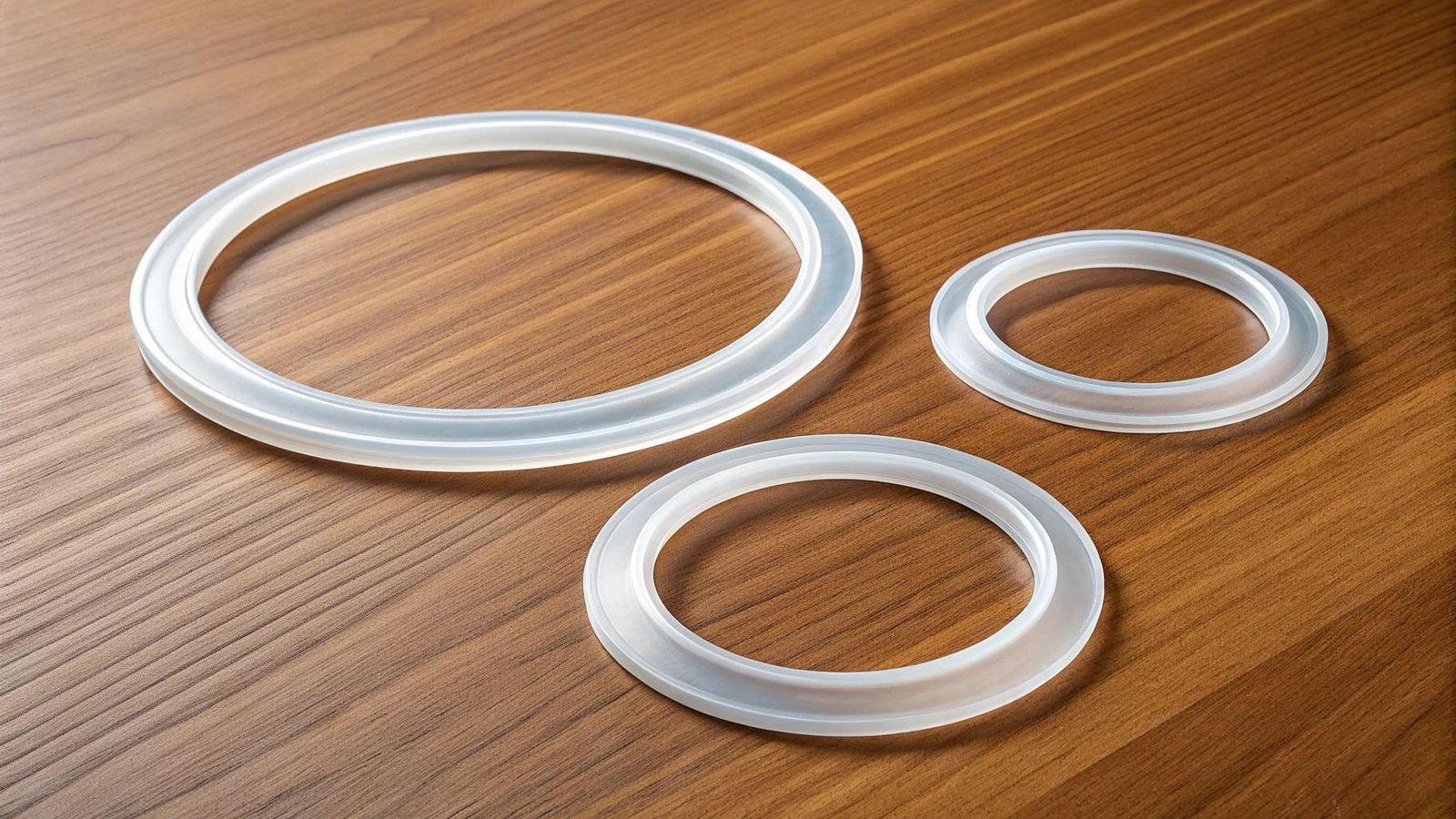
Breaking Down the Real Cost Structure
I see this confusion with almost every new client at silijoy. They compare our silicone O-rings to cheap rubber alternatives and assume we are overcharging. But the comparison itself is flawed.
Let me show you what actually determines O-ring pricing. Material grade comes first. Food-grade silicone with FDA approval2 costs more than industrial grade because of strict raw material requirements and batch testing. REACH compliance for European markets adds another layer of certification expense. Medical-grade silicone sits at the top of the price scale.
Size and complexity matter more than most buyers realize. A simple 10mm O-ring uses less material and simpler tooling than a custom 200mm seal. Cross-section thickness directly impacts material consumption. Thicker seals need more raw silicone, which increases both material and curing time costs.
Here is the pricing breakdown I use when explaining costs to buyers:
| Cost Factor | Budget Impact | Negotiation Opportunity |
|---|---|---|
| Base Material Grade | 20-30% | Choose appropriate grade for application |
| Certifications | 10-15% | Bundle similar cert requirements |
| Tooling | 15-25% | Order standard sizes or commit to high volume |
| Size and Complexity | 20-35% | Optimize design for manufacturing efficiency |
| Order Volume | Variable | Commit to annual contracts for discounts |
Volume commitment changes everything in pricing discussions. When Mark or similar procurement officers approach me with orders below 5,000 pieces, I cannot offer the same rates as 50,000-piece annual contracts. The tooling setup cost gets distributed across fewer units.
I always tell buyers to think about total cost of ownership rather than unit price. A slightly more expensive silicone O-ring that lasts twice as long actually costs less over time. When you factor in replacement labor, downtime, and warranty claims, paying twenty percent more upfront often saves forty percent long-term.
What percentage of compression is needed for silicone O-ring?
Your engineer specifies an O-ring but the seal keeps failing. You increase the compression rate thinking tighter is better. The O-ring deforms permanently and you face expensive returns from your customers.
Silicone O-rings need fifteen to twenty-five percent compression for static applications. Dynamic seals require tighter tolerances. This compression rate ensures proper sealing without permanent deformation or material failure.
Understanding Compression and Its Cost Impact
This technical specification directly affects your negotiating position with suppliers. I will explain why.
When you specify higher compression rates, you force tighter manufacturing tolerances. The supplier needs to control cross-section thickness within narrower limits. This requires more quality control steps, more rejected pieces, and ultimately higher costs that get passed to you.
Compression percentage also determines how much material goes into each O-ring. A design requiring twenty-five percent compression needs a thicker cross-section than one needing fifteen percent compression. Thicker cross-sections mean more raw silicone per piece.
Let me break down the compression requirements by application:
| Application Type | Recommended Compression | Tolerance Requirements | Cost Multiplier |
|---|---|---|---|
| Static Face Seal | 15-20% | Standard | 1.0x |
| Static Groove Seal | 20-25% | Tight | 1.2x |
| Low-Speed Dynamic | 10-15% | Very Tight | 1.4x |
| High-Speed Dynamic | 8-12% | Critical | 1.8x |
I use this knowledge during price negotiations with my own raw material suppliers. When a buyer comes to me with specifications calling for critical tolerances, I need to communicate why the price reflects that requirement. But here is the opportunity: many buyers specify tighter tolerances than their application actually needs.
I remember working with a Canadian distributor last year. His technical team specified ten percent compression for a static application that really only needed standard twenty percent compression. We walked through his actual use case together. By adjusting to the appropriate compression rate, we reduced his per-piece cost by eighteen percent without compromising seal performance.
Temperature also affects compression set. Silicone maintains flexibility across wide temperature ranges, but continuous exposure above 200°C causes permanent compression set. If your application involves thermal cycling, you might need to specify higher initial compression to account for long-term set. This increases material costs but prevents seal failure.
What is the best O-ring material for high pressure?
You designed a product for high-pressure applications and assumed silicone would work. The seals fail during pressure testing. Your production line stops while you search for alternatives and your launch date slips by three months.
For pressure above 1000 PSI, nitrile or fluorocarbon compounds outperform silicone due to better extrusion resistance. Silicone works well up to 500 PSI in most applications. Material selection depends on your specific pressure range, temperature requirements, and chemical exposure.
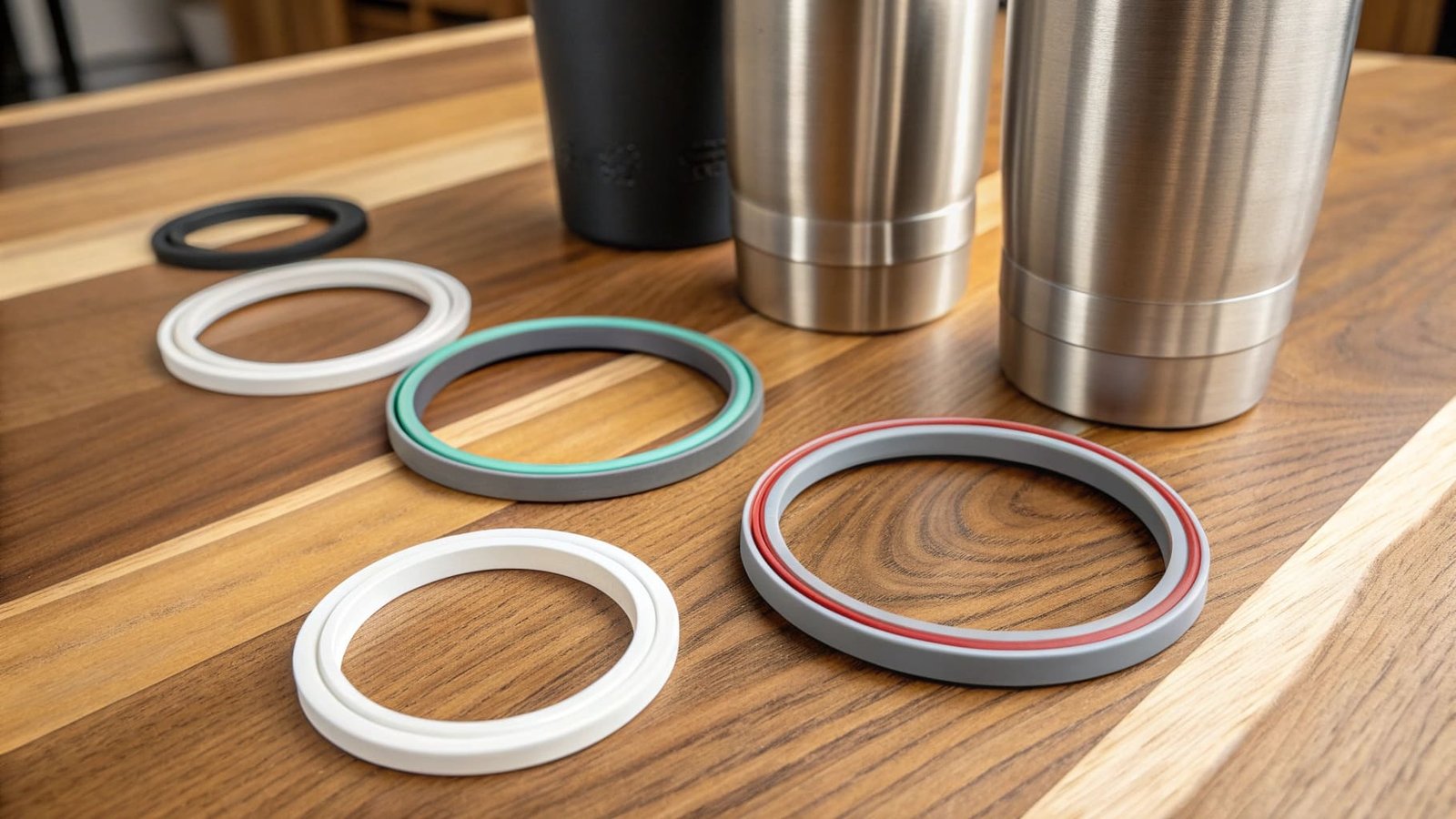
Matching Material to Application for Cost Efficiency
This is where smart buyers save money while improving performance. I see procurement officers waste budget by either over-specifying expensive materials or under-specifying cheap ones that fail in service.
Silicone offers unique advantages that sometimes justify higher costs even in high-pressure scenarios. The temperature range spans from -60°C to 230°C, far exceeding nitrile. Biocompatibility makes silicone the only choice for food contact and medical devices. Chemical resistance to water, steam, and many alcohols surpasses most other elastomers.
But extrusion resistance is where silicone falls short. When pressure exceeds 500 PSI, the seal can extrude into clearance gaps between mating surfaces. Adding backup rings helps but increases assembly complexity and cost.
Here is how I guide material selection with buyers:
| Pressure Range | Temperature | Chemical Exposure | Recommended Material | Relative Cost |
|---|---|---|---|---|
| Under 500 PSI | -60°C to 230°C | Water, steam | Silicone | Medium |
| 500-1500 PSI | -40°C to 120°C | Oils, fuels | Nitrile (NBR) | Low |
| 1000-2000 PSI | -20°C to 200°C | Aggressive chemicals | Fluorocarbon (FKM) | High |
| Above 2000 PSI | Wide range | Extreme chemicals | FFKM | Very High |
I use a collaborative approach during negotiations that often unlocks major cost savings. Instead of just quoting the silicone O-rings a buyer requests, I ask detailed questions about their application. What pressure? What temperature? What chemicals? How often do they replace seals?
Last month a buyer approached me for 20,000 silicone O-rings for a hydraulic application. The specs called for 1200 PSI continuous pressure. I could have just quoted silicone and taken the order. But I asked about his temperature range and chemical exposure. Turns out the application rarely exceeded 100°C and only contacted petroleum-based hydraulic fluid.
I recommended switching to nitrile for that specific application while keeping silicone for his other product lines where temperature extremes mattered. His blended order reduced total costs by thirty-two percent while improving seal life in the hydraulic application by forty percent. He signed a two-year contract because I helped him optimize rather than just selling him what he asked for.
Sometimes a hybrid kit configuration makes the most sense. I create custom O-ring kits that include nitrile for high-pressure positions, silicone for high-temperature locations, and EPDM for water-contact points. This targeted material selection cuts costs by twenty to forty percent compared to using premium materials everywhere.
The negotiation leverage comes from presenting detailed application data to your supplier. When you show pressure curves, temperature ranges, and chemical exposure profiles, good suppliers can engineer cost out of the solution. We might suggest different durometer hardnesses, optimize cross-sections, or recommend backup ring configurations that let you use less expensive base materials.
Conclusion
Smart O-ring negotiations balance technical requirements with manufacturing realities. Understand material properties, specify appropriate compression rates, and work with suppliers to optimize kit configurations for your actual needs.