How to Select Medium Bottle Boots for OEM Hydration Product Manufacturing?
Last month, one of my clients lost a $200,000 order because their bottle boots cracked during a routine quality check. The buyer walked away. This happens more often than you think. Choosing the right silicon bottle boot determines whether your OEM hydration products succeed or fail in competitive markets.
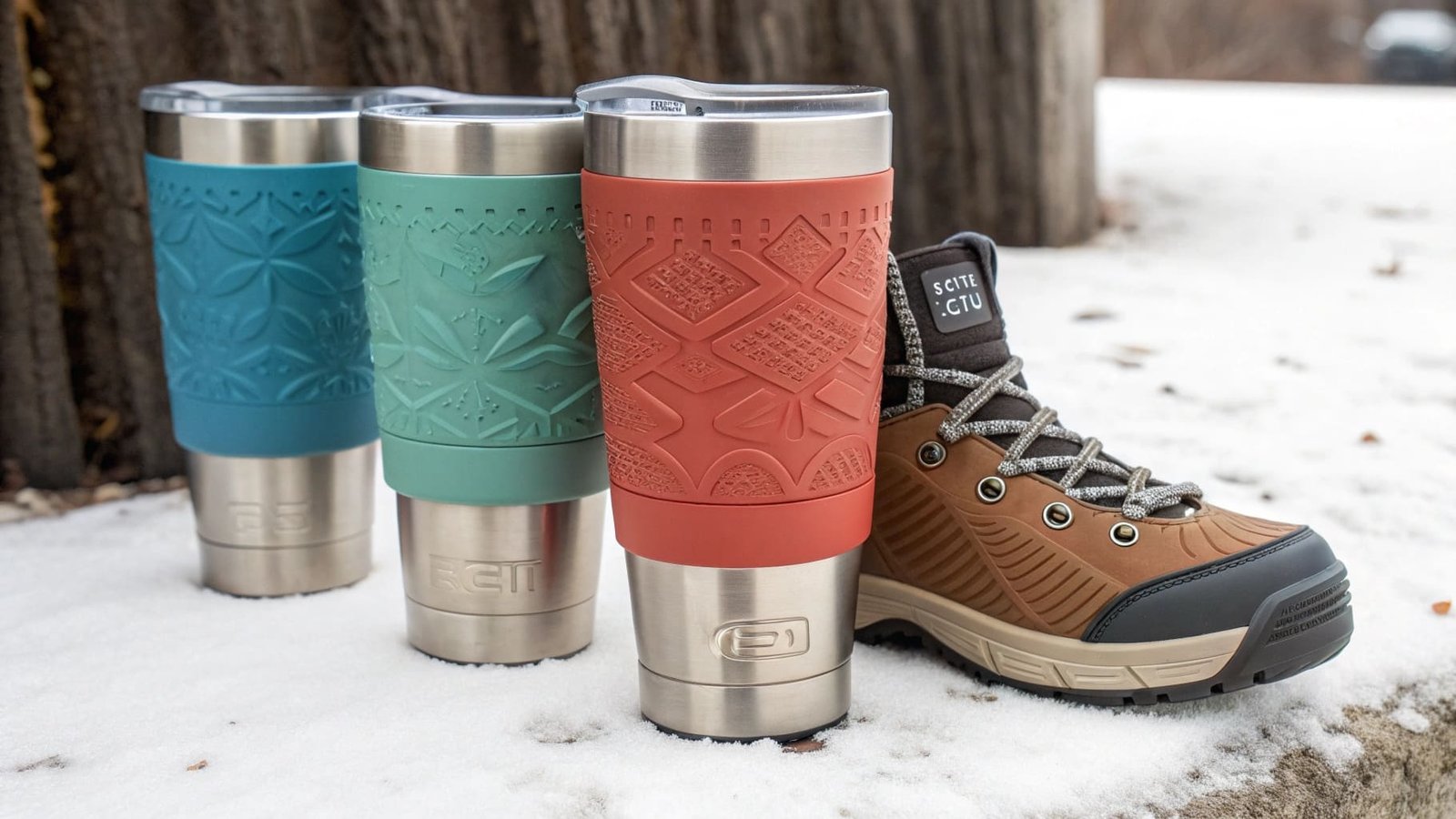
The best medium bottle boots combine food-grade silicone1 material, precise dimensional fit for 750ml bottles, and reinforced stress points. Quality boots stretch 20-30% from resting size, maintain 2-3mm thickness consistency, and include anti-slip textures. They must pass FDA or LFGB certification and fit snugly without gaps at the bottle base.
I have worked with over 300 OEM buyers in the past ten years. The buyers who understand boot selection basics avoid costly mistakes. They build stronger brands. They keep their customers happy. Let me share what I learned from these partnerships and the failures I witnessed along the way.
What Makes a High Quality Boot?
You receive a sample from your supplier. It looks perfect. The color matches your specification. The price fits your budget. But quality goes far beyond surface appearance. Many buyers discover quality issues only after receiving full production batches and facing returns from their own customers.
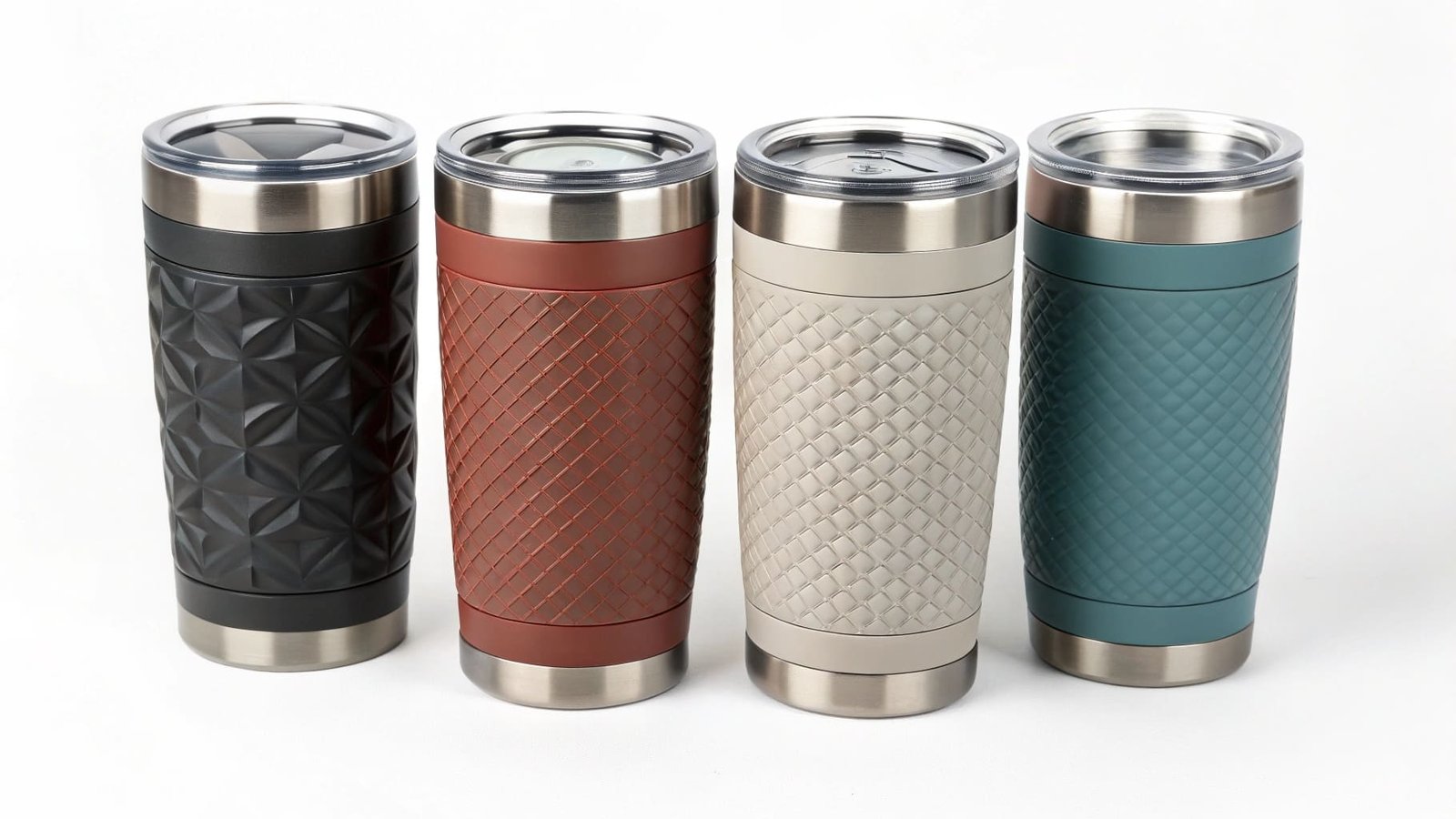
A high quality silicon bottle boot demonstrates material integrity, functional performance, and manufacturing precision2. The silicone must be 100% food-grade with valid certifications. It should maintain flexibility in both cold storage and hot washing cycles. The boot protects the bottle from drops and scratches while adding minimal weight to the final product.
Material Quality Standards
Food-grade certification stands as the foundation. I always tell buyers to request both FDA and LFGB certificates. Some suppliers show you fake documents. I have seen this happen at least twenty times. You need to verify these certificates directly with testing laboratories. The certificate should list the specific product being tested, not just a general material type.
The silicone durometer rating affects both protection and user experience. Most quality bottle boots use 40-60 Shore A hardness. Softer materials feel nice but wear out quickly. Harder materials last longer but reduce grip comfort. I recommend 50 Shore A for medium bottles because it balances durability with handling comfort.
Temperature resistance matters for real-world use. Quality boots handle -40°C to 230°C without breaking down. Your customers might put bottles in freezers or leave them in hot cars. The silicone should not become brittle in cold or sticky in heat.
| Quality Factor | Standard Requirement | Testing Method |
|---|---|---|
| Food Safety | FDA/LFGB certified | Third-party lab test |
| Hardness | 40-60 Shore A | Durometer measurement |
| Temperature Range | -40°C to 230°C | Thermal cycle testing |
| Thickness | 2-3mm consistent | Caliper measurement |
| Tensile Strength | ≥6.0 MPa | Tension test |
Design Features That Matter
Anti-slip texture patterns prevent bottles from sliding off surfaces. I learned this after a buyer told me their customers complained about bottles tipping over. The pattern depth should be 0.5-1mm. Deeper patterns collect dirt. Shallower patterns provide insufficient grip.
Reinforced bottom sections extend boot lifespan significantly. The bottom takes the most impact when users set bottles down. I recommend double-thickness bottoms or honeycomb internal structures. This small design change can triple the boot's useful life.
Proper lip design around the bottle mouth prevents water from getting trapped. Trapped moisture creates mold growth. The boot should end 5-10mm below the bottle mouth. This allows air circulation while still protecting the bottle body.
How to Decide Boot Size?
I once met a buyer who ordered 10,000 boots without testing fit. Half were too loose. Half were too tight. He lost money and wasted three months finding a new supplier. Size selection requires careful measurement and testing. You cannot guess based on bottle volume alone.
Silicon boot sizing depends on bottle dimensions, stretch properties, and intended fit tension. Measure your bottle's base diameter, maximum body diameter, and height. The boot should stretch to fit snugly without excessive force. A proper fit stays in place during normal handling but removes easily for cleaning.
Understanding Silicon Stretch Properties
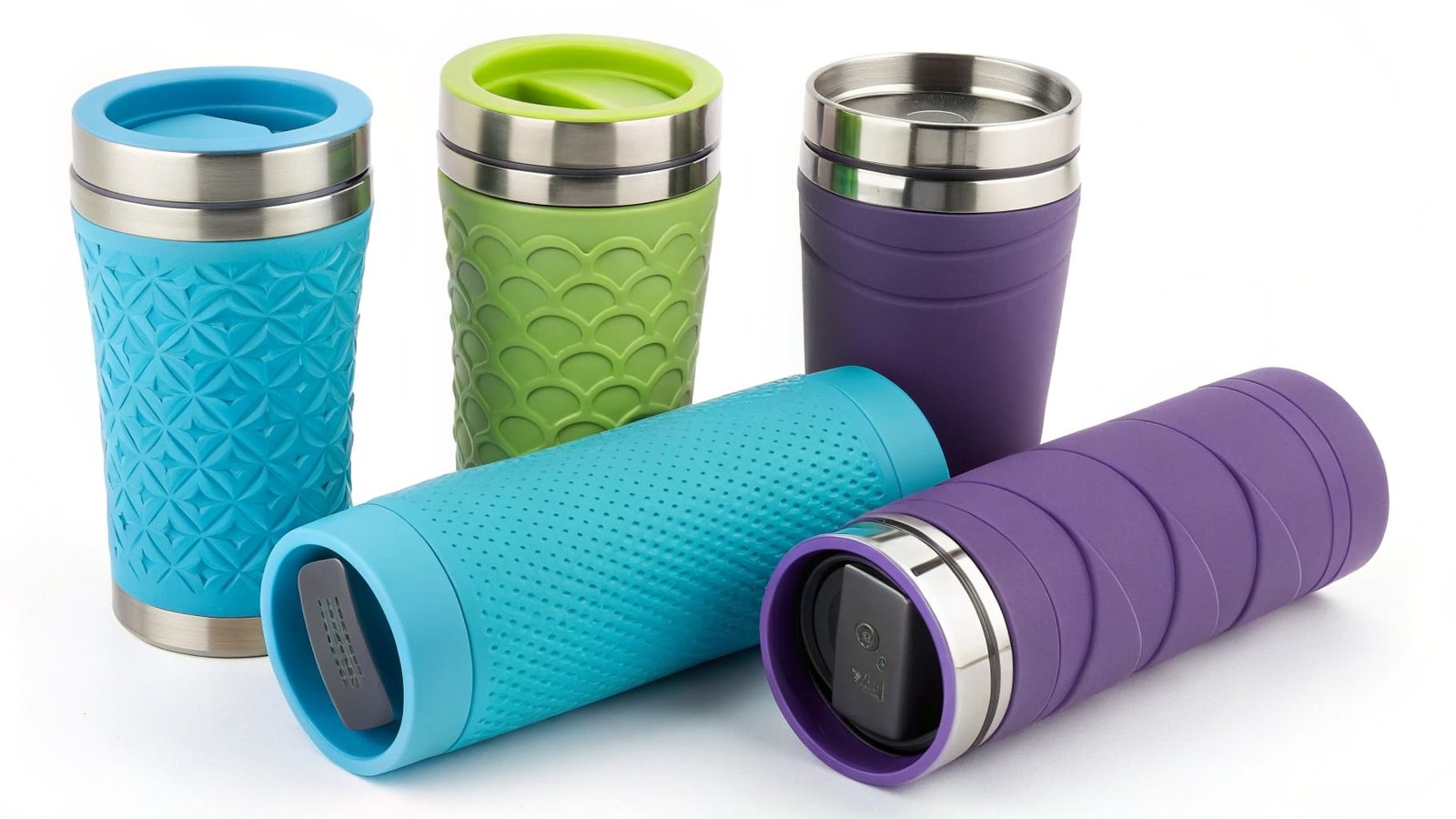
Silicon naturally stretches 20-30% from its resting state. This means you need to calculate the relaxed boot dimensions. A 750ml bottle typically measures 70mm in diameter. The boot for this bottle should have a relaxed inner diameter of 54-56mm. This creates the right amount of stretch tension.
Too much stretch stress causes premature tearing. Too little creates a loose fit that slides around. I test this by measuring the force needed to install the boot. It should require moderate pressure but not strain. If installation feels difficult, the boot is undersized.
Different bottle shapes require different boot designs. Straight-walled bottles need consistent diameter boots. Tapered bottles need boots with varying wall angles. Bottles with pronounced shoulders need boots with accommodation curves. One boot design does not fit all bottle types.
Size Testing Protocol
I always recommend a three-step testing process. First, test the boot on the actual bottle design. Check for gaps at the base and proper coverage height. Second, perform a drop test from 1.5 meters onto concrete. The boot should stay in place and show no tearing. Third, test removal and reinstallation ten times. The boot should maintain fit quality without loosening.
Create a size chart for your full bottle range. Document the relaxed dimensions that work for each bottle size. This saves time when you add new bottle designs or reorder from suppliers. I maintain these charts for all my clients. It prevents sizing errors during repeat orders.
| Bottle Size | Diameter | Height | Boot Inner Diameter | Boot Height |
|---|---|---|---|---|
| 500ml | 65mm | 210mm | 50-52mm | 215mm |
| 750ml | 70mm | 270mm | 54-56mm | 275mm |
| 1000ml | 75mm | 310mm | 58-60mm | 315mm |
Common Sizing Mistakes
Many buyers make the mistake of ordering boots based only on bottle volume. Volume does not determine boot size. Two different 750ml bottles can have completely different dimensions. Always measure the actual bottle shape.
Another common error involves assuming all silicone stretches equally. Different silicone grades have different stretch characteristics. Medical grade silicone stretches less than food grade. Recycled silicone may have unpredictable stretch properties. Test your specific silicone batch before mass production.
Some buyers order boots that cover the entire bottle including the mouth area. This looks protective but creates practical problems. Users cannot grip the bottle cap properly. Condensation gets trapped. The boot interferes with drinking. Keep boots away from the functional areas of the bottle.
What Not to Use on Silicon Bottle Boots?
A client once asked me why their boots became sticky after a few weeks. Their factory workers had sprayed silicon lubricant during assembly. This seemed logical. They were working with silicon products after all. But silicon spray actually damages boots and reduces their protective properties. Many treatments that work for leather or rubber fail with food-grade silicon.
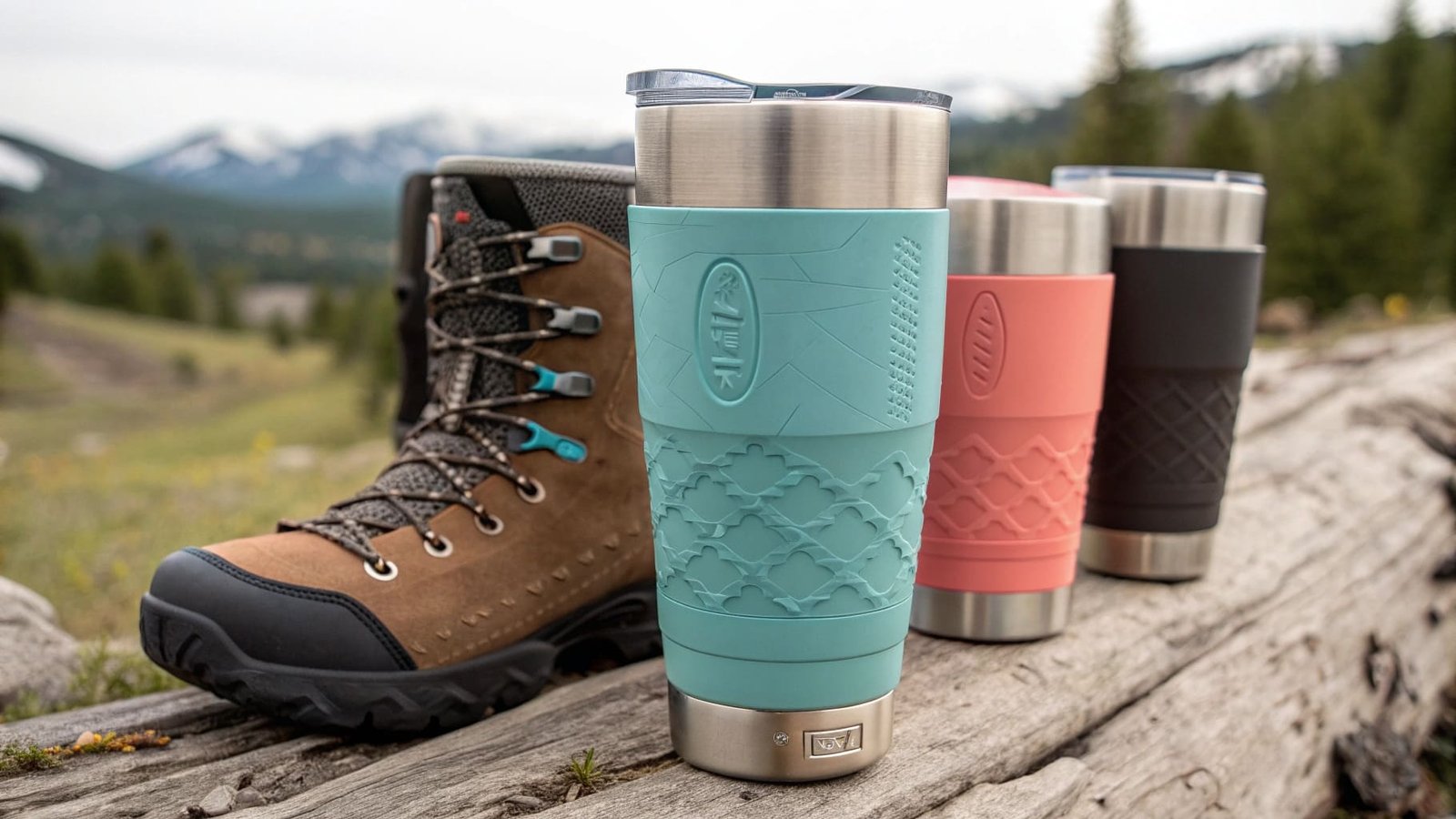
Never apply petroleum-based products, silicon spray lubricants, or harsh chemical cleaners to silicon bottle boots. These substances degrade the molecular structure, reduce anti-slip properties, and may introduce food safety concerns. Use only mild soap and water for cleaning. Avoid any oils, waxes, or conditioning treatments marketed for other boot materials.
Why Petroleum Products Damage Silicon
Petroleum-based products contain hydrocarbons that break silicon bonds. I have seen boots become brittle and crack within weeks of petroleum exposure. The damage starts internally. You cannot see it until the boot fails. Even small amounts of petroleum jelly, mineral oil, or petroleum-based lubricants cause progressive deterioration.
The molecular structure of silicon differs fundamentally from rubber or leather. Treatments designed for those materials assume different chemical properties. What preserves leather often destroys silicon. This matters especially for food-contact items where material integrity affects safety certifications.
Avoiding Assembly Shortcuts
Factory workers sometimes look for ways to speed up boot installation. They spray lubricants or apply powder to ease fitting. These shortcuts create long-term problems. Silicon spray attracts dust and dirt. The boots become grimy. The anti-slip texture stops working properly. Customers complain about poor quality even though the base product is good.
Powder treatments seem harmless but they fill the texture patterns. This eliminates the grip function that makes silicon boots valuable. Customers expect boots to prevent slipping. When powder removes this function, you lose a key selling point. The small time saved during assembly costs you customer satisfaction.
Material Selection Requirements
Some suppliers offer recycled silicon3 at lower prices. I advise against this for hydration products. Recycled silicon may contain contaminants from previous uses. These contaminants affect both safety certifications and performance consistency. You cannot verify what went into the recycled material. The risk to your brand reputation exceeds any cost savings.
Low-grade silicon with inconsistent durometer ratings creates quality control nightmares. One batch might be perfect. The next batch might be too soft or too hard. Your customers receive inconsistent products. They lose trust in your brand. I have watched companies damage their market position by accepting inconsistent silicon quality.
Virgin food-grade silicon costs more initially but delivers predictable performance. Every batch meets the same standards. Testing results remain consistent. Certifications stay valid. You can confidently specify your product quality to buyers. This reliability justifies the higher material cost through reduced returns and stronger brand reputation.
Conclusion
Selecting quality silicon bottle boots requires understanding material standards, precise size matching, and proper care protocols. Test thoroughly before committing to large orders. Partner with suppliers who demonstrate technical expertise and consistent quality.
-
Learn why food-grade silicone is essential for safety and quality in hydration product manufacturing. ↩
-
Understand the importance of precision in manufacturing for achieving high-quality silicone products. ↩
-
Understand the potential issues with recycled silicon and why virgin materials are often a better choice. ↩