How to Select Stainless Steel Tumbler Lid Gaskets for High-Volume Production?
Your latest tumbler order ships in six weeks. Then customer complaints flood in about leaking lids. You trace the problem back to cheap gasket material that failed quality standards.
For high-volume production above 10,000 units, gasket selection determines your product's seal performance and warranty costs. Food-grade silicone offers the best balance of compressibility, temperature resistance, and batch consistency for stainless steel tumbler lids.
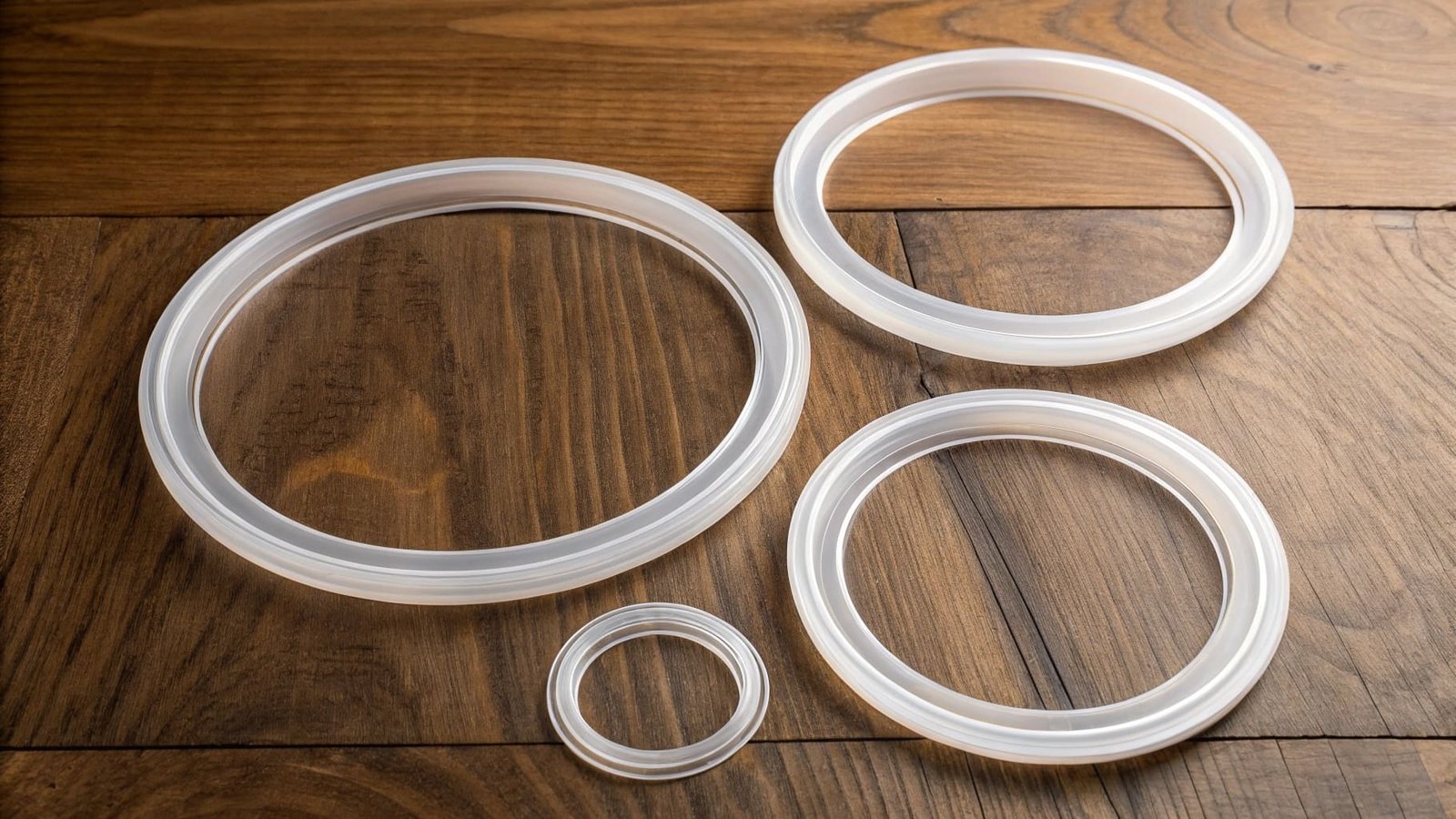
I learned this lesson the hard way back in 2018. A client ordered 50,000 tumbler lid gaskets1 from us at silijoy. They wanted the cheapest option. I warned them about potential quality issues. They insisted on cutting costs. Three months later, their return rate hit 12%. They came back asking for proper silicone gaskets. That mistake cost them far more than the initial savings.
How to choose gasket material?
Your gasket material choice affects every tumbler your company sells. Pick wrong and you face product recalls. Pick right and your customers never think about seals because they just work.
Material selection for tumbler lid gaskets1 depends on three factors: food safety certification, temperature range, and production volume consistency. Silicone rubber meets FDA standards while maintaining seal integrity from -40°C to 230°C.
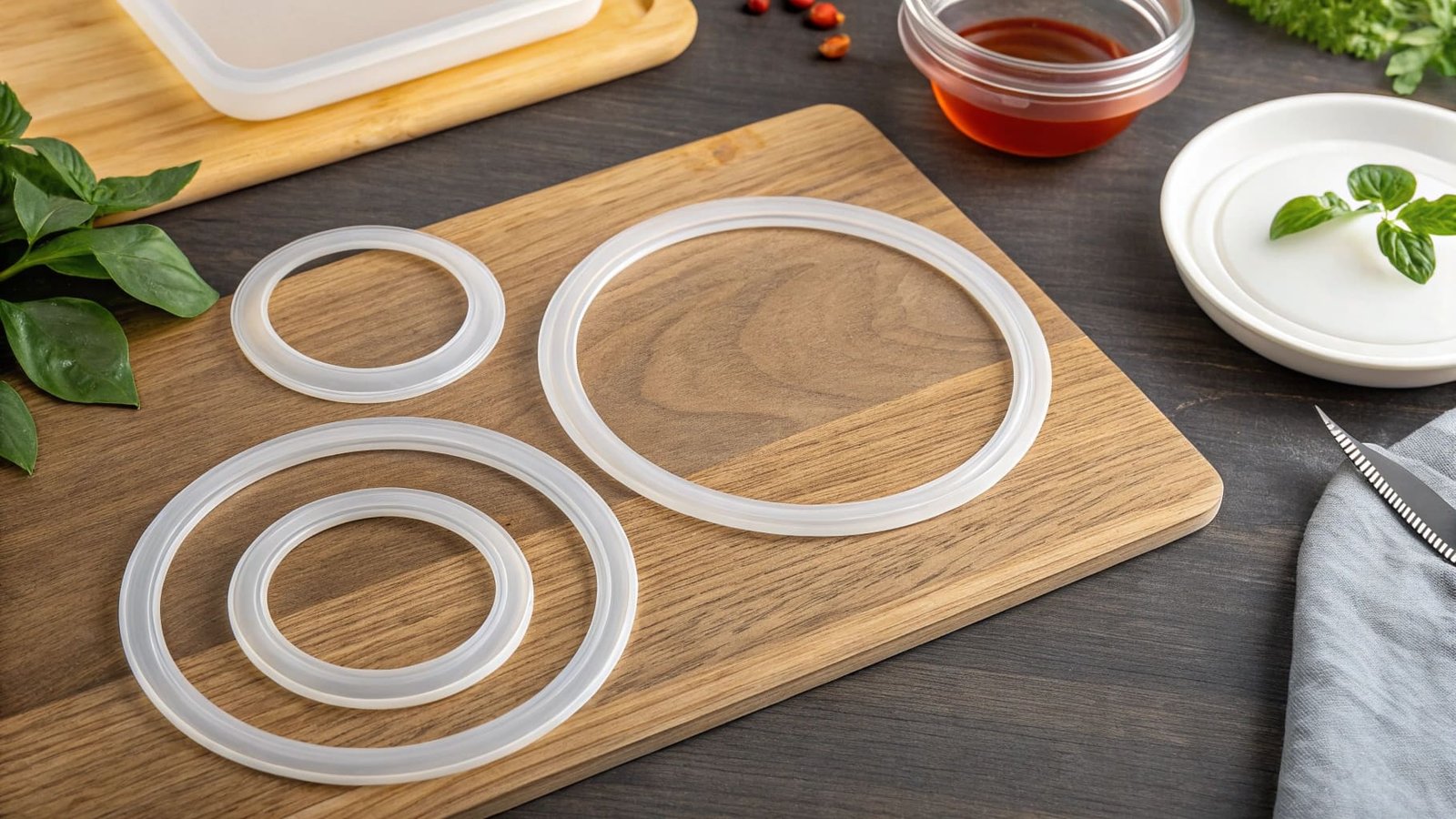
Key Factors in Gasket Material Selection
Your gasket needs to pass multiple tests before mass production starts. I test every material batch that arrives at my facility. The tests tell me if the material can handle what your customers will do to those tumblers.
Temperature resistance matters most for drinkware applications. Your customers pour boiling coffee into their tumblers. They throw them in freezers. The gasket must seal perfectly in both scenarios. Silicone maintains its flexibility across this entire temperature range. Other materials become brittle in cold or soft in heat.
Chemical resistance comes next. Coffee acids, juice sugars, and dishwasher detergents attack gasket materials. Food-grade silicone resists these chemicals without degrading. EPDM and TPE alternatives break down faster under the same conditions.
| Material Type | Temperature Range | Chemical Resistance | Food Safety | Cost Factor |
|---|---|---|---|---|
| Silicone Rubber | -40°C to 230°C | Excellent | FDA Approved | 1.3x |
| EPDM | -40°C to 120°C | Good | Limited | 1.0x |
| TPE | -30°C to 100°C | Moderate | Some grades | 0.85x |
| NBR | -35°C to 100°C | Fair | Not recommended | 0.9x |
Production consistency becomes critical at high volumes. I maintain strict batch control systems. Each raw material batch gets tested before production. This prevents the nightmare scenario where 20,000 gaskets fail because one material batch was off-spec.
What is the most compressible gasket material?
Your tumbler lid closes thousands of times during its life. Each closure compresses the gasket. Poor compressibility means the seal fails early and customers demand refunds.
Silicone rubber provides the best compressibility for food-safe gasket applications, with compression set values between 10-25% after extended use. This ensures leak-proof sealing through 5,000+ open-close cycles.
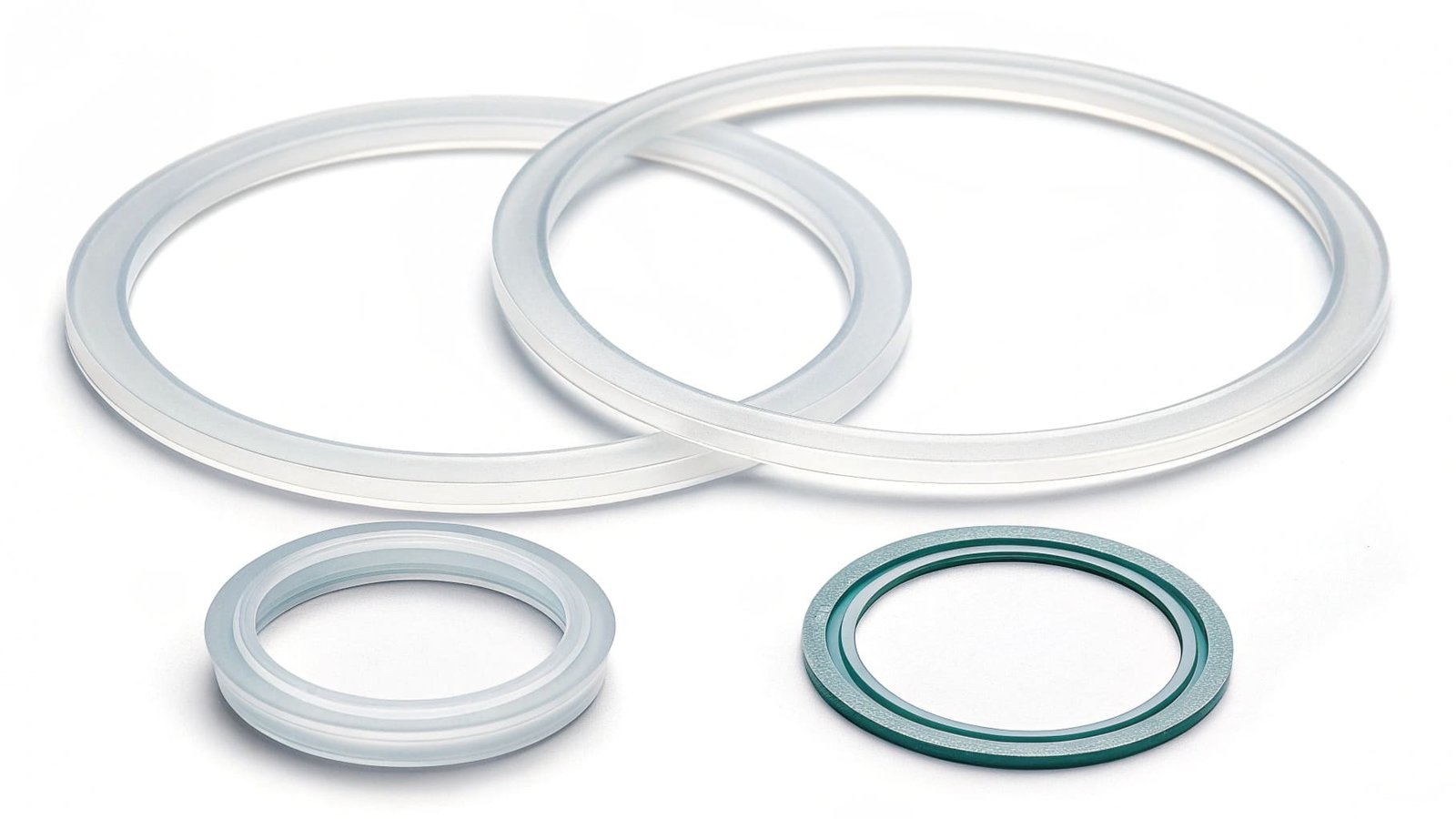
Understanding Compression Performance
Compressibility determines how well your gasket rebounds after compression. I measure this with compression set testing. Lower numbers mean better performance. The gasket returns to its original shape faster.
Shore hardness affects compression behavior directly. Most tumbler lid gaskets use silicone between 40A and 60A hardness. Softer materials (40A) compress easily but may wear faster. Harder materials (60A) last longer but require more closing force.
Your lid design interacts with gasket compression. The groove depth must match the gasket's uncompressed height. I design gaskets with 20-30% compression when the lid closes fully. This creates a reliable seal without over-stressing the material.
Testing compression set reveals material quality. I compress test samples at 70°C for 22 hours. Quality silicone shows less than 25% permanent deformation. Cheap materials exceed 40%. That extra compression set translates directly to seal failures in the field.
| Compression Factor | 40A Silicone | 50A Silicone | 60A Silicone | TPE Alternative |
|---|---|---|---|---|
| Initial Compression | 25% | 22% | 20% | 28% |
| Compression Set (22h/70°C) | 18% | 15% | 12% | 35% |
| Recovery Time | 2 seconds | 3 seconds | 4 seconds | 8 seconds |
| Expected Cycles | 8,000+ | 10,000+ | 12,000+ | 4,000+ |
High-volume production requires consistent compression performance across all units. I run compression tests on samples from the beginning, middle, and end of each production batch. This catches any material variation before it reaches your customers.
What is the most commonly used material for gaskets?
Walk into any big-box retailer and check the tumbler section. Pull out the lids. Nearly every quality brand uses silicone gaskets. This material dominates the drinkware market for good reasons.
Food-grade silicone represents 80% of tumbler lid gasket applications in the drinkware industry. Its FDA compliance, temperature stability, and consistent batch-to-batch performance make it the standard choice for quality-focused brands.
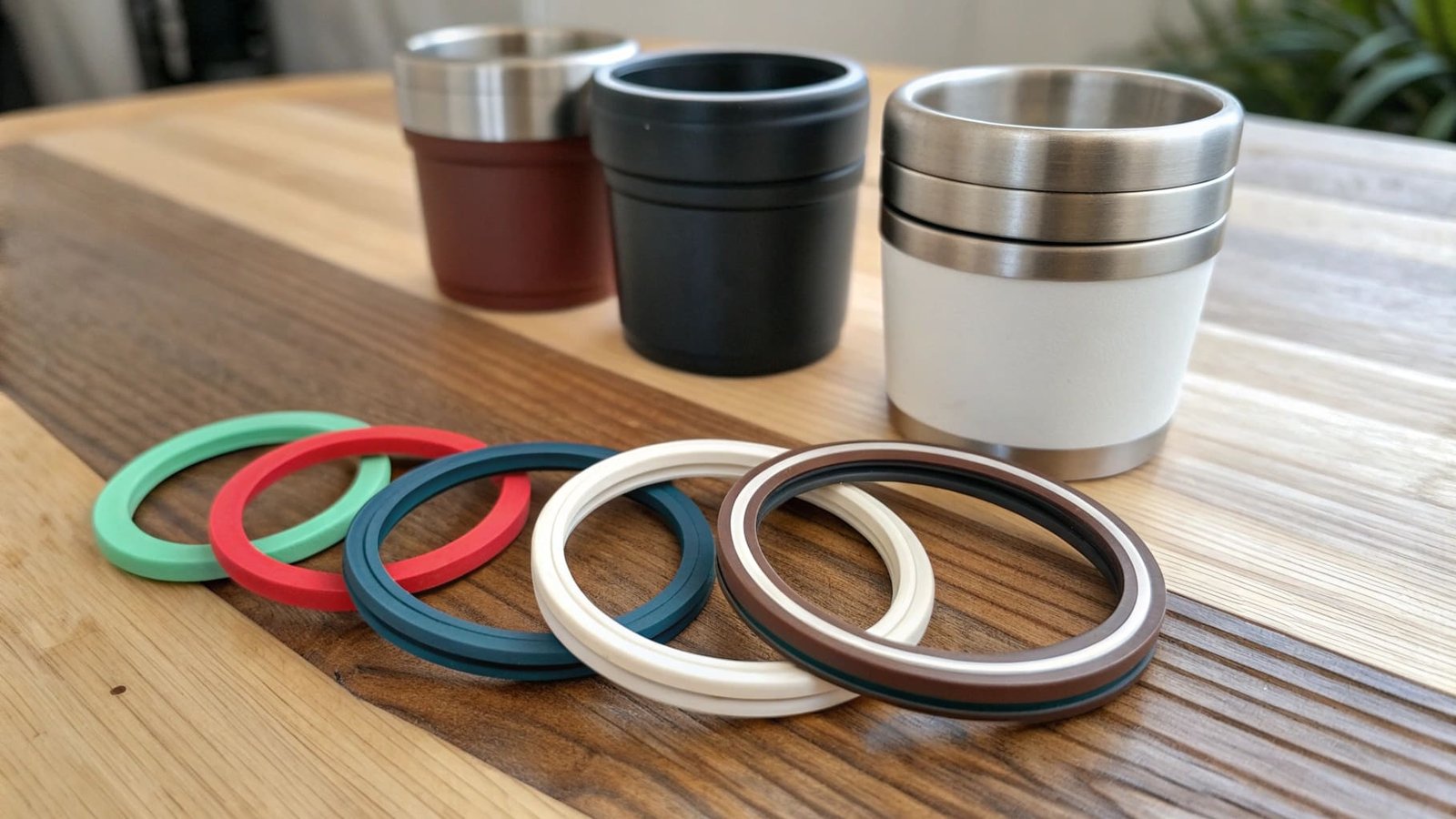
Why Silicone Dominates the Market
Silicone became the industry standard through proven field performance. I started selling tumbler gaskets in 2015. Back then, some manufacturers tried cheaper alternatives. Most switched to silicone within two years. The warranty claims drove the decision.
Food safety certification matters more now than ever. Customers research product materials before buying. Silicone carries FDA, LFGB, and other international food contact approvals. This certification reduces your legal liability and builds customer trust.
Manufacturing consistency separates professional suppliers from unreliable ones. I maintain relationships with three certified silicone raw material suppliers. Each batch comes with test reports showing material composition. This traceability becomes essential when you produce 50,000 units and need to trace a quality issue.
Cost analysis shows silicone's true value. A silicone gasket costs $0.15-0.25 per unit in high volumes. TPE alternatives cost $0.10-0.18. You save $0.07 per unit. But if your failure rate increases by 3%, that saving disappears in warranty costs. One customer return costs more than the gasket savings on 50 units.
| Decision Factor | Silicone Choice | Cost Impact | Quality Impact |
|---|---|---|---|
| Raw Material | $0.18/unit | Baseline | Excellent |
| Certification | Included | No extra cost | Full compliance |
| Failure Rate | 0.3% | Low warranty cost | High satisfaction |
| Production Consistency | High | Predictable | Reliable delivery |
| Alternative Material | $0.12/unit | -33% cost | Unknown risk |
| Alternative Failure Rate | 3.5% | 12x warranty cost | Customer complaints |
Customization options expand with high-volume orders. I can adjust shore hardness, add antimicrobial compounds, or change colors to match your brand. These modifications cost less per unit when you order 10,000+ pieces. Small orders cannot access these options economically.
Material traceability protects your brand reputation. I assign batch numbers to every production run. If a quality issue appears, I can trace it back to the specific material batch and production date. This system helped one client identify that 2,000 defective gaskets came from one bad material batch. We replaced them before any reached end customers.
Conclusion
Select gasket materials based on production volume, temperature requirements, and long-term cost analysis. Food-grade silicone delivers the best performance for high-volume tumbler production through superior compressibility and batch consistency.