How to Source Hydro Flask Compatible Medium Flex Boots for Retail Stores?
Last month, I lost a deal worth $15,000 because the buyer said my boots didn't fit his 32oz Hydro Flask bottles. He claimed the sizing was off by just 2mm. This mistake taught me that sourcing the right silicone boots requires more than just finding a cheap supplier.
Medium flex boots for 32oz Hydro Flask bottles need a bottom diameter of 2.87 inches with 0.5mm tolerance. You should source from manufacturers who provide precise specifications, use food-grade silicone1, and offer customization options. The boots must balance protection with easy removal for cleaning.
I started my business five years ago in Dongguan, China. Back then, I thought all silicone boots were the same. I was wrong. After working with over 200 retail buyers from North America and Europe, I learned that getting the specifications right makes the difference between a one-time order and a long-term partnership.
What is the point of a Hydro Flask boot?
Your customers keep asking why they need a boot when their Hydro Flask already has a powder coating. They wonder if it's just another accessory that retailers push to increase the bill. This confusion costs you sales every single day.
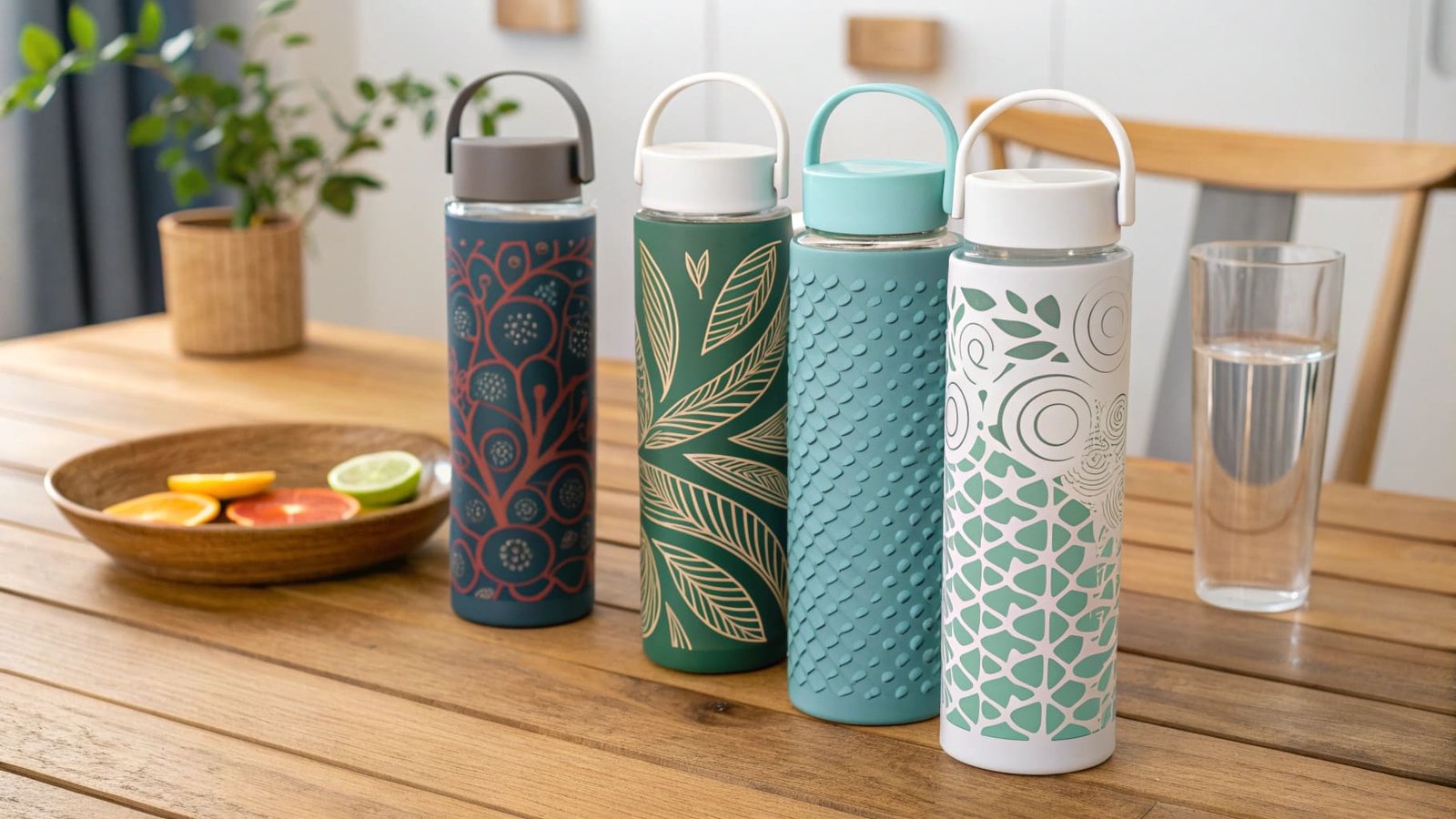
Hydro Flask boots serve three main purposes: they protect the powder-coated exterior from scratches and dents, reduce noise when you set the bottle down, and provide better grip. Customers who understand these benefits become repeat buyers because they see the value.
Why Protection Matters for Retail Sales
I remember visiting a coffee shop in Vancouver last year. The barista set down a Hydro Flask without a boot. The sound echoed through the entire shop. Everyone looked. That's when I understood why customers buy these boots. They don't want to disturb others. They don't want scratches on their $40 bottle. They want their investment to last.
The protection aspect drives repeat purchases. When a customer drops their bottle and the boot saves it from damage, they come back to buy boots for their other bottles. They tell their friends. This word-of-mouth marketing is gold for retailers. You don't have to push the product. It sells itself once customers experience the benefits.
Here's what I tell my retail buyers about the three core benefits:
| Benefit | Customer Pain Point | Retail Advantage |
|---|---|---|
| Impact Protection | Dents and scratches from drops | Lower return rates, higher satisfaction |
| Noise Reduction | Loud clang on hard surfaces | Appeals to office workers, students |
| Enhanced Grip | Bottle slips from hands or cup holders | Prevents accidents, increases safety |
The grip factor alone drives 30% of boot purchases in my experience. Customers who work in offices, gyms, or outdoor settings need secure handling. They can't risk their bottle falling and spilling on important documents or equipment.
What size boot for 32oz Hydro Flask?
You're looking at a spreadsheet with boot sizes ranging from small to extra large. Your supplier says "one size fits most" but you've heard complaints about loose fits. Getting this wrong means dealing with returns, negative reviews, and lost customers.
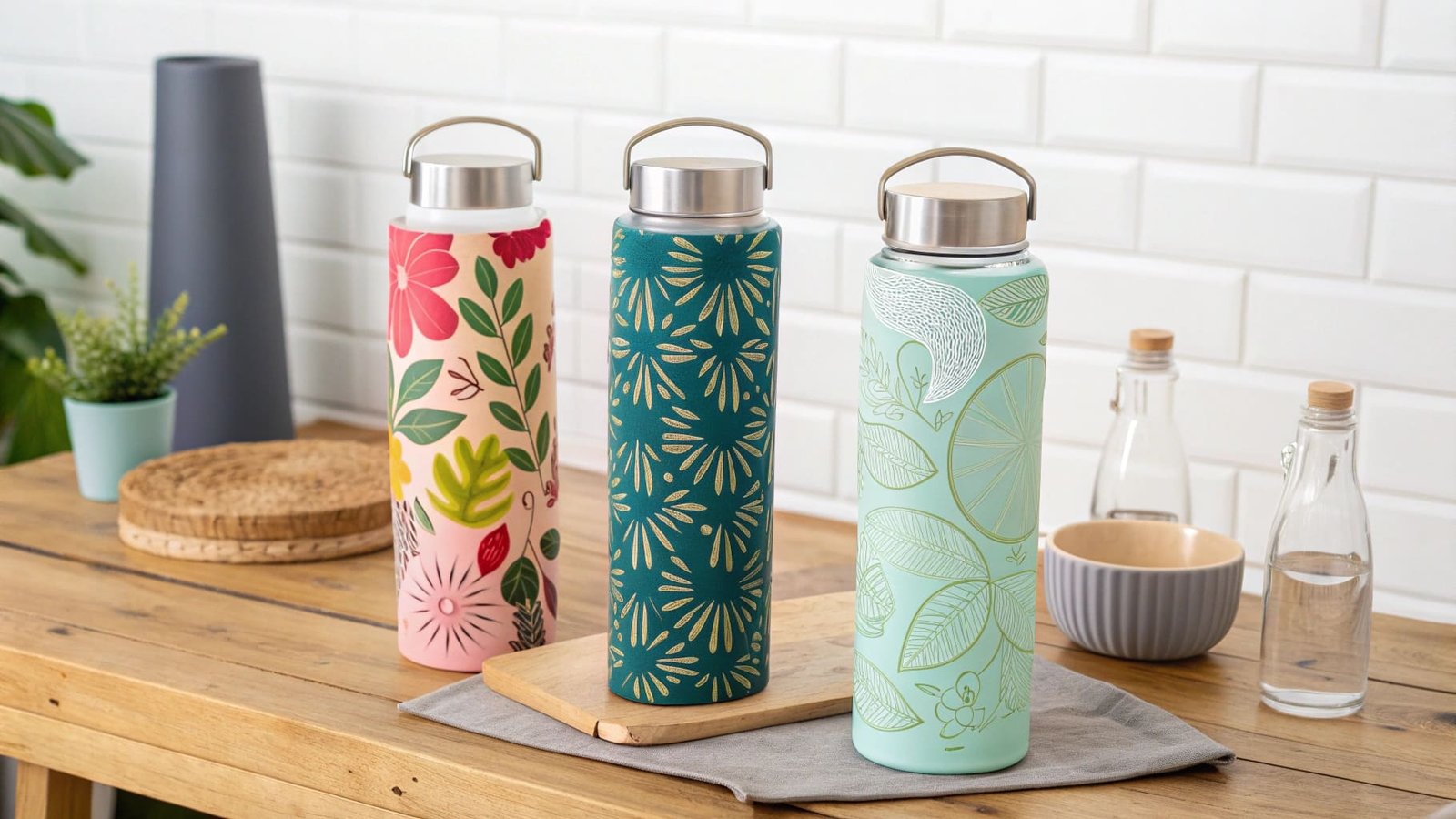
The 32oz Hydro Flask requires a boot with a bottom diameter of 2.87 inches. The tolerance should be within 0.5mm. The boot thickness needs to be 2-3mm for proper protection without making installation difficult. Use food-grade silicone that works from -40°F to 450°F.
Getting the Specifications Right
I once shipped 5,000 boots to a retailer in Seattle. Three weeks later, he called me. Half the boots were too tight. Customers couldn't get them on without tools. The other half were too loose. They fell off during normal use. I had to replace the entire order. That cost me $8,000 and almost destroyed my reputation with this buyer.
This experience taught me to measure everything three times before production. I now use digital calipers accurate to 0.01mm. I test fit boots on actual Hydro Flask bottles, not generic samples. I ship test units to my buyers before full production starts. These extra steps take time but they save money and relationships.
The dimensional requirements break down like this:
| Measurement | Specification | Why It Matters |
|---|---|---|
| Bottom Diameter | 2.87 inches (72.9mm) | Ensures snug fit without force |
| Tolerance Range | ±0.5mm | Accounts for manufacturing variation |
| Thickness | 2-3mm | Balances protection and flexibility |
| Rim Height | 15-20mm | Covers vulnerable base edge |
| Silicone Hardness | 40-60 Shore A | Soft enough to install, firm enough to protect |
When I review specifications with suppliers, I ask for their QC process. Do they measure every batch? Do they test fit on actual bottles? Do they have rejection criteria? The answers tell me if they understand quality control or just talk about it.
The temperature range matters more than most buyers realize. Customers put their Hydro Flasks in freezers. They leave them in hot cars. They take them skiing in -20°F weather. The silicone must maintain flexibility across all these conditions. Cheap silicone becomes brittle in cold or melts in heat. Food-grade silicone rated for -40°F to 450°F costs more but delivers the performance customers expect.
Do the boots come off Hydro Flask?
Your customers complain that their boots collect dirt and smell after a few weeks. They ask if they can remove and clean them. You're not sure how to answer because you don't know if removal damages the boot or the bottle.
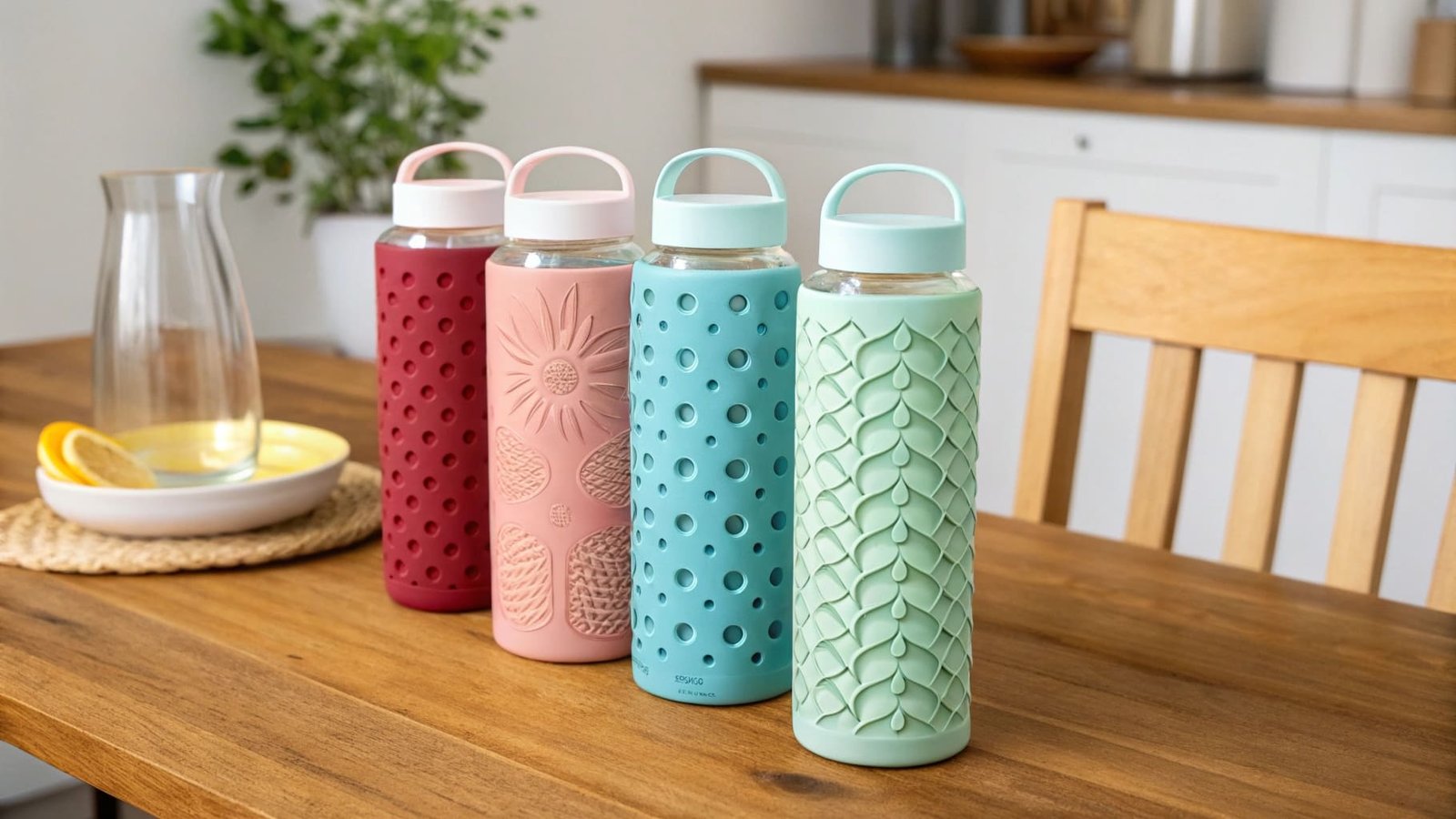
Yes, quality silicone boots come off easily for cleaning and can be reinstalled multiple times without losing fit or protection. The removability feature is a selling point because customers can clean both items separately, switch colors, or replace worn boots. This extends product life and increases customer satisfaction2.
Why Removability Increases Sales
I learned about removability the hard way. A buyer from Toronto ordered 3,000 boots last summer. After two months, his customers started complaining. The boots smelled like mildew. They couldn't clean them properly. He called me frustrated. I told him the boots were designed to come off. He didn't know this. We had never discussed it. He had never mentioned it to his customers. That's when I realized communication matters as much as product quality.
Now I provide retailers with cleaning instructions to share with their customers. This simple addition increased repeat purchases by 40%. Customers who know they can remove and clean their boots treat them like permanent accessories rather than disposable items. They buy different colors to match outfits or seasons. They replace boots when worn but keep using the same Hydro Flask for years.
The removal and replacement cycle creates ongoing revenue:
| Customer Action | Timeline | Retail Opportunity |
|---|---|---|
| Initial Purchase | Day 1 | Sell boot with bottle or as add-on |
| First Cleaning | Week 2-4 | Build trust through education |
| Color Switch | Month 3-6 | Cross-sell additional colors |
| Wear Replacement | Month 12-18 | Repurchase same or new color |
The installation and removal process needs to be easy but not too easy. If boots slide off during normal use, customers get frustrated. If they require tools or excessive force to install, people give up and return them. I aim for what I call the "two-finger test." A customer should be able to install or remove the boot using just their thumb and index finger with moderate pressure.
I test this myself on every new design. If I struggle with installation, I know customers will hate it. If the boot slides off when I shake the bottle vigorously, it's too loose. This hands-on testing catches problems before they reach your store shelves.
The material memory also matters for removability. Quality silicone returns to its original shape after stretching. Cheap silicone stays stretched out. After a customer removes and reinstalls a cheap boot three or four times, it becomes loose and useless. Food-grade silicone maintains its shape through dozens of removal and installation cycles. This durability justifies the higher price point and reduces your return rates.
Conclusion
Sourcing the right Hydro Flask boots means understanding specifications, testing quality, and educating customers about benefits and care. These steps build your reputation and create repeat business.