How to Source Outdoor Weatherproof Gasket Kits for B2B Construction Uses?
Finding the right gasket supplier1 feels overwhelming when your construction project deadlines depend on it. I have watched too many buyers struggle with suppliers who promise quality but deliver inconsistent batches.
Sourcing outdoor weatherproof gasket kits requires evaluating three core factors: material certifications, customization capabilities2, and quality consistency. Choose manufacturers with ISO 9001 certification and proven track records in construction applications rather than focusing solely on price points.
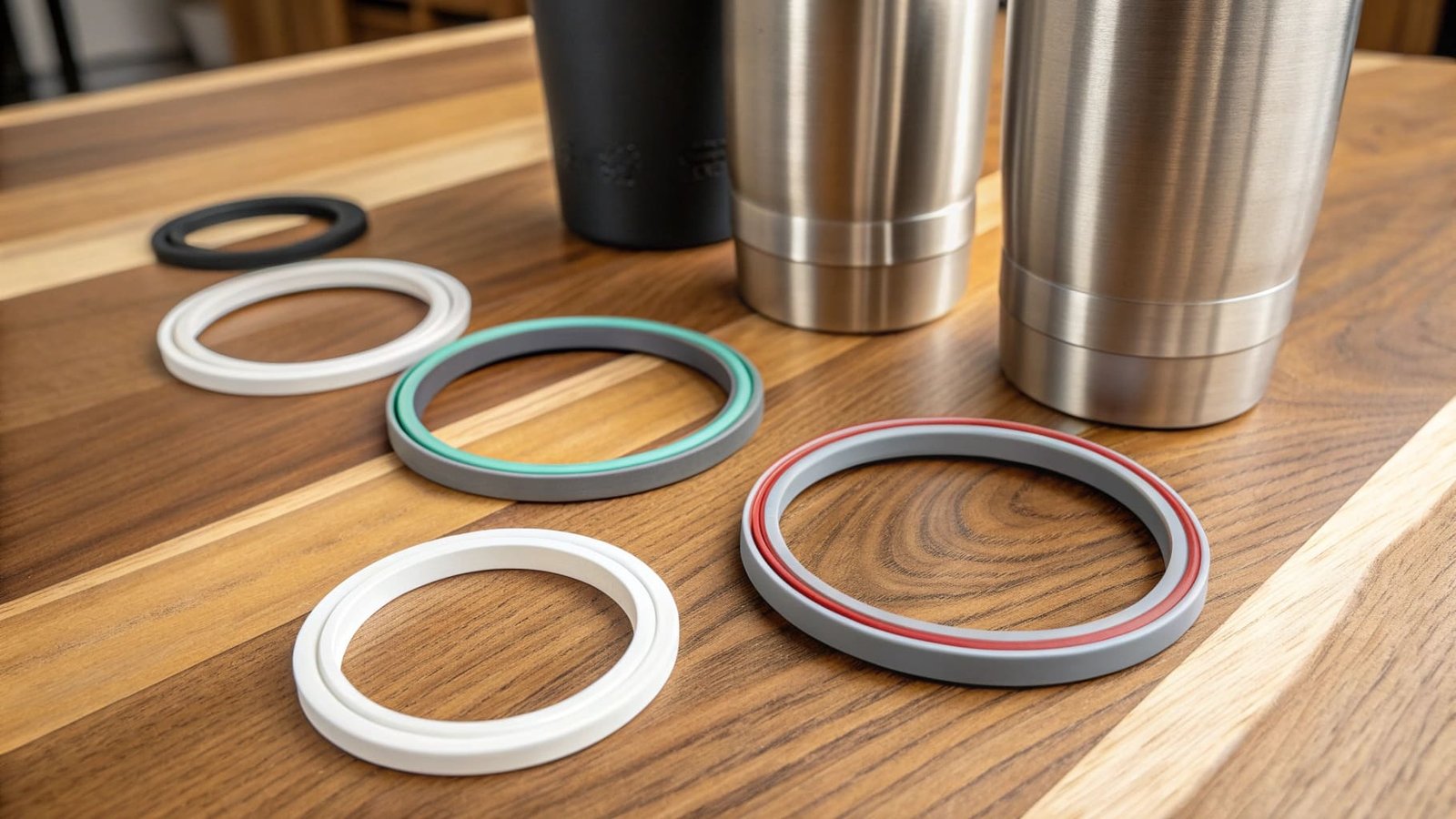
I learned this lesson the hard way during my early years in B2B sourcing. My first major gasket order looked perfect on paper but failed within three months of outdoor installation. The supplier had cut corners on material quality. That experience taught me to dig deeper into supplier capabilities before signing contracts.
Who Makes the Best Gaskets?
The best gasket manufacturer question keeps coming up in procurement meetings. I have sat through dozens of these discussions. Most buyers want a simple brand name answer.
Best gasket manufacturers demonstrate three qualities: consistent material standards, technical support capacity3, and transparent certification documentation. They provide batch testing reports and maintain quality control throughout production rather than just offering competitive quotes.
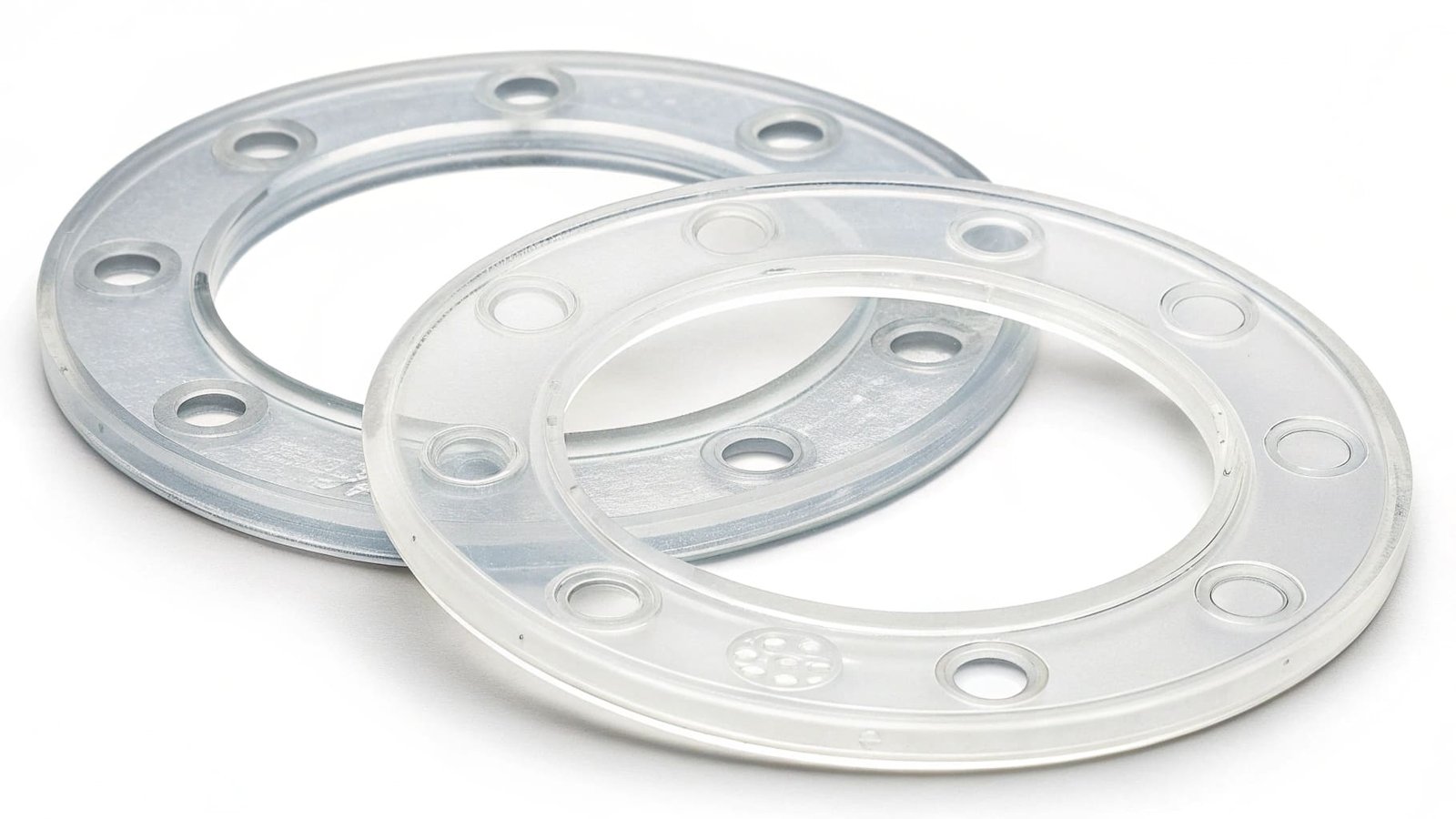
The real answer requires you to define what "best" means for your specific needs. I work with suppliers across different regions. Some excel at high-volume standard products. Others specialize in custom formulations for unique applications. The best manufacturer for coastal construction projects differs from the best for desert installations.
Look at their certification portfolio first. ISO 9001 shows they follow quality management systems. FDA approval matters if your gaskets contact drinking water. REACH compliance becomes critical for European projects. I always request copies of these certificates. Some suppliers display certification numbers but cannot produce actual documents when asked.
Check their material testing capabilities next. Can they provide compression set data? Do they test UV degradation4? Temperature cycling results tell you how gaskets perform through seasonal changes. I once worked with a manufacturer who only offered tensile strength data. That single metric told me nothing about long-term outdoor performance.
Customization capacity separates good manufacturers from great ones. Your construction application probably needs specific dimensions or hardness levels. Manufacturers with in-house tooling capabilities respond faster to your requirements. They adjust formulations without long lead times. Ask about their minimum order quantities for custom profiles. Some suppliers require huge minimums that make sense only for massive projects.
Technical support makes a huge difference during problems. I remember a sealing failure on a client project. The manufacturer sent their engineer to the site within two days. We identified a installation method issue together. That kind of support saves relationships and money.
| Evaluation Factor | What to Look For | Red Flags |
|---|---|---|
| Certifications | ISO 9001, material compliance documents | Cannot provide certificate copies |
| Testing Data | Compression set, UV resistance, temperature range | Only basic tensile strength data |
| Customization | In-house tooling, formula adjustments | High MOQs, long lead times |
| Support | Technical team availability | Only sales contact available |
What is the Best Gasket Material to Use?
Choosing gasket materials feels like picking between dozens of technical specifications. I have seen buyers paralyzed by material data sheets. They want a universal best option.
Silicone provides the best balance for outdoor construction gaskets because of superior weather resistance, temperature stability, and longevity. It outperforms rubber compounds in UV exposure and maintains flexibility across extreme temperature ranges that construction sites experience.
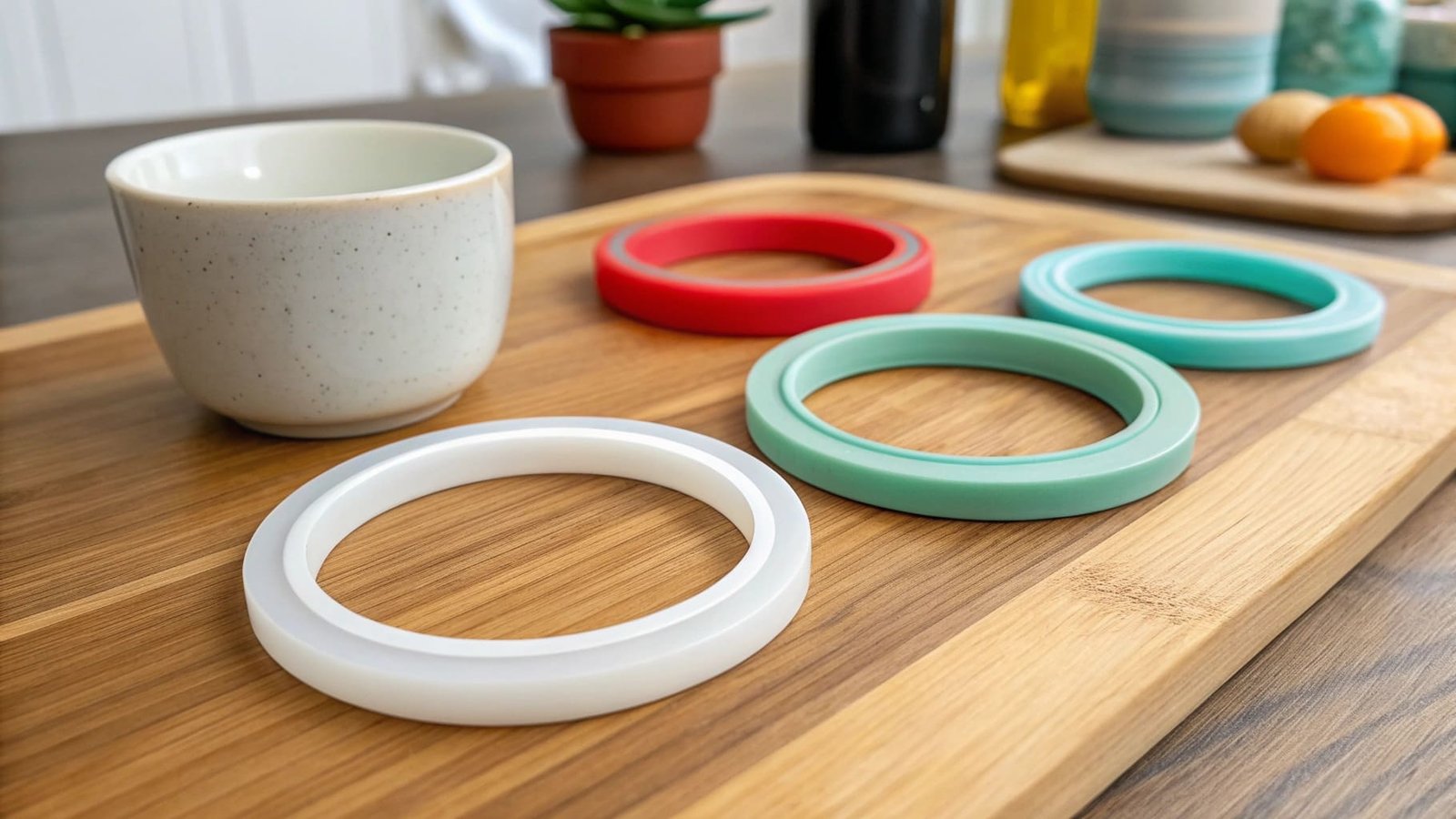
I will be direct about this. Other materials work for specific situations. EPDM gaskets cost less and work fine for some applications. Neoprene handles oils better than silicone. Cork gaskets suit certain industrial uses. But for outdoor weatherproofing in construction, silicone wins most comparisons.
The temperature range alone makes silicone worth considering. It performs from negative forty to positive two hundred degrees Celsius. I have installed silicone gaskets5 in Canadian winters and Middle Eastern summers. The material maintains its sealing properties. Rubber compounds become brittle in cold. They soften and degrade in heat. Silicone just keeps working.
UV resistance matters more than most buyers realize. I learned this after replacing failed gaskets on a building facade project. The original EPDM gaskets looked fine for the first year. Then UV degradation started. The material surface became chalky. Cracks appeared. Water infiltration followed. We switched to silicone gaskets. They have been in place for five years now with zero degradation.
Moisture resistance gives silicone another advantage. Organic rubber materials absorb water over time. This absorption changes their dimensions. Seals start leaking. Mildew grows on the surface in humid environments. Silicone resists moisture absorption. It does not support mildew growth. Coastal construction projects benefit significantly from these properties.
The durometer hardness flexibility helps match applications precisely. Standard silicone gaskets use shore A hardness around fifty to seventy. Manufacturers can adjust this. Harder gaskets resist compression better. Softer gaskets seal irregular surfaces more effectively. I worked on a project requiring custom forty shore A gaskets for sealing against rough concrete surfaces. The manufacturer formulated the material specifically for that application.
Silicone costs more than basic rubber compounds. This price difference stops some buyers. I understand budget constraints. But calculate replacement costs. Factor in labor for reinstallation. Add the risk of water damage from failed seals. Silicone becomes more economical over the product lifecycle.
What Material is Used to Make Gaskets?
Gasket manufacturing uses various base materials depending on the application requirements. I have sourced all the common types. Each material serves specific purposes.
Gasket materials include silicone, rubber compounds, EPDM, neoprene, cork, and specialty polymers. Construction applications typically use silicone or EPDM for weatherproofing because these materials resist environmental degradation while maintaining sealing effectiveness over extended periods.
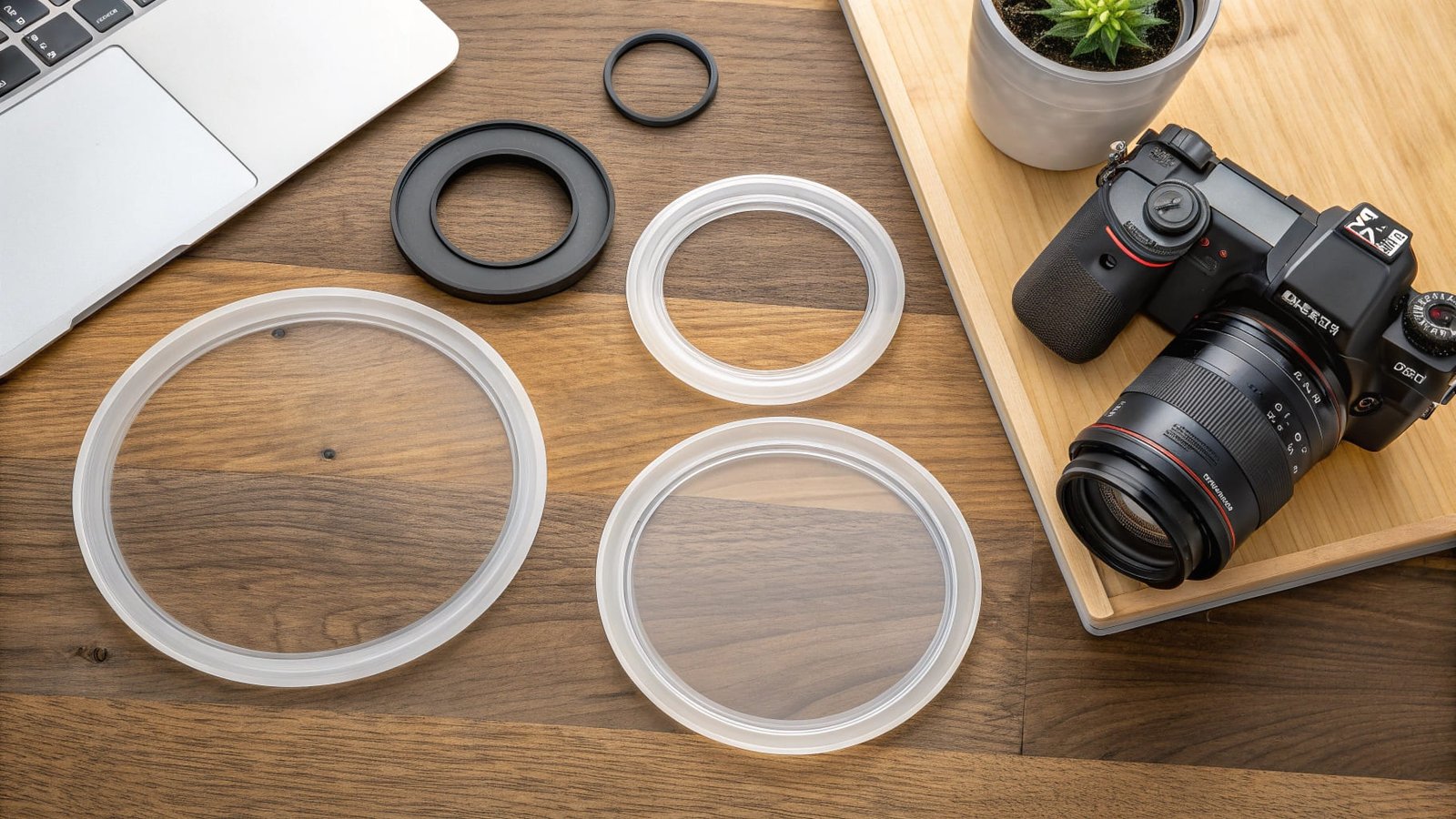
Let me break down the material categories you will encounter. Natural rubber gaskets use latex-based compounds. They seal well and cost less than synthetic options. But they degrade quickly outdoors. I only recommend natural rubber for indoor applications with controlled environments.
Synthetic rubber compounds include several types. EPDM stands for ethylene propylene diene monomer. It resists water and handles temperature variations reasonably well. Many construction gaskets use EPDM because of its balance between cost and performance. Neoprene resists petroleum products. It works for applications where gaskets contact oils or fuels. Nitrile rubber provides similar oil resistance with different temperature capabilities.
Cork gaskets still appear in some construction applications. The material compresses well and conforms to irregular surfaces. But cork absorbs moisture. It degrades outdoors. I have seen cork gaskets fail within months on exterior installations. Use cork only for protected indoor joints.
Specialty materials serve niche needs. Fluorocarbon gaskets resist chemicals. They cost significantly more than standard materials. Use them only when chemical exposure justifies the expense. Some manufacturers offer composite materials. These combine properties from different base materials. A silicone-EPDM blend might offer cost savings with acceptable performance.
Material additives change properties significantly. Manufacturers add carbon black for UV resistance. They include flame retardants for fire-rated assemblies. Anti-fungal additives prevent mildew growth in humid environments. These additives do not appear on basic material descriptions. Ask suppliers about their formulations specifically.
The manufacturing process affects material properties too. Compression molding produces dense gaskets with consistent properties. Extrusion works for long continuous profiles. Die cutting creates gaskets from sheet stock. Each process has advantages. Compression molding offers the best quality for demanding applications. But it requires tooling investment. Extrusion keeps costs lower for standard profiles.
| Material Type | Best Uses | Limitations |
|---|---|---|
| Silicone | Outdoor weatherproofing, temperature extremes | Higher cost |
| EPDM | General construction sealing | Moderate UV resistance |
| Neoprene | Oil contact areas | Less temperature range |
| Cork | Indoor protected joints | Moisture absorption |
| Nitrile | Fuel system sealing | Limited outdoor durability |
I always request material specifications in writing. Some suppliers list "rubber gasket" without defining the actual compound. That vagueness hides quality issues. Demand specific material callouts. Get shore hardness numbers. Ask for temperature ratings. These details protect you from receiving inferior substitutes during production.
Conclusion
Sourcing quality outdoor gasket kits requires evaluating material properties and manufacturer capabilities carefully. I choose suppliers who provide transparent testing data and maintain consistent quality standards throughout production.
-
Explore this link to find reliable gasket suppliers that meet your construction needs. ↩
-
Find out how customization can enhance the performance of gaskets for your projects. ↩
-
Explore the significance of technical support in resolving gasket-related issues. ↩
-
Understand the impact of UV degradation on gasket longevity and performance. ↩
-
Explore the advantages of silicone gaskets for outdoor weatherproofing. ↩