How to Source Replacement HyFLO Bite Valves for Large-Scale Distribution?
I watched a distributor lose $47,000 last year because his bite valve supplier shipped inconsistent products. His customers returned hydration packs in waves. His reputation took a hit that still affects his sales today.
You can source quality replacement HyFLO bite valves by implementing a three-point validation system. Request durometer testing certificates1, conduct 24-hour pressure tests at 2 PSI, and verify dimensional tolerances against original specifications to reduce return rates below 3%.
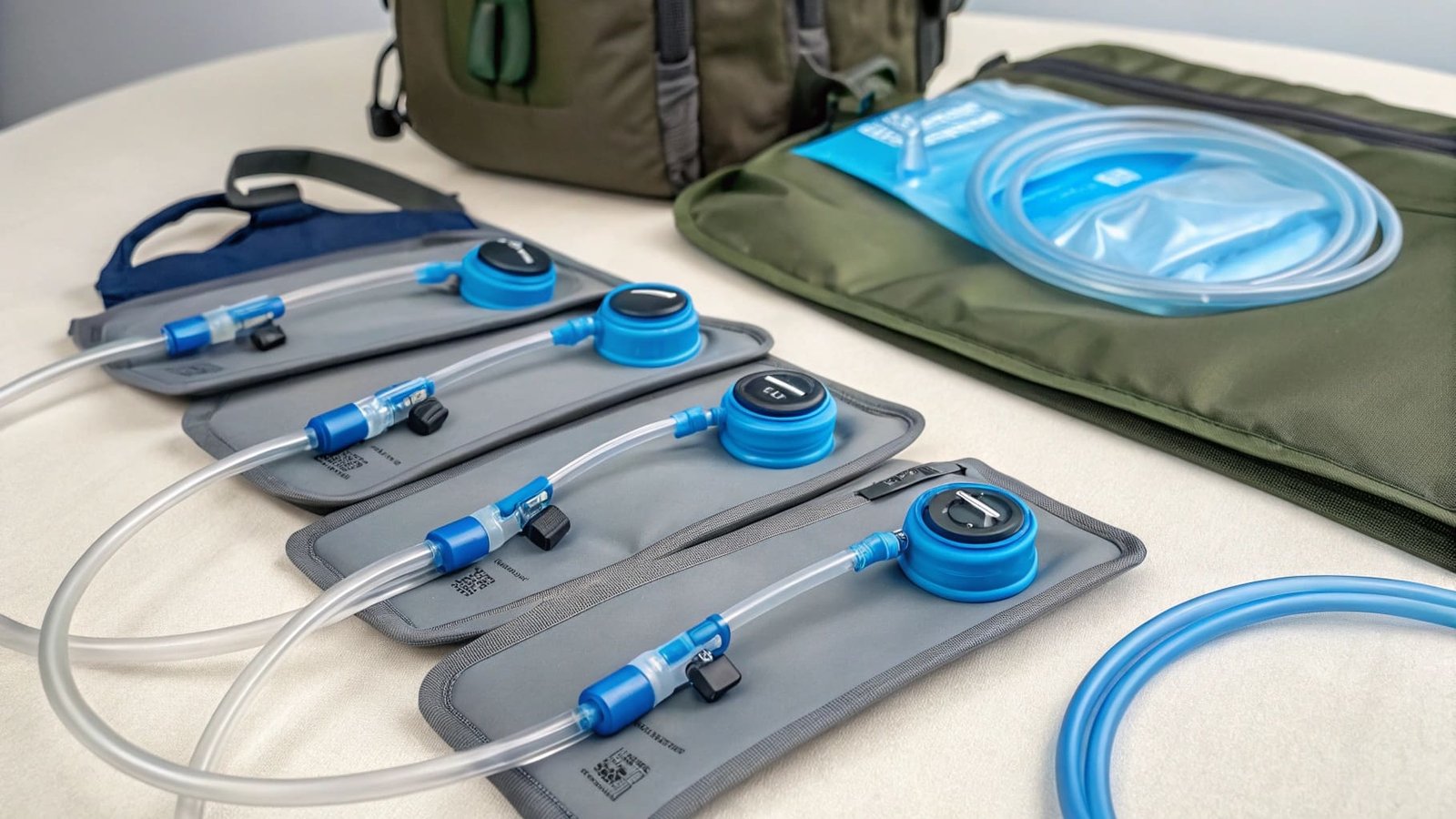
I learned this lesson the hard way when I started working with North American distributors. They needed reliable bite valve supplies for their rebranding operations. The challenge was not just finding manufacturers. The real problem was ensuring every batch matched the quality of the first sample.
Why Is My Bite Valve Not Working?
Your customers complain about leaking valves. They struggle to draw water through stiff silicone. They send products back faster than you can process returns.
Bite valves fail for three main reasons: silicone degradation below 60 Shore A hardness, inconsistent valve slit dimensions2 from poor molds, and threading mismatches with hydration pack brands. These issues cause 8-12% return rates in the industry.
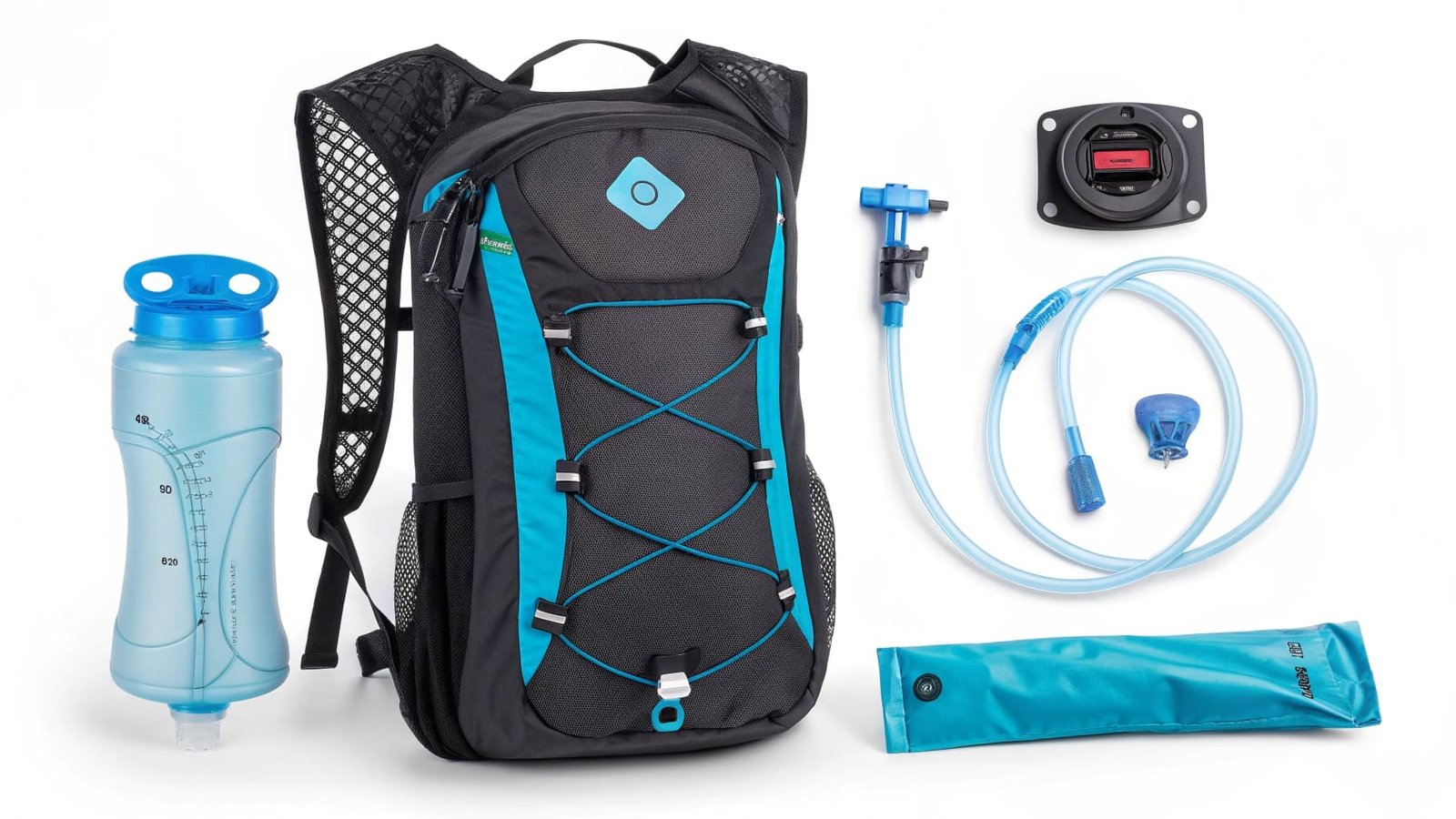
Understanding the Root Causes of Bite Valve Failure
I have seen distributors order 10,000 units based on one good sample. Three months later, their customers report problems. The silicone feels different. The valve does not seal properly. The threading does not match their hydration packs.
The problem starts with material selection. Many manufacturers use food-grade silicone that seems fine during inspection. But they cut costs by using compounds below the optimal hardness range. I test every batch with a durometer. The reading needs to fall between 60-70 Shore A. Anything below 60 creates valves that collapse too easily. Anything above 70 makes suction difficult for users.
Mold precision creates the second major failure point. I work with factories that machine their molds to tolerances of ±0.05mm. Other suppliers use worn molds that produce inconsistent slit dimensions. The valve slit needs to measure exactly 3.2mm for optimal performance. A 0.2mm variation changes the entire user experience. Too wide and water leaks during transport. Too narrow and users cannot draw water efficiently.
| Failure Type | Root Cause | Impact on Distribution | Quality Test Required |
|---|---|---|---|
| Material Degradation | Silicone below 60 Shore A | 15-20% returns in 6 months | Durometer testing |
| Slit Inconsistency | Mold tolerance >±0.1mm | 8-12% immediate complaints | Dimensional verification |
| Threading Mismatch | No OEM spec matching | 5-7% compatibility issues | Thread gauge testing |
| Chemical Leaching | Non-FDA silicone compounds | Regulatory rejection | Certification audit |
How to Replace a Bite Valve?
Your warehouse staff needs clear instructions for customers. Your support team fields calls about valve installation. Your return rate climbs because users cannot figure out the replacement process.
Remove the old valve by twisting counterclockwise while pulling gently. Clean the threading area with warm water. Push the new valve onto the tube and twist clockwise until it seats firmly against the rubber gasket.
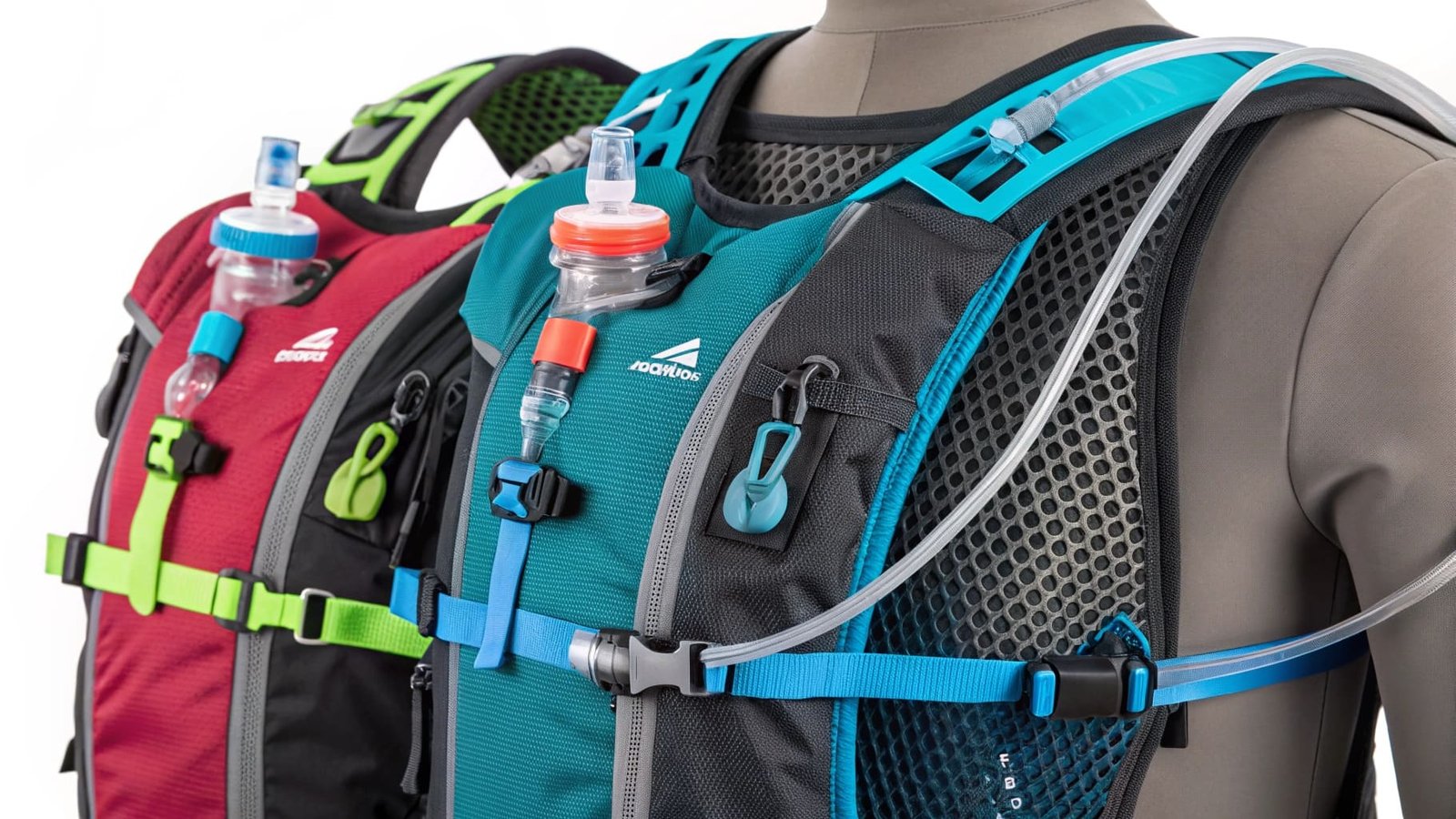
The Distributor's Guide to Bite Valve Replacement Standards
I include replacement instructions with every bulk shipment. My Canadian clients like Mark need simple steps they can pass to their customers. The instructions must work across different hydration pack brands. They cannot assume technical knowledge from end users.
The threading compatibility issue affects your entire operation. I maintain detailed specifications for major brands. CamelBak uses a different thread pitch than Platypus. Osprey hydration packs have their own threading standard. When you source replacement valves, you need to match these specifications exactly. I keep samples from each brand in my office. I test every new batch against these reference samples before shipping.
Your packaging strategy matters too. I learned from Mark that end consumers expect retail-ready packaging. He cannot sell bulk industrial packaging in Canadian outdoor stores. I now offer custom packaging options. Each valve comes in a sealed plastic bag with printed instructions. The packaging includes compatibility charts showing which hydration pack brands work with each valve model.
Quality Control Checkpoints for Bulk Orders
I implement a three-stage inspection process. First inspection happens during production. My quality team checks 50 units per 1,000 produced. We test silicone hardness, measure slit dimensions, and verify threading specifications. Second inspection occurs before shipping. We conduct pressure tests on sample units. The valve must hold 2 PSI pressure for 24 hours without leaking. Third inspection uses customer feedback data. I track return rates by batch number. If any batch exceeds 3% returns, I investigate the production records.
| Inspection Stage | Test Parameters | Acceptance Criteria | Rejection Rate |
|---|---|---|---|
| Production Check | Hardness, dimensions, threading | ±5% from specification | 2-3% typical |
| Pre-Ship Testing | Pressure hold, flow rate | Zero leaks, 800ml/min flow | 1-2% typical |
| Field Performance | Customer returns, durability | <3% returns in 6 months | Batch recall if >5% |
How to Tell If an Intake Valve Is Bad?
You receive customer complaints but cannot diagnose the problem remotely. Your team lacks technical expertise to evaluate valve quality. Your supplier sends replacement batches but the issues continue.
Test intake valves by checking for three symptoms: water leakage when the pack hangs vertically, difficulty drawing water with normal suction pressure, and visible cracks in the silicone slit area after 30 days of use.
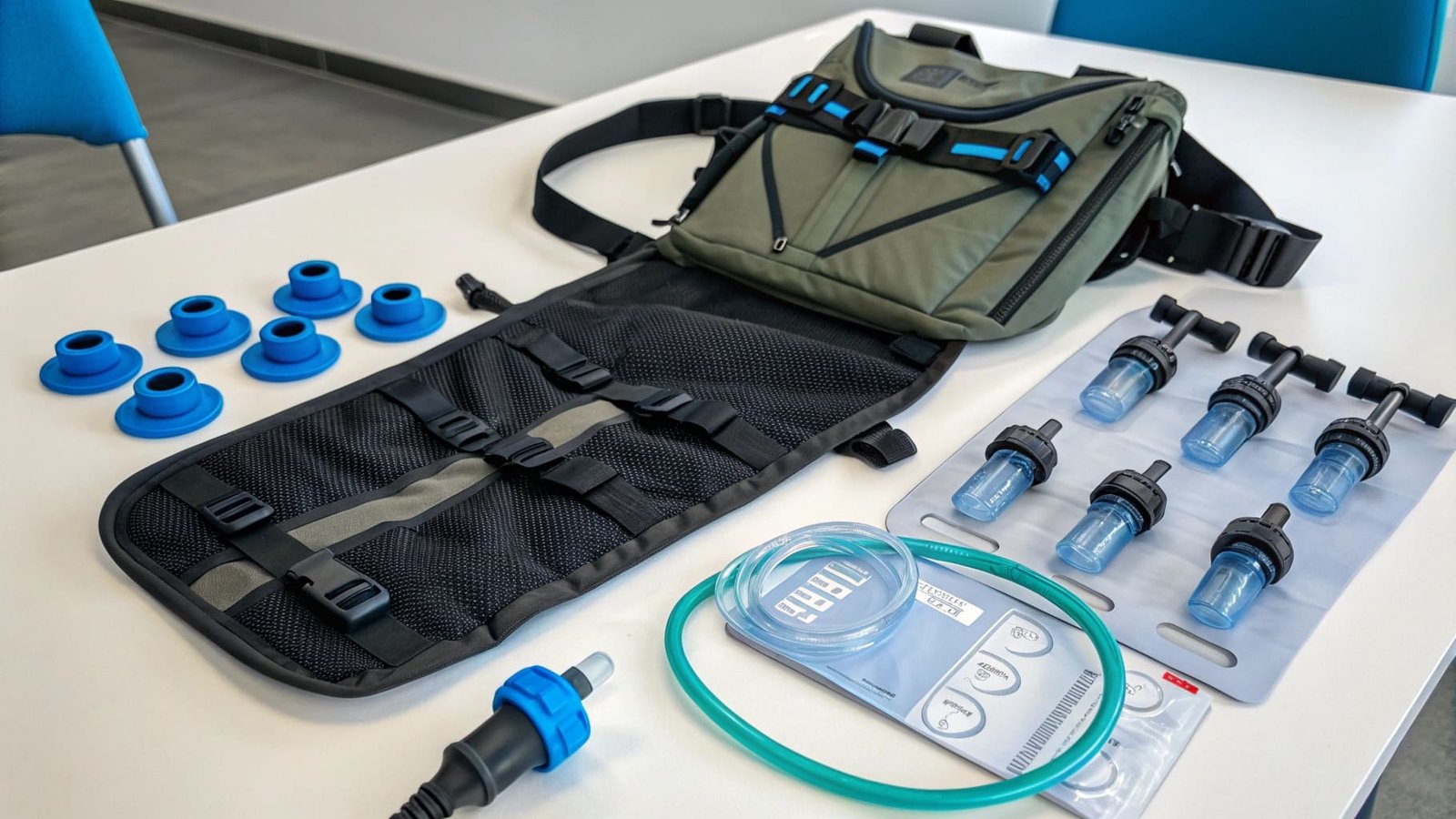
Technical Validation Methods for Procurement Teams
I train distributor teams to perform field tests. You do not need laboratory equipment for basic quality checks. I use simple methods that work in warehouse environments. These tests catch 90% of defective valves before they reach customers.
The vertical leak test takes 10 minutes. Fill a hydration pack completely with water. Hang it vertically for 30 minutes. Check the bite valve area for drips. A quality valve shows zero leakage. Even one drop per minute indicates a defective slit or poor silicone compound. I reject entire batches based on this test.
The suction resistance test measures user experience. I use a simple spring scale attached to the valve. Pull with gradually increasing force while measuring water flow. A good valve releases water at 0.3-0.5 kg of pull force. Users complain when valves require more than 0.7 kg of force. This difference seems small but it affects customer satisfaction dramatically.
Material Certification for European Markets
Mark and other Canadian distributors face increasing regulatory pressure. Their customers want BPA-free, phthalate-free products. I provide LFGB and FDA certification documents with every shipment. The certification costs add 15-20% to base prices. But this investment protects your market position. European retailers now refuse products without proper certification. I maintain relationships with testing laboratories in Germany and the United States. They verify our silicone compounds meet all regulatory requirements.
The sustainable materials trend changes sourcing decisions. I shifted to platinum-cured silicone for European orders. The material costs more but lasts 40% longer than peroxide-cured alternatives. Your customers notice the difference. The valves maintain flexibility through more freeze-thaw cycles. The silicone does not develop odors even after months of use.
| Certification Type | Market Requirement | Cost Impact | Competitive Advantage |
|---|---|---|---|
| FDA Food Grade | North America mandatory | +8-10% base cost | Basic market entry |
| LFGB Compliance | European Union required | +12-15% base cost | Premium positioning |
| BPA-Free Testing | Consumer preference | +3-5% base cost | Retail differentiation |
| Platinum Cure | High-end segment | +15-20% base cost | Extended durability claims |
I work with distributors who need 50,000 units per order. The quality validation process cannot slow down your supply chain. I schedule production runs around your peak seasons. My factory allocates dedicated production lines for large orders. This approach maintains consistency across your entire order volume. You receive the same quality in unit 50,000 as you did in unit 1.
Conclusion
I source bite valves by validating material hardness, testing pressure retention, and verifying threading compatibility. This process protects your distribution business from costly returns and reputation damage.