How to Source Wholesale 40oz Tumbler Sleeves for Retail Store Inventory?
Finding reliable suppliers for 40oz tumbler sleeves feels like a gamble. You worry about quality issues, delayed shipments, and wasted money on products that do not meet your standards. I have seen many retailers struggle with this exact problem.
Source wholesale 40oz tumbler sleeves by targeting manufacturers who offer food-grade silicone certification1, maintain standard size inventory, provide rapid customization with low setup fees, and deliver transparent lead times of 15-30 days for custom orders.
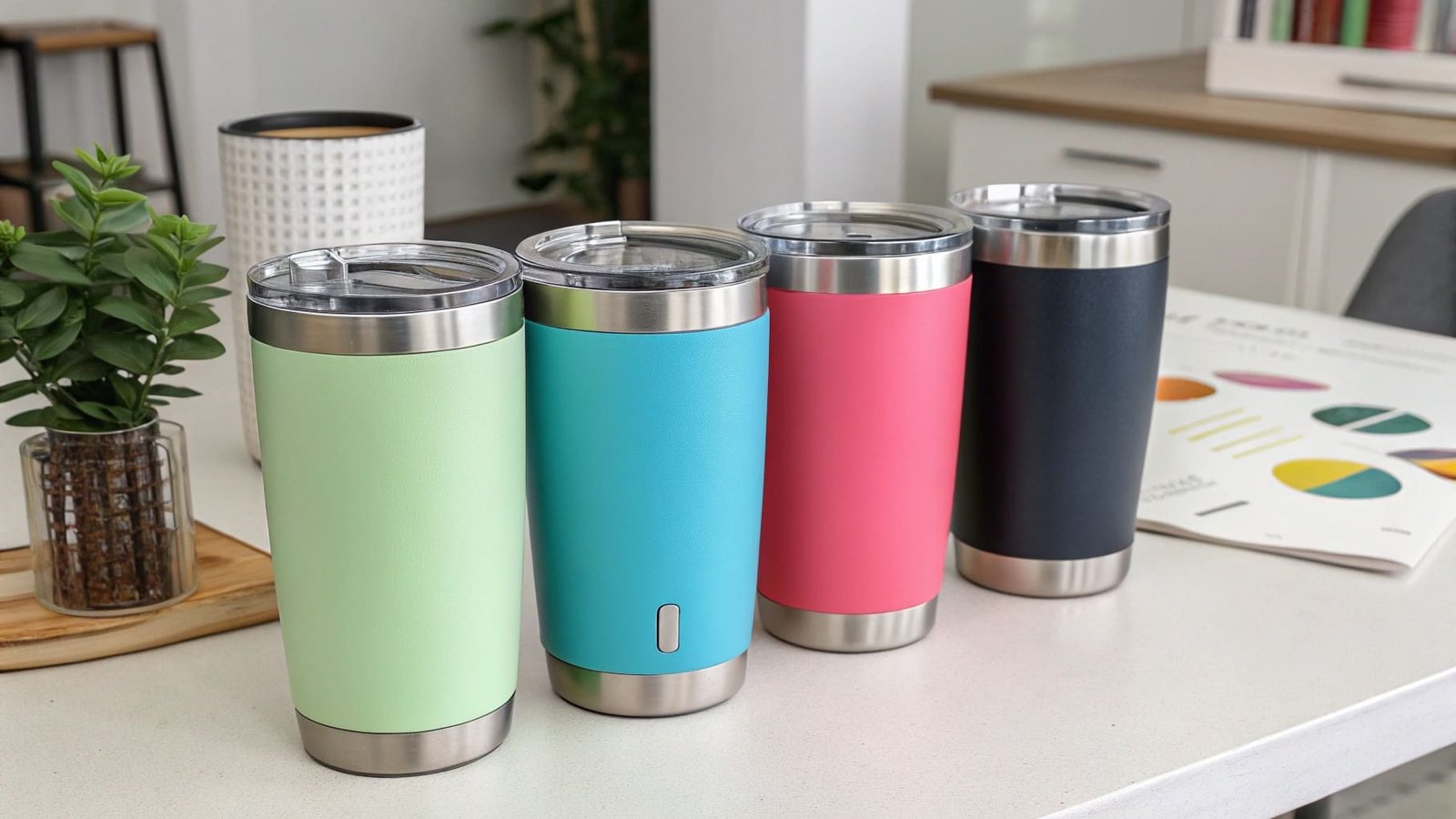
Last year, I met a retail store owner from Toronto at a trade show. He told me his biggest mistake was choosing a supplier based only on price. The sleeves arrived with poor fit and strong chemical smells. His customers returned them, and he lost both money and reputation. That conversation changed how I approach wholesale partnerships. I learned that smart sourcing means looking beyond the price tag. You need to check certifications, test samples, and understand the supplier's production capacity. Let me share what I have learned from working with hundreds of retail buyers.
What Company Makes the Best Tumblers?
You see Stanley and Yeti everywhere and assume they are the only good options. Your customers ask for these brands, so you think you must stock them. But focusing only on big names limits your profit potential and makes you compete on razor-thin margins.
The best tumbler companies for wholesale buyers offer consistent quality, flexible customization, and competitive MOQs rather than just brand recognition. Look for suppliers with ISO certifications, food-grade material compliance, and responsive customer service.
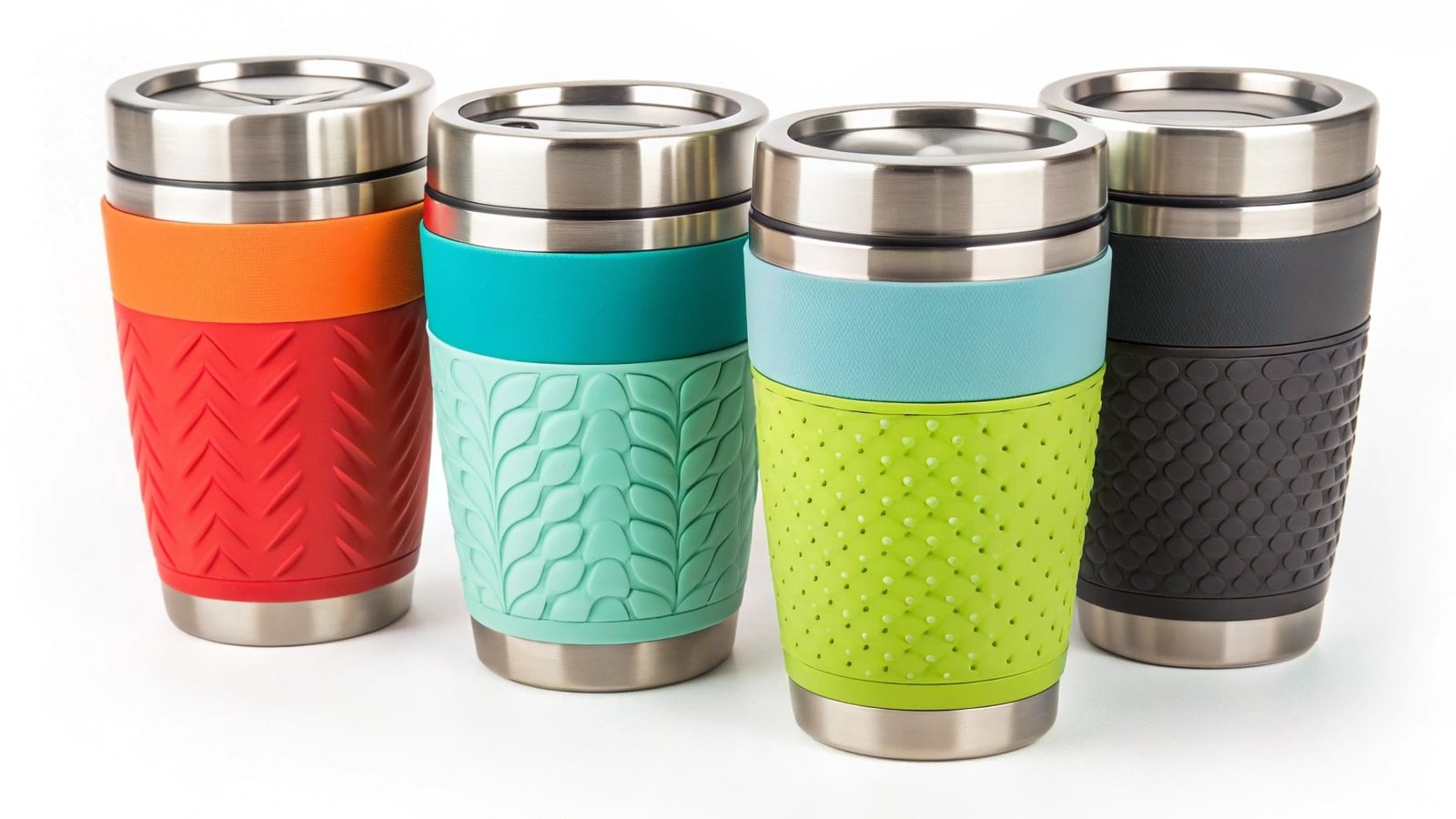
Quality Standards Matter More Than Brand Names
I work with retail buyers who source tumblers from various manufacturers. The smart ones do not ask me which brand is best. They ask me about material specifications. Food-grade silicone should be BPA-free2 and meet FDA standards. The tumbler body needs double-wall vacuum insulation3. These technical details matter more than logos.
Many retailers make good profits by partnering with lesser-known manufacturers who produce high-quality products. You can add your own branding to these tumblers. Your customers care about how long their drinks stay cold, not which factory made the tumbler. I once helped a small retailer create a private label line. He bought unbranded tumblers from a certified manufacturer and added custom sleeves with his store logo. His profit margin jumped from 20% to 45%.
Key Supplier Evaluation Criteria
When you evaluate tumbler manufacturers, check these points:
| Criteria | What to Look For | Why It Matters |
|---|---|---|
| Certifications | FDA, LFGB, ISO 9001 | Ensures product safety and quality control |
| MOQ | 500-1000 units for custom orders | Lower MOQ means less capital tied up |
| Lead Time | 15-30 days for standard items | Faster delivery helps you catch seasonal peaks |
| Sample Policy | Free samples or refundable fees | Lets you test before committing to bulk orders |
| Customization | Laser engraving, color options | Helps you differentiate from competitors |
I always tell buyers to request samples from at least three suppliers. Test the tumblers yourself. Fill them with ice water and check after 24 hours. The good ones keep ice solid for at least 12 hours. Also smell the interior - any chemical odor means poor material quality.
How Much Do People Sell Sublimation Tumblers For?
You see sublimation tumblers online at all different prices. Some sell for 15 dollars while others cost 50 dollars. You wonder what price point works for your market. Setting the wrong price means either leaving money on the table or pricing yourself out of sales.
Sublimation tumblers typically retail for 25 to 45 dollars per unit, with premium designs reaching 60 dollars. Your wholesale cost should be 30 to 40 percent of your retail price to maintain healthy margins after accounting for overhead and marketing expenses.
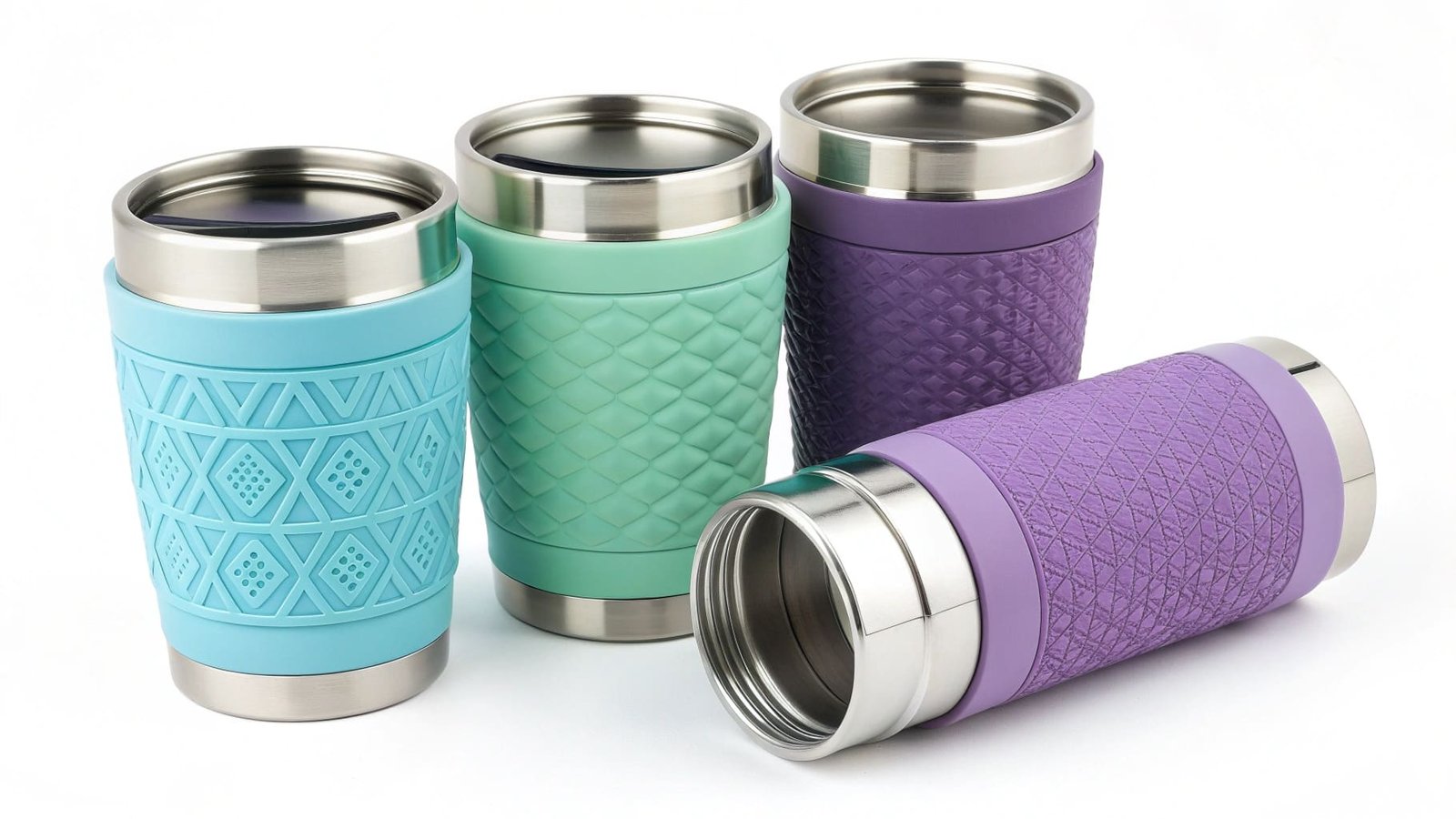
Understanding the Pricing Structure
Retail pricing for sublimation tumblers4 depends on several factors. Basic designs with simple patterns sell at the lower end. Custom artwork, popular licensed characters, or seasonal designs command premium prices. Location also matters - urban stores often charge more than rural retailers.
I help many retailers calculate their pricing strategy. Start with your landed cost. This includes the unit price, shipping, customs duties, and any customization fees. For example, if you buy 40oz tumbler sleeves at 3 dollars per unit, shipping adds 0.50 dollars, and customization costs 0.30 dollars, your landed cost is 3.80 dollars per unit.
Next, add your operating costs. Store rent, staff wages, utilities, and marketing typically add 15 to 20 percent to your cost structure. Then factor in your desired profit margin. Most successful retailers target 40 to 50 percent gross margin on accessories.
Building Your Pricing Model
Here is a practical pricing breakdown:
| Cost Component | Amount | Percentage |
|---|---|---|
| Wholesale Unit Cost | 3.80 dollars | 30% |
| Operating Expenses | 2.50 dollars | 20% |
| Gross Profit | 6.20 dollars | 50% |
| Retail Price | 12.50 dollars | 100% |
This model works for basic sleeves. If you add custom designs or bundle sleeves with tumblers, you can charge 18 to 25 dollars per set. I once worked with a retailer who created themed sets - beach designs for summer, fall leaves for autumn. She charged 22 dollars per set and sold out within weeks.
The key is testing different price points. Start slightly higher than you think customers will pay. You can always run promotions to move inventory, but raising prices after launch is much harder.
What is the Number One Tumbler Brand?
Everyone talks about which brand dominates the market. You hear Stanley is unstoppable, or Yeti is the premium choice. You think copying their success means stocking the same brands they stock. But this approach puts you in direct competition with big box stores and Amazon sellers who always undercut your prices.
Stanley currently leads the 40oz tumbler market with strong brand recognition, but the "number one" position matters less for retail success than finding unique product combinations and building customer loyalty through exclusive designs5 and superior service.
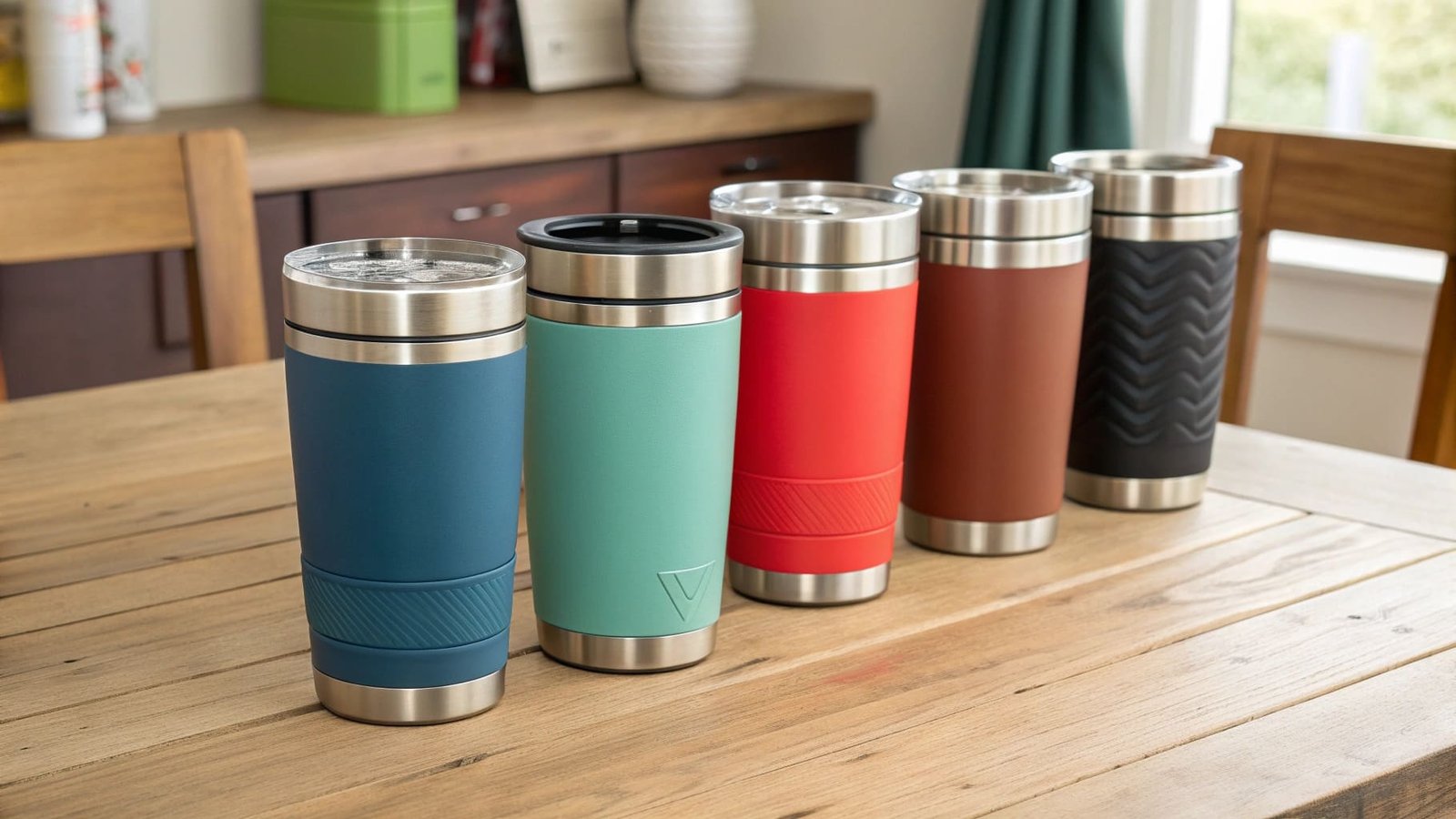
Market Leadership vs Retail Strategy
Stanley tumblers became incredibly popular in the past two years. I saw this trend explode at trade shows. Everyone wanted Stanley or Stanley-compatible accessories. But here is what I noticed - the retailers making the most money were not just reselling Stanley products.
They created their own ecosystem around the tumbler trend. They offered custom sleeve designs that Stanley does not make. They bundled tumblers with matching accessories. They provided engraving services in-store. These value-added services gave them something that online giants cannot easily copy.
I remember talking with a store owner from Vancouver. She told me her Stanley tumbler sales were flat because every store nearby sold them. So she switched strategy. She found a manufacturer who made compatible tumblers at lower cost. Then she invested in unique silicone sleeves with local landmark designs. Her customers loved the Vancouver skyline sleeves. She went from competing on price to offering something special.
Creating Your Competitive Advantage
Smart retailers build their position through differentiation:
Product Bundling
Combine tumblers with sleeve sets, straw packs, and cleaning kits. This increases your average transaction value. I sell many sleeve sets to retailers who create "tumbler starter kits" priced at 35 to 45 dollars. These bundles have higher perceived value than individual items.
Customization Services
Offer in-store engraving or custom color mixing. Many customers want personalized tumblers for gifts. If you provide this service, they buy from you instead of ordering online and waiting for shipping.
Exclusive Designs
Work with suppliers like me to create designs that only you carry in your region. I offer low MOQs for custom colors and patterns. Some retailers create seasonal collections that match local events or holidays.
Customer Education
Teach customers about material quality, care instructions, and why certain features matter. When you help them make informed choices, they trust you and return for future purchases.
The best strategy is not chasing whichever brand is number one right now. The best strategy is building relationships with customers who value what you uniquely offer. I have seen small retailers outlast big chains by focusing on service, customization, and community connection.
Conclusion
Successful wholesale sourcing combines quality verification, smart pricing strategy, and differentiation beyond brand names. Test samples, calculate true landed costs, and create exclusive offerings that build customer loyalty instead of competing on price alone.
-
Learn about the significance of food-grade silicone certification to ensure safety and quality in your products. ↩
-
Learn why BPA-free materials are crucial for consumer safety and product quality. ↩
-
Understand the benefits of double-wall vacuum insulation for keeping beverages at the desired temperature. ↩
-
Learn about sublimation tumblers and their pricing structure to set competitive retail prices. ↩
-
Learn how exclusive designs can create a unique selling proposition and foster customer loyalty. ↩