How to Test Silicone Stretch Lids for Food Safety Before Bulk Distribution?
I once received a batch of silicone lids that passed the pinch test but failed lab analysis. My distributor faced a product recall that cost us thousands in losses and damaged our brand reputation.
You need three tests before distribution: the pinch test for quick screening, third-party lab certification1 for compliance, and migration testing for real-world safety. These steps protect your business from legal issues and maintain customer trust.
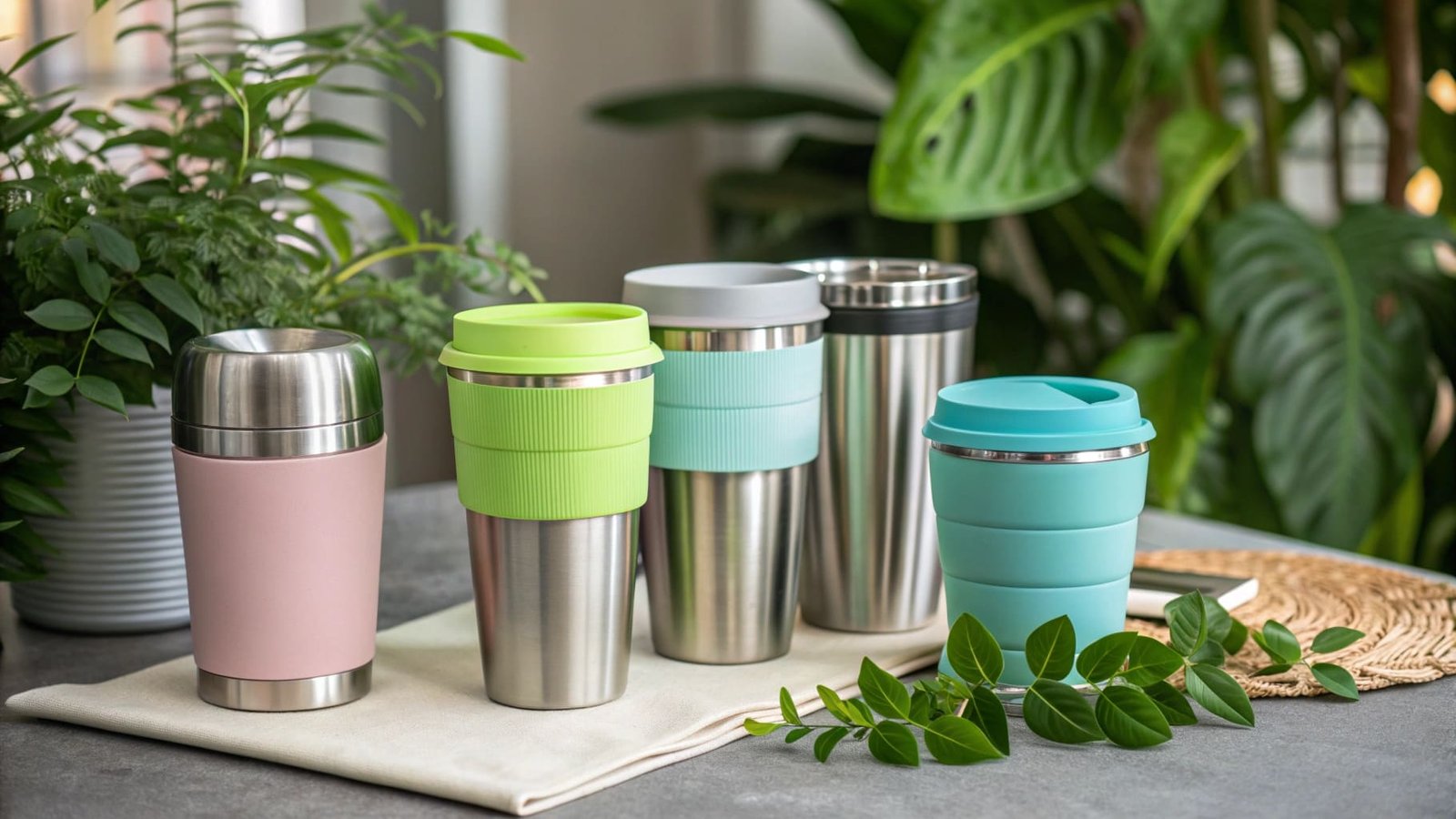
I learned this lesson the hard way. Now I want to share what I discovered about proper testing protocols. The methods I use today save time and money while keeping my products safe.
How to test silicone quality?
Many suppliers claim their silicone is food-grade. I found that most of these claims lack proper evidence. This problem creates serious risks for buyers who trust supplier declarations without verification.
Check the material's physical properties first. Perform a burn test, stretch test, and examine the surface texture. Request documentation from recognized testing laboratories. These steps reveal the true quality of your silicone products.
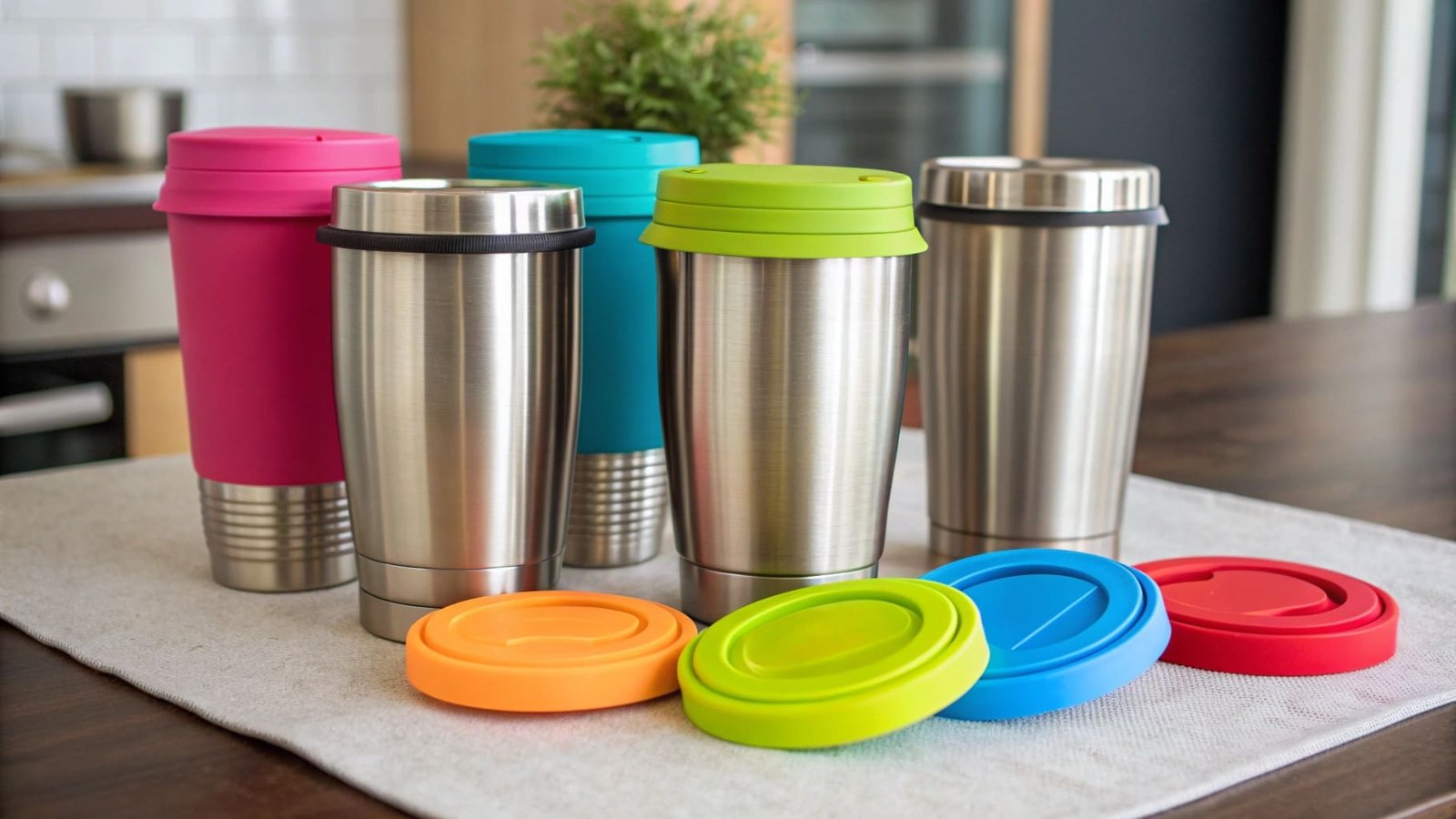
Physical Testing Methods
I test every sample batch using multiple physical methods. The burn test is my first step. I take a small piece and light it with a lighter. Real silicone burns white and produces white ash. Fake silicone turns black and creates black smoke. The smell also differs. Pure silicone has no strong odor when burned. Products with fillers smell like burning plastic.
The stretch test comes next. I pull the material in different directions. Good silicone stretches at least three times its original length. It returns to its original shape immediately after I release it. Poor quality silicone tears easily or stays stretched. I also check the surface. High-quality silicone feels smooth and uniform. Low-quality products show rough patches or inconsistent texture.
Here is my testing checklist:
| Test Type | Quality Indicator | Failure Sign |
|---|---|---|
| Burn Test | White ash, no odor | Black smoke, plastic smell |
| Stretch Test | 3x extension, full recovery | Tears, stays stretched |
| Surface Test | Smooth, uniform | Rough patches, inconsistencies |
| Temperature Test | Stable at -40°C to 230°C | Deforms or hardens |
I always perform temperature testing too. I place samples in a freezer at -40°C for 24 hours. Then I heat them in an oven at 230°C for another 24 hours. Real food-grade silicone2 maintains its flexibility and shape. Products with fillers become brittle in cold or melt in heat.
Documentation Requirements
I request specific documents from every supplier. The material safety data sheet comes first. This document lists all chemical components. I check for any toxic substances or fillers. The supplier should provide this without hesitation.
Next, I ask for the manufacturing process certificate. This shows whether they use platinum curing or peroxide curing. Platinum-cured silicone is safer for food contact. Peroxide-cured products may leave harmful residues. I also verify the raw material origin. Chinese suppliers often source from local producers. I prefer suppliers who use imported food-grade silicone base materials.
How to check if silicone is food-safe?
Food safety testing sounds expensive and complicated. I worried about the cost when I started my business. The reality is that skipping these tests costs more when products fail compliance checks at customs or during retail inspections.
You must obtain FDA or LFGB certification3 from accredited laboratories. Send samples to SGS, Intertek, or similar testing facilities. They check for BPA, heavy metals, and volatile compounds. This certification is your proof of food safety.
Laboratory Certification Process
I work with three testing labs regularly. The process starts when I send them physical samples. They need at least five pieces of each product. The basic food contact test takes seven to ten business days. Rush services cost more but deliver results in three days.
The labs perform multiple analyses. They check for bisphenol compounds first. BPA and BPS are common contaminants in low-quality silicone. These chemicals can transfer to food and cause health problems. Next, they test for heavy metals. Lead, cadmium, and mercury are the main concerns. Food-grade silicone should contain none of these elements.
The volatile organic compound test comes last. This test measures chemicals that evaporate from the silicone. High VOC levels indicate poor quality materials or improper curing. I set my acceptance limit at less than 0.5% total VOC content.
Here are the key certifications I require:
| Certification | Standard | Testing Lab | Validity Period |
|---|---|---|---|
| FDA Food Contact | 21 CFR 177.2600 | SGS, Intertek | 12 months |
| LFGB | German Food Law | TUV, SGS | 12 months |
| REACH | EU Chemical Regulation | Intertek, Bureau Veritas | 12 months |
| RoHS | Hazardous Substances | SGS, TUV | 12 months |
I also request migration testing results. This test simulates real-world use. The lab soaks the silicone in different food simulants. They use water, alcohol, oil, and acid solutions. The tests run at elevated temperatures for specific durations. After soaking, they analyze the simulants for transferred substances. Clean results mean the silicone is safe for food contact.
Cost and Timeline Management
Testing costs vary by region and lab. In China, a basic FDA food contact test costs 150 to 300 US dollars per sample. LFGB testing is more expensive, ranging from 300 to 500 dollars. European labs charge higher fees but provide faster service. I budget about 800 dollars per product line for complete testing.
The timeline matters for bulk orders. I plan my testing schedule before production starts. This approach prevents delays in shipment. I order samples first and send them directly to the lab. While testing happens, I negotiate bulk prices with the supplier. Once I receive passing certificates, I place the production order. This method saves at least two weeks compared to testing after production.
What is the pinch test for food grade silicone?
The pinch test is the fastest quality check method. I use it during supplier visits and when receiving samples. Many buyers rely only on this test. That approach creates problems because the pinch test has limitations.
Twist and pinch the silicone material firmly. Watch for color changes on the surface. Pure food-grade silicone keeps its original color. Products with fillers show white marks or discoloration. This happens because fillers have different elasticity than pure silicone.
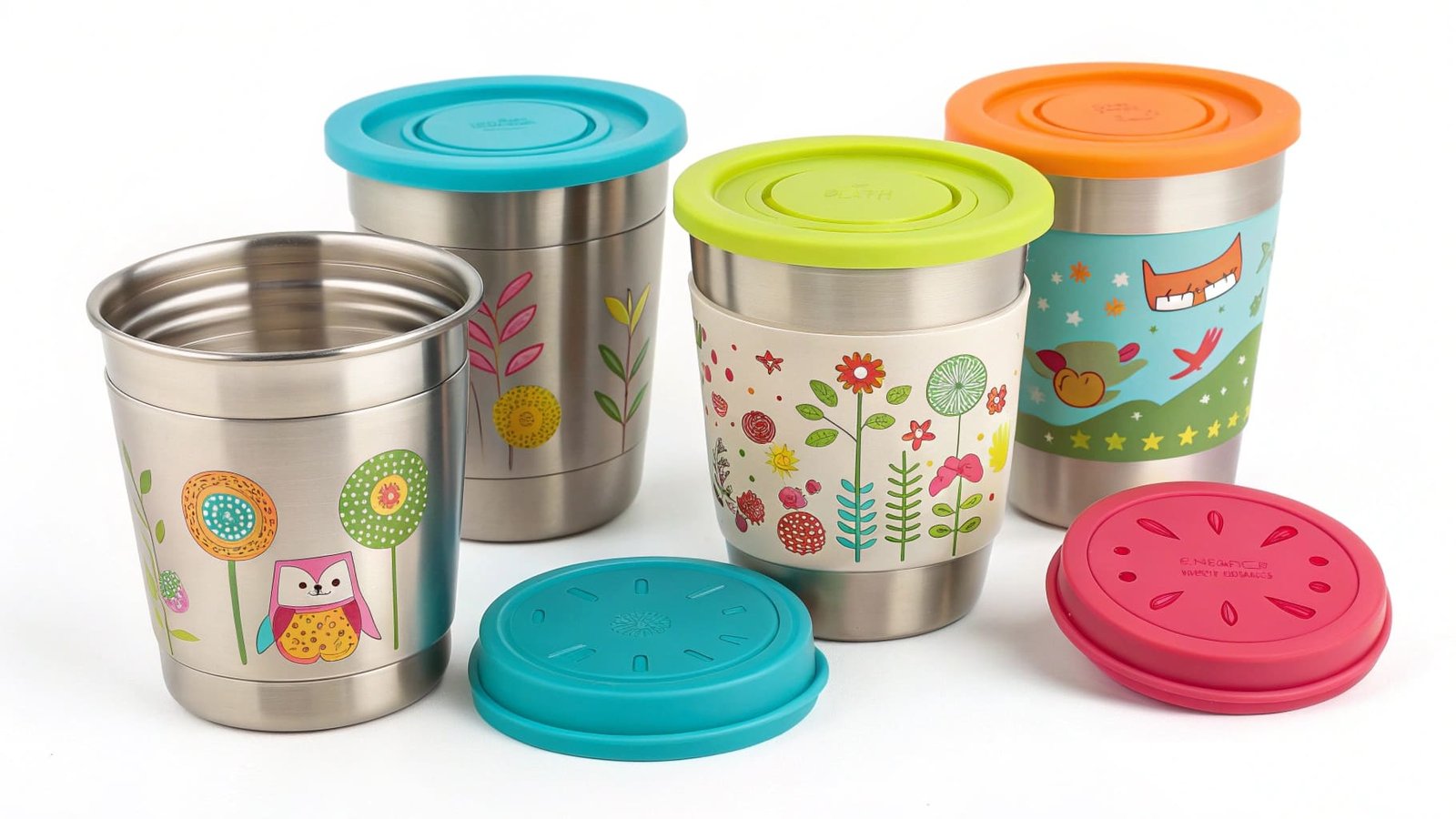
How to Perform the Pinch Test Correctly
I developed a specific technique for the pinch test. First, I clean my hands thoroughly. Dirt or oil on my fingers can affect the results. I take the silicone product and find a thick section. Thin areas tear easily and give false results.
Next, I twist the material 180 degrees while pinching it hard. I hold this position for five seconds. Then I release and observe the surface immediately. Real silicone shows no color change. The material returns to its original state within one second. Fake silicone develops white stress marks. These marks stay visible for several seconds or longer.
I repeat this test on different sections of the product. Manufacturers sometimes use mixed materials. The rim might be pure silicone while the center contains fillers. Testing multiple spots reveals these inconsistencies. I also perform the test at different temperatures. I heat one sample in hot water and cool another in ice water. Temperature changes affect fake silicone more than pure material.
Understanding Test Limitations
The pinch test works well for initial screening. It helps me eliminate obviously bad suppliers quickly. However, I never use it as my only testing method. The test cannot detect all quality issues. Some advanced fillers behave like pure silicone under physical stress. They still fail laboratory chemical analysis.
I remember one supplier who passed all my physical tests. The pinch test showed no white marks. The burn test produced white ash. I felt confident and placed a small order. Later, my retail partner in Canada required full lab certification. The products failed the migration test. Harmful substances transferred into the food simulant. I had to destroy the entire batch and find a new supplier.
This experience taught me an important lesson. Physical tests complement laboratory analysis but cannot replace it. I now use the pinch test for quick screening only. Products that pass the pinch test move to the next stage. I send samples for full laboratory certification before any bulk purchase. This two-step approach balances speed with safety. It also keeps my testing costs reasonable while maintaining quality standards.
Here is my complete testing workflow:
| Stage | Test Method | Purpose | Decision Point |
|---|---|---|---|
| Stage 1 | Pinch Test | Quick screening | Pass: Continue, Fail: Reject |
| Stage 2 | Burn and Stretch | Physical properties | Pass: Continue, Fail: Reject |
| Stage 3 | Lab Certification | Chemical safety | Pass: Order, Fail: Reject |
| Stage 4 | Pre-shipment Inspection | Quality control | Pass: Ship, Fail: Rework |
Conclusion
Testing silicone stretch lids protects your brand and customers. Combine physical screening with laboratory certification. This approach ensures food safety and regulatory compliance before distribution.
-
Discover why third-party lab certification is crucial for ensuring the safety and compliance of silicone products. ↩
-
This resource provides insights on verifying the food-grade status of silicone materials. ↩
-
Find out what LFGB certification means for silicone products and its importance in food safety. ↩