Should B2B Buyers Order Tumbler Bottom Protectors with Anti-Slip Features?
Last month, a buyer from Vancouver told me his retail customers kept complaining about scratched furniture. He never thought a simple silicone boot could solve his problem.
Yes, B2B buyers should order tumbler bottom protectors with anti-slip features. These protectors prevent surface damage and reduce slipping risks. They also create upsell opportunities with healthy profit margins.
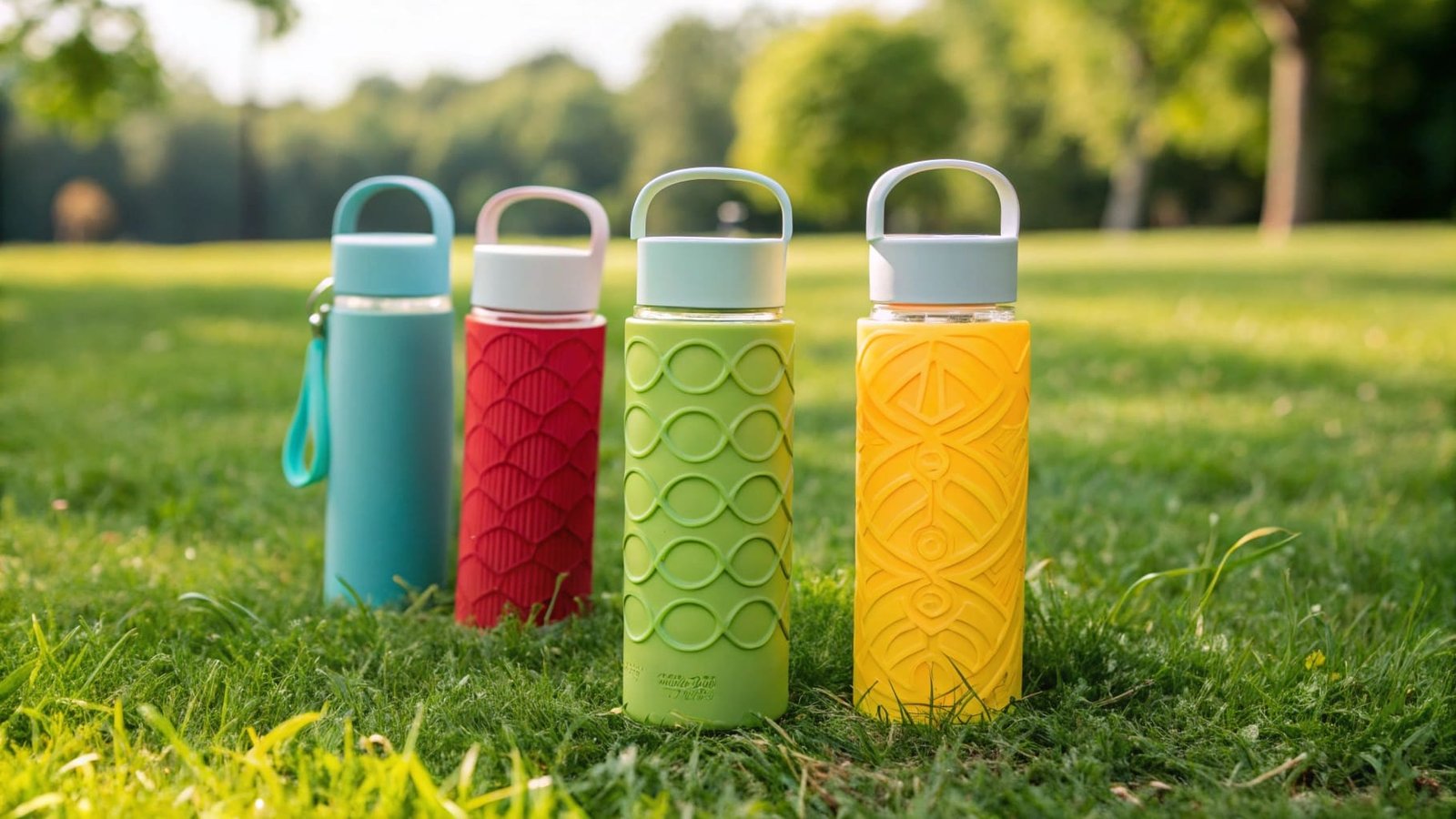
I run a silicone accessories factory in China. We export tumbler boots to North America and Europe every week. Most buyers come to us after their customers report scratched tables or tumblers that slide off desks. The anti-slip feature matters more than most people think. Let me share what I learned from working with hundreds of distributors.
What do you seal tumblers with?
Your customers ask this question when their tumblers leak. The answer affects your product line strategy. Many buyers miss this connection.
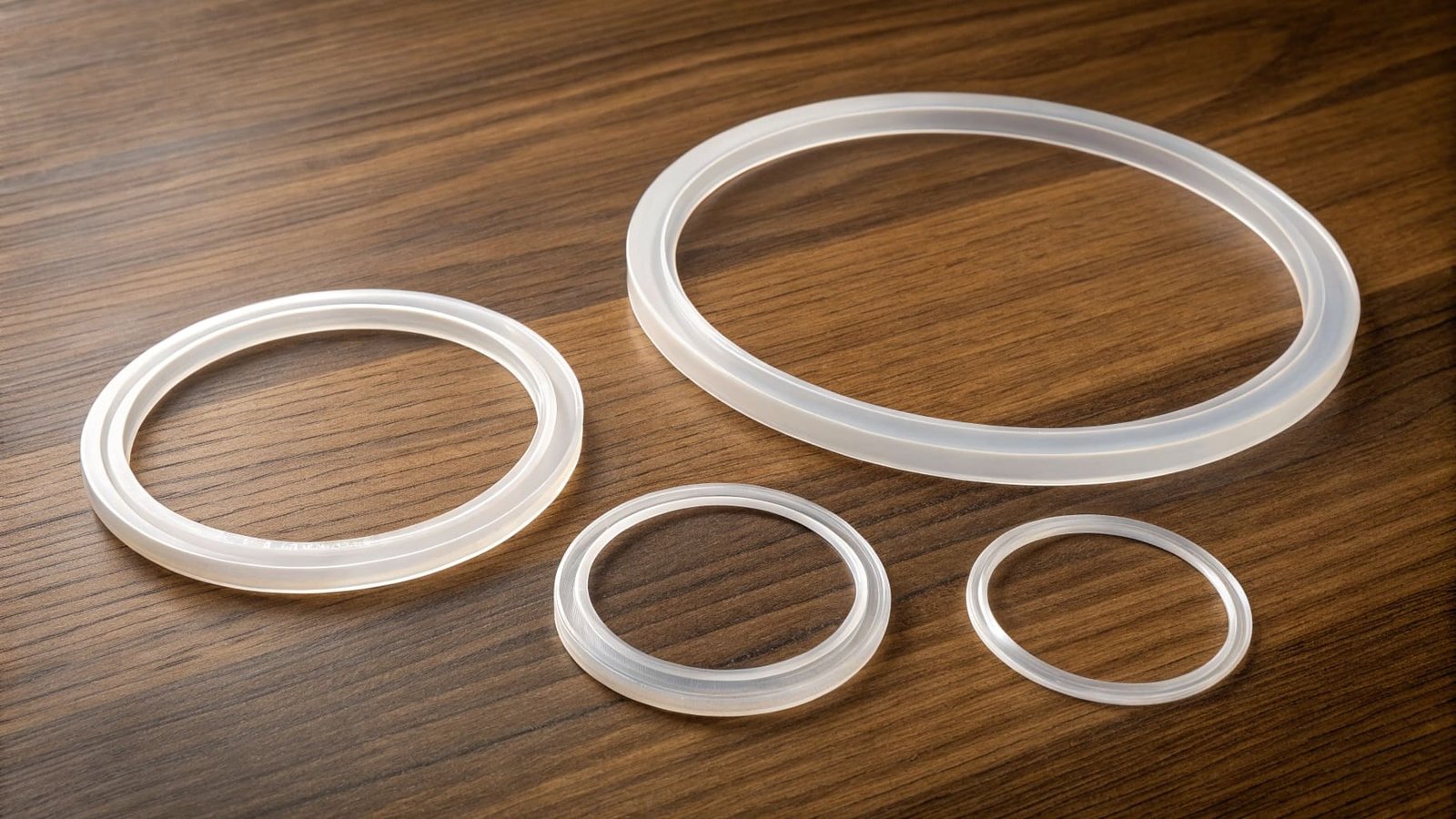
Tumblers use silicone gaskets1 in the lid assembly. These gaskets fit between the lid and cup rim. The compression creates an airtight seal that prevents leaking.
The Components That Make Sealing Work
Tumbler lids have three main parts. The outer lid holds everything together. The silicone gasket sits in a groove inside the lid. The drinking mechanism goes in the center.
I tested dozens of gasket materials over the years. Food-grade silicone works best. It stays flexible in hot and cold temperatures. It does not absorb odors or stains.
| Gasket Material | Temperature Range | Odor Resistance | Lifespan |
|---|---|---|---|
| Food-grade silicone | -40°F to 446°F | Excellent | 3-5 years |
| Rubber | 32°F to 212°F | Poor | 6-12 months |
| TPE | 14°F to 302°F | Good | 1-2 years |
The gasket thickness matters too. Most quality tumblers use gaskets between 2mm and 3mm thick. Thinner gaskets tear easily. Thicker ones do not compress properly.
Why Standard O-Rings Fail
Many factories try to cut costs with standard O-rings2. I see this mistake often. O-rings work in machinery but not in drinkware. They do not have the right food-grade certification. They degrade when exposed to acidic drinks like coffee or juice.
A Canadian distributor switched to us after his previous supplier used industrial O-rings. His customers reported a rubber taste in their drinks. He had to recall 5,000 units. The recall cost him three times more than buying proper gaskets would have cost.
How to stop a tumbler from leaking?
Leaking tumblers create returns and damage your reputation. I track return rates for all my buyers. Leak complaints account for 40% of all drinkware returns.
Check the gasket placement first. Make sure the gasket sits flat in the lid groove. Clean both the gasket and rim before closing. Apply even pressure when screwing the lid on.
The Real Causes of Tumbler Leaks
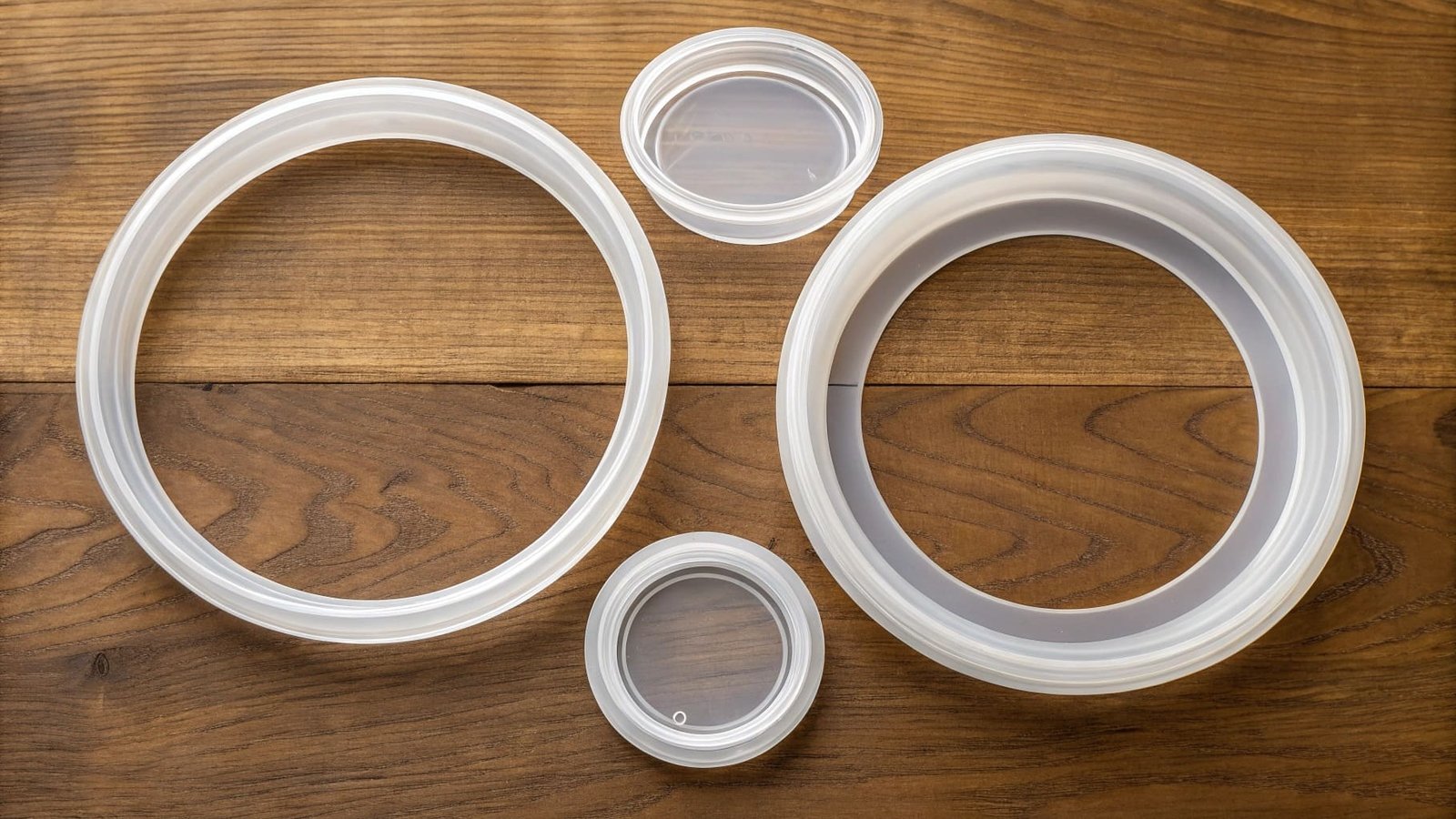
Most leaks happen from user error. People rush when closing their tumblers. They cross-thread the lid. They leave the gasket dirty or misaligned.
Some leaks come from design flaws. I worked with a buyer who sourced tumblers from three different factories. Two factories had good designs. One factory cut corners on the lid threading. Their tumblers leaked even with perfect gaskets.
| Leak Cause | Percentage | Prevention Method |
|---|---|---|
| Misaligned gasket | 35% | Visual inspection before closing |
| Cross-threaded lid | 25% | Proper closing technique education |
| Damaged gasket | 20% | Regular replacement schedule |
| Poor lid design | 15% | Factory quality audit |
| Worn threading | 5% | Product lifecycle management |
Temperature changes cause leaks too. Hot liquids expand. The expansion pushes against the seal. A weak gasket fails under this pressure. This is why we use high-temperature silicone in all our gaskets.
Maintenance Tips for Long-Term Performance
Tell your retail customers to clean gaskets weekly. Remove the gasket from the lid. Wash it with warm soapy water. Let it dry completely before putting it back. This simple step extends gasket life by months.
Replace gaskets every 12 to 18 months. Even good silicone degrades over time. UV exposure speeds up degradation. I keep spare gaskets in stock for my regular buyers. They bundle replacement gaskets with new tumbler sales.
Is a tumbler the same as a mug?
This question comes up in every trade show I attend. Buyers need to understand the difference. The difference affects pricing, marketing, and accessory sales.
No, a tumbler is not the same as a mug. Tumblers have sealed lids and thermal insulation. Mugs have open tops and basic ceramic or glass construction.
Design Differences That Matter for B2B
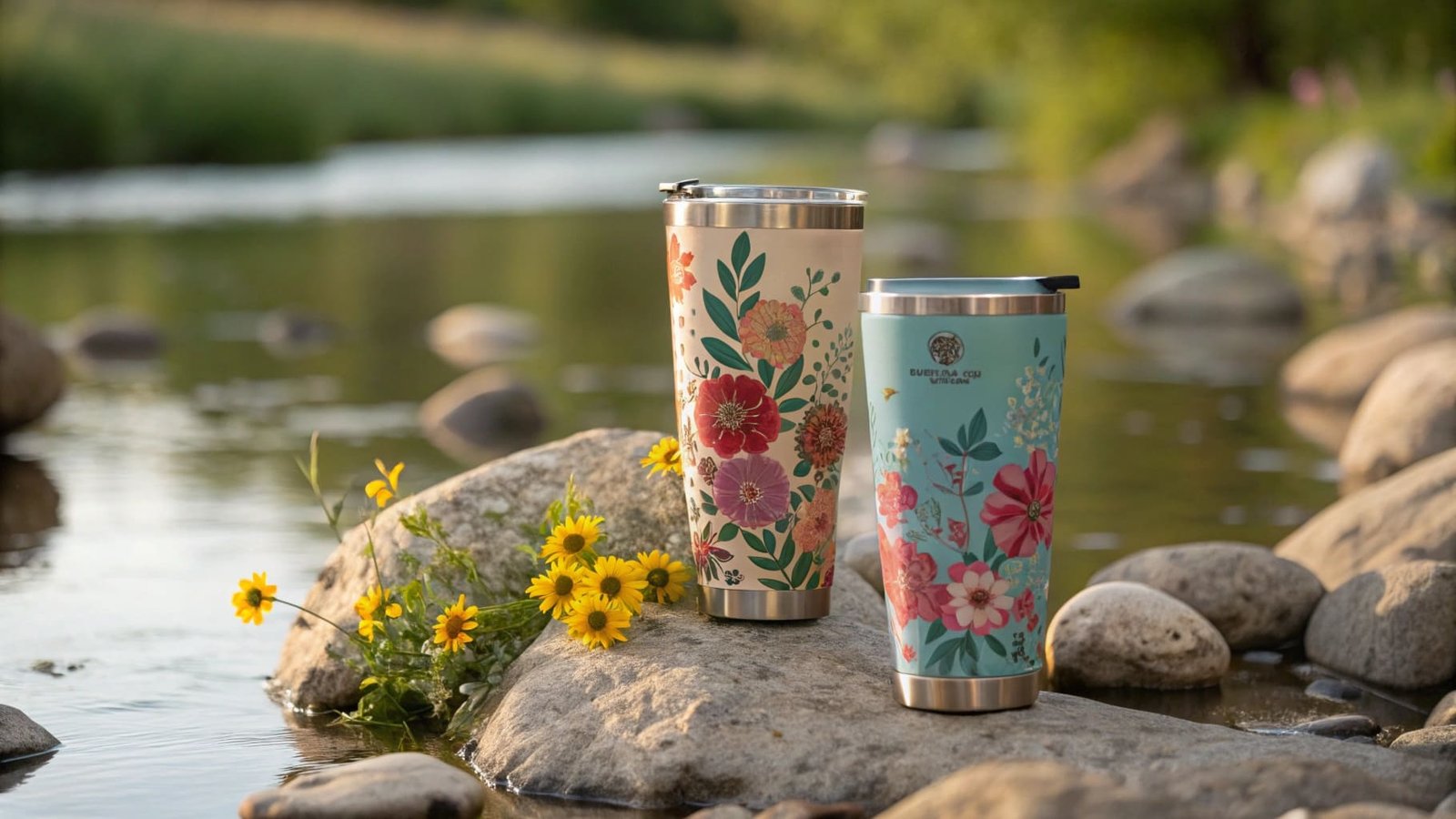
Tumblers use double-wall construction3. Air or vacuum sits between the walls. This keeps drinks hot or cold for hours. Mugs use single-wall construction. They offer no temperature retention.
The lid system separates tumblers from mugs. Tumblers need complex lid assemblies with gaskets and drinking mechanisms. Mugs need nothing. You drink straight from the rim.
| Feature | Tumbler | Mug |
|---|---|---|
| Construction | Double-wall vacuum | Single-wall |
| Temperature Retention | 4-12 hours | Under 1 hour |
| Lid System | Sealed with gasket | Open or simple cover |
| Portability | High (spill-proof) | Low (open top) |
| Price Range | $15-$40 | $5-$15 |
| Target Use | On-the-go | Stationary drinking |
Material choices differ too. Most tumblers use stainless steel. The metal does not break when dropped. It does not absorb flavors. Mugs use ceramic, glass, or basic plastic. These materials break easier.
Why This Distinction Creates Opportunity
Understanding the tumbler-mug difference helps you position accessories. Tumbler users need bottom protectors. Their stainless steel construction scratches surfaces. They carry tumblers in cars and bags. The anti-slip feature prevents damage.
Mug users do not need these accessories. Mugs stay on desks. Ceramic does not scratch wood. The markets separate completely.
I worked with a distributor in Toronto last year. He sold both mugs and tumblers. He tried selling bottom protectors for both. His mug customers did not buy any protectors. His tumbler customers bought protectors for 60% of their tumblers. He learned to focus his accessory marketing on tumbler buyers only.
The Bottom Protector Advantage
Here is what I see in the market. Premium tumblers cost $20 to $40 retail. Customers invest this much because they want durability. They want protection. They want performance.
Bottom protectors answer all three needs. A quality silicone boot costs you $0.30 to $0.80 wholesale. You can retail it for $3 to $6. The margin works well. More importantly, it solves real problems.
Stainless steel tumblers damage car cup holders. I heard this complaint dozens of times. The metal scratches plastic cup holders. It makes noise when the car moves. A silicone boot eliminates both issues.
Condensation creates slip risks. Cold drinks make tumbler exteriors wet. Wet metal slides on smooth surfaces. I tested this myself. A tumbler without a boot slides 3 inches on a tilted desk. The same tumbler with an anti-slip boot does not move.
The protection goes both ways. The boot protects surfaces from the tumbler. It also protects the tumbler from impacts. Dropped tumblers dent less with boots on. Some of my buyers market this as "drop protection" and charge premium prices.
Conclusion
Anti-slip tumbler boots solve real problems for end users. They protect surfaces and prevent slipping. They also create profitable upsell opportunities for B2B buyers.