Should B2B Importers Stock Both 30oz and 40oz Tumbler Seal Ring Variants?
I watched a client lose $15,000 last quarter. They stocked only 40oz seal rings. Their retail partners needed 30oz variants. The orders went to competitors instead.
Stock both 30oz and 40oz tumbler seal ring variants1. The 40oz size dominates current trends, but 30oz variants serve an established consumer base that values portability and practicality. A balanced inventory strategy captures maximum market share and reduces dependency on single-trend momentum.
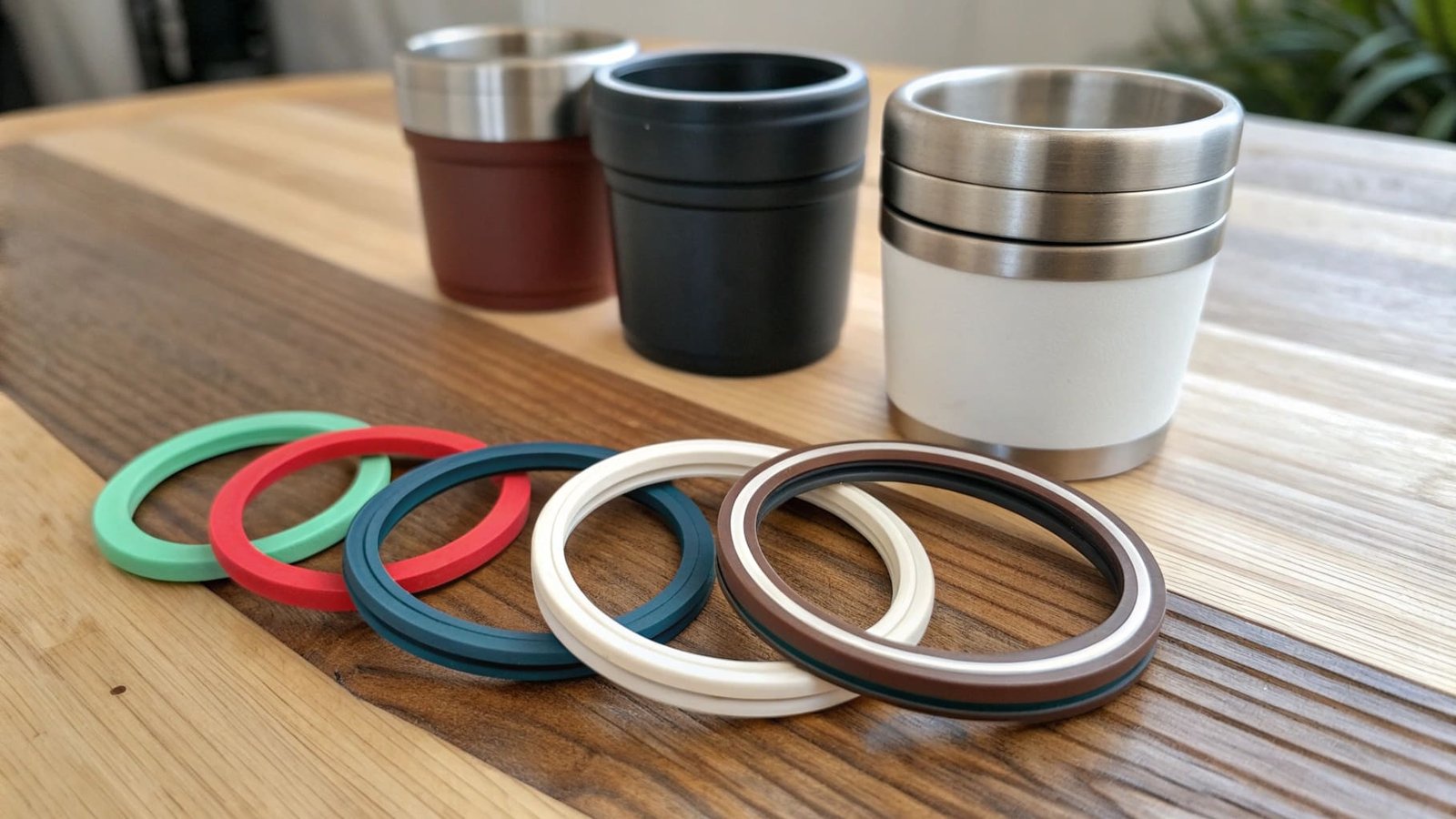
I learned this lesson the hard way at silijoy. Three years ago, I focused entirely on trending sizes. I missed out on steady replacement part orders from loyal mid-size tumbler users. Now I maintain diverse inventory. My clients thank me for it.
What size Stanley is most popular?
The 40oz Stanley tumbler broke sales records in 2023. Social media flooded with these oversized cups. Everyone wanted one. But popularity does not always equal practical business decisions.
The 40oz Stanley Quencher currently dominates the tumbler market. This size gained viral attention through social media platforms and became the bestselling variant. However, the 30oz and 32oz sizes maintain consistent sales among professionals and daily commuters.
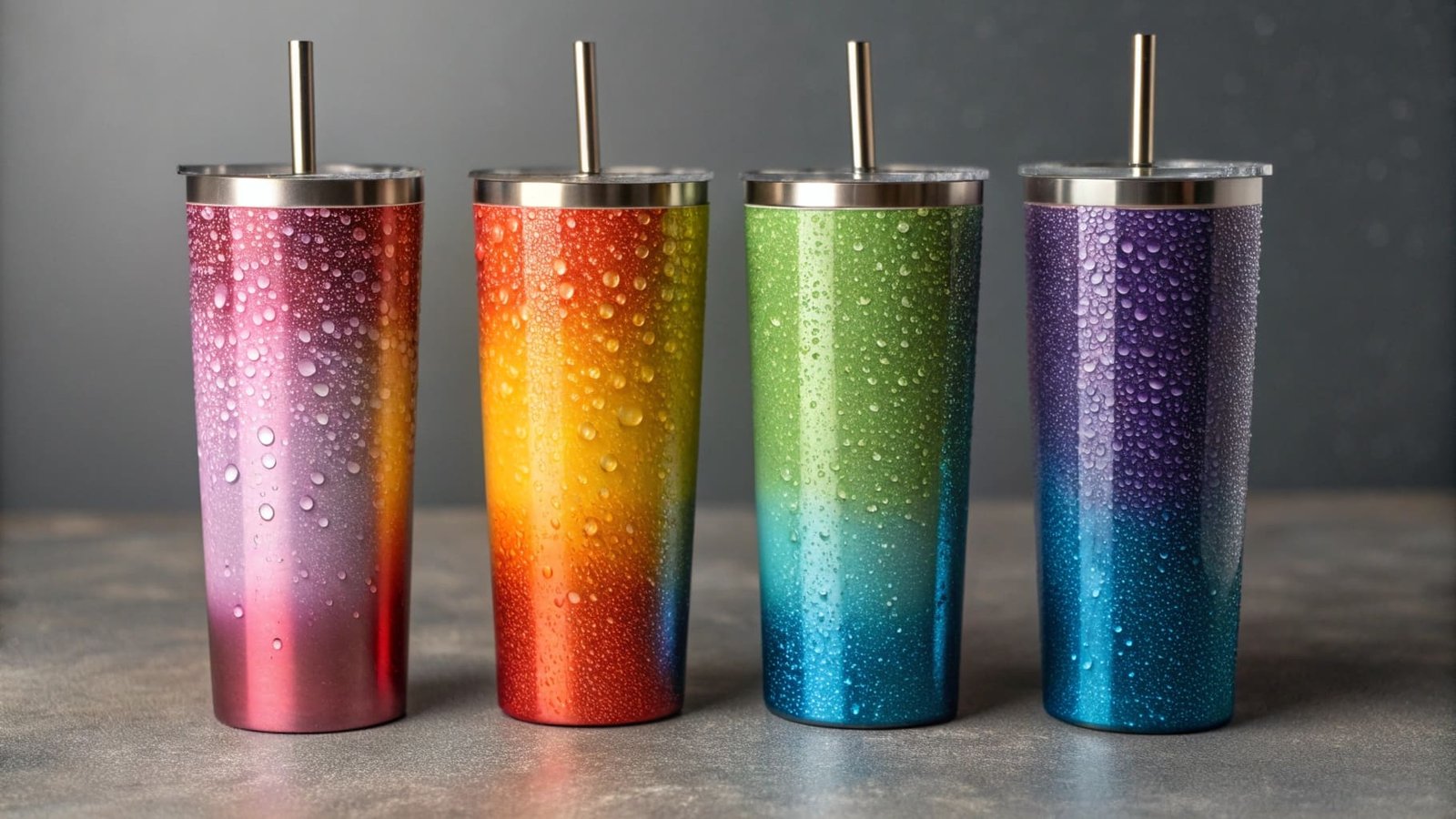
The Stanley 40oz phenomenon changed the tumbler industry overnight. I remember when my email inbox exploded with urgent requests for 40oz seal rings. Retailers scrambled to stock accessories for this trending size. The demand seemed endless.
But here is what the trending data does not show you. The 30oz variants never stopped selling. My long-term clients who supply office retailers kept reordering 30oz seal rings. These clients serve professionals who need desk-friendly sizes. They serve commuters who value car cup holder compatibility2.
I track our order data monthly. The numbers reveal an interesting pattern:
| Tumbler Size | Peak Trend Period Sales | Steady-State Sales | Customer Type |
|---|---|---|---|
| 40oz | 65% market share | 45% market share | Trend-driven consumers |
| 30-32oz | 25% market share | 40% market share | Daily practical users |
| Other sizes | 10% market share | 15% market share | Niche segments |
The 40oz size captures attention. The 30oz size captures consistent revenue. Your business needs both. I learned this when a Canadian distributor called me last month. They needed 5,000 units of 30oz seal rings within two weeks. Their competitor could not supply them. I could. That single order covered my monthly target.
Should I get a 32 oz or 40oz water bottle?
Consumers face this choice daily. Your business success depends on understanding their decision process. Both sizes serve different lifestyle needs. Smart importers stock accessories for both.
Choose 32oz for portability and daily commute convenience. Choose 40oz for maximum hydration capacity and extended outdoor use. The decision depends on personal lifestyle patterns, storage space availability, and specific daily routines.
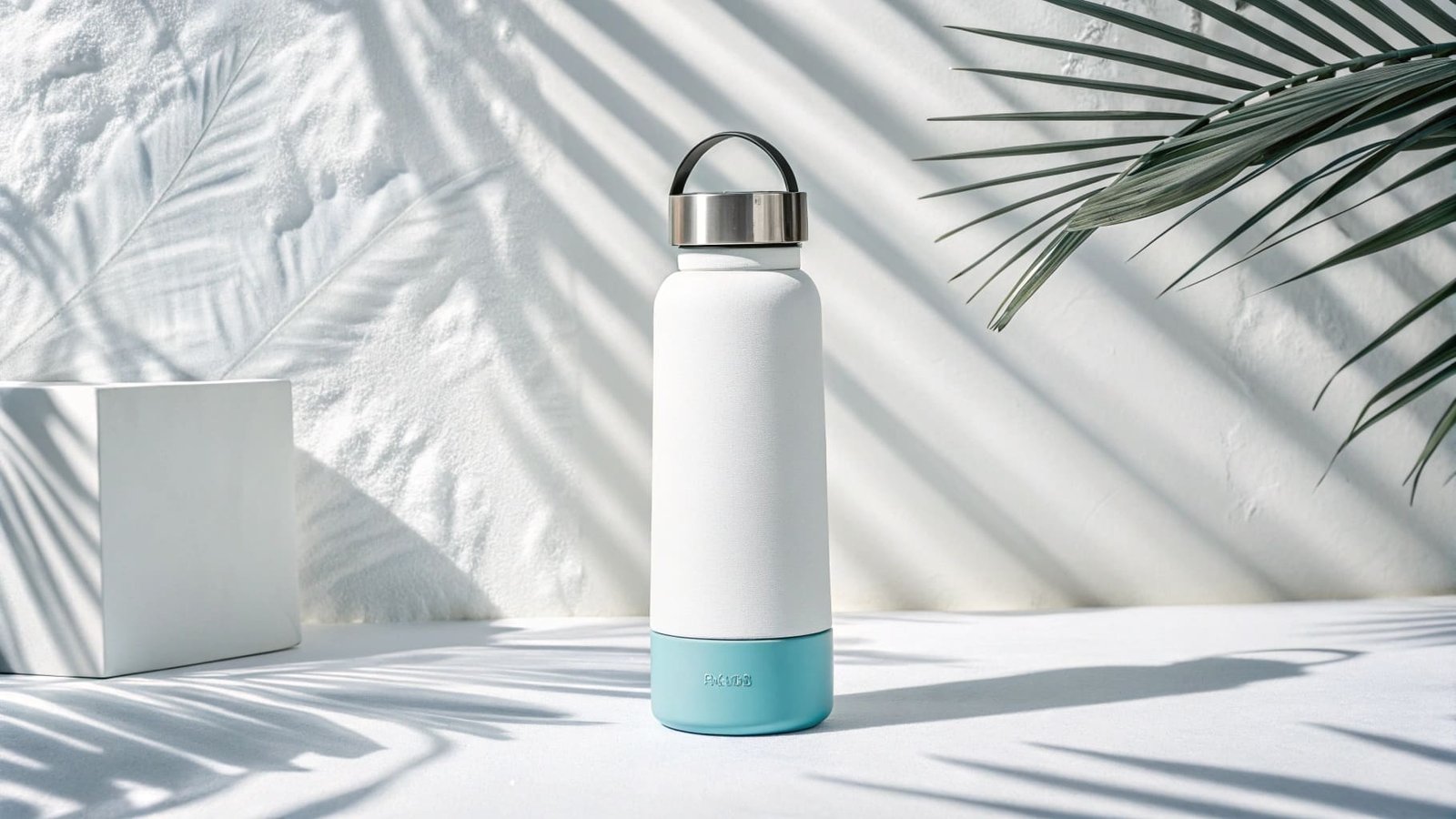
I see this debate play out in my customer conversations constantly. Mark, one of my Canadian clients, shared his market research with me last year. His retail customers buy 32oz tumblers for office use. They buy 40oz tumblers for gym sessions and weekend activities.
The practical differences matter more than you think. I tested both sizes myself. The 32oz tumbler fits my car cup holder perfectly. I grab it every morning for my commute. The 40oz tumbler stays home or goes to my weekend hikes. It does not fit standard cup holders. It takes up significant desk space.
Your B2B customers face these realities. Their end consumers make purchase decisions based on practical daily use. Here is what drives their choices:
Portability Factors:
- Car cup holder compatibility
- Bag carrying comfort
- Single-hand operation ease
- Storage space requirements
Capacity Considerations:
- Daily hydration goal targets
- Refill frequency preferences
- Activity duration needs
- Temperature retention priorities
The replacement parts market follows these patterns. Office workers replace 32oz seal rings more frequently. They use their tumblers five days per week minimum. Outdoor enthusiasts replace 40oz seal rings based on seasonal activity. Both customer segments need reliable suppliers.
I stock seal rings for both sizes. This strategy served me well during the supply chain disruptions last year. Competitors ran out of 32oz variants. They focused too heavily on trending 40oz inventory. I captured their market share. My clients stayed loyal because I never ran out of stock.
Why is the Stanley Cup 40oz so popular?
The viral success story seems simple on the surface. But the underlying factors reveal important lessons for B2B importers. Understanding these drivers helps you predict future market shifts.
The Stanley Cup 40oz gained popularity through social media viral marketing, collector culture appeal, and alignment with health-focused hydration trends. The size offers all-day hydration capacity without refills, appealing to consumers seeking convenience and wellness goal achievement.
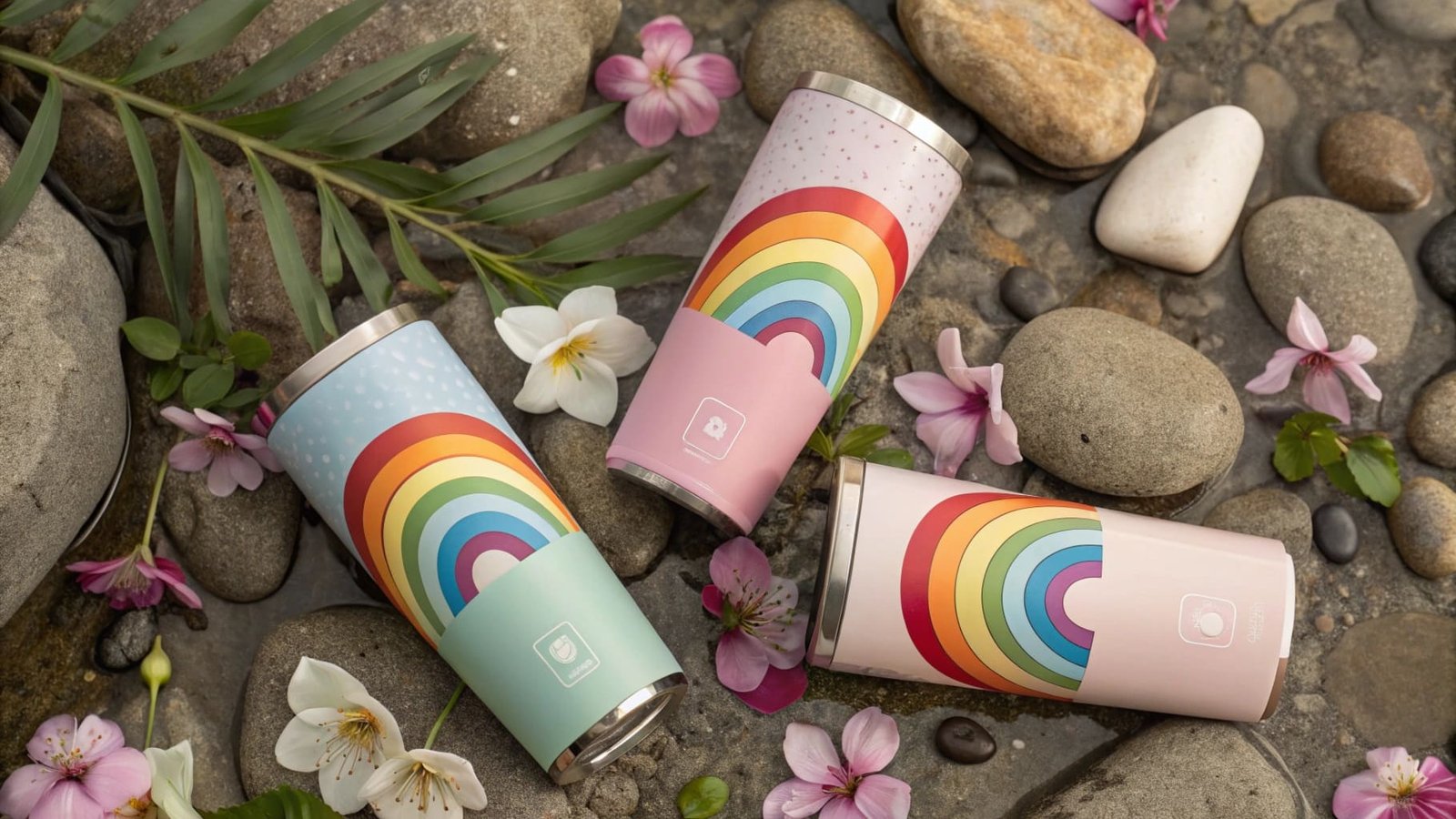
I witnessed this phenomenon unfold in real-time. January 2023 changed everything. My order volume for 40oz seal rings increased by 340% within six weeks. Retailers could not keep Stanley 40oz tumblers in stock. The accessories market exploded alongside the tumbler craze.
But I noticed something crucial that many suppliers missed. The viral trend created two distinct market segments. The first segment bought 40oz tumblers as fashion statements. They collected multiple colors. They posted photos on social media. These customers drove the initial surge.
The second segment emerged more quietly. These customers genuinely needed the 40oz capacity for their lifestyle. Nurses working 12-hour shifts. Construction workers on job sites. Athletes during training sessions. This segment creates sustained demand.
Key Popularity Drivers:
| Factor | Impact on Market | Sustainability Rating |
|---|---|---|
| Social Media Trends | Massive initial spike | Low (3-6 months) |
| Collector Culture | Moderate sustained interest | Medium (1-2 years) |
| Practical Capacity Needs | Steady baseline demand | High (5+ years) |
| Hydration Wellness Trend | Growing market expansion | High (ongoing) |
| Color/Design Variety | Repeat purchase driver | Medium (trend-dependent) |
I use this analysis to guide my inventory decisions at silijoy. The viral trend will eventually stabilize. But the practical need for large-capacity tumblers will continue. Your business needs to serve both the trend followers and the practical users.
The seal ring replacement cycle reveals the truth about market sustainability. Trend-driven buyers replace seal rings once or never. Practical daily users replace them every 6-12 months. I track repeat order patterns from my retail clients. The clients serving practical user bases provide the most predictable revenue.
My recommendation comes from three years of market observation. Stock 40oz seal rings to capture the current trend momentum. Maintain 30oz inventory to serve the established practical user base. This dual approach protects your business when market preferences shift. The Stanley phenomenon will not last forever. But the need for quality tumbler accessories will remain constant.
I learned this lesson from my early mistakes. I once put all my resources into a single trending product line. The trend faded within eight months. My inventory became obsolete. I lost money and client trust. Now I balance trend-following with practical market analysis. My business grows steadily regardless of social media trends.
Your success depends on understanding the difference between viral popularity and sustainable demand. Stock both sizes. Serve both market segments. Build long-term supplier relationships based on reliability rather than trend-chasing. This strategy has worked for silijoy. It will work for your importing business too.
Conclusion
Stock both 30oz and 40oz seal ring variants. Trends change quickly. Practical daily needs remain constant. Your balanced inventory protects profits and serves diverse customer requirements effectively.