Should Tumbler Sleeves Include Bags and Straps for Retail Packaging?
You spend hours finding the right tumbler sleeve supplier. Then you realize packaging costs eat your margins. Your retail shelves look empty because the presentation feels cheap.
Including bags and straps in tumbler sleeve packaging1 adds 15-30% to costs but significantly boosts retail appeal and perceived value. The decision depends on your distribution channel, target market expectations, and whether premium presentation justifies the added expense.
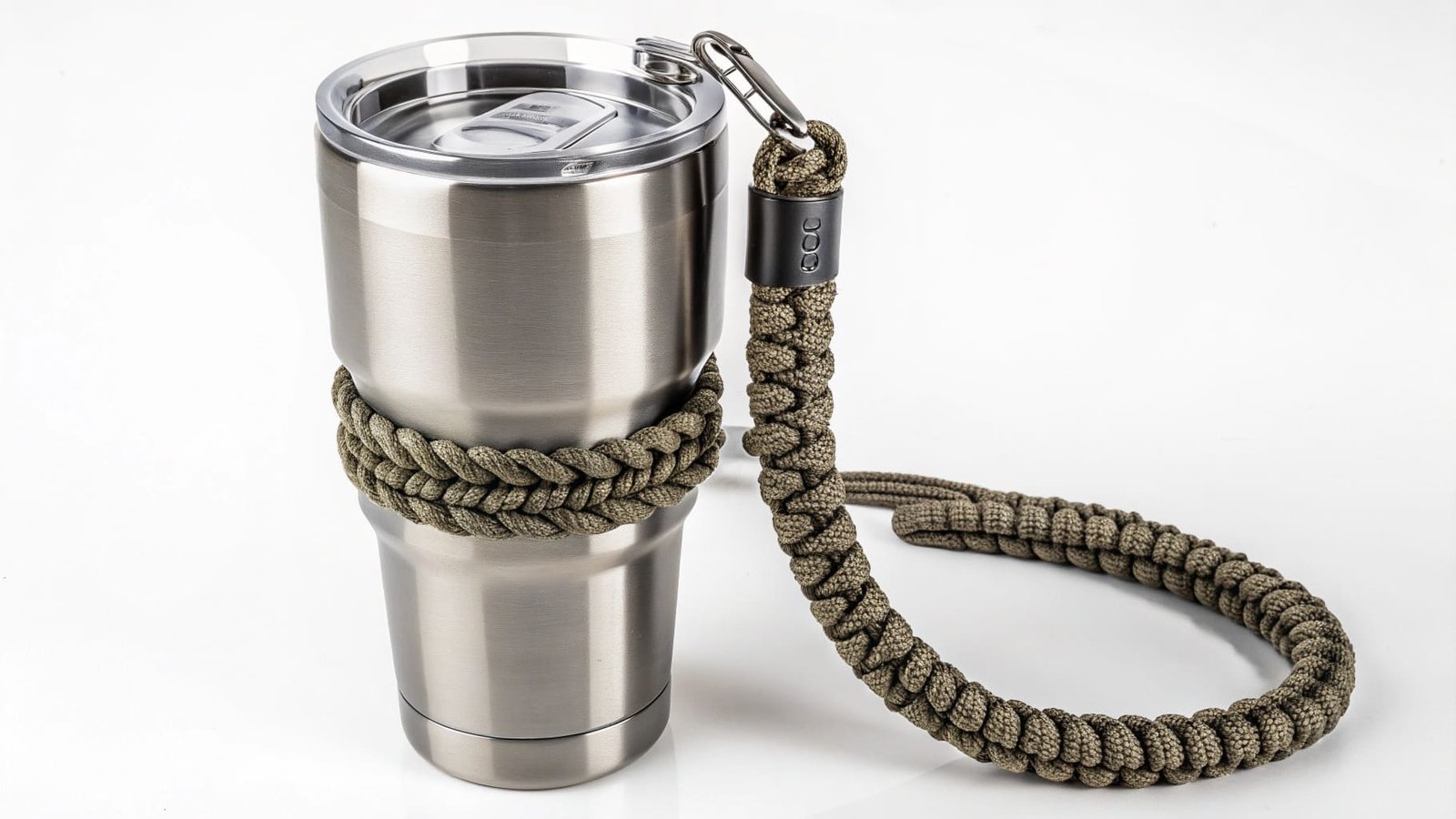
I learned this lesson the hard way last year. A buyer from Toronto ordered 5,000 silicone tumbler boots without discussing packaging details upfront. When the shipment arrived in basic poly bags, he had to spend extra on repackaging before hitting retail shelves. We lost that account. That experience taught me to address packaging strategy before production starts.
What is Sleeve Packaging?
Your products need protection during shipping. But basic protection does not always work for retail display. You wonder if sleeve packaging solves both problems at once.
Sleeve packaging wraps around your product using cardboard, plastic film, or recyclable materials. It protects items during transit while creating visual appeal at the point of sale.
The Core Components of Sleeve Packaging
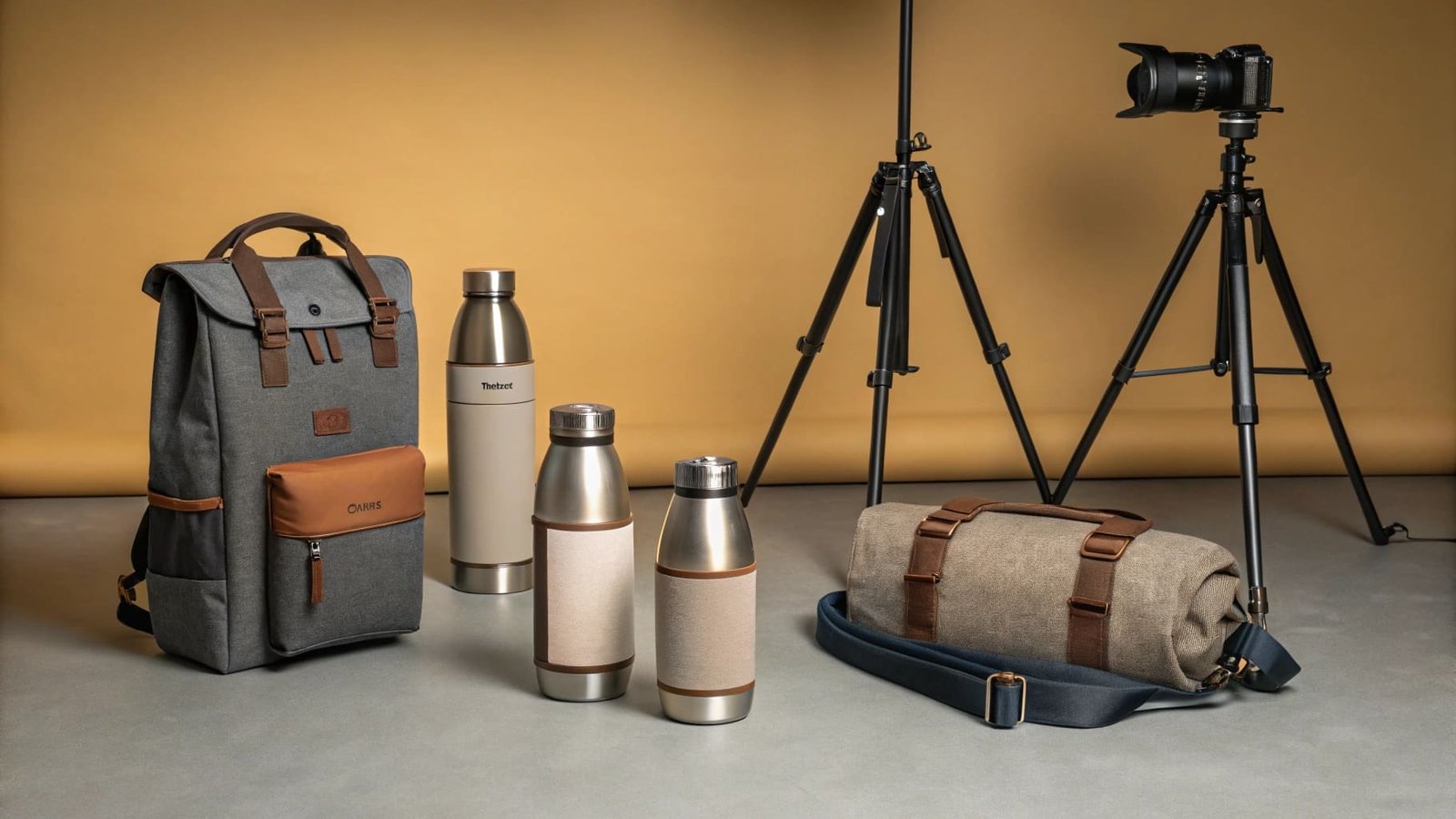
Sleeve packaging comes in different forms. I see three main types in our industry. The first type uses cardboard sleeves with product windows. These sleeves let customers see the silicone tumbler boot while keeping it protected. The second type involves shrink-wrap sleeves with printed branding. This option costs less but offers limited product protection. The third type combines rigid sleeves with hanging holes for pegboard display.
For tumbler accessories, sleeve packaging serves multiple functions. It prevents scratches during warehouse handling. It displays your brand message clearly. It creates shelf presence that attracts buyer attention. The material choice matters too. I recommend recyclable cardboard for European markets where sustainability regulations keep getting stricter. North American buyers often accept plastic sleeves if they reduce the total package size.
The real value comes from customization2. You can print care instructions directly on the sleeve. You can add QR codes linking to installation videos. You can include size charts or compatibility information. This extra information reduces customer returns and support tickets. One of my Canadian buyers reduced returns by 23% after adding clear sizing graphics to sleeve packaging.
What Must a Company Consider When Making Packaging Decisions?
Packaging decisions feel overwhelming when you factor in costs and market expectations. You need clear criteria to make confident choices. Your retail partners demand presentation quality that matches their store image.
Consider your distribution channel first, then evaluate material costs versus perceived value, and finally assess how packaging affects total shipping expenses and shelf display requirements.
Critical Factors That Determine Packaging Success
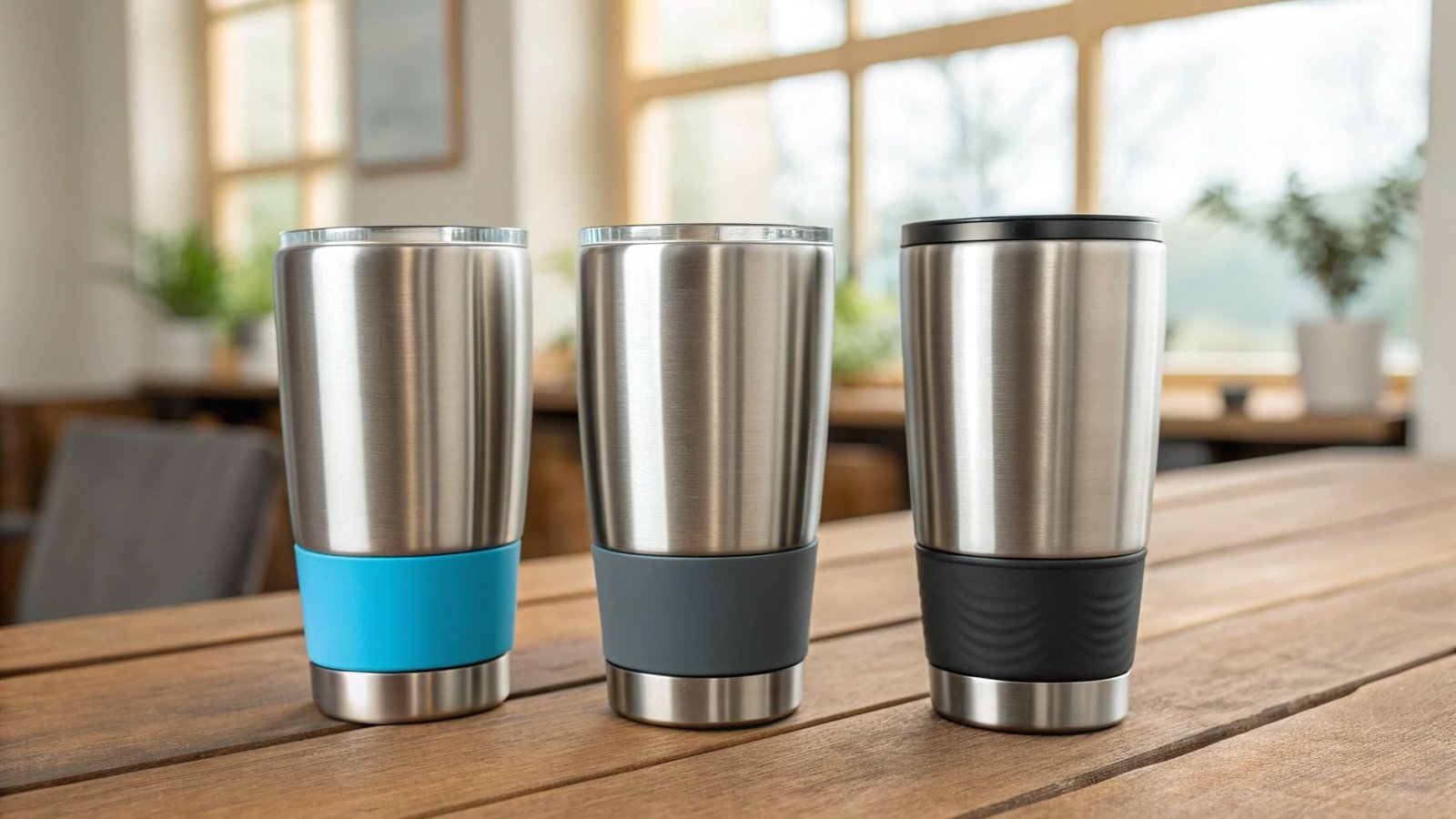
Distribution channels shape everything. E-commerce sellers need compact, lightweight packaging that survives rough handling during delivery. I ship thousands of units monthly to Amazon FBA warehouses. Those buyers care more about dimensional weight than visual appeal. Retail store buyers think differently. They need packaging that creates shelf impact and allows customers to touch and feel the product through protective layers.
Cost analysis requires breaking down every component. Here is how I structure packaging costs for tumbler sleeve orders:
| Packaging Component | Basic Option | Premium Option | Cost Difference |
|---|---|---|---|
| Sleeve Material | Poly bag | Rigid cardboard | +0.12 USD/unit |
| Branding | Sticker label | Full-color printing | +0.08 USD/unit |
| Handles/Straps | None included | Attached strap | +0.15 USD/unit |
| Inner Protection | None | Tissue paper wrap | +0.05 USD/unit |
| Total Package Cost | 0.25 USD | 0.65 USD | +0.40 USD/unit |
Your target market drives material choices. European buyers increasingly demand sustainable packaging options. Canada has similar trends. I switched to FSC-certified cardboard sleeves last year. The material costs 18% more but several buyers specifically requested it. One procurement officer told me sustainable packaging helped them win a major retail chain contract.
Logistics costs multiply quickly. Adding bags and straps increases package volume by 30-40%. This matters when calculating shipping container utilization. A 40-foot container fits 15,000 units with basic poly bag packaging. That number drops to 11,000 units when you add rigid sleeves with straps. The math changes your per-unit landed cost significantly.
Certification requirements also factor in. Some retailers require packaging to meet specific safety standards. I keep copies of our packaging material test reports ready. These documents prove our materials are food-safe and meet REACH compliance for European markets. Having these certificates ready speeds up the buyer approval process.
What Size Are Packaging Sleeves?
Size decisions affect everything from shipping costs to shelf placement. Too large and you waste money on materials and freight. Too small and your product looks cheap or arrives damaged.
Standard packaging sleeves for tumbler accessories range from 6x8 inches to 8x12 inches, depending on product dimensions, whether additional accessories are included, and the packaging style your retail channel requires.
Finding the Right Dimensions for Your Market
Product dimensions determine your starting point. Our standard 30oz tumbler boots measure approximately 5 inches in height and 3.5 inches in diameter. Basic sleeve packaging adds 0.5 inches on each side for protection and branding space. This brings the total package size to 6x8 inches for a single tumbler boot in a flat cardboard sleeve.
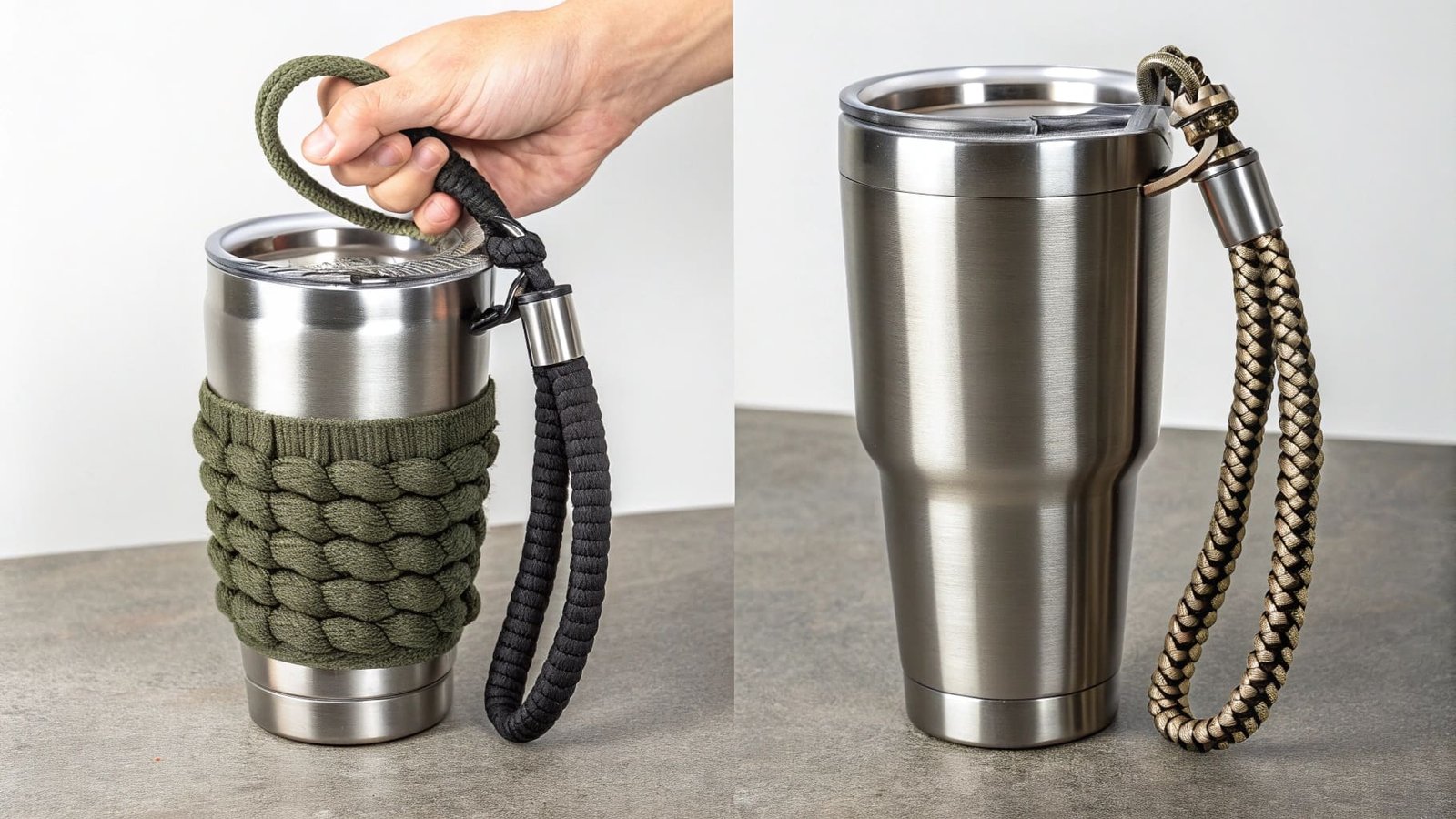
Adding bags and straps changes these calculations. A rigid sleeve with attached carrying strap needs extra width for the strap mounting points. The package dimensions grow to 7x9 inches. This seems small but it matters when you calculate how many units fit on a retail shelf or in a shipping carton.
I use a simple formula to determine optimal packaging size. Take your product dimensions and add 1 inch to the height and width for protection and branding. Then add another 1.5 inches if you include handles or straps. This formula prevents the common mistake of creating packaging that barely fits the product. Tight packaging looks cheap and tears easily during handling.
Multi-pack configurations need different sizing approaches. Some buyers want 2-pack or 4-pack options for retail sales. These packages typically measure 8x12 inches or larger. The key is maintaining a rectangular shape that stacks efficiently on pallets and displays well on retail shelves.
I learned to offer modular packaging options after a frustrating experience with a buyer from Vancouver. He ordered 3,000 units with premium strap packaging. After two months of slow sales, he asked if we could repackage the remaining inventory in basic sleeves to sell through discount channels. We could not help him economically. Now I recommend buyers start with 60-70% in standard packaging and 30-40% in premium configurations. This approach lets them test market response and adjust quickly.
Storage space matters too. Retailers have limited backroom space. Bulky packaging reduces the number of units they keep in stock. This affects reorder frequency and your cash flow. I work with several buyers who specifically request compact packaging that maximizes their inventory density.
Testing different sizes before committing to large orders saves money and headaches. I send sample packages in three different configurations to new buyers. They place these samples on their actual retail shelves and photograph the results. This simple test reveals issues with visibility, shelf placement, and customer accessibility before we commit to printing thousands of units.
Conclusion
Smart packaging decisions balance cost, retail appeal, and logistics efficiency. Test different configurations with small orders before committing to single packaging formats across your entire inventory.