Should Wholesalers Invest in Silicone Stretchable Lids for Multi-Market Export?
You face a tough choice as a wholesaler. Your customers want safe products. Regulators demand compliance. You need profit margins that work.
Silicone stretchable lids offer a strong export opportunity. They meet safety standards across major markets. They address consumer demand for reusable alternatives. They provide regulatory compliance that reduces your market entry risks.

I have worked with wholesalers like Mark for years. They all ask the same safety questions before committing to large orders. I understand why. One failed certification can kill your entire shipment. One safety issue can destroy your brand reputation. Let me walk you through the material facts that matter for your export decision.
Are silicone stretch lids non-toxic?
Your customers want products they can trust. Parents buying your lids worry about chemicals leaching into food. Restaurant owners need assurance their staff stays safe.
Food-grade silicone is non-toxic by composition. It contains silica, oxygen, carbon, and hydrogen. It does not release harmful substances when properly manufactured.
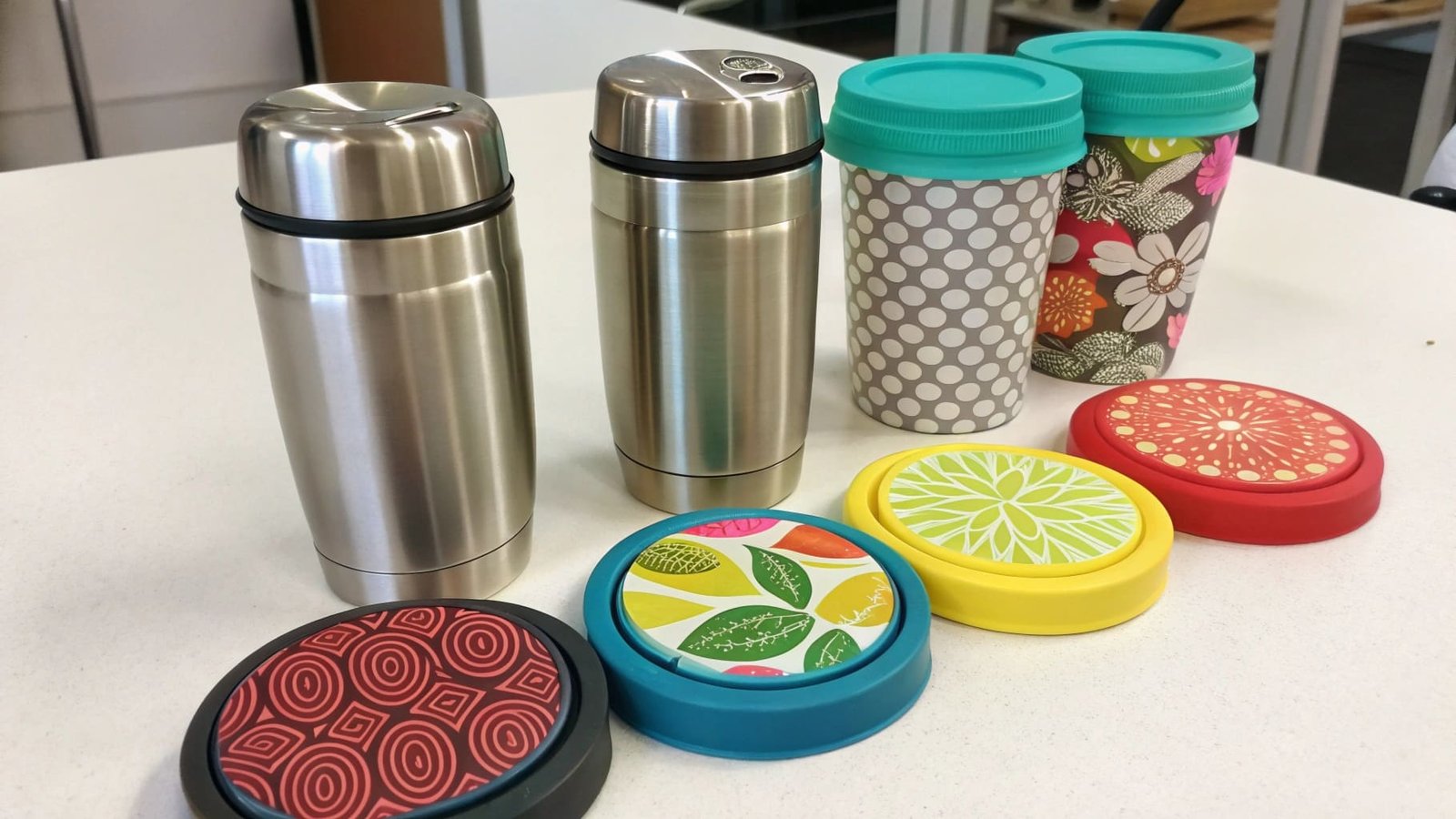
I need to explain what makes silicone different from regular plastic. Silicone comes from sand, not petroleum. The manufacturing process1 transforms silica into a stable polymer. This polymer remains inert across extreme temperatures.
Here is what sets food-grade silicone apart:
| Material Property | Food-Grade Silicone | Standard Plastic |
|---|---|---|
| Base Material | Silica (sand) | Petroleum |
| Temperature Range | -40°F to 446°F | Varies, often limited |
| Chemical Leaching | None when pure | Possible with heat |
| Degradation Risk | Minimal | Higher over time |
The key word is "properly manufactured." Some suppliers cut corners. They add fillers to reduce costs. These fillers can compromise safety. When I source silicone lids for clients, I verify the material composition. I request test reports. I check for virgin silicone content. This matters because your end customers depend on you for safety. A wholesaler in Toronto once told me his biggest fear was a product recall. He now orders only from suppliers who provide material certification2.
You cannot see the difference between pure silicone and filler-added silicone. You need documentation. You need lab reports. You need suppliers who understand regulatory requirements.
Does the FDA approve silicone?
You need FDA compliance if you sell to the US market. Your Canadian distributors need it too. European buyers often reference FDA standards even when they follow different regulations.
The FDA approves food-grade silicone3 under regulation 21 CFR 177.2600. This covers silicone rubber for food contact. Your products must meet these standards for US market entry.

I want to break down what FDA approval actually means. The FDA does not approve individual products. They approve materials and processes. Manufacturers must follow specific standards. They must use approved base materials. They must avoid prohibited additives.
Here is what 21 CFR 177.2600 requires:
| Requirement Category | Details | Wholesaler Impact |
|---|---|---|
| Material Standards | Virgin silicone only | Verify supplier sourcing |
| Temperature Limits | Must remain stable at food temps | Check product specs |
| Migration Testing | No harmful substance transfer | Request test reports |
| Manufacturing Controls | Clean production environment | Audit supplier facilities |
Many wholesalers ask me why they should care about these technical details. They want to focus on sales. I get it. But here is what I learned from experience. One wholesaler ordered 50,000 units without checking FDA compliance. His customer ran independent tests. The lids failed. He lost the customer, the inventory, and his deposit. That cost him six months of profit.
FDA compliance gives you three advantages. First, it opens the US market. Second, it signals quality to buyers in other regions. Third, it protects you from liability claims. When you source from suppliers like us at silijoy, we provide FDA compliance4 documentation with every order. You get certificates. You get test reports. You get peace of mind.
Some buyers think FDA approval is expensive. It is not. The cost comes from proper manufacturing. Good suppliers already follow these standards. You pay the same price. You get better protection.
Do silicone lids have microplastics?
Your eco-conscious customers ask about microplastics. Governments introduce new regulations. Retailers want products that reduce plastic waste.
Silicone does not produce microplastics. It has a different molecular structure from conventional plastics. It does not break down into particles that pollute water systems.
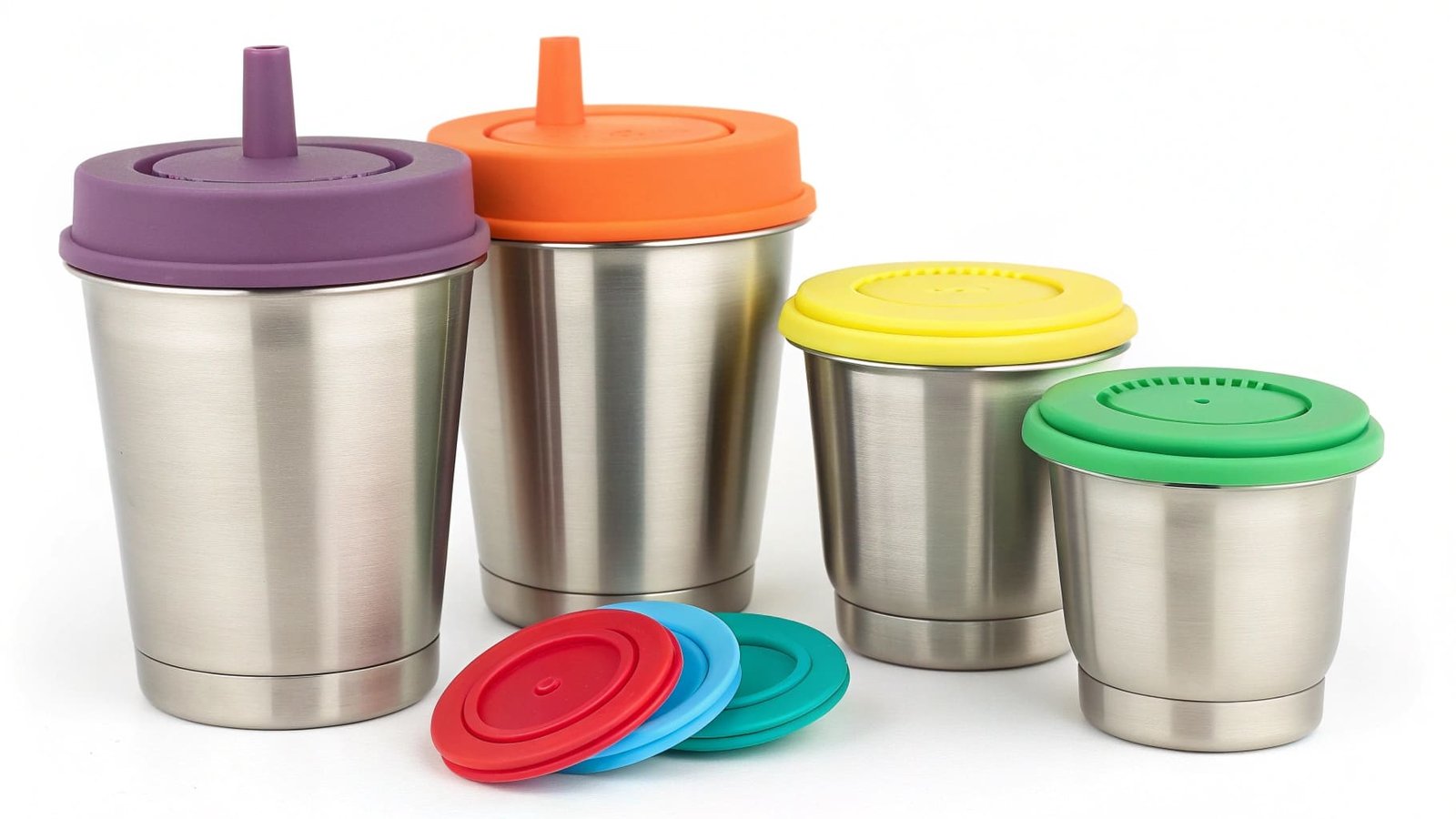
Let me explain the science in simple terms. Plastic breaks apart over time. Heat, sunlight, and physical stress cause degradation. Small pieces enter the environment. These microplastics harm marine life. They enter the food chain. Researchers find them in human blood and organs.
Silicone behaves differently. It is a synthetic polymer, but not a plastic. The molecular bonds remain stable. Here is a comparison:
| Characteristic | Silicone | Conventional Plastic |
|---|---|---|
| Chemical Structure | Silicon-oxygen backbone | Carbon-based chains |
| UV Degradation | Resistant | Susceptible |
| Physical Breakdown | Minimal particle release | Creates microplastics |
| Ocean Impact | Lower environmental risk | Major pollution source |
| End-of-Life | Recyclable at facilities | Often ends in landfills |
I remember a conversation with a buyer from Amsterdam. She needed 20,000 stretch lids for her retail chain. She told me her customers refused to buy plastic products. They wanted alternatives. But they would not accept compromises on performance. Silicone met both requirements.
This positions you well for future regulations. The European Union restricts single-use plastics. California bans certain plastic products. Australia implements packaging reforms. Silicone stretch lids comply with current rules. They anticipate future restrictions. You avoid product obsolescence.
Your customers see another benefit. They market these lids as eco-friendly alternatives. They build brand value. They attract conscious consumers. You help them succeed. They order more from you. Everyone wins.
Some wholesalers worry about recycling. Silicone recycling facilities exist but remain limited. This is a valid concern. Yet silicone lids last years with proper care. They replace hundreds of disposable plastic wraps. The net environmental impact strongly favors silicone.
Conclusion
Silicone stretchable lids meet safety standards across major export markets. They offer non-toxic composition, FDA compliance, and microplastic-free performance that positions your wholesale business for long-term success.
-
Explore the manufacturing process of silicone and its importance for food safety compliance. ↩
-
Learn how to ensure the safety and quality of silicone products through proper certification. ↩
-
Find out why food-grade silicone is essential for safety and quality in food contact products. ↩
-
Understand the importance of FDA compliance for selling silicone products in the US market. ↩